Onions rank among the most useful crops in an American home garden. This guide to onion sets planting usa online deals shows how to buy onion sets on the web, plant them at the right time, and grow full size bulbs with plain care. An onion set is a small, partly grown bulb that was started from seed the year before. When you plant a set in spring, it finishes its growth and forms a mature onion in one season. That is the chief advantage of sets. They give you a head start of several weeks over seed, and they forgive small mistakes in watering and feeding.
Many gardeners buy their sets from mail order houses and farm stores on the internet. Shopping online opens a wide choice of kinds, pack sizes, and prices that a local shelf seldom holds. The sections below explain how to pick good sets, how to judge a fair deal, when to plant, and how to tend the crop until harvest.
Why Onion Sets Matter for the Home Garden
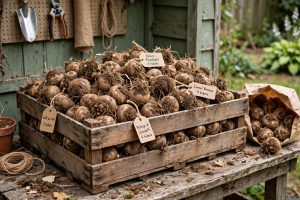
Onions grown from seed need a long season and steady care from the first day. In much of the country the season is too short for large bulbs from seed sown in spring. Transplants work well but cost more and dry out fast if they are mishandled in the mail. Onion sets sit between the two. They are dormant bulbs, each about half an inch to an inch across, and they start to grow within days of going into warm soil.
A family that plants two or three bags of sets can harvest enough onions for summer cooking and winter storage. The work is light. A row of sets needs loose soil, full sun, and regular water. The plants stand upright in neat rows and ask for little room, so they suit small yards and raised beds as well as large plots.
How to Choose Onion Sets When You Buy Online: Onion Sets Planting Usa Online Deals
A good online listing shows the variety name, the count or weight of sets in the bag, and the ship date. Read all three before you pay. The variety name tells you the color and the day length type. The count tells you how much row you can plant. The ship date tells you whether the sets will reach you in time for your local planting window.
Pick sets that feel firm and look clean. Soft sets or sets with black dust near the neck may carry rot. Trust sellers who grade their stock by size, because even sized sets grow into even sized onions and ripen together. For more on choosing fall and spring bulbs, see our guide on tulip bulbs fall usa online deals.
Yellow, Red, and White Sets
Yellow onions store the longest and suit most cooking. Red onions add color to salads and sandwiches, and sweet types such as Vidalia style sets are mild enough to eat raw. White onions are crisp and sharp, favored for Mexican and Southwestern dishes. When the focus is onion sets planting usa online deals, check which color the deal covers, because mixed bags may hide kinds you do not want.
Short Day and Long Day Types
Onions form bulbs in answer to day length. Short day types bulb up when days reach ten to twelve hours and suit the South, where they are often planted in fall or very early spring. Long day types need fourteen to sixteen hours of light and suit the North and the high plains. Intermediate or day neutral types fit the middle states. The Old Farmer’s Almanac growing calendar gives plain planting dates by region, and matching the type to your latitude is the surest step toward large bulbs.
When and How to Plant Onion Sets
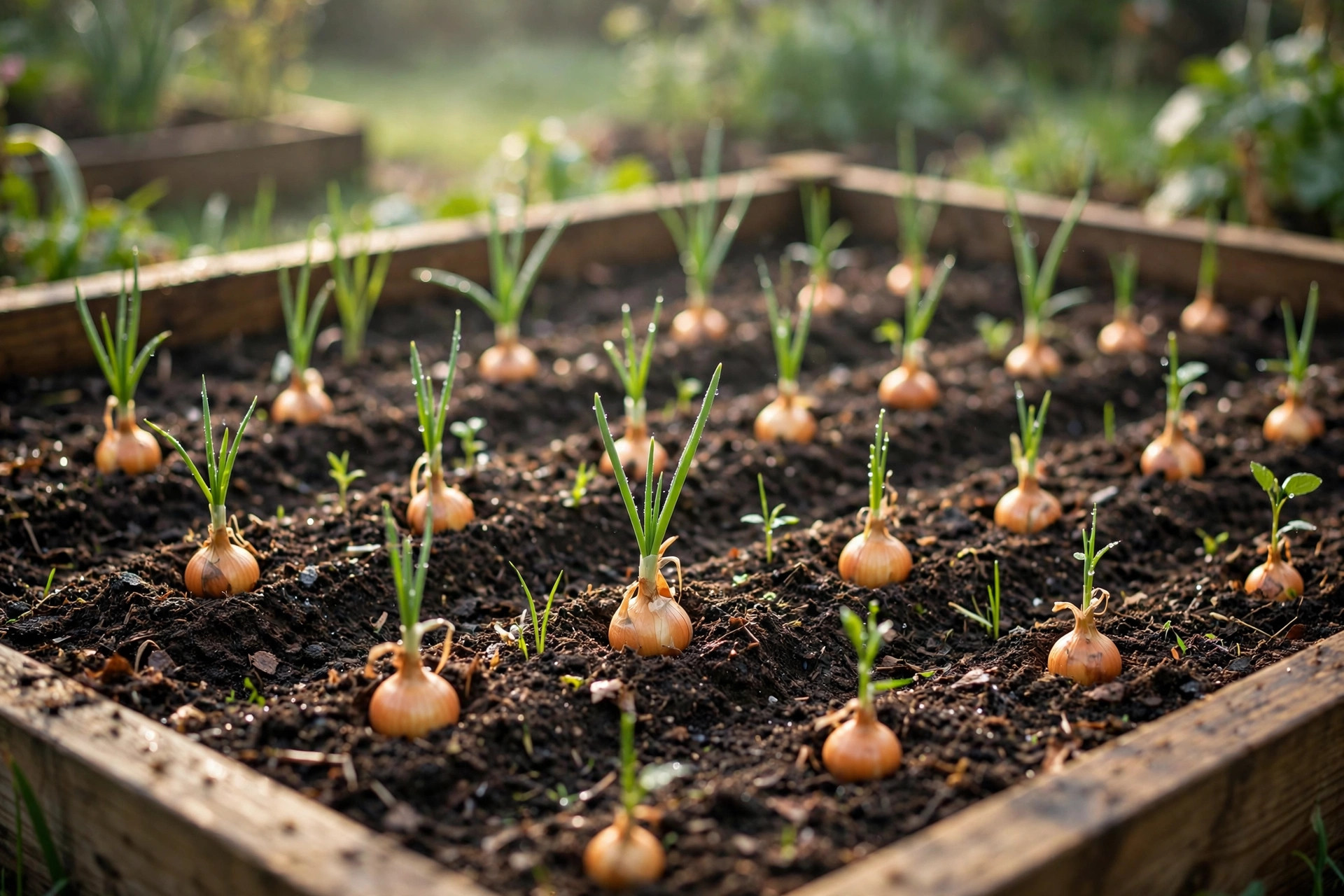
Plant sets in early spring, as soon as the soil can be worked and is no longer frozen. In warm regions gardeners also plant short day sets in fall for an early summer harvest. Push each set into loose soil so the pointed tip sits just above the surface, about one to one and a half inches deep. Space sets four inches apart in rows twelve inches apart. Wide spacing grows larger bulbs, while tight spacing gives more green onions for early pulling.
Firm the soil gently around each set and water the row well. Keep weeds down from the start, because onion roots are shallow and weeds steal both water and food. Hand pull weeds rather than deep hoeing, which can nick the bulbs and open the door to rot. A light mulch of straw after the plants stand four inches tall will cool the soil and hold moisture through hot weeks. For gardeners who raise other fall planted crops, our notes on garlic bulbs planting usa online deals cover a kindred planting method.
Finding the Best Times for Online Deals
Prices for onion sets move with the season. Early order deals appear in winter, when seed houses list their spring stock and offer volume packs at a lower unit price. Clearance sales come in late spring, when sellers move leftover sets, but by then the choice of varieties is thin and the sets may have dried too long in storage. Buying in the main window, late winter to early spring, gives the best balance of choice and price.
Compare the price per set, not just the bag price. A bag of one hundred small sets at a low price is no bargain if half are too small to bulb. Look for bundles that state a minimum set size, free or flat rate shipping, and a live arrival guarantee. Gurneys seed catalog and Burpee’s growing advice pages both publish variety notes that help you judge whether a listed deal is truly suited to your state.
Shipping matters. Sets should travel in mesh bags, not sealed plastic, so air can reach them. Order from sellers who ship early in the week so the package does not sit in a hot warehouse over a weekend. Some sellers let you pick a ship week at checkout, which is worth using in cold or hot weather. If a deal looks too cheap, read the reviews for reports of soft or sprouted stock.
Cost and Price Guide
Most onion sets sell in bags of fifty to five hundred. Small trial packs of fifty sets often cost a few dollars plus shipping, while a one pound bag holding roughly one hundred sets is the common home garden size. Larger bags of a half bushel suit big gardens and market growers and bring the price per set down sharply.
Add the shipping charge before you compare. A low bag price with high shipping often costs more than a slightly dearer bag with free shipping. Some houses combine shipping on seeds, sets, and tools, so a gardener who also needs herb seed can save by ordering together. Our page on organic herb seeds usa online deals lists seed houses where such combined orders are common. Plan on spending enough for good stock rather than chasing the lowest price, because weak sets rarely repay the garden space they take.
Care and Upkeep Through the Season
Onions ask for about one inch of water a week, delivered in steady soakings rather than daily sprinkles. In dry spells the soil around the sets should stay damp to a finger’s depth. Feed the plants once, about three weeks after planting, with a balanced garden fertilizer or well rotted compost. Stop feeding when the bulbs start to swell, or the tops will stay green too long and the bulbs will keep poorly.
Watch the necks. When the tops fall over on their own, the bulbs are ripe. Lift them with a fork, lay them on the soil or on racks in the sun for a week to cure, and then braid or bag them for storage. Well cured onions keep for months in a cool, dry place. The Gardening Know How guides walk through curing and storing step by step, and the USDA research agency NIFA funds extension work that supports sound vegetable growing methods across the states.
Green onions can be pulled any time the tops reach six inches. Harvest every other plant in a crowded row, and the rest will grow larger for full bulbs later. Park Seed supply notes and The Spruce home gardening guides both give simple spacing charts for this two stage harvest.
Safety in the Garden
Onion sets themselves are safe to handle. Keep tools sharp and use a hand fork rather than fingers to lift bulbs near buried lines or stones. Wash hands after applying fertilizer, and store bagged fertilizer away from children and pets. Rotating the planting spot each year lowers the risk of soil diseases that attack the onion family. If a patch shows yellow streaked leaves or soft necks year after year, rest that ground from onions for three or four seasons. Proven Winners plant care notes and Monrovia nursery growing advice stress the same rule of rotation for healthy beds.
Frequently Asked Questions
How many onion sets do I need for a family? A row fifty feet long, planted four inches apart, holds about one hundred fifty sets. Two such rows keep most families in onions through summer and into fall. Start smaller if the garden is new.
Can I plant onion sets in pots? Yes. Choose a pot at least eight inches deep, fill it with loose potting soil, and set the bulbs two inches apart. Water often, since pots dry fast, and place the pot where it gets six hours of sun. A dozen sets in one wide pot can supply green onions for months. White Flower Farm garden notes show how container bulbs thrive with steady moisture.
Why did my sets grow flowers instead of bulbs? This is bolting. It happens when young plants face weeks of cold weather, usually below fifty degrees, after planting. Large sets bolt more often than small ones. Plant after the soil warms and choose small to medium sets to lower the risk.
How do I know when the onions are ready? When most tops have fallen over by themselves, the crop is mature. Wait a few dry days, then lift the bulbs and cure them in sun and air for a week before storing.
Are onion sets better than seeds or transplants? Sets are the easiest path to a sure crop. Seeds cost less but need a long season. Transplants grow well but wilt fast in bad handling. For a beginner, sets win on reliability.
Can I save my own sets for next year? You can grow sets by sowing seed thickly in summer and lifting the small bulbs in fall. It takes skill to cure and store them through winter without rot, so most gardeners buy fresh stock each spring.
A Final Word
Good onion sets, planted on time and given plain care, repay the gardener with a crop that fills the kitchen and stores through the cold months. Study the variety, compare deals by price per set, and order from sellers who ship graded, well packed stock. Then plant in full sun, water with a steady hand, and let the season do the rest.
References
Burpee. (n.d.). Seeds, plants, and gardening supplies. https://www.burpee.com Gardening Know How. (n.d.). Gardening guides and plant care. https://www.gardeningknowhow.com Gurney’s Seed & Nursery Co. (n.d.). Seeds, plants, and garden supplies. https://www.gurneys.com Monrovia. (n.d.). Plants for home gardens. https://www.monrovia.com National Institute of Food and Agriculture. (n.d.). Agricultural research and extension. https://www.nifa.usda.gov Park Seed. (n.d.). Seeds, plants, and gardening supplies. https://www.parkseed.com Proven Winners. (n.d.). Plants and gardening inspiration. https://www.provenwinners.com The Old Farmer’s Almanac. (n.d.). Gardening calendars and advice. https://www.almanac.com The Spruce. (n.d.). Home and garden advice. https://www.thespruce.com White Flower Farm. (n.d.). Plants, bulbs, and garden supplies. https://www.whiteflowerfarm.com
Was this guide helpful?

About Robert Taylor
The My Garden US editorial team writes practical, in-depth home and garden guides for American homeowners — tested advice, no fluff.