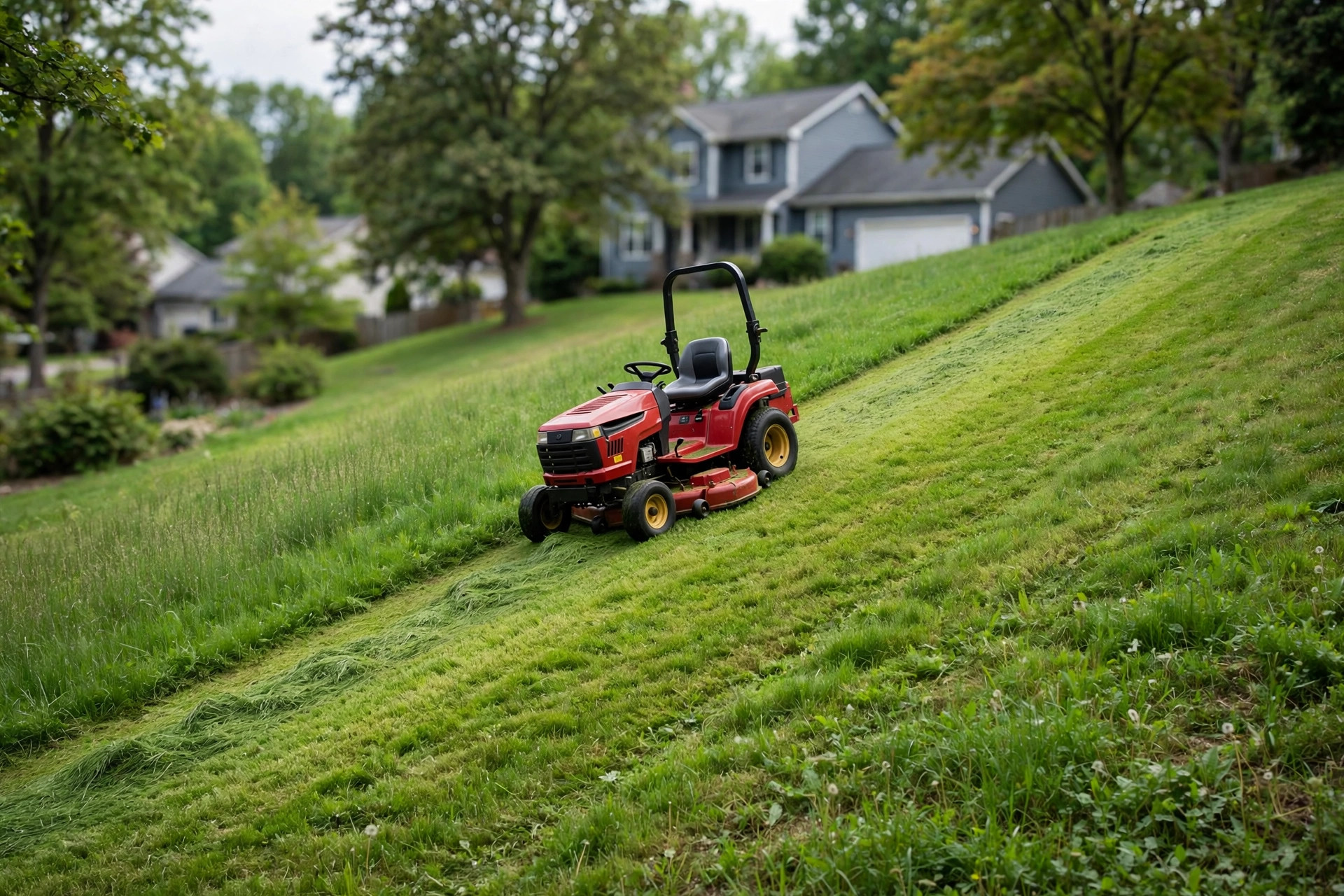
A Guide to the Best Riding Mower for Hills Reviews
Mowing a flat lawn is simple. Mowing a hill is not. A hill puts stress on the engine, the tires, and the driver. The wrong machine can slide, stall, or tip over. That is why many shoppers search for the best riding mower for hills reviews before they spend their money. A careful review can show which machines hold a line on a slope and which ones do not.
Sloped yards are common across the United States. A hill of ten or fifteen degrees may look mild. It can still push a light mower sideways when the grass is wet. Reviews written by owners in hilly areas carry real value. They tell the story that a sales sheet will not tell.
This guide pulls together what those reviews tend to say. It covers why hills are hard to mow, what features matter most, which types of riding mowers suit slopes, and what prices to expect. It also covers care, upkeep, and safety.
Why Hills Are Hard to Mow: Best Riding Mower for Hills Reviews
Grass grows the same on a hill as on flat ground. The mower does not work the same. Gravity pulls the machine downhill at all times. The engine must work harder to climb. The brakes must work harder on the way down. The tires must grip a surface that tilts away from them.
Oil flow is a hidden problem. Many small engines use a splash system to move oil. On a steep slope, the oil can pool at one end of the crankcase. Parts at the other end run dry. Short runs on a mild slope cause little harm. Long runs on a steep slope can shorten engine life. Engine makers warn about this in their manuals. It is one reason to read the best riding mower for hills reviews with care. Owners often report engine trouble long before the warranty ends.
Traction is the second problem. Turf tires are made to be gentle on grass. Gentle tires do not grip well on wet slopes. Weight helps, but only if the weight sits low. A tall, light machine feels tippy. A low, heavy machine feels planted.
The third problem is the driver. Hills tire people out. The driver must lean, steer, and brake with care for the whole job. Reviews from owners with slopes often mention seat comfort, steering effort, and pedal layout. These details decide whether mowing day feels safe or feels like a chore to avoid.
What to Look for When You Read Reviews
Reviews of the best riding mower for hills mention the same features again and again. Learn these features first. Then you can judge each review on solid ground.
Power and Torque
Horsepower gets the headlines. Torque does the work. Torque is the turning force that keeps the blades spinning when the grass gets thick on a climb. A mower with strong torque will hold its blade speed going uphill. A weak one will bog down and leave ragged cuts.
Look for engine size in cubic centimeters as well as horsepower. Larger engines tend to make more torque. Air cooled V twin engines are common on machines built for hills. They run cooler under load than small single cylinder engines.
Transmission
The transmission decides how power reaches the wheels. Most modern riding mowers use a hydrostatic transmission. You press a pedal and go. Hydrostatic drives are smooth and easy to use. They also give good control on slopes, since you can slow down without shifting gears.
Look for a transmission rated for the work. Light duty units are fine for flat lawns. Hills call for a heavier unit with a cooling fan and a serviceable filter. Some garden tractors use a stronger transaxle built for ground engaging work. Reviewers in hilly regions often name the transmission model in their praise or their complaints.
Tires and Weight
Tires matter more on hills than anywhere else. Wide turf tires spread weight and protect grass. On slopes, many owners switch to a more aggressive tread. Aggressive treads grip better but can tear wet turf on turns. Check whether the model you like accepts wheel weights or fluid filled tires. Not all do.
Steering and Frame
Tight steering helps on slopes. You need to make small corrections without jerking the machine. A sturdy frame resists flex when the mower twists across a grade. Power steering is rare on small machines but common on larger garden tractors. Older drivers and anyone with a large hilly lot will feel the difference.
Slope Ratings
Makers often state a maximum slope for each model. The number may appear as degrees or as a percent grade. Ten degrees is about an eighteen percent grade. Fifteen degrees is about twenty seven percent. Many standard lawn tractors are rated for ten to fifteen degrees. Makers such as Toro publish slope guidance for their models. John Deere lists maximum grades in its operator manuals. Treat these numbers as limits, not goals. Wet grass, loose soil, and hidden bumps all reduce safe slope. Reviewers who mow near the limit often advise staying well below it.
Types of Riding Mowers for Slopes
Not every riding mower suits a hill. Reviews of the best riding mower for hills tend to favor certain types. Here is how the main types compare.
Lawn Tractors
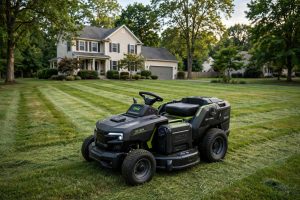
The classic lawn tractor is the most common riding mower in America. It has a steering wheel, a front engine, and a mid mount deck. Prices start low. Parts are easy to find. For gentle slopes, a good lawn tractor with a strong transmission does fine.
On steeper ground, lawn tractors show limits. They are light. Their transmissions are often light duty. Many reviewers say their tractor handled a slope for a year or two, then the drive grew weak. If your hill is mild and your budget is tight, a lawn tractor can work.
Garden Tractors
Garden tractors look like lawn tractors but are built heavier. They have stronger frames, stronger transmissions, and larger tires. Many accept ground engaging attachments such as plows and tillers. That extra build helps on slopes.
Reviews from hilly regions praise garden tractors for stability and long life. The trade off is price and size. A garden tractor costs more and needs more storage room. If your lot is about one acre, our guide to the best riding lawn mower for one acre lots can help you match machine size to yard size.
Zero Turn Mowers
Zero turn mowers are fast and nimble on flat ground. They steer with two lap bars instead of a wheel. On hills, they demand respect. The rear wheels do all the driving and all the steering. On a slope, the front can swing downhill in a slide. Many makers warn against using zero turns on slopes above ten or fifteen degrees.
Some experienced owners do mow slopes with zero turns. They mow up and down, never across. They keep speeds low. Reviews are split. If you are new to slopes, a tractor style machine is the safer pick.
Other Options
For small or very steep banks, a riding mower may be the wrong tool at all. A walk behind mower lets the driver stay on safe footing while the machine works the slope. Shoppers watching their budget often compare self propelled mower deals for usa homeowners before they commit to a rider. On flat parts of the yard, some owners now use a robot lawn mower for half acre yards and save the rider for the slopes only. Mixing tools is a smart way to cut risk.
Cost and Price Ranges
Price is a big part of every best riding mower for hills review. Here is what the market looks like.
Entry level lawn tractors start near one thousand five hundred dollars. These suit flat to gently rolling ground. Mid range tractors with stronger transmissions run from two thousand to three thousand dollars. Many reviewers call this the sweet spot for moderate slopes.
Garden tractors built for real hill work start near three thousand dollars and climb past five thousand. Add ons such as wheel weights, tire chains, and aggressive tires add a few hundred more.
Used machines can cut these numbers in half. Reviews of used mowers stress one point. Check the transmission. Ask how the mower was used. A machine that spent its life on flat ground may have years left. One that climbed hills every week may have a tired drive.
Do not forget running costs. Hills burn more fuel. They wear belts and tires faster. Budget for an extra set of blades each year if your slope is rough.
Care and Upkeep on Slopes
A mower that works hills needs steady care. The work is hard, so maintenance matters more.
Change the engine oil on schedule. Check the level before each mow. On slopes, low oil is a fast path to engine damage. Briggs & Stratton notes in its guidance that proper oil level protects engines under load. Use the grade the manual calls for.
Keep the air filter clean. A dusty slope chokes a filter fast. Check tire pressure often. Low pressure hurts traction and steering. The manual lists the right numbers. Follow them.
Sharpen or replace blades at least once a season. Dull blades tear grass instead of cutting it. Torn grass browns at the tips and invites disease. On a slope, you cannot easily go back for a second pass.
Clean the deck after each use. Wet clippings cake under the deck and trap moisture. That leads to rust. A quick scrape or hose down takes five minutes and adds years to the deck. Grease the fittings the manual lists. Check belts for cracks each spring.
Store the mower on level ground. Fuel can flood or starve on a tilt during storage. If you must park on a grade, use wheel chocks and set the brake. Drain or stabilize fuel for winter.
Safety on Slopes
Every best riding mower for hills review should talk about safety. Many do. The advice repeats because it saves lives.
Know your slope. Measure it before you buy. A simple phone app can read grade. So can a level and a tape. If the slope tops fifteen degrees, think hard about whether a rider belongs on it at all. Some banks are better left to a walk behind mower or to ground cover plants that need no mowing.
Mow up and down, never across. Driving across a slope puts the machine at its tippiest angle. A hidden rut or soft spot can start a roll. Up and down keeps the machine pointed with the grade.
Slow down. Speed is the enemy on hills. Use the lowest gear or pedal setting that gets the job done. Never mow wet slopes if you can wait a day. Wet grass cuts traction in half.
Wear the seat belt if the mower has rollover protection. A folding roll bar only helps if it is up and the belt is on. Keep children and pets far from the work area. Stop the blades before you cross a driveway or path.
Finally, trust your gut. If a slope feels wrong, it is wrong. Get off and walk it. Look for soft spots, holes, and stumps.
Frequently Asked Questions
What is the steepest slope a riding mower can handle?
Most standard lawn tractors are rated for ten to fifteen degrees. Garden tractors with low centers of gravity may handle a bit more. The rating assumes dry grass and a skilled driver. Wet grass, loose soil, and bumps lower the safe limit.
Are zero turn mowers safe on hills?
They can be, in skilled hands on moderate slopes. They are less forgiving than tractors. The steering wheels are also the drive wheels, so a slide can turn fast. Many owners and makers advise against zero turns on slopes above ten to fifteen degrees.
Do I need special tires for mowing hills?
Often yes. Standard turf tires protect grass but grip poorly on slopes. Many owners switch to an all terrain or bar tread tire for hill work. These grip better but may mark soft turf on turns. Check what your model accepts before you buy.
How much should I spend on a riding mower for hills?
Plan on two thousand to three thousand dollars for a mid range tractor that suits moderate slopes. Steep or large hilly lots may call for a garden tractor at three thousand to five thousand dollars. Buying used can halve the price, but have the transmission checked. Consumer Reports tests mowers for handling and value, and its findings are a good cross check on owner reviews.
Can I mow a hill when the grass is wet?
It is best to wait. Wet grass cuts traction sharply and raises the risk of a slide. Wet clippings also clump and choke the deck. If you must mow, slow down, mow up and down, and avoid the steepest parts until they dry. Morning dew can be as slick as rain.
How long will a riding mower last on hilly ground?
Hills shorten life. A machine that might last fifteen years on flat ground may last eight to ten on steep slopes. The transmission and engine take the most wear. Regular oil changes, clean filters, sharp blades, and correct tire pressure stretch that life.
A Final Word
The best riding mower for hills reviews agree on the basics. Buy more machine than you think you need. Favor torque and a strong transmission over top speed. Respect the slope rating. Keep up with maintenance. Put safety first on every pass.
A hill is not a reason to give up on a riding mower. It is a reason to choose with care. Read the reviews. Measure your slope. Match the machine to the land.
References
Toro. (n.d.). Riding mowers and outdoor power equipment. https://www.toro.com Deere & Company. (n.d.). Riding lawn equipment and tractors. https://www.deere.com Briggs & Stratton. (n.d.). Engines and power products. https://www.briggsandstratton.com Consumer Reports. (n.d.). Lawn mower buying guides and ratings. https://www.consumerreports.org
Was this guide helpful?

About David Wilson
The My Garden US editorial team writes practical, in-depth home and garden guides for American homeowners — tested advice, no fluff.