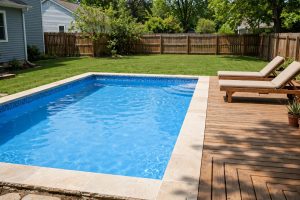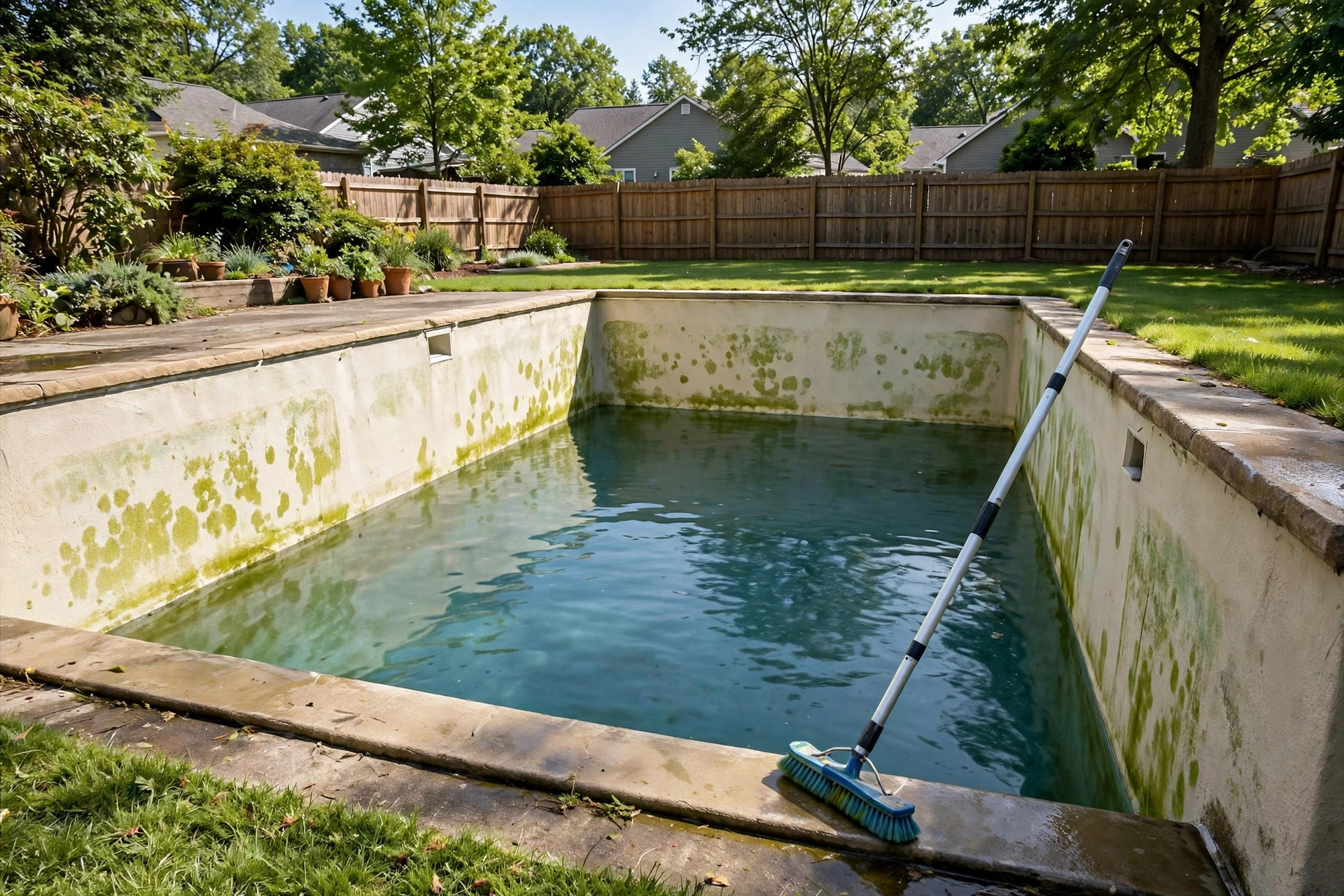

When green spots spread across the walls of your pool, the best pool brush for algae removal is your first line of defense. Chemicals help, but they cannot do the job alone. Algae grows in a thin, slick film that shields itself from chlorine. You must break that film with a brush before shock and sanitizer can reach the roots. A good brush saves time, saves money on chemicals, and keeps your water clear all summer.
This guide walks you through every choice. You will learn why brushing matters, what to look for in a brush, how much you should pay, and how to use the brush the right way. By the end, you will know exactly which brush fits your pool and your budget.
Why a Good Brush Matters When Algae Strikes
Algae is a simple plant. It needs light, water, and food to grow. A backyard pool gives it all three. When chlorine drops low, even for a day, algae can take hold. Green algae is the most common kind. It clouds the water and coats the walls in a slippery green film. Yellow or mustard algae sticks to shady corners. Black algae forms dark spots that root into plaster.
Brushing does something chemicals cannot. It tears the algae free from the surface. Once the film is broken, chlorine and shock can kill what is left. Pool care guides at Swim University stress that brushing is a core step in clearing any green pool. If you skip brushing, the algae keeps coming back, and you waste chemical after chemical.
A worn or weak brush makes the job twice as hard. Old bristles bend flat and glide over the algae instead of scraping it off. The right brush, with firm bristles and a wide head, clears walls in half the time. For a full plan to fix green water, see our guide to how to clean green pool water fast.
What to Look for in an Algae Brush: Best Pool Brush for Algae Removal
Bristle Type
Bristles are the most important feature. There are three main kinds.
Nylon bristles are soft and safe for every surface, including vinyl liners and fiberglass. They work well for light algae and weekly cleaning. They will not scratch. For vinyl pools, nylon is often the best choice.
Stainless steel bristles are stiff and strong. They cut through heavy algae and black algae spots on concrete or plaster pools. Never use steel bristles on a vinyl liner. They will tear it.
Hybrid bristles mix nylon and steel. The steel gives extra bite while the nylon keeps the brush gentler than full steel. This is a good all-around choice for plaster and gunite pools with stubborn algae.
Brush Head Shape and Size
The most common head is the flat 18-inch brush. It covers a wide path and suits most pools. A curved 18-inch brush follows the curve of pool walls better and reaches the waterline with less effort. Wall and floor brushes are two common shapes. Wall brushes are lighter for brushing sides. Corner brushes are small and scrub steps, seams, and tight spots where algae hides.
Wide heads clear large areas fast. Narrow heads fit into corners and behind ladders. Many pool owners keep both: a wide brush for open walls and a small corner brush for trouble spots.
Pole Fit and Handle
Pool brushes attach to a standard telescopic pole. Almost all brush heads use the same clip or hole fit, so they work with poles from brands sold at The Home Depot. If your pole is old and the clip is loose, wrap a bit of tape around the pole end for a snug fit. A pole that is too short forces you to lean over the water. Choose a pole that reaches the deep end with ease. For help keeping your water balanced while you brush, our guide to best pool test strips accurate reviews can help you pick a testing kit.
Types of Pool Brushes for Algae Removal
The market holds several styles. Each has its place.
Standard flat brushes are the workhorse. They cost little and handle routine algae on walls and floors. Look for dense bristles that spring back when pressed.
Curved wall brushes bend to match the pool wall. The curve keeps more bristles in contact with the surface, which means fewer passes. They are a favorite for weekly upkeep.
Algae brushes are built for the task in their name. They often have a smaller, denser head with stiff bristles packed close together. Many use a steel and nylon mix. These are the top pick when you face heavy green or black algae.
Corner and step brushes are small, with a pointed or angled shape. Algae loves to grow in the seams around steps, behind the ladder, and in skimmer throats. A small brush reaches these places where a wide head cannot.
Vacuum brush heads attach to the pool vacuum hose and brush while they vacuum. They are useful for a final clean after you have brushed and shocked the pool.
Cost and Price
Pool brushes are one of the cheapest tools in pool care. Prices vary with size and bristle type.
– Basic nylon flat brushes: about $10 to $18. – Curved nylon brushes: about $15 to $25. – Steel and hybrid algae brushes: about $20 to $40. – Corner brushes: about $8 to $15.
A good algae brush should last two to three seasons with normal care. Cheap brushes shed bristles and wear out in one season. Spending a little more on a well-made brush pays for itself. You can compare current models and prices at retailers such as Leslie’s Pool Supplies and Pool Warehouse, which both carry wide ranges of pool brushes.
How to Brush Algae From a Pool Step by Step
Brushing works best as part of a clear plan. Follow these steps.
1. Test the water first. Check chlorine, pH, and alkalinity. High pH makes chlorine weak. Adjust the pH to the proper range before you shock. 2. Brush the whole pool. Start at the shallow end and work toward the deep end. Brush walls from top to bottom so loosened algae falls to the floor. Give extra time to steps, corners, and behind the ladder. 3. Shock the pool. Add shock in the evening after brushing. The brush breaks the algae film so the shock can work. 4. Run the pump. Keep the filter running day and night until the water clears. Clean or backwash the filter as pressure rises. 5. Brush again the next day. Dead algae settles on surfaces. Brush once more to lift it so the filter can catch it. 6. Vacuum the floor. After the water clears, vacuum up the dead algae from the bottom.
Repeat brushing daily during a heavy bloom. Most green pools clear in three to seven days with steady brushing and proper chemicals. Home upkeep articles at The Spruce also remind owners that steady brushing during treatment is what separates a quick fix from a long fight.
Care and Upkeep of Your Pool Brush
A brush lasts longer when you treat it well. Rinse the bristles with fresh water after each use. Pool chemicals dry out and weaken bristles over time. Store the brush out of the sun. Heat and light make plastic brittle and bristles soft.
Check the bristles each month. If they bend flat, splay out, or fall out in clumps, the brush is worn. A worn brush cannot grip algae, so replace it. Inspect the clip or bolt hole where the brush meets the pole. A loose head wobbles and brushes poorly.
Keep a spare brush on hand during swim season. When algae appears, you want to act the same day. Waiting for a delivery gives the algae more time to spread.
Safety Notes
Pool safety goes beyond clear water. Brushes have long poles that can strike overhead power lines. Always check for lines before you raise a pole near the house or fence. Never let children play with the brush and pole.
Wear gloves when you brush a heavy bloom. Algae can irritate skin, and pool chemicals on wet bristles can sting small cuts. Do not mix chemicals. Add each product as the label directs, and wait between steps.
Clear water can hide other dangers. The U.S. Consumer Product Safety Commission offers guidance on pool drains and barriers. A clean pool should also be a safe pool. Make sure drain covers are secure and gates latch on their own.
If your algae problem keeps returning after treatment, the cause may be poor circulation or an old filter rather than a bad brush. Cloudy water that will not clear after brushing and shocking is a sign to look deeper. Our guide on how to fix cloudy pool water covers the next steps.
Frequently Asked Questions
What is the best pool brush for algae removal on a vinyl liner?
Choose a nylon brush with dense, firm bristles. Nylon will not scratch or tear a liner. Avoid stainless steel bristles on vinyl. A curved nylon brush is a good pick because it follows the wall and scrubs the waterline well.
Can a pool brush remove black algae?
A brush alone rarely kills black algae, but it is still required. Black algae grows roots into plaster. Use a stainless steel algae brush to scrub the spots hard and break the heads off. Then apply chlorine directly to the spots. Repeat for several days. The brush is the key that lets the chlorine reach the roots.
How often should I brush my pool to prevent algae?
Brush the full pool once a week during swim season. Brush more often in hot weather or after heavy rain, since both feed algae growth. Regular brushing stops the thin film from forming in the first place.
Do I need a special pole for an algae brush?
No. Standard pool brush heads fit standard telescopic poles. The clip or bolt hole is a common size across brands. Just make sure your pole is long enough to reach the deep end while you stand on the deck.
Why does algae keep coming back after I brush?
Return visits usually mean the chlorine level is too low or the pH is too high. They can also mean poor circulation, a dirty filter, or hidden algae behind the ladder and light niches. Test the water, clean the filter, and brush the hidden spots. If the problem persists, check that the pump runs long enough each day.
Are electric or robotic brushes better than manual brushes?
Robotic cleaners scrub well for weekly upkeep, but they cost far more than a manual brush. For an active algae bloom, a manual brush with firm bristles gives you control and pressure where you need it. Many owners use both: a robot for routine cleaning and a manual brush for algae treatment.
A Final Word
The best pool brush for algae removal is a simple tool that does serious work. Pick firm bristles suited to your pool surface, brush the whole pool before you shock, and keep brushing until the water stays clear. Pair the brush with good water testing and a clean filter, and algae loses its grip. A clean pool starts with a good brush in your hands.
Buying guides are also published by Bullfrog Spas and Hot Spring Spas.
References
Bullfrog Spas. (n.d.). Hot tubs and spas. https://www.bullfrogspas.com Hot Spring Spas. (n.d.). Hot tubs and spas. https://www.hotspring.com Leslie’s Pool Supplies. (n.d.). Pool supplies and equipment. https://www.lesliespool.com Pool Warehouse. (n.d.). Pool equipment and supplies. https://www.poolwarehouse.com Swim University. (n.d.). Pool and hot tub care guides. https://www.swimuniversity.com The Home Depot. (n.d.). Home improvement products. https://www.homedepot.com The Spruce. (n.d.). Home and garden advice. https://www.thespruce.com U.S. Consumer Product Safety Commission. (n.d.). Product safety information. https://www.cpsc.gov
Was this guide helpful?

About Robert Taylor
The My Garden US editorial team writes practical, in-depth home and garden guides for American homeowners — tested advice, no fluff.
You May Also Like
Best Hot Tub Steps With Storage: A Practical Buyer’s Guide
August 11, 2026 0 views
Best Pool Cover for Inground Winter: How to Pick the Right One
August 7, 2026 0 views
Best Pool Filter Sand vs Cartridge: Which System Is Right for Your Pool?
May 3, 2026 0 views