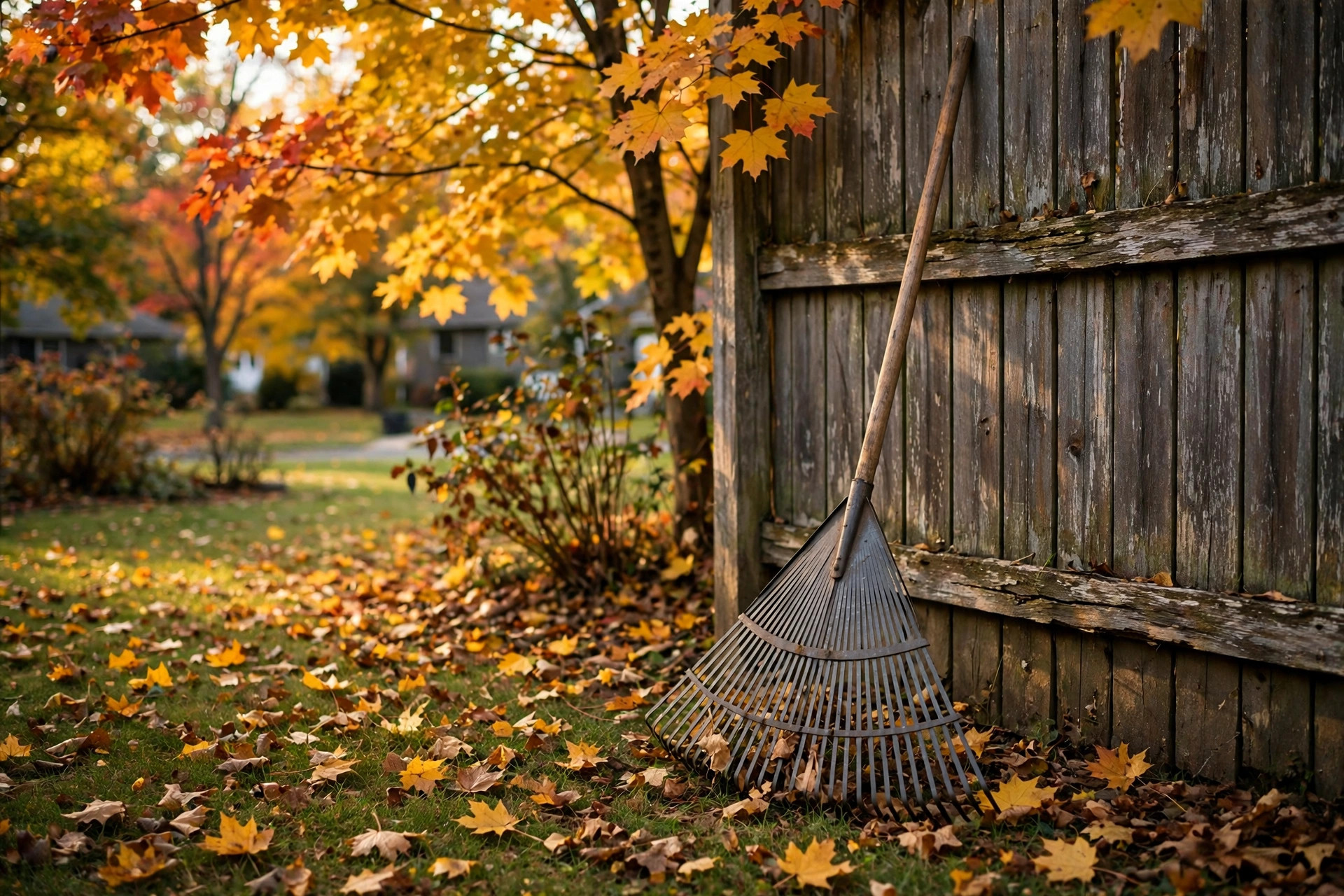

Every autumn, the leaves come down by the thousand. A good rake turns a long chore into steady work. A poor rake turns it into a sore back. This guide to the best garden rake for leaves reviews the main types, what to look for in a tool you may use for decades, and how to choose one that fits your yard. The advice is plain and practical. It draws on long-standing garden practice, not on passing fashion.
Why the Right Leaf Rake Matters
Leaves look harmless. In bulk, they are not. A thick mat of wet leaves can smother grass and invite disease. It can clog drains and stain patios. Clearing them is one of the basic duties of yard care, and the tool you use shapes the job.
A leaf rake is built for a different task than a garden rake. A garden rake has short, stiff metal teeth. It levels soil and spreads gravel. A leaf rake has long, flexible tines that fan out from the head. The tines slide over grass and glide across pavement. They gather leaves without tearing up turf. If you have ever tried to rake a lawn with a soil rake, you know the difference. The soil rake digs in. The leaf rake floats.
Comfort matters because the work takes time. A quarter-acre yard with mature trees can hold an hour or more of raking each weekend through the fall. A rake with the right handle length lets you work standing upright. A head that is too narrow makes the job drag. A head that is too wide tires your arms. The best garden rake for leaves reviews often begin with this balance between width and weight.
What to Look for When You Choose: Best Garden Rake for Leaves Reviews
Tine Material
Tines come in three common materials. Bamboo tines are light and quiet. They flex well on grass and cost little. They break faster than metal and do not suit wet, heavy piles. Plastic or poly tines are common in mid-priced rakes. They resist rust, bend without snapping, and clean easily. They can lose their shape in summer heat if left in the sun. Steel spring tines are the workhorse choice. They are stiff, fast, and durable. They ring against pavement and can scratch decks and patios if you press hard.
For most home lawns, plastic or steel spring tines are the sound choice. Bamboo is a fine budget option for light leaf fall on small lots. Garden guides from The Spruce and Bob Vila often rank poly and spring-tine rakes at the top for ordinary suburban yards.
Head Width
Leaf rake heads run from about 22 inches to 36 inches wide. A wider head covers more ground with each pull. A narrower head is easier to steer around shrubs and fence posts. For an open lawn, a 30 to 36 inch head moves leaves fast. For a yard full of beds, trees, and tight corners, a 22 to 26 inch head gives better control. Many homeowners keep a wide rake for the lawn and a narrow one for the beds. Both are cheap tools.
Handle Length and Material
The handle should let you rake without stooping. Most handles run from 48 to 63 inches. Taller users need the longer end of that range. A handle that is too short forces you to bend at the waist, which is where back pain starts. Wood handles feel warm in the hand and absorb some shock. Fiberglass handles are lighter and do not rot. Aluminum handles are the lightest of all but can feel cold and thin. Some rakes have a cushioned grip. It is a small comfort that counts over a long session.
Weight
A leaf rake should feel almost weightless when you lift it. Good models weigh between one and two pounds. Weight matters because you lift and swing the tool hundreds of times in a session. An extra pound in the head adds up fast. Test the balance in the store if you can. Hold the rake as if you were working. The head should feel light at the end of the handle, not heavy and dead.
Types of Leaf Rakes
Standard Fan Rakes
The fan rake is the classic leaf tool. Its tines spread in a wide fan, often 24 to 30 inches across. It gathers leaves from lawns, patios, and driveways with equal ease. Most of the best garden rake for leaves reviews award their top marks to a well-made fan rake with spring-steel or poly tines. It is the tool to buy if you own only one.
Shrub and Under-Tree Rakes
These are narrow rakes, sometimes only 8 to 12 inches wide, with a long handle. They slide under low shrubs and between tight plantings where a full-size head cannot go. They are a specialty tool, not a main rake. If your beds collect leaves every year, one is worth the small price.
Adjustable-Width Rakes
Some rakes let you squeeze the head narrower or spread it wide with a sliding collar. They combine a lawn rake and a shrub rake in one tool. The moving parts add weight and can loosen over time. Reviews from sources like Consumer Reports tend to favor fixed-head rakes for durability, but adjustable models suit small storage spaces where one tool must do two jobs.
No-Clog and Specialized Heads
A few makers sell rakes with tines shaped to shed leaves instead of trapping them. These “no-clog” designs work well on wet, matted leaves. They cost more and are harder to find. For most buyers, a standard fan rake with the right width does the job.
You may also see leaf scoops, which are large plastic claws worn on the hands, sold alongside rakes. They do not replace a rake. They are a partner to it: rake the leaves into a pile, then scoop the pile into bags or a cart. Wear gloves for thorn protection when you handle rough piles, since hidden twigs and rose prunings often lurk inside.
Cost and Price
Leaf rakes are among the cheapest yard tools you can buy. Prices in the United States fall into three bands.
Budget rakes cost about 12 to 20 dollars. They usually have bamboo or thin plastic tines and a wood handle. They work well for a season or two of light use. They are a sensible choice for renters and small yards.
Mid-range rakes cost about 20 to 40 dollars. This is where most of the best values sit. You get poly or spring-steel tines, a fiberglass or aluminum handle, and a comfortable grip. A mid-range rake from an established maker can last ten years or more of seasonal use. Retailers such as Home Depot stock a wide range in this band, and it is easy to compare models side by side.
Premium rakes cost 40 dollars and up. They offer replaceable tines, ergonomic handles, and pro-grade steel. They suit large properties and heavy yearly leaf fall. For the average suburban lawn, a premium rake is a luxury, not a need.
Price does not always track quality. Read buyer reviews, but weigh them with care. A one-star review may describe a shipping problem rather than a tool problem. A five-star review written after one use tells you nothing about durability. Look for reviews that describe a full season of use.
Care and Upkeep
A leaf rake needs little care, but a few habits extend its life for years.
Clean the head after each use. Wet leaves pack between the tines and hold moisture against the metal or plastic. A quick shake and a rinse with the hose does the job. Let the rake dry before you hang it.
Hang it, do not lean it. Leaning a rake against a wall bends the tines at the tips over time. A nail or a hook on the shed wall keeps the head off the floor and the tines straight. Tool storage guides from Family Handyman show simple wall racks that hold a whole set of long-handled tools in a few feet of space.
Keep it out of the sun. Plastic and poly tines soften and warp in long heat. Wood handles crack and splinter. Store the rake in the shed or garage, not against the fence.
Check the tines each fall. Bent steel tines can be straightened by hand. A cracked plastic tine should be replaced before it snaps mid-season. Some makers, such as Corona Tools and Fiskars, sell replacement heads or tines for their better models. This is one mark of a tool worth keeping.
Oil wood handles once a year. A thin coat of linseed oil keeps the wood from drying out. It takes five minutes and doubles the handle’s life.
Safety
Raking is gentle work, but it still injures people each year. Most injuries are back strains from long sessions with poor posture. Keep your back straight and let your arms do the pulling. Switch your lead hand every few minutes to spread the load. Take a break every twenty or thirty minutes on heavy days.
Watch your footing on wet leaves. A slick pile on a slope can send you down fast. Rake downhill toward you, never uphill away from you.
Be careful with hidden objects. Piles of leaves hide sticks, wire, and glass. Wear sturdy gloves and boots. Keep children and pets clear of large piles until you have checked what is inside them.
If you bag leaves, do not overload the bags. Wet leaves are heavy. A full paper bag can weigh forty pounds or more. Fill bags halfway on wet days and carry them by the top, not hugged against your body.
Frequently Asked Questions
What is the best type of rake for leaves on a lawn?
A fan rake with flexible tines is the standard choice for lawns. Spring-steel tines move fast on dry leaves. Poly tines are gentler on turf and resist rust. A head about 26 to 30 inches wide suits most suburban lawns.
Can I use a garden rake for leaves?
You can, but it works poorly. A garden rake has short, rigid teeth meant for soil. It digs into grass and moves leaves slowly. A leaf rake does the job in half the time with less damage to the lawn. If you also tend beds, a garden trowel for planting is a better second tool than a soil rake.
How wide should a leaf rake be?
Match the width to the yard. Open lawns favor wide heads of 30 inches or more. Yards with many beds, trees, and corners favor narrower heads of 22 to 26 inches. When in doubt, a 26-inch head is the most versatile single choice.
Are expensive leaf rakes worth it?
For most homeowners, no. The sweet spot is the mid-range: 20 to 40 dollars for poly or steel tines and a fiberglass handle. Premium rakes pay off only for large properties or for users who rake commercially.
How long should a leaf rake last?
A well-kept mid-range rake lasts eight to twelve years of seasonal use. Store it hung up, keep it dry, and replace worn tines. Budget bamboo rakes last one to three seasons. If your soil is hard clay and you also do bed work, note that a garden fork for clay soil takes the abuse that would break a leaf rake.
Should I rake wet leaves or wait for them to dry?
Dry leaves are lighter and move faster. Wet leaves mat down and stick to the tines. If you must rake wet leaves, work in thin layers and clear the tines often. A no-clog head design helps, but patience helps more.
A Short Final Word
The best garden rake for leaves reviews all point to the same conclusion. Buy a simple tool that fits your body and your yard. Check the tine material, the head width, and the handle length before you check the price tag. Keep it clean, hang it dry, and it will serve you for many autumns. Suppliers such as Gardener’s Supply and Burpee carry dependable models, and the advice above will help you judge any rake you pick up, in any store, for years to come.
References
Bob Vila. (n.d.). Home improvement advice. https://www.bobvila.com Burpee. (n.d.). Seeds, plants, and gardening supplies. https://www.burpee.com Consumer Reports. (n.d.). Product reviews and ratings. https://www.consumerreports.org Corona Tools. (n.d.). Garden and landscape tools. https://www.corona-tools.com Family Handyman. (n.d.). DIY home repair and maintenance. https://www.familyhandyman.com Fiskars. (n.d.). Garden and cutting tools. https://www.fiskars.com Gardener’s Supply Company. (n.d.). Gardening tools and supplies. https://www.gardeners.com The Home Depot. (n.d.). Home improvement products. https://www.homedepot.com The Spruce. (n.d.). Home and garden advice. https://www.thespruce.com
Was this guide helpful?

About Sarah Mitchell
The My Garden US editorial team writes practical, in-depth home and garden guides for American homeowners — tested advice, no fluff.
You May Also Like

Cold Frame Plans for DIY Builders: A Practical Guide to Designing and Building Your Own
October 4, 2026 1 views
Raised Garden Bed on Legs Reviews: What Real Gardeners Say
January 20, 2026 0 views
How to Prune Apple Trees in Winter
February 24, 2026 0 views