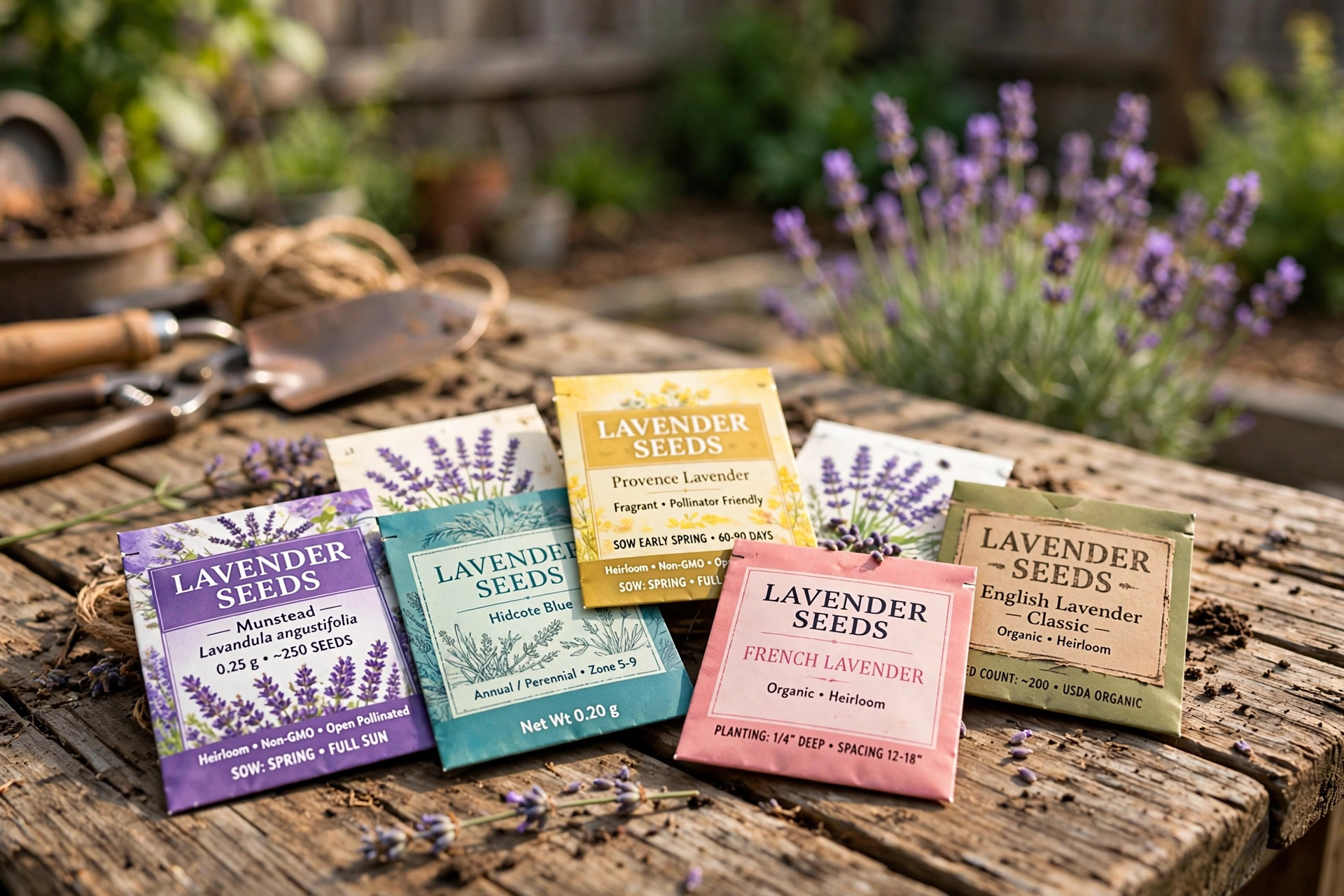

Lavender is one of the most loved garden plants in America. Its purple flowers, sweet scent, and soft gray-green leaves make it a favorite in beds, borders, and pots. Many gardeners start lavender from seed because it is far cheaper than buying plants. A single packet can hold dozens of future plants. When you search for lavender seed packets deals near me, you want more than a low price. You want fresh seed, the right variety for your climate, and a store you can trust. This guide will help you find those deals and make good use of them.
Why It Matters
Lavender seed is not like vegetable seed. It is slower to sprout. It can be picky about soil and moisture. An old packet, or the wrong species for your zone, can give you nothing at all. That is why the deal matters. A packet sold at half price is a poor bargain if the seed inside will not grow.
Buying seed near you has real benefits. Local garden centers and nurseries carry packets suited to your region. Their staff can tell you which lavender does well in your soil and your winters. You can also check the packet date with your own eyes. Fresh seed, packed for the current season, sprouts far better than old stock. When you look for lavender seed packets deals near me, keep quality in view at all times.
There is also the simple joy of choice. Online stores offer huge lists, but a local shop lets you hold the packets, read the fine print, and compare prices side by side. Many shoppers enjoy that. They like to talk with people who know the plants. A good deal feels better when you can see what you are buying.
What to Look for When Choosing Lavender Seeds: Lavender Seed Packets Deals near Me
Not all lavender seed is the same. A little care at the shop will save you work later.
Seed Freshness and Germination Rate
Check the pack date. Seed houses print a “packed for” year on the packet. Buy seed packed for the current year. Lavender seed stays alive for a few years, but fresh seed sprouts best. Some packets list a germination rate. A rate above 70 percent is good. If no rate is listed, trust a known seller. Catalog houses like Park Seed and Burpee test their seed each year and stand behind it.
Species and Variety
Know the three main kinds of lavender sold as seed. English lavender, Lavandula angustifolia, is the hardiest. It survives cold winters and gives the finest scent. French lavender, Lavandula dentata, is less hardy but pretty, with fringed leaves. Spanish lavender, Lavandula stoechas, has showy flower heads that look like little flags. It does best in warm places.
Your local zone decides which kind to buy. In the north, English lavender is the safe pick. In the deep south and the southwest, the other kinds may do better. Guides like Gardening Know How and The Spruce have clear notes on which lavender suits each region.
Organic and Untreated Options
Some gardeners want seed that is untreated. Treated seed is coated with a fungicide to stop rot. Untreated seed has no coating. Organic seed comes from plants grown without synthetic sprays. If you plan to use your lavender in cooking or tea, untreated or organic seed is the wiser choice. If you are hunting for lavender seed packets deals near me, you can often find organic herb seed on sale at the same local shops; see our notes on organic herb seeds deals near me for more ideas.
Where to Find Deals Near You
Start close to home. Small shops often have the best service and the freshest stock.
Local nurseries and garden centers. These shops are your best bet. They order seed for your area. They mark down last season’s packets in late summer. Ask the staff when clearance begins. Many nurseries put out a bargain rack in August and September.
Big box stores. Large home stores carry racks of seed from national brands. Prices are low, and spring sales can drop them further. Check the pack date, since big racks sometimes hold older stock.
Hardware stores and farm supply shops. These stores serve rural buyers and often carry bulk or value packs. A farm supply shop may sell larger packets at a lower price per seed.
Farmers markets and plant sales. Local growers sometimes sell seed they saved themselves. This seed is well suited to your area. Plant society sales in spring are another good source.
Seed libraries. Many public libraries now lend seed. You take a packet, grow it, and return saved seed in the fall. It costs nothing, and the seed is local. Ask your librarian if such a program exists near you.
End-of-season clearance. The deepest discounts come at the end of the planting season. Seed that is packed for this year may be marked down 50 percent or more in late summer. Buy it then and store it in a cool, dry place. It will still be fine next spring.
Before you drive out, call ahead. Ask if they have lavender seed in stock and what the price is. A quick call saves a wasted trip.
Types of Lavender Seed Packets
Packets come in a few common forms. Knowing them helps you judge a deal.
Standard packets. These hold 50 to 200 seeds. They cost the least and suit most home gardeners. One packet can fill a small bed if most seeds sprout.
Value or jumbo packs. Some brands sell larger packs at a better price per seed. These suit gardeners who want a hedge or a long row of lavender. Compare the price per seed, not just the price per packet.
Seed tape and pellets. Seed tape spaces the seeds for you. Pellets coat tiny seeds so they are easier to handle. These cost more. They are handy for beginners but not needed for lavender, whose seeds are easy to see.
Collections and mixes. Some packets hold a mix of lavender types. Mixes are fun for color, but they make care harder, since the kinds may want different things. For a first planting, a single named variety is better. Our lavender seed packets buying guide usa walks through single-variety choices in more depth.
Cost and Price
Lavender seed is cheap. A standard packet usually costs between two and five dollars. Value packs run five to ten dollars. During clearance, prices can fall to one dollar or less.
Compare the cost per seed. A three-dollar packet with 100 seeds costs three cents a seed. A six-dollar jumbo pack with 400 seeds costs half as much per seed. If you need many plants, the bigger pack is the better deal.
Watch for hidden costs. Cheap seed that fails to sprout costs you a season. A slightly dearer packet from a tested seller, such as Gurney’s or White Flower Farm, may give far more plants. If you are comparing local prices with mail order, also check our lavender seed packets for sale usa page for national price ranges.
Coupons and store programs help too. Many garden centers have loyalty cards or spring coupon books. Some offer a discount if you buy five packets or more. It never hurts to ask.
How to Grow Lavender From Seed
A deal is only good if the seed grows. Lavender needs a little patience, but the steps are simple.
Start indoors. Sow seed 8 to 12 weeks before your last frost. Use a seed-starting mix, not garden soil. Press the seeds lightly onto the surface. Lavender seed needs light to sprout, so do not bury it deep. Mist the surface to wet it.
Give warmth and light. Lavender sprouts best near 70 degrees. A sunny window or a simple shop light works well. Keep the light close to the trays, just a few inches above them. Seeds may take two to four weeks to sprout. Do not give up too soon.
Water with care. Keep the mix damp, never soggy. A spray bottle is better than a watering can. Too much water rots the seeds. Good air flow helps too. A small fan set on low keeps the air moving.
Transplant gently. When seedlings have two sets of true leaves, move them to small pots. Handle them by the leaves, not the stems. Grow them on until all frost danger has passed.
Plant in sun and poor soil. Lavender loves full sun and well-drained soil. It dislikes rich, wet ground. Sandy or gravelly soil is ideal. Space plants 12 to 18 inches apart so air can move between them.
Water little once set. After the first season, lavender needs little water. In most places, rain is enough. Overwatering is the most common cause of failure.
The Old Farmer’s Almanac planting calendar can tell you the right sowing dates for your town. Enter your zip code and it gives you frost dates and timing tips.
Care and Upkeep
Once your plants are in the ground, care is light.
Prune after flowering. Cut back the spent flower stems, but do not cut into the old woody base. Lavender does not regrow well from old wood. A light trim keeps the plant full and neat.
Feed sparingly. Lavender needs almost no fertilizer. A thin layer of compost in spring is plenty. Too much food makes soft growth that flops and rots.
Watch for winter wet. Cold is less of a threat than wet soil. In heavy clay, plant on a mound or in a raised bed. Mulch with gravel, not bark, so the crown stays dry.
Divide or replace old plants. Lavender lives about ten years. When the center turns woody and bare, it is time for new plants. Your saved seed can start the next row.
Pests are few. Deer and rabbits leave lavender alone. Its scent drives off many insects. That is one more reason gardeners love it.
Safety
Lavender is safe for most homes, but a few cautions apply.
Some seed is treated with fungicide. The packet will say so. If you plan to eat the flowers or make tea, buy untreated or organic seed. Wash your hands after handling treated seed, and keep it away from children and pets.
Lavender oil and strong plant matter can upset pets if eaten in large amounts. The ASPCA lists lavender as toxic to cats, dogs, and horses when eaten. A garden bed is fine, but keep curious pets from chewing the plants. Place pots where small animals cannot reach them.
When you buy from a local shop, ask whether the seed is treated. The staff should know. If the packet does not say, choose another brand. Clear labels are a sign of a good seller.
Frequently Asked Questions
How long does lavender seed take to sprout? Most lavender seed sprouts in 14 to 28 days. Some packets take longer. Keep the soil warm, near 70 degrees, and give the seeds light. Do not bury them deep.
Can I sow lavender seed straight into the garden? You can, but indoor sowing works better. Outdoor sowing is risky because the seed needs steady warmth and moisture. If you sow outside, wait until the soil is warm and keep the bed damp until sprouts appear.
Is it cheaper to buy seed or plants? Seed is much cheaper. One packet costing three dollars can grow dozens of plants. A single potted lavender plant often costs eight to fifteen dollars. Seed takes more time, but the savings are large.
When is the best time to find deals on seed packets? Late summer and early fall bring the deepest discounts. Stores clear out this year’s seed to make room for new stock. Spring also has sales, often around major planting weekends. Sign up for store flyers so you hear about them.
How should I store seed I buy on clearance? Keep it cool and dry. A sealed jar in the refrigerator works well. Add a small packet of silica gel if you have one. Stored this way, lavender seed stays good for two to three years.
Which lavender is best for beginners? English lavender, Lavandula angustifolia, is the best first choice for most of the country. It is hardy, fragrant, and forgiving. Try a variety like Munstead or Hidcote, which are widely sold and well tested. Breeders such as Proven Winners and growers like Monrovia offer notes on hardy varieties if you want to read more.
A Final Word
Finding lavender seed packets deals near me is easy once you know where to look. Start with local nurseries and garden centers. Check big box stores and farm supply shops. Watch for end-of-season clearance and ask about loyalty discounts. Always check the pack date and choose a variety that suits your climate. A little care at the shop leads to a garden full of scent and color. Happy planting.
References
Burpee. (n.d.). Seeds, plants, and gardening supplies. https://www.burpee.com Gardening Know How. (n.d.). Gardening guides and plant care. https://www.gardeningknowhow.com Gurney’s Seed & Nursery Co. (n.d.). Seeds, plants, and garden supplies. https://www.gurneys.com Monrovia. (n.d.). Plants for home gardens. https://www.monrovia.com Park Seed. (n.d.). Seeds, plants, and gardening supplies. https://www.parkseed.com Proven Winners. (n.d.). Plants and gardening inspiration. https://www.provenwinners.com The Old Farmer’s Almanac. (n.d.). Gardening calendars and advice. https://www.almanac.com The Spruce. (n.d.). Home and garden advice. https://www.thespruce.com White Flower Farm. (n.d.). Plants, bulbs, and garden supplies. https://www.whiteflowerfarm.com
Was this guide helpful?

About Lisa Anderson
The My Garden US editorial team writes practical, in-depth home and garden guides for American homeowners — tested advice, no fluff.
You May Also Like
Daffodil Bulb Packs for Texas Homes USA: A Plain Guide
August 27, 2026 0 views
Air Plants Bulk for Sale USA: A Complete Buyer’s Guide
February 13, 2026 0 views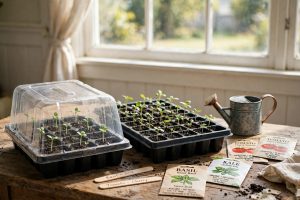
Seed Starting Trays Deals Near Me: Where to Find the Best Prices
April 22, 2026 0 views