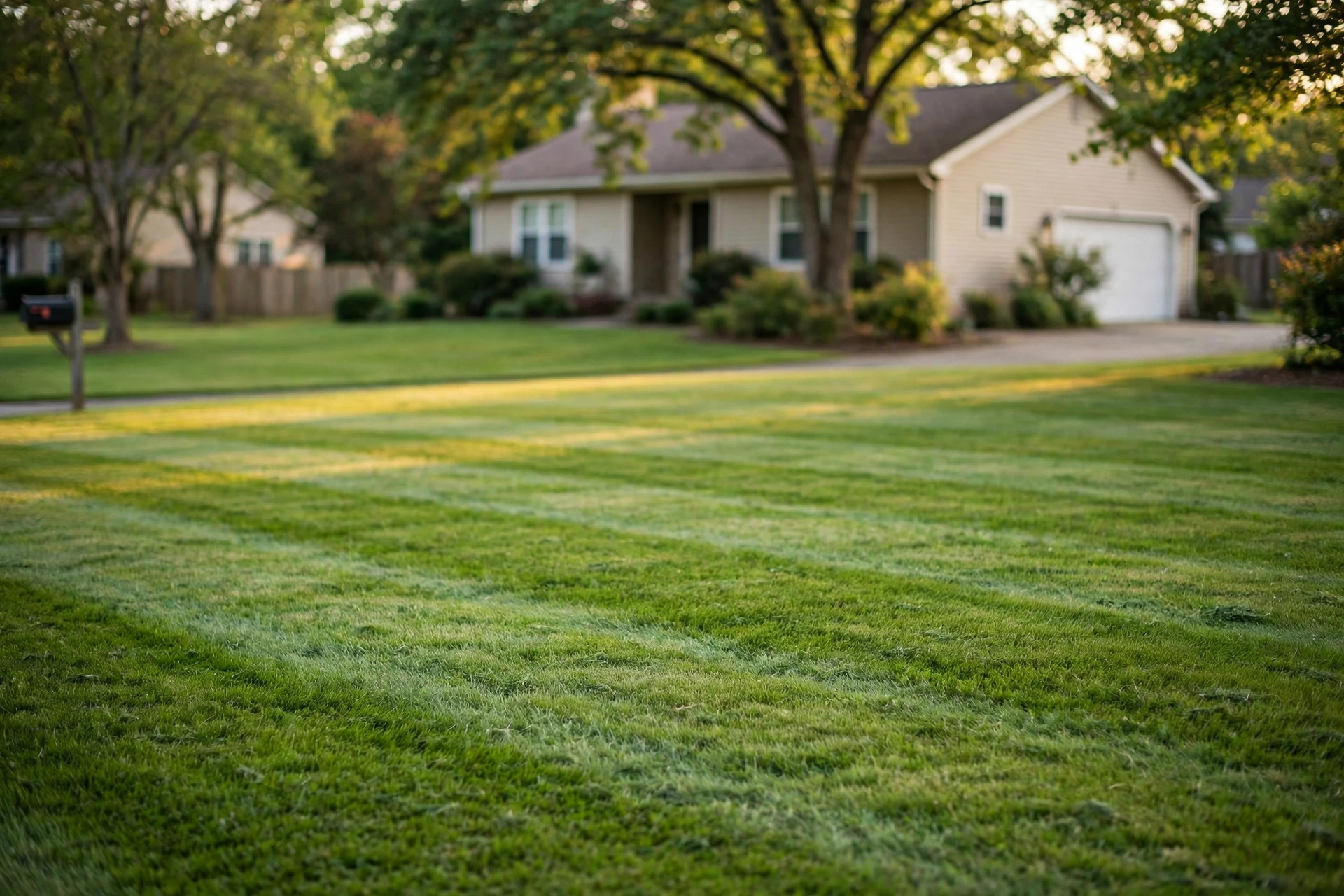

Most people who search for affordable lawn care plans near me want the same thing. They want a green, neat yard. They do not want to pay too much for it. A good lawn care plan can save time and money. It can also save a lawn from weeds, brown spots, and thin grass.
This guide explains what lawn care plans cost. It shows what services they include. It tells you how to compare companies. It also gives tips for keeping costs down without hurting your yard.
Why Affordable Lawn Care Plans Matter
A lawn is a living thing. It needs food, water, and care on a schedule. When care is missed, weeds move in fast. Crabgrass, dandelions, and clover can take over a yard in one season.
Many homeowners try to do everything alone. They mow on weekends. They spread fertilizer when they remember. But lawns do better with a steady plan. A plan gives the grass what it needs at the right time of year. That is what affordable lawn care plans near me searches are really about. People want a set schedule that fits their budget.
A planned service also costs less than fixing a ruined lawn. Killing a yard full of weeds and starting over can cost hundreds of dollars. Regular feeding and weed control cost far less over time. Hiring help for the hard jobs can even be cheaper than buying the tools yourself. For example, aeration machines are costly to own, and many people check lawn dethatcher rental prices near me before they decide whether to rent or hire.
There is another reason plans matter. A neat lawn raises the value of a home. Real estate agents say that curb appeal matters to buyers. A green front yard gives a good first view. It tells buyers the home is cared for.
What Affordable Lawn Care Plans Usually Include: Affordable Lawn Care Plans near Me
Most plans bundle a set of visits across the year. The number of visits depends on the region and the company. In warm states, companies may visit eight to ten times a year. In cooler states, five to seven visits are common.
A basic plan often includes the following:
– Fertilization. The company spreads food for the grass several times a year. Spring feeding wakes the lawn up. Fall feeding helps roots grow deep. – Weed control. Pre-emergent products stop weed seeds in spring. Post-emergent sprays kill weeds that are already up. – Grub control. Grubs eat grass roots. One treatment a year can stop them. – Lime applications. Some soils are too acidic. Lime brings the soil back into balance.
Higher priced plans may add extras. These can include aeration, overseeding, disease treatment, and pest control. Aeration pulls small plugs of soil out of the ground. This lets air, water, and food reach the roots. Overseeding spreads new grass seed over thin areas. Both jobs help a tired lawn grow thick again.
Note that most plans do not include mowing. Mowing is often a separate service. Some companies sell a full package with mowing included. Always ask what is in the price before you sign.
How to Choose the Right Plan for Your Yard
Not every yard needs the same care. A small city lot and a two acre property are very different jobs. Start by walking your lawn. Look for thin spots, weeds, and bare patches. Note the size of your yard. Companies price by square footage, so knowing the size helps you get fair quotes.
Next, think about what you can do yourself. If you enjoy mowing and edging, you only need a feeding and weed plan. If you want a hands off yard, look for a full service plan. Many people who own their own mowers still hire out the chemical work. The products and timing take knowledge that pros have.
Questions to Ask Every Company
Before you hire anyone, ask these questions:
1. How many visits are in the plan? 2. What products do you use at each visit? 3. Do you offer free service calls if weeds come back? 4. Is there a contract, or can I cancel at any time? 5. Are you licensed and insured in my state?
Good companies answer clearly. They put the plan in writing. They tell you the total yearly cost, not just the price per visit. Be careful of companies that only quote a low price per visit. Six visits at forty dollars each is not the same as eight visits at thirty dollars each. Compare the full year.
Local Versus National Companies
Both local and national firms sell affordable lawn care plans near me results. National companies often have set pricing and strong guarantees. They may come back free if a problem returns. Local companies often know the grass types and soil in your area better. They may give more personal service.
Get quotes from both kinds. Many homeowners get three quotes before they decide. A short phone call or an online quote form is usually all it takes.
Types of Lawn Care Plans and Options
Basic Feeding and Weed Control
This is the most common plan. It covers fertilizer and weed control through the growing season. It suits lawns that are in fair shape and need steady care. Prices are the lowest of all full plans.
Premium Plans with Aeration and Seeding
These plans add aeration and overseeding in the fall. They suit lawns that are thin, worn, or full of weeds. The extra work costs more, but it rebuilds the lawn over one or two seasons. Homeowners with larger yards sometimes pair these plans with their own equipment. A robot lawn mower for half acre yards can handle weekly cutting while the plan handles feeding and weeds.
One Time and Seasonal Services
Not everyone wants a year round plan. Some people hire one time jobs. Spring cleanup, fall aeration, and grub treatment are popular single visits. These can be a smart choice if your lawn is mostly healthy and you handle the rest yourself.
Do It Yourself with Store Products
Buying your own fertilizer and weed killer is the cheapest route. It takes time and learning. You must follow label rates. Too much fertilizer can burn the grass. Mistakes with weed killer can harm flower beds. If you go this route, a top rated string trimmer for thick weeds is one of the most useful tools you can own. It clears edges and thick spots that the mower misses.
Many families mix both approaches. They hire a company for feeding and weed control. They mow and trim on their own. This middle path keeps the cost low and the results high.
Cost and Price: What to Expect
Prices for affordable lawn care plans near me searches vary by region and yard size. Still, there are common ranges that hold true across much of the country.
For a typical quarter acre suburban lot, a basic plan often runs between 200 and 400 dollars per year. That covers five to seven visits. Larger lots of half an acre or more may run 400 to 700 dollars per year. Premium plans with aeration and seeding can add 150 to 300 dollars to those numbers.
Watch for added fees. Some companies charge extra for the first visit if the lawn is in bad shape. Some add a fuel or service fee. Ask for the total out the door price.
Ways to lower the cost include the following:
– Prepay for the season. Many companies give a discount of five to ten percent for paying the full year up front. – Bundle services. Adding mowing or pest control to the same plan can lower the per visit price. – Start in the fall. Fall is the best time to feed cool season lawns. Some companies offer deals to fill their fall schedule. – Keep your lawn in good shape. A healthy lawn needs fewer rescue visits. Regular mowing at the right height helps the grass crowd out weeds.
Remember that the cheapest plan is not always the best deal. A very low price may mean fewer visits or weak products. Compare what each visit includes. A fair price for a full season of care beats a cheap plan that leaves weeds behind.
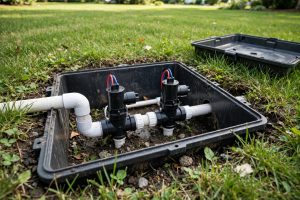
If your budget is tight, ask about seasonal extras separately. Water is a big part of lawn health. An affordable lawn sprinkler installation cost estimate can help you decide whether a system pays for itself in time and water saved.
Care and Upkeep Between Visits
A lawn care plan does the feeding and weed work. You still need to care for the grass between visits. These simple habits make any plan work better.
Mow high. Set the mower to cut no more than one third of the blade at a time. Taller grass shades the soil and keeps weed seeds from sprouting. Three to three and a half inches is a good height for most grass types.
Water deep, not often. One deep watering per week is better than light daily sprinkles. Aim for about one inch of water. A rain gauge or an empty tuna can on the lawn tells you when you have hit one inch.
Sharpen the mower blade. A dull blade tears the grass. Torn tips turn brown and invite disease. Sharpen the blade once or twice a year. Many mower makers give care tips on their sites, such as Toro and John Deere.
Leave the clippings. Short clippings break down fast and feed the soil. This is called grasscycling. It cuts the need for extra fertilizer.
Clean up leaves in fall. Thick leaves block light and trap moisture. That breeds disease. Mulch light leaves with the mower. Rake heavy layers.
These steps cost almost nothing. They make the paid plan far more effective.
Safety Tips for Lawn Treatments
Lawn products are safe when used as directed. Still, take care around children and pets. Ask the company to flag treated areas. Keep pets off the lawn until sprays dry. This usually takes one to two hours.
If you apply products yourself, read the whole label first. Wear gloves and long sleeves. Keep bags closed and stored up high, away from children. Never spread products on a windy day. Drift can reach gardens and ponds.
Choose the right product for your grass type. A product made for warm season grass can harm cool season grass. When in doubt, ask the store staff or the lawn company. Product safety guides from makers like Briggs and Stratton cover their engine equipment, and consumer guides at Consumer Reports can help compare products.
Frequently Asked Questions
How much do affordable lawn care plans near me usually cost?
For a typical suburban yard, expect 200 to 400 dollars per year for a basic plan. Larger yards cost more. Premium plans with aeration and seeding add to the total. Always compare the full yearly price, not just the per visit price.
Are lawn care plans worth the money?
For most homeowners, yes. A steady plan keeps weeds out and grass thick. It often costs less than fixing a damaged lawn later. It also saves the time you would spend learning products and timing on your own.
Can I cancel a lawn care plan?
Most plans allow cancellation. Some ask for thirty days notice. A few lock you in for a season. Read the terms before you sign. Choose a company that lets you cancel without a fee.
Do lawn care plans include mowing?
Usually not. Most plans cover feeding, weed control, and related treatments. Mowing is often sold as a separate service. Some companies offer combined packages. Ask for a clear list of what is included.
When is the best time to start a plan?
Early spring is ideal for most regions. Pre-emergent weed control goes down before weed seeds sprout. Fall is the next best start, since fall feeding builds strong roots. A company can also start mid season if your lawn needs help now.
Will treatments harm my pets or children?
Treatments are safe once dry. Keep children and pets off the lawn for the time the label or the company states. Most companies place small flags on treated lawns as a reminder.
A Final Word
Finding affordable lawn care plans near me does not have to be hard. Know your yard size. Decide what you can do yourself. Get three quotes. Compare the full year of service, not just one visit. Pick a company that answers your questions in plain words.
A lawn improves with steady care. Feed it, water it, and keep weeds out on time. Do that year after year, and your yard will be the green one on the block. That is money well spent.
References
Briggs & Stratton. (n.d.). Outdoor power equipment and engines. https://www.briggsandstratton.com Consumer Reports. (n.d.). Product reviews and ratings. https://www.consumerreports.org Deere & Company. (n.d.). Lawn and garden equipment. https://www.deere.com Toro. (n.d.). Lawn care and landscape equipment. https://www.toro.com
Was this guide helpful?

About Jennifer Lee
The My Garden US editorial team writes practical, in-depth home and garden guides for American homeowners — tested advice, no fluff.
You May Also Like
Pre Emergent Weed Killer Application Timing Guide
May 8, 2026 2 views
Best Cordless Pole Saw for Limbs: A Homeowner’s Guide
February 2, 2026 0 views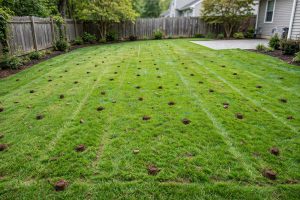
Lawn Aeration vs Dethatching: Which One Comes First?
June 29, 2026 0 views