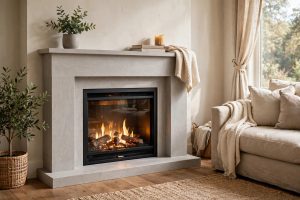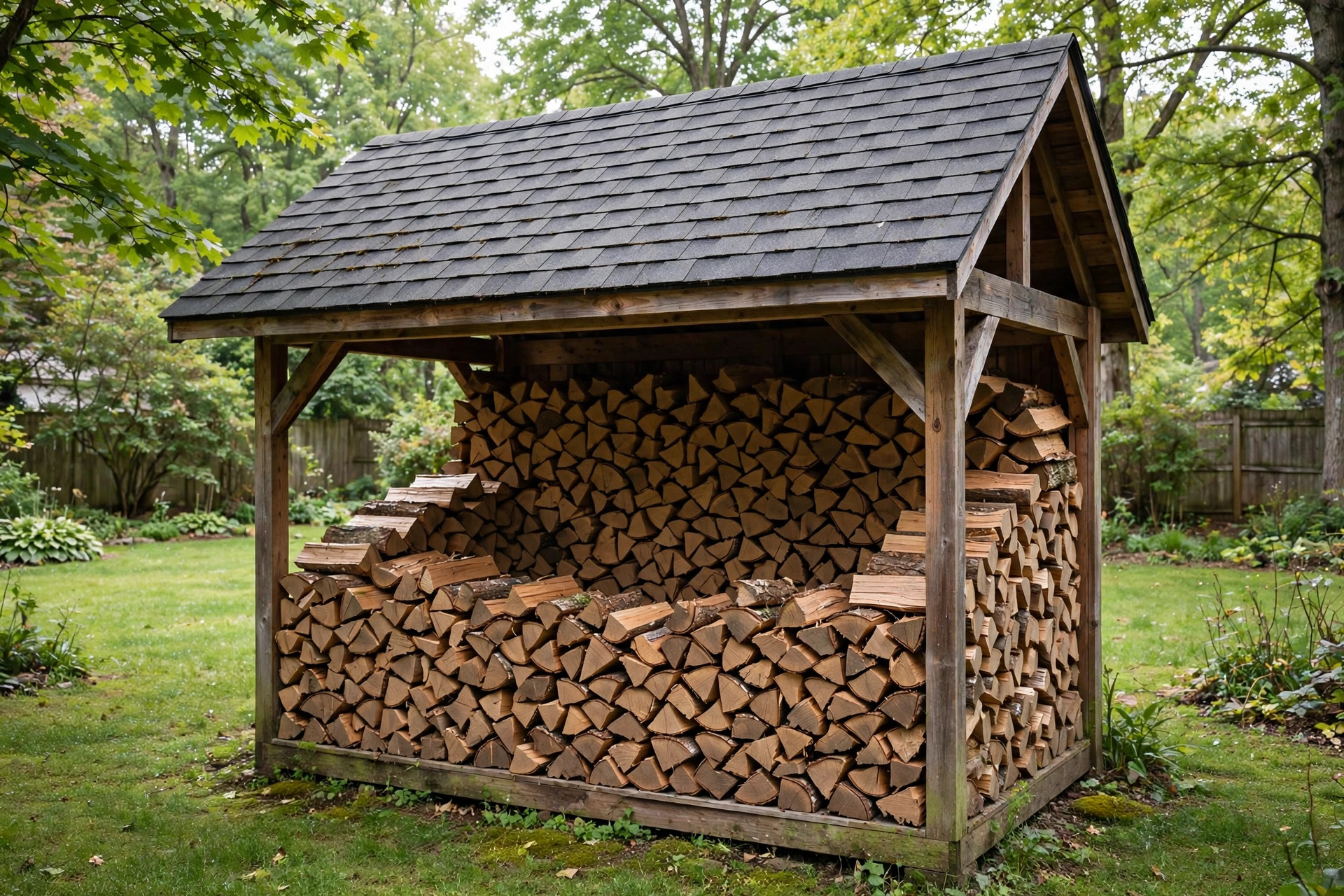

If you heat with a wood stove or fireplace, dry wood is the whole game. This top rated outdoor firewood storage sheds buying guide will show you how to pick a shed that keeps your wood dry through rain and snow. The right shed saves work, saves money, and makes your fire burn better.
Why a Firewood Shed Matters
Wet wood burns poorly. It hisses, smokes, and gives little heat. It also builds up tar in the chimney, which is a fire hazard. Dry wood lights fast, burns hot, and heats the house with less wood per week.
A good shed keeps rain and snow off the stack. It lifts the wood off the ground so the bottom logs do not rot. It also lets air move through the stack so the wood dries faster. Many homeowners learn this the hard way after one wet winter. They burn twice the wood for half the heat. A shed solves that problem for a small price.
A shed also keeps the yard neat. A pile under a tarp looks rough and holds water in the folds. Tarps tear in the wind and blow across the lawn. A shed stays put and looks like it belongs.
What to Look for When You Buy: Top Rated Outdoor Firewood Storage Sheds Buying Guide
Size and Capacity
Start with how much wood you burn. A family that heats with wood all winter may burn four to six cords. A cord is a stack four feet high, four feet deep, and eight feet long. A casual fireplace user may burn less than one cord.
Match the shed to your use. A shed that holds one cord works well for weekend fires. A full heating family should look for two cords or more. Some owners buy two smaller sheds and put one near the house and one near the cutting area. That way they carry wood in small loads during the cold months.
Measure your yard before you order. Leave room to walk around the shed with an armload of wood. Leave the door or open side clear. Write the numbers down.
Material and Build
Most sheds are wood, metal, or plastic resin. Each has strengths.
Wood sheds look the best in a garden setting. Cedar and pressure treated pine resist rot for many years. They need stain or sealer every few years. A wood shed can last twenty years with care.
Metal sheds cost less and last a long time. Steel sheds with a coated finish resist rust. They go up fast with simple tools. They can feel hot in summer sun, but that matters little for wood storage.
Resin sheds need the least care. They never rot and never rust. They snap together and hold their color. They cost more up front but ask for nothing after.
Check the weight rating of the floor or the base. Wet wood is heavy. A full cord of green oak can weigh more than two tons. Make sure the floor frame or the ground base can hold the load.
Roof and Drainage
The roof is the most important part. Look for a roof that slopes enough to shed water. A flat roof will hold water and drip through. A deep overhang keeps rain off the front of the stack.
Good sheds sit on skids, pallets, or a raised frame. This keeps the floor dry when the ground is wet. Do not set the shed in a low spot where water collects after rain. A few inches of rise make a big difference.
Airflow
Wood dries through air, not heat. The best sheds have open slats or vents on the sides. Solid walls trap damp air and slow the drying.
Stack the wood loosely in the shed. Leave space between rows. Air must touch the wood. A tight pack dries slow. A loose stack dries fast.
Types of Outdoor Firewood Sheds
Open front sheds are the most common. They have a roof and three walls, with the front open. You can reach the wood without a door. Rain rarely blows in if the overhang is deep enough. These are the best choice for most buyers.
Closed sheds have doors on the front. They protect the wood best in driving rain and deep snow. The doors keep the stack hidden and neat. You must open them to get wood, which takes a few seconds. Make sure the doors have vents or the inside will stay damp.
Lean to sheds attach to a house wall or a garage. They use one existing wall and need less material. They cost less and go up fast. Check local rules before you attach a structure to the house. Some towns have rules about sheds near the property line.
Large walk in sheds hold several cords. They cost more but serve a family that heats all winter. Some have a small door for daily use and a big door for loading in the fall.
For small needs, firewood storage racks hold a quarter to a half cord and fit on a patio. They are not sheds, but they work well for the wood you plan to burn this week.
Cost and Price
Prices run wide. A small open rack shed may cost under one hundred dollars. A mid size wood shed that holds one cord often costs between two hundred and five hundred dollars. A large resin or cedar shed that holds two to four cords can cost eight hundred to two thousand dollars.
Material drives the price. Metal is cheapest. Wood sits in the middle. Resin costs the most but needs no care. Size adds cost too. Delivery and setup may add to the total, so ask before you order.
Think about the long view. A shed that lasts fifteen years costs little per year. Dry wood also burns better, so you burn less of it. Many owners find the shed pays for itself in one or two winters through fuel saved.
Watch for sales in the fall. Stores clear yard items as winter nears. You can also find solid used sheds in local ads. Check the roof and the frame before you buy used. A cheap used shed with a bad roof is no deal.
If your budget is tight, start with a simple open design. You can read more firewood storage shed reviews to compare low cost models before you choose.
Care and Upkeep
A little care keeps the shed working for years. Check the roof each fall. Clear leaves and sticks from the roof. Make sure the slope still drains water away from the stack.
Restain or seal wood sheds every two to four years. This keeps rot and insects out. A small brush and a can of sealer do the job in an afternoon. Metal sheds need a look for rust spots. Touch up any bare spots with paint made for metal.
Keep the floor clear. Sweep out bark and chips in the spring. Do not stack wood tight against the walls. Leave a small gap so air moves. This also keeps insects from moving from the walls into the house.
Rotate your wood. Burn the oldest wood first. Put new wood in the back and take from the front. This keeps the stack fresh and dry. Old wood left at the bottom can rot over time.
Trim grass and weeds around the shed. Plants hold water against the walls. A clear path around the shed keeps the base dry and makes loading easy.
Safety Tips
Keep the shed a safe distance from the house. Most experts say at least thirty feet for a large wood pile. This lowers the fire risk and keeps insects away from the walls of the home. Local rules may set a distance, so check before you build.
Do not stack wood against the house wall. Wood piles near the house draw termites and ants. They can move into the home walls. A shed set away from the house solves this.
Store only seasoned wood near the house for daily use. A small indoor firewood holder is fine for a day or two of wood. Keep the main stock in the outdoor shed.
Never burn treated wood, painted wood, or plywood in the stove. These release harmful fumes. The EPA offers guidance on clean burning and safe wood choices for home heating.
Keep a working smoke alarm and a fire extinguisher in the home. Clean the chimney each year. Dry wood plus a clean chimney is the safest way to heat with wood.
Wear gloves when you load wood. Bark hides splinters and insects. A pair of leather work gloves is all you need.
How to Stack Wood the Right Way
Cut wood to fit your stove before you stack it. Most stoves take sixteen inch logs. Split the logs so no piece is wider than six inches. Small splits dry faster.
Lay the first row on the floor frame, not on bare dirt. Keep the bark side down on the bottom row and bark side up on the top row. The bark acts like a roof shingle and sheds water.
Build rows that run front to back. This lets you see the whole stack and pull wood from the front. Leave a one inch gap between rows for air. Cross stack the ends like a log cabin to hold the rows in place.
Cover the top of the stack inside the shed with nothing extra. The shed roof does the job. Some owners throw a tarp over the top row in open sheds during heavy storms. That works, but take the tarp off when the storm passes so air can move.
Mark the date on new wood with a piece of chalk. Most wood needs six to twelve months to dry. Oak and other hard wood may need a full year or more. Burn only wood that has dried fully. A cheap moisture meter tells you when the wood is ready. Aim for twenty percent moisture or less.
Picking the Best Spot in the Yard
Put the shed where it is easy to reach in winter. You will carry wood in the cold and the dark. A long walk through deep snow gets old fast. Keep the path short and flat.
Face the open side away from the prevailing wind. This keeps rain from blowing in. In most parts of the country, the wind comes from the west or northwest. Face the opening south or east for the best result.
Pick a spot with sun. Sun dries wood even in cold air. A shed in full shade stays damp longer. South facing spots dry the fastest.
Keep the shed off low ground. Water flows to the low spot after every rain. Set the shed on high ground and add gravel under it. Gravel drains water and keeps the base dry.
Check the view from the street.
Frequently Asked Questions
How much wood does a shed hold?
It depends on the size. Small sheds hold a quarter to a half cord. Mid size sheds hold one to two cords. Large sheds hold three to four cords. Check the product listing for the cord rating before you buy. If you are unsure, go one size up. Extra space never hurts.
Do I need a shed if I only burn wood on weekends?
You still need cover, but a small rack or a one cord shed is enough. Weekend burners use less wood, so a small firewood storage rack may do. The wood still needs to stay dry between uses.
Can a firewood shed survive heavy snow?
Yes, if the roof is strong. Check the snow load rating before you buy. A steep roof sheds snow on its own. Brush snow off a flat roof after storms. Metal roofs shed snow well. Wood sheds with strong rafters handle snow fine.
Should the shed have a floor?
A raised floor is best. It keeps wood off wet ground. Some sheds sit on pressure treated skids instead of a full floor. That works too. Do not stack wood right on dirt or grass. The bottom row will rot in one season.
How far should the shed be from the house?
Thirty feet is a good rule for a large pile. Smaller sheds can sit closer, but never stack wood against the house wall. Keep a clear path for loading. If you live in a hot, dry state, a larger gap is safer during fire season. Homeowners in warm states can see outdoor heating options that suit their climate.
What is the best wood to store?
Oak, maple, hickory, and ash burn long and hot. They cost more and take longer to dry. Pine and fir light fast but burn fast. Many owners mix woods. They use soft wood to start the fire and hard wood to keep it going. Store what grows near you. Local wood costs less and dries well in your climate.
A Short Final Word
A firewood shed is a simple buy that pays off every winter. Pick the right size for your needs. Choose a build that fits your budget and your yard. Give the wood air, sun, and a dry roof. Then enjoy hot fires and a neat yard.
The top rated models all share the same traits. They keep water out. They let air in. They hold the load without sagging. Use this guide to compare models with those traits in mind. You will end up with dry wood and a warm house all winter long.
More heating and stove resources and general fireplace product guides can help you plan the rest of your setup. For bigger projects, the home improvement library and do it yourself guides cover sheds, chimneys, and stoves in depth. Retail buying tips appear at major home stores and hardware retailers, while decor and garden ideas can help the shed blend into your yard.
References
Bob Vila. (n.d.). Home improvement advice. https://www.bobvila.com Heatilator. (n.d.). Fireplaces and fireplace products. https://www.heatilator.com Lowe’s. (n.d.). Home improvement products. https://www.lowes.com Napoleon. (n.d.). Fireplaces, grills, and heating products. https://www.napoleon.com The Home Depot. (n.d.). Home improvement products. https://www.homedepot.com The Spruce. (n.d.). Home and garden advice. https://www.thespruce.com This Old House. (n.d.). Home renovation guidance. https://www.thisoldhouse.com U.S. Environmental Protection Agency. (n.d.). Protecting human health and the environment. https://www.epa.gov
Was this guide helpful?

About Lisa Anderson
The My Garden US editorial team writes practical, in-depth home and garden guides for American homeowners — tested advice, no fluff.
You May Also Like
Top Rated Fireplace Hearth Rugs for Midwest Homes: A Buyer’s Guide
April 2, 2026 0 views
Buy Gel Fuel Fireplaces Online in Florida: A Complete Guide
April 30, 2026 0 views
Buy Fireplace Blowers and Fans Online in Texas: A Complete Guide
March 29, 2026 0 views