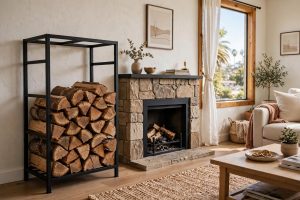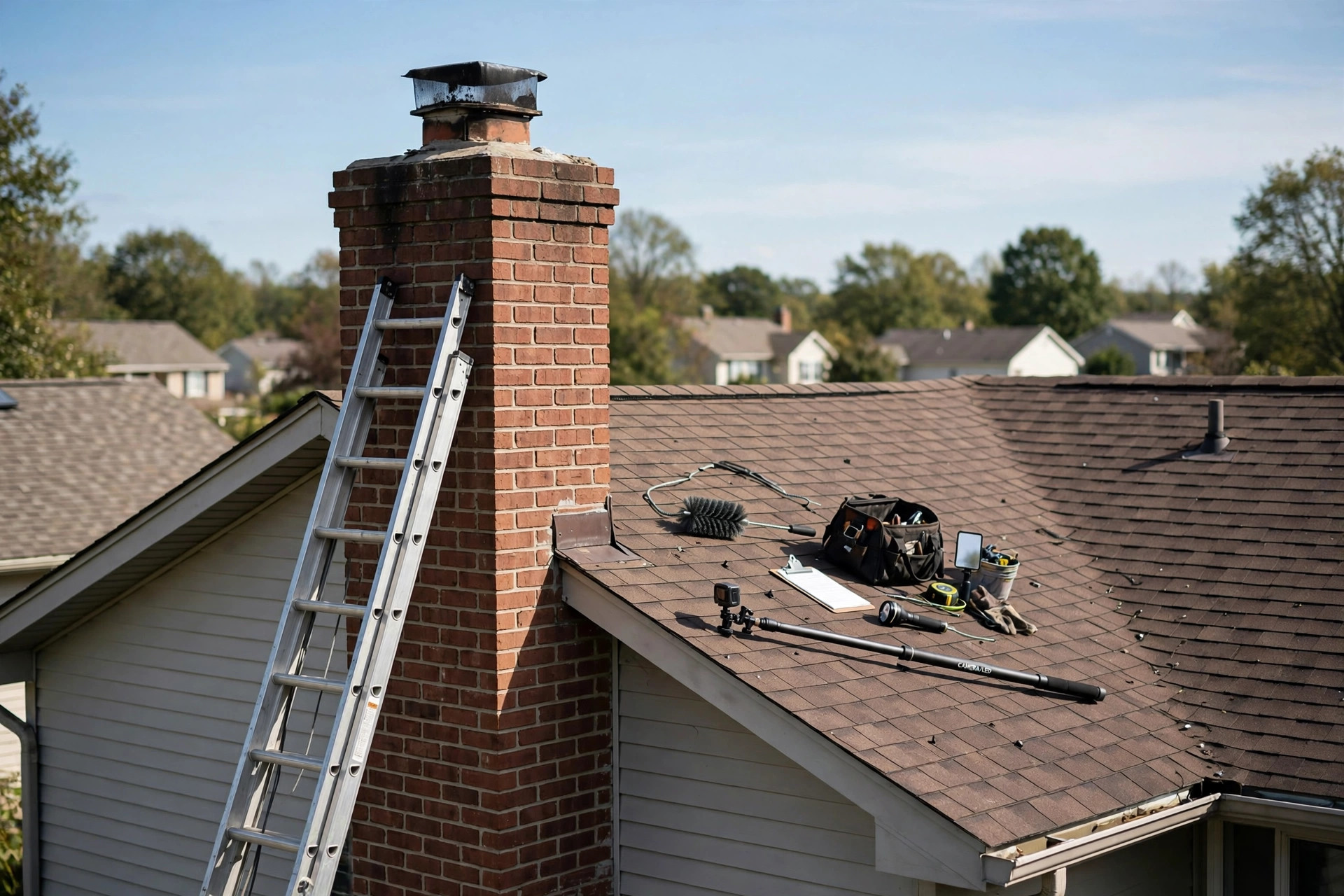

Every fall, millions of American homes light the first fire of the season. Before the first log catches flame, one simple step protects the whole house. That step is a chimney inspection. When a homeowner searches for high efficiency chimney inspection services near me, the goal is clear. The search is for a trained worker who will check the flue, the damper, and the masonry with care. This guide explains what these services do, what to look for in a provider, and what a fair price looks like. It also covers the simple steps that keep a chimney safe between visits.
Why a Chimney Inspection Matters
A chimney looks simple from the street. It is a brick column that rises above the roof. Inside, it is a machine with many parts. The flue carries smoke out of the house. The damper opens and closes like a door. The liner guards the walls from heat. Mortar joints seal the gaps between bricks. When one part fails, the others suffer.
Creosote is the main threat. Wood smoke leaves a sticky black layer on the flue walls. This layer is called creosote. It is fuel. A hot spark can set it alight. When creosote burns inside a chimney, the fire reaches very high heat. The flue can crack. Heat can reach the wood frame of the house. Fire services report thousands of chimney fires each year in the United States. Most could be prevented with a yearly check. The EPA offers guidance on wood smoke and clean burning that every wood burner should read.
Cracks in the masonry are the second threat. Water enters through small cracks. In winter, the water freezes and grows. Each freeze cycle widens the crack a little more. Over years, the damage grows large. A chimney that leans or loses bricks becomes a danger to the roof and to anyone standing below.
Animals cause trouble too. Birds and squirrels build nests in warm flues during spring. A blocked flue sends smoke and carbon monoxide back into the living room. Carbon monoxide has no color and no smell. A good inspection catches the blockage before the heating season begins. Home guides at The Spruce suggest a yearly check as the single best step a homeowner can take.
What “High Efficiency” Means in an Inspection: High Efficiency Chimney Inspection Services near Me
The word efficiency once applied only to stoves and inserts. Newer units turn more wood into heat and send less smoke up the flue. Units from makers such as Napoleon and Heatilator show how far design has come. Inspection work has changed in the same spirit. A high efficiency inspection gives more value from each visit. It finds small problems early, so the chimney needs less fuel and less repair later on.
New Tools and Methods
Old inspections relied on a flashlight and a mirror. A modern crew uses a video camera on a long pole. The camera travels the full length of the flue. The screen shows every inch of the liner. Cracks, gaps, and creosote buildup appear in sharp detail. Photos from the visit serve as proof of the chimney’s condition.
Some firms add digital moisture meters. These small devices press against the brick and read the water level inside. A wet reading tells the inspector that water is entering from the crown or the flashing. The fix starts before the damage shows on the surface.
Records are digital as well. A high efficiency service keeps a file on your chimney. Each visit adds notes, photos, and measurements. Over the years, the file shows a trend. A small crack that grows from year to year is easy to spot. The homeowner sees the full history and can plan repairs on a calm schedule instead of in a panic. Advice from This Old House recommends keeping these records with the home’s other maintenance papers.
How to Choose an Inspection Service
Start with certification. Look for a sweep certified by the Chimney Safety Institute of America. The CSIA trains and tests sweeps across the country. Certification does not guarantee perfection, but it shows a base level of skill. Training in wood-burning units helps when the home uses a newer insert or a pellet stove.
Ask about insurance. A proper firm carries liability coverage and workers’ compensation. Chimney work takes place on roofs and ladders. Accidents are rare, but they do happen. Insurance protects the homeowner if a worker is hurt or a tile is broken.
Read reviews with a careful eye. Look for reviews that mention specific work. The line “they found a cracked flue tile” is worth more than the line “great job.” Ask neighbors who heat with wood. Word of mouth from a wood burner carries weight.
Get the price in writing. A firm should state what the visit covers before the truck arrives. Ask if the price includes a written report with photos. Ask if Level 2 inspections are priced separately. Clear terms at the start prevent hard feelings at the end.
Check how the firm treats your home. Ask if the crew uses drop cloths and a vacuum with a fine filter. Soot is hard to clean from rugs and furniture. A professional crew protects the living room as carefully as it checks the flue.
Types of Chimney Inspections
The National Fire Protection Association defines three levels. Each level goes deeper than the last. Most annual visits are Level 1 or Level 2.
Level 1 Inspection
A Level 1 inspection suits a chimney in regular use with no known problems. The sweep checks the parts that are easy to reach. The inspector looks at the firebox, the damper, and the visible flue. The crew checks the exterior brick and the cap from the roof. No tools open the walls. This level is the standard yearly check.
Level 2 Inspection
A Level 2 inspection adds a video scan of the full flue. It is required when the chimney changes hands, when a new appliance is installed, or when a fire or storm has struck. Many providers of high efficiency chimney inspection services near me offer Level 2 as the standard visit. The camera finds damage that a mirror cannot see. Ask for the video file or a link to it. It is your record.
Level 3 Inspection
A Level 3 inspection opens the walls. The crew removes parts of the chimney or the surrounding structure to reach hidden damage. This level is rare. It follows a serious event, such as a large chimney fire or major structural failure. A Level 3 visit may require repair work to close the openings after the check.
Cost and Price
Prices change with the region and the level of the visit. A basic Level 1 inspection often falls between 100 and 250 dollars. A Level 2 visit with video scanning usually costs between 200 and 500 dollars. A Level 3 inspection can run into the thousands, because it includes opening and closing the structure.
A cleaning is a separate service. Many sweeps offer a package that pairs the inspection with a sweep. The combined visit often costs less than booking each service alone. Ask if the firm charges extra for heavy creosote. Glazed creosote takes more time and special tools to remove.
Travel distance affects the price. A home far from the firm’s base may carry a trip fee. Some firms waive the fee for yearly customers. A few offer a discount in the spring or summer, when demand is low. Fall is the busy season. Booking early in the year can save money and secure a faster appointment.
Beware of prices that seem too low. A 40 dollar special may skip the video scan or the written report. A good inspection takes time. Expect the crew to spend 45 minutes to two hours at the house, depending on the level and the chimney’s condition.
Care and Upkeep Between Visits
Small habits keep a chimney in good shape all year. Burn only seasoned hardwood. Wet wood makes more smoke and more creosote. Split wood and stack it under cover for at least six months before burning. Dry wood burns hot and clean.
Keep the cap in place. A cap is a small metal cover on top of the flue. It keeps rain out and stops animals from entering. Check it from the ground after each big storm. A cap that blows off leaves the flue open to the sky.
Watch the crown. The crown is the concrete top of the chimney. It should slope so water runs off. Small cracks in the crown can be sealed with a flexible crown coat, and sealants are easy to find at retailers like The Home Depot or Lowe’s. Letting the cracks grow leads to water damage inside the flue.
Inside the house, keep the damper closed when the fireplace is cold. An open damper lets warm air escape all day. In summer, a closed damper also keeps humid air out of the flue, which slows rust on metal parts. Family Handyman notes that simple habits like this extend the life of the whole system.
If the home uses a liner, note its type. Clay tile liners are common in older homes. Stainless steel liners are common upgrades. A liner that is cracked or undersized is a leading reason for failed inspections. When an inspection report calls for a new liner, compare options for chimney liners before the next heating season begins.
Safety First
Fire safety starts with the smoke alarm. Test each alarm once a month. Replace the batteries each year. Place a carbon monoxide alarm near the sleeping rooms. Carbon monoxide poisoning can mimic the flu. A working alarm is the only warning.
Keep the hearth clear. Move rugs, paper, and wood baskets at least three feet from the firebox. Sparks can travel farther than expected. A sturdy screen in front of the opening catches most sparks. A good guide to chimney caps and covers also helps keep embers from landing on the roof.
Never burn trash in a fireplace. Paper, cardboard, and plastic burn too hot and release harsh chemicals. They also feed creosote. Burn only clean wood or the fuel your unit was built for.
Teach children that the fireplace is not a play area. Hot glass doors can burn skin for hours after the fire dies. A hearth gate gives a clear boundary that small children can understand.
After any chimney fire, call the fire department first, then a sweep. Even a small fire can crack a flue tile. The chimney must be inspected before the next use. Do not assume the unit is fine because it looks fine.
Frequently Asked Questions
How often should a chimney be inspected?
Once a year, before the heating season. The rule holds whether the fireplace burns every night or once a month. A chimney that sits unused can still gather nests, moisture, and damage.
What is the difference between an inspection and a sweep?
An inspection is a check. A sweep is a cleaning. The inspection finds problems. The sweep removes soot and creosote. Most visits combine both, but they are separate tasks with separate prices.
How long does an inspection take?
A Level 1 visit often takes 45 minutes to an hour. A Level 2 visit with a video scan can take up to two hours. A large or complex chimney takes longer than a small straight flue.
Can I inspect my own chimney?
A homeowner can watch for warning signs. Look for rust on the damper, white stains on the brick, and smoke that enters the room. But only a trained sweep can scan the full flue and judge the liner. A ladder and a flashlight are not enough.
Will the crew make a mess in my home?
A professional crew keeps the home clean. The sweep sets up drop cloths around the hearth and runs a vacuum while brushing the flue. Ask about dust control when you book. Firms with strong dust control are worth the higher price.
Does an inspection help with insurance?
Yes. Many insurers ask for proof of a yearly inspection after a chimney fire claim. A written report with photos supports the claim. Some insurers give a small discount to homes with documented yearly maintenance.
A Final Word
A chimney is easy to ignore. It stands outside, quiet through spring and summer. But each fire asks a lot of it. Heat, smoke, water, and time all wear it down. An inspection once a year turns a hidden risk into a known quantity. Homeowners looking for top rated chimney inspection services for homeowners gain peace of mind along with a safer home. Book the visit before the first cold snap. Keep the written report with your home records. Burn dry wood, keep the cap in place, and let a trained sweep handle the rest. The fire will feel warmer when the chimney behind it is sound.
References
Family Handyman. (n.d.). DIY home repair and maintenance. https://www.familyhandyman.com Heatilator. (n.d.). Fireplaces and fireplace products. https://www.heatilator.com Lowe’s. (n.d.). Home improvement products. https://www.lowes.com Napoleon. (n.d.). Fireplaces, grills, and heating products. https://www.napoleon.com The Home Depot. (n.d.). Home improvement products. https://www.homedepot.com The Spruce. (n.d.). Home and garden advice. https://www.thespruce.com This Old House. (n.d.). Home renovation guidance. https://www.thisoldhouse.com U.S. Environmental Protection Agency. (n.d.). Protecting human health and the environment. https://www.epa.gov
Was this guide helpful?

About Emily Rodriguez
The My Garden US editorial team writes practical, in-depth home and garden guides for American homeowners — tested advice, no fluff.
You May Also Like
Affordable Fireplace Mantel Shelves for Sale: A Plain Buyer’s Guide
February 6, 2026 0 views
Best Wood Burning Fireplace Inserts for Texas Homes
August 22, 2026 0 views
Energy Efficient Tile Fireplace Surrounds Buying Guide
May 25, 2026 0 views