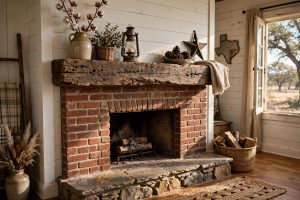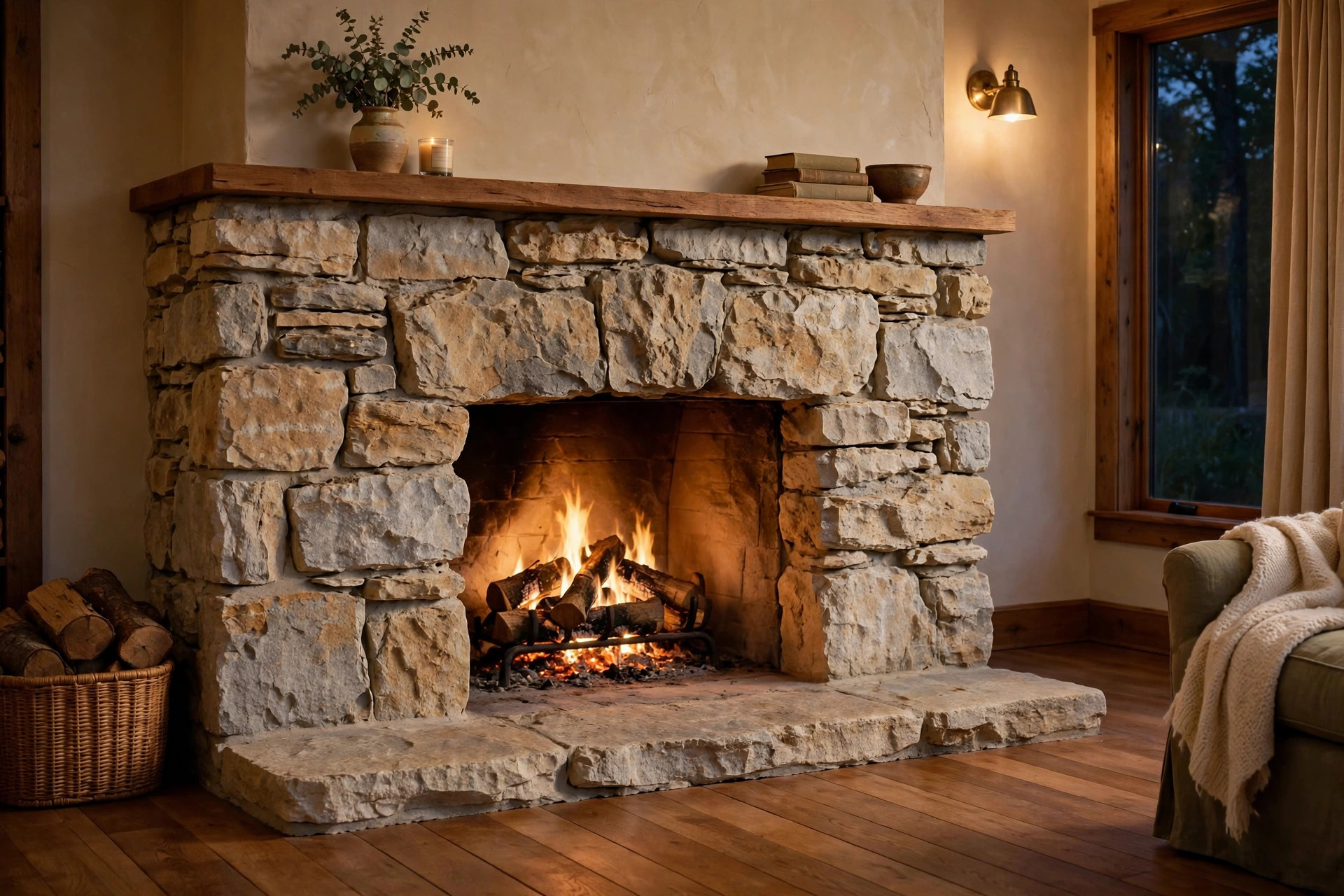

Energy efficient stone fireplace surrounds for sale offer more than looks. A plain fireplace can waste a lot of heat. Warm air goes up the chimney instead of into the room. The right stone surround changes that. Stone holds heat from the fire. It then gives the heat back to the room slowly. This simple idea can lower the cost of heating a home.
Many buyers shop for a surround by looks alone. That is a mistake. A surround also affects how well the fireplace works. In this guide we will look at what makes a stone fireplace surround energy efficient. We will cover the types of stone, the parts that save energy, the cost, and how to care for one. We will also point to safe buying choices and answer common questions.
Why Energy Efficiency Matters in a Fireplace Surround
A fireplace is the heart of many homes. It is also a weak point in the heating system. An open masonry fireplace can lose most of its heat up the flue. Some old fireplaces pull cold air in from the room to feed the flames. That draft makes the furnace work harder.
The surround plays a part in this loss. Thin metal or wood trims do little to hold heat. Stone is different. Stone is dense. Dense stone soaks up heat while the fire burns. After the fire burns low, the stone keeps warming the room. Masons have used this idea for hundreds of years. Old farm houses in cold states were built around thick stone hearths for this reason.
A surround alone will not turn an open fire into a modern stove. But it can make a real difference. Buyers who care about fuel bills should look at the surround as part of the whole system. The EPA notes that old wood-burning appliances waste heat and can pollute the air, and updated wood heater standards pushed the market toward cleaner, more efficient designs.
What to Look for When You Buy: Energy Efficient Stone Fireplace Surrounds for Sale
Not every stone surround sold online is built for efficiency. Some are thin veneer panels glued to wood. They look like stone but act like wallpaper. A buyer who wants real heat savings must know what to check.
Stone Thickness and Density
Thick stone stores more heat than thin stone. Look for surrounds made from real, solid stone or thick cast stone. Full-depth limestone or granite can be two to four inches thick. That mass is what holds the heat. Ask the seller for the weight of the surround. A heavy surround is a good sign.
A Tight Fit Around the Firebox
Heat escapes through gaps. A surround must fit tight against the firebox and the wall. Check that the kit includes filler pieces for odd openings. Poor fit lets room air slip behind the stone and up the chimney.
Fit With an Efficient Insert or Firebox
The most efficient setups pair the stone surround with a sealed firebox or an insert. Many modern inserts burn wood, gas, or pellets with high efficiency. The stone surround then becomes the heat bank around that insert. Makers such as Napoleon and Heatilator sell factory-built fireplaces and inserts designed to pair with masonry or stone fronts.
Non-Combustible Materials
The parts near the fire must not burn. Real stone is non-combustible. Some kits mix stone with wood mantel shelves. That is fine if the wood sits far enough from the opening. Check the clearance rules in the product manual.
Types of Stone Surrounds for Sale
Shoppers will find several types of stone used for fireplace surrounds. Each has its own look, price, and heat behavior.
Limestone
Limestone is one of the most common choices. It has a soft, even tone that fits both old and new homes. It is dense enough to hold heat well. It cuts and carves cleanly, so mantel details can be fine and sharp.
Granite
Granite is harder and heavier than limestone. It resists stains and heat marks. Dark granite can look rich around a fire. Its high density makes it an excellent heat store.
Marble
Marble gives a formal look. It is less common for whole surrounds because it costs more. Many buyers choose a marble hearth with a stone surround in a plainer material.
Slate
Slate is thin and layered. It suits modern rooms. On its own it stores less heat than thick limestone, because the pieces are thin. It works best as a facing over a solid masonry base.
Cast Stone
Cast stone is man-made. It mixes cement with crushed stone. Good cast stone looks like natural limestone and costs less. Quality varies, so buy from a known maker and read the heat rating.
Stone Veneer Panels
Veneer panels are thin slices of real stone. They are light and easy to ship. They give the look of stone for less money. But they store far less heat than full-thickness stone. A buyer focused on energy savings should prefer full-depth stone.
Cost and Price: What to Expect
Prices for energy efficient stone fireplace surrounds for sale vary widely. Simple veneer kits can cost a few hundred dollars. Full-depth limestone surrounds often start near one thousand dollars and rise past three thousand. Large custom pieces for grand rooms can cost far more.
The stone is only part of the cost. Installation often costs as much as the surround itself. Setting heavy stone takes skill and time. Delivery of a heavy crate can add a few hundred dollars. Big-box retailers such as Lowe’s and The Home Depot list surrounds at many price points, which helps buyers compare.
Do not forget the hidden costs. An old chimney may need a new flue liner. The wall behind the fireplace may need a heat shield. These extras add to the bill but they also add to the savings. A tight, well-built setup burns less fuel each winter.
Buyers on a tight budget can mix choices. A cast stone surround with a good insert can save more energy than a costly marble front on an open fire. Guides to budget friendly chimney caps and covers buying guide show how small add-ons can seal up heat loss at low cost.
Timing also affects price. Shops are busiest in fall, when owners rush to finish before winter. Buying in spring or summer can bring lower prices and faster delivery. Masons have more open schedules then, and freight carriers move heavy crates with less delay.
Where to Shop
Stone surrounds are sold by stone yards, fireplace shops, and large online retailers. Local stone yards let you see and touch the stone. Fireplace specialty shops can match the surround to the right insert. Online stores offer the widest range and easy price checks.
When buying online, read the full spec sheet. Check the outer size, the firebox opening size, and the weight. Read the return policy for heavy freight. Freight damage is common with stone, so inspect the crate before the driver leaves. Home improvement media such as This Old House and Family Handyman publish buying and install advice that helps first-time buyers avoid costly errors.
Care and Upkeep
Stone needs little care, but it is not carefree. Soot can stain light limestone. Sealers made for fireplace stone can block stains. Ask the maker which sealer fits the stone. Do not use a sealer that cannot stand heat near the firebox.
Dust the stone with a soft brush. Wipe marks with a damp cloth and mild soap. Do not use acid cleaners on limestone or marble. Acid eats the surface and leaves dull spots.
Check the joints once a year. Heat makes materials move. Small cracks in mortar can grow. A tube of high-heat mortar fixes most small cracks. If a crack runs deep, call a mason.
Keep the firebox and chimney clean as well. A dirty flue wastes fuel and can catch fire. The Spruce home guides remind owners that yearly chimney checks are the single best habit for any wood-burning fireplace.
Safety Rules
A fireplace deals with real fire. Safety rules are not optional.
Keep all flammable items at least three feet from the opening. That includes wood baskets, rugs, and drapes. The stone itself will not burn, but the heat it gives off can still set nearby items alight.
Use a screen or glass doors on an open fire. Sparks can jump far. A good screen also slows the draft that steals heat. Buyers looking at top rated childproof fireplace screens for sale will find models that guard both kids and floors.
Install smoke and carbon monoxide alarms on every floor. Test them each month. Carbon monoxide has no smell. A blocked flue can push it into the room.
Have the chimney swept and checked each year by a certified sweep. Creosote builds up in the flue. It can catch fire at high heat. A clean flue also drafts better, so the fire burns cleaner.
Follow the clearance rules in the manual. Stone near the opening can get very hot. Do not hang stockings or art on the mantel shelf during the burning season unless the manual allows it.
Frequently Asked Questions
Do stone fireplace surrounds really save energy?
Yes, but within limits. Stone stores heat and releases it slowly. That helps most when the firebox is sealed or fitted with an efficient insert. Stone alone cannot fix a drafty open fireplace. Pair the surround with glass doors, a good damper, or an insert for the best result.
Which stone holds heat the longest?
Dense, thick stones hold heat the longest. Granite and thick limestone rank high. Thin veneer and slate hold less. The thickness matters more than the type. A two-inch slab beats a half-inch panel of any stone.
Can I install a stone surround myself?
Small veneer kits can suit a skilled do-it-yourselfer. Heavy full-depth surrounds are a job for pros. A limestone surround can weigh several hundred pounds. Bad setting can crack the stone or leave gaps that waste heat. Most buyers hire a mason or a fireplace installer.
Will a stone surround fit my existing fireplace?
Many surrounds come in standard sizes for common fireboxes. Measure the opening width and height, the hearth depth, and the wall space. Some makers cut custom sizes. Custom work costs more and takes weeks, so order early in the season.
Are electric fireplaces a better choice for efficiency?
Electric models turn nearly all their power into heat and need no chimney. They suit homes without a flue. But they heat small areas and add to the power bill. Shoppers weighing both paths can read our best electric fireplaces for living rooms buying guide to compare.
How long does a stone surround last?
A well-set stone surround can last for decades. Stone does not rot or rust. The mortar joints may need touch-ups over time. With yearly checks and light cleaning, most owners never need to replace the surround.
A Short Final Word
Energy efficient stone fireplace surrounds for sale bring two gifts at once. They give the room a solid, timeless look. And they help the fire do more work for less fuel. Buyers should shop with care. Choose thick, dense stone. Make sure it fits tight. Pair it with a sealed firebox or a modern insert. Keep the chimney clean and the alarms working.
A fireplace is a long-term part of a home. Money spent on a good surround pays back each winter in lower bills and a warmer room. Take time, compare options, and buy the stone that fits both the house and the heating plan.
References
Family Handyman. (n.d.). DIY home repair and maintenance. https://www.familyhandyman.com Heatilator. (n.d.). Fireplaces and fireplace products. https://www.heatilator.com Lowe’s. (n.d.). Home improvement products. https://www.lowes.com Napoleon. (n.d.). Fireplaces, grills, and heating products. https://www.napoleon.com The Home Depot. (n.d.). Home improvement products. https://www.homedepot.com The Spruce. (n.d.). Home and garden advice. https://www.thespruce.com This Old House. (n.d.). Home renovation guidance. https://www.thisoldhouse.com U.S. Environmental Protection Agency. (n.d.). Protecting human health and the environment. https://www.epa.gov
Was this guide helpful?

About Robert Taylor
The My Garden US editorial team writes practical, in-depth home and garden guides for American homeowners — tested advice, no fluff.
You May Also Like
Best Wood Burning Stoves Buying Guide: How to Pick the Right Stove
July 14, 2026 0 views
Top Rated Fireplace Glass Doors for Florida Homes
January 23, 2026 0 views
Outdoor Fire Pits Price Comparison USA: What Each Type Really Costs
March 8, 2026 0 views