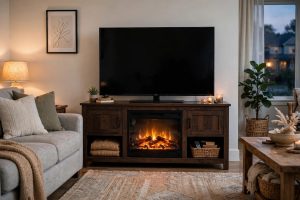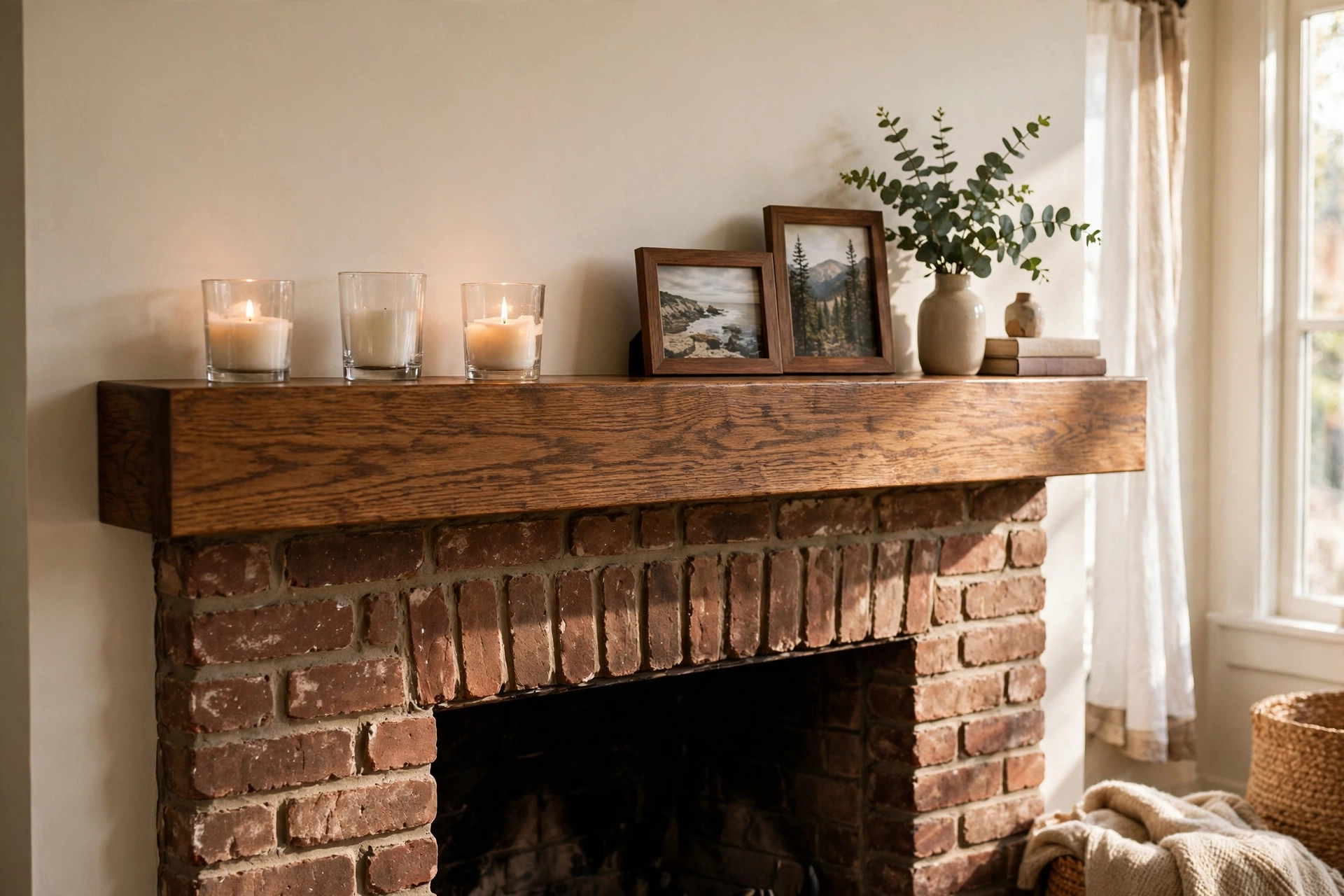

A mantel shelf is the long flat board that sits above a fireplace opening. People use it for framed photos, candles, small plants, and holiday decor. It also gives the room a finished look. The good news is that affordable fireplace mantel shelves for sale are easy to find today, both in stores and online. A decent shelf can cost less than a dinner out. The hard part is choosing one that is safe, strong, and right for your wall.
This guide walks through what to look for, the main types on the market, what you should expect to pay, how to hang the shelf, and how to keep it in good shape. No fine print. No sales talk. Just plain facts.
Why a Mantel Shelf Matters
A fireplace without a mantel can look unfinished, like a picture frame with no top edge. The shelf draws the eye and gives the room a center. It is also useful. You can set a clock on it, or line up small keepsakes. At holidays, it becomes the home for stockings, garlands, and lights.
There is a practical side too. A good shelf shields the wall above the firebox from rising heat and soot. Many heat clearance rules expect a shelf at a certain height above the opening. So the shelf is not only decoration. It serves the house.
And the cost need not be high. Affordable fireplace mantel shelves for sale include simple pine boards, stained oak beams, painted MDF shelves, and floating steel shelves. Any of these can look fine when mounted level and finished with care.
What to Look for When You Choose: Affordable Fireplace Mantel Shelves for Sale
The Right Size
Measure the fireplace opening first. A common rule is that the shelf should be at least as wide as the opening, and often a bit wider. Many people choose a shelf that extends six inches past each side of the firebox. For a standard 36-inch opening, a 48-inch shelf is a safe pick.
Depth matters too. A shelf that is too shallow will not hold your decor. A depth of 8 to 10 inches suits most living rooms. Deeper shelves, 10 to 12 inches, work well when the shelf doubles as a display ledge for books or large frames.
Height is a safety question. Building codes and stove makers set minimum clearances between the top of the firebox and the shelf, often 12 inches or more for wood burning units. Check your fireplace manual or local code before you drill. A good hardware store such as Home Depot lists clearance guidance on many product pages.
The Right Material
Solid wood is the classic choice. Oak, maple, cherry, and pine all take stain well and hold weight. A pine shelf costs less than hardwood and still looks fine with a dark stain. Watch out for cheap boards with knots along the bottom edge, since knots can weaken the shelf where the bracket bears the load.
MDF (medium density fiberboard) is the cheapest option. It comes painted or primed, and it resists warping. It does not hold screws as well as solid wood, so it needs more brackets or a full-length cleat. Keep MDF away from damp basements, since it swells when it gets wet.
Reclaimed beams are popular for a rustic look. They are heavy, often 60 to 90 pounds for a 60-inch beam. The wall and brackets must be strong enough. Ask the seller whether the beam is kiln dried. Green wood will twist and crack as it dries in a warm house.
Steel floating shelves give a modern look. They mount on hidden rods or plates and seem to float. They suit clean, plain rooms. Many are rated for 50 pounds or more per shelf when mounted into studs.
Weight Rating and Wall Type
This is the step people skip, and it is the one that matters most. Find the studs in your wall with a stud finder. A mantel shelf should be fastened into studs whenever possible. Brick, stone, and block walls need masonry anchors and a hammer drill.
Check the weight rating of the brackets or mounting kit. The shelf, the brackets, and your decor all add up. A good rule is to buy hardware rated for at least twice the weight you plan to put on the shelf. If you plan for 30 pounds of decor, buy brackets rated for 60 pounds. Reviews on sites like This Old House often show real mounting results from homeowners.
Types of Affordable Mantel Shelves
Floating Shelves
Floating shelves have no visible brackets. They mount on steel rods or a hidden plate that slides into the shelf. They look clean and modern. They work best for light to medium loads: photos, candles, small plants. Prices start around 25 to 40 dollars for a 48-inch pine version.
Corbels and Brackets
A shelf on wooden or metal corbels is the old-fashioned look. Corbels add style and extra support. This is a good choice for heavy beams or shelves that will hold books. Cast iron brackets pair well with farmhouse rooms. You can find simple pine shelves with corbels for 40 to 70 dollars.
Box Beam Shelves
A box beam is a hollow shelf built from boards to look like a solid beam. It is much lighter than a solid beam, so it is easier to hang. It takes stain well and looks thick and rich from across the room. Box beams are a smart pick when your wall cannot carry a heavy solid beam. Many run 50 to 90 dollars.
Live Edge Slabs
Live edge slabs keep the natural wavy edge of the tree. Each one is unique. They suit rustic and cabin rooms. They can be pricey, but smaller slabs of 36 to 48 inches show up in the affordable range. Seal the top and bottom with polyurethane so the wood does not dry out near the heat.
Cost and Price: What You Should Expect to Pay
Affordable fireplace mantel shelves for sale cover a wide price range. Here is a plain breakdown of what you are likely to see in 2026 dollars:
– Simple pine shelf, 48 inches: 20 to 40 dollars – Stained hardwood shelf, 48 to 60 inches: 45 to 100 dollars – MDF floating shelf kit with hardware: 25 to 55 dollars – Box beam, 60 inches: 60 to 120 dollars – Reclaimed wood beam, 60 inches: 90 to 180 dollars – Steel floating shelf: 70 to 150 dollars
Shipping can add 15 to 30 dollars for a long, heavy shelf. Buying from a local store avoids that cost. A big-box retailer such as Lowe’s stocks many sizes in store, and their site shows local pickup options.
Do not judge a shelf by price alone. Check the thickness. A shelf under 2 inches thick looks thin and cheap above a fireplace. Most good mantels are 3 to 4 inches thick. Check the finish as well. A rough sanded edge can be fixed with an hour of sandpaper and a can of stain, which saves money if you are handy.
If you are also outfitting the hearth area, you may want to look at affordable fireplace hearth rugs for sale, which protect floors from sparks and embers. And if you store wood indoors, indoor firewood holders price comparison usa can help you find a matching holder at a fair price.
How to Mount the Shelf Safely
Step by Step
1. Find the studs with a stud finder and mark them with tape. 2. Hold the shelf in place and check the height with a level. Mark a pencil line on the wall. 3. For a cleat mount, fasten the wooden or metal cleat into at least two studs with 3-inch wood screws. 4. Drill pilot holes to keep the wood from splitting. 5. Set the shelf on the cleat, check the level again, and drive screws up through the cleat into the shelf, or down through the top if the design calls for it. 6. For masonry walls, drill with a masonry bit, set shield anchors, and lag the brackets into the anchors.
Common Mistakes
The most common mistake is hanging the shelf with drywall anchors alone. Drywall anchors cannot carry the twisting load of a mantel full of decor. The shelf will sag or pull out of the wall. Always hit studs or masonry.
The second mistake is skipping the level. A shelf that is off by half an inch looks crooked from across the room. Check level at every step.
The third mistake is hanging the shelf too close to the firebox. Heat can crack wood and melt plastic brackets. Follow the clearance numbers in your fireplace manual. The EPA offers guidance on safe wood stove and fireplace clearances, and makers like Napoleon and Heatilator print clearance tables in their manuals.
Care and Upkeep
Wood mantels need little care. Dust them when you dust the room. Wipe with a damp cloth for soot marks. Once a year, check the screws and brackets for looseness. Heat cycles can work fasteners loose over time.
If the finish looks dull, a coat of furniture wax brings back the shine. Do not use spray polish near the firebox when the fire is lit. The spray can drift into the flames.
Keep candles in holders with a base, and never leave them burning unattended. Wax drips stain wood, and a tipped candle is a fire risk. Battery candles give the same warm look with no risk, and they are a good pick above a working fireplace.
Check the wall around the shelf each season for heat discoloration. Yellow or brown marks mean the shelf sits too low. Raise it or add a heat shield. Guidance on chimney and vent care from Family Handyman can help you spot related problems, and the Consumer Reports buying guides rate many hearth accessories. The CPSC also publishes safety tips for home heating equipment.
For seasonal refreshes, paint is the cheapest update. A sanded, primed, and painted MDF shelf can go from white to black in an afternoon. Use heat-rated paint on any surface that faces the firebox directly. Home decor ideas from The Spruce show how a fresh mantel color can change a whole room.
Safety Notes
Heat is the main risk. Wood burns at around 450 degrees Fahrenheit, but damage starts long before that. Finish cracking, glue failure, and warping can begin at much lower temperatures. That is why clearance rules exist.
Keep the area in front of and above the firebox clear of paper, fabric, and kindling. A chimney caps and covers reviews and buying guide explains how caps keep sparks and debris where they belong.
If you burn wood, have the chimney swept once a year. Creosote buildup is the leading cause of chimney fires. A clean chimney also drafts better, which keeps smoke from staining the mantel.
For gas fireplaces, the mantel can sit closer, but still follow the maker’s numbers. Never rest a glass door or screen against the wood shelf.
Frequently Asked Questions
How much weight can an affordable mantel shelf hold?
It depends on the shelf and the mount. A solid wood shelf on a full-length cleat into studs can hold 50 to 100 pounds. A floating MDF shelf on rods may hold only 15 to 25 pounds. Always read the rating on the mounting kit and stay under it.
Can I install a mantel shelf myself?
Yes, in most cases. If you can use a drill and a level, you can hang a shelf in one to two hours. Masonry walls take longer and need a hammer drill. If the wall is stone veneer over drywall, consider hiring a handyman, since the anchors need to reach the structure behind.
What is the best wood for a mantel shelf?
Oak and maple are strong and take stain evenly. Pine is cheaper and stains darker than most people expect. Avoid soft construction lumber with many knots for long spans, since it can bow under load. Whatever wood you pick, seal all six sides before hanging it.
How high should the shelf sit above the fireplace?
Most codes call for at least 12 inches above the top of a wood-burning firebox for a wood shelf, and more for deep shelves. Gas units often allow less. Your local code and your fireplace manual have the final word. When in doubt, hang it higher.
Do floating mantel shelves really hold up?
They do when mounted right. The hidden rods must be thick steel and set deep into studs. Cheap kits with thin rods will droop over time. Spend a little more on the hardware and the shelf will stay level for years.
Can I paint a wood mantel shelf?
Yes. Sand lightly, wipe clean, prime with a stain-blocking primer, and finish with two coats of paint. Let it cure for a week before you decorate it. Painted mantels are easy to refresh and suit modern rooms.
A Short Final Word
Affordable fireplace mantel shelves for sale give you plenty of choice at a fair price. Measure first. Buy strong hardware. Fasten into studs or masonry. Respect the heat clearances. Do those four things and your shelf will be safe, level, and good looking for many years. A mantel is a small project with a big payoff for the room.
References
Consumer Reports. (n.d.). Product reviews and ratings. https://www.consumerreports.org Family Handyman. (n.d.). DIY home repair and maintenance. https://www.familyhandyman.com Heatilator. (n.d.). Fireplaces and fireplace products. https://www.heatilator.com Lowe’s. (n.d.). Home improvement products. https://www.lowes.com Napoleon. (n.d.). Fireplaces, grills, and heating products. https://www.napoleon.com The Home Depot. (n.d.). Home improvement products. https://www.homedepot.com The Spruce. (n.d.). Home and garden advice. https://www.thespruce.com This Old House. (n.d.). Home renovation guidance. https://www.thisoldhouse.com U.S. Consumer Product Safety Commission. (n.d.). Product safety information. https://www.cpsc.gov U.S. Environmental Protection Agency. (n.d.). Protecting human health and the environment. https://www.epa.gov
Was this guide helpful?

About Jennifer Lee
The My Garden US editorial team writes practical, in-depth home and garden guides for American homeowners — tested advice, no fluff.
You May Also Like
Buy Gel Fuel Fireplaces Online in Florida: A Complete Guide
April 30, 2026 0 views
Heat Powered Stove Fans: A Full Reviews and Buying Guide
September 17, 2026 0 views
Affordable Freestanding Electric Stoves With Free Shipping: A Plain Guide
June 22, 2026 0 views