
An ethanol wall fireplaces price comparison usa report shows that prices range from a few hundred dollars to several thousand. Shoppers who compare models before they buy often save money. They also tend to get a safer and better made unit. Ethanol fireplaces burn liquid bioethanol fuel. They mount on a wall. They need no chimney. They need no gas line and no vent. That makes them easy to install in many homes. But prices vary a great deal. The units differ in size, material, and build quality. This guide compares types, sizes, and prices. It will help you choose the right model for your room and your budget.
Why Compare Prices Before You Buy
Price comparison is the heart of smart shopping. Ethanol wall fireplaces look much alike in store photos. The real differences hide in the details. Burner quality, steel thickness, and safety features set one model apart from another. A side by side check of ventless wall mount fireplace prices helps you see what your money buys. Two units can look the same and still differ by five hundred dollars. The cheaper one may have a thin burner box. It may lack a spill tray. It may come with no flame guard. The higher priced unit may include these features as standard. That is why a careful bioethanol wall fireplace buying guide matters. It teaches you to look past the price tag. Home project guides from Family Handyman also stress checking burner build quality before you buy. It shows you the features that count. It helps you avoid a unit that burns fuel too fast or warps with heat. A good comparison also protects your budget. Wall fireplaces are an extra feature in a home. They are not a basic need. It makes sense to spend only what the value justifies.
What to Look For When You Choose: Ethanol Wall Fireplaces Price Comparison Usa
Burner Size and Heat Output
The burner is the heart of the unit. It holds the fuel. It shapes the flame. Small wall units often carry a burner of one to two liters. Large units can hold three liters or more. A bigger burner gives a longer flame line. It also gives more heat. But it uses more fuel. Check the rated heat output. Most wall mounted ethanol fireplaces put out between 4,000 and 12,000 BTU. That is enough to warm a small to mid sized room. It will not heat a whole house. Think of the flame as a mood feature with a modest heating bonus. Some ethanol fireplace makers publish heat ratings for each model, which makes side by side checks easier. Look for a burner made of thick stainless steel. It should have a regulation tool or a sliding cover. The cover lets you control flame size. It also lets you put the flame out in a safe way. Some units add a ceramic wool core in the burner. This core steadies the flame. It also makes refueling a bit safer.
Materials and Build Quality
The body of the unit should stand up to heat. Steel is the most common choice. Powder coated steel is the most common finish. Look for a sturdy back panel. It keeps heat away from the wall. Check the mounting bracket. It should be heavy and rigid. Tempered glass shields are a plus. They keep hands and pets away from the flame. They also cut down on drafts that can make the flame dance. Cheap glass can crack under heat. Good units use glass that is rated for high temperature. Check the welds and joints. They should look clean and even. Look for a unit with a listed weight that matches its size. Retailers such as Lowe’s and The Home Depot list steel gauge and glass type in their product specs, which helps with fair comparisons. A unit that feels too light for its frame may use thin metal. Thin metal can warp after many burns.
Wall Mounting and Clearances
A wall fireplace must sit at the right height. Most makers advise mounting the unit with the flame line at least three feet above the floor. Keep clear space above and to the sides. Check the manual for exact numbers. The space above the unit matters most. Heat rises. A wood mantel or a shelf above the flame needs a safe gap. Some makers call for three feet of clear space above the burner. The wall behind the unit should be non flammable in most cases. Brick, stone, and tile work well. Painted drywall may need a heat shield. When you compare prices, note whether the mount and shield are included. Some low price units leave these out. You then pay extra for them later.
Types of Ethanol Wall Fireplaces
Recessed Wall Models
Recessed models sit inside the wall. They look flush with the surface. This gives a clean, modern look. Installation takes more work. You must cut into the wall or build a framed box. The price runs higher for this reason. The unit itself costs more. The install adds labor cost too. Recessed units work best in new builds or full room makeovers. They give a built in feel that surface models cannot match. They also free up floor space. Families with small rooms often like this style.
Surface Mounted Models
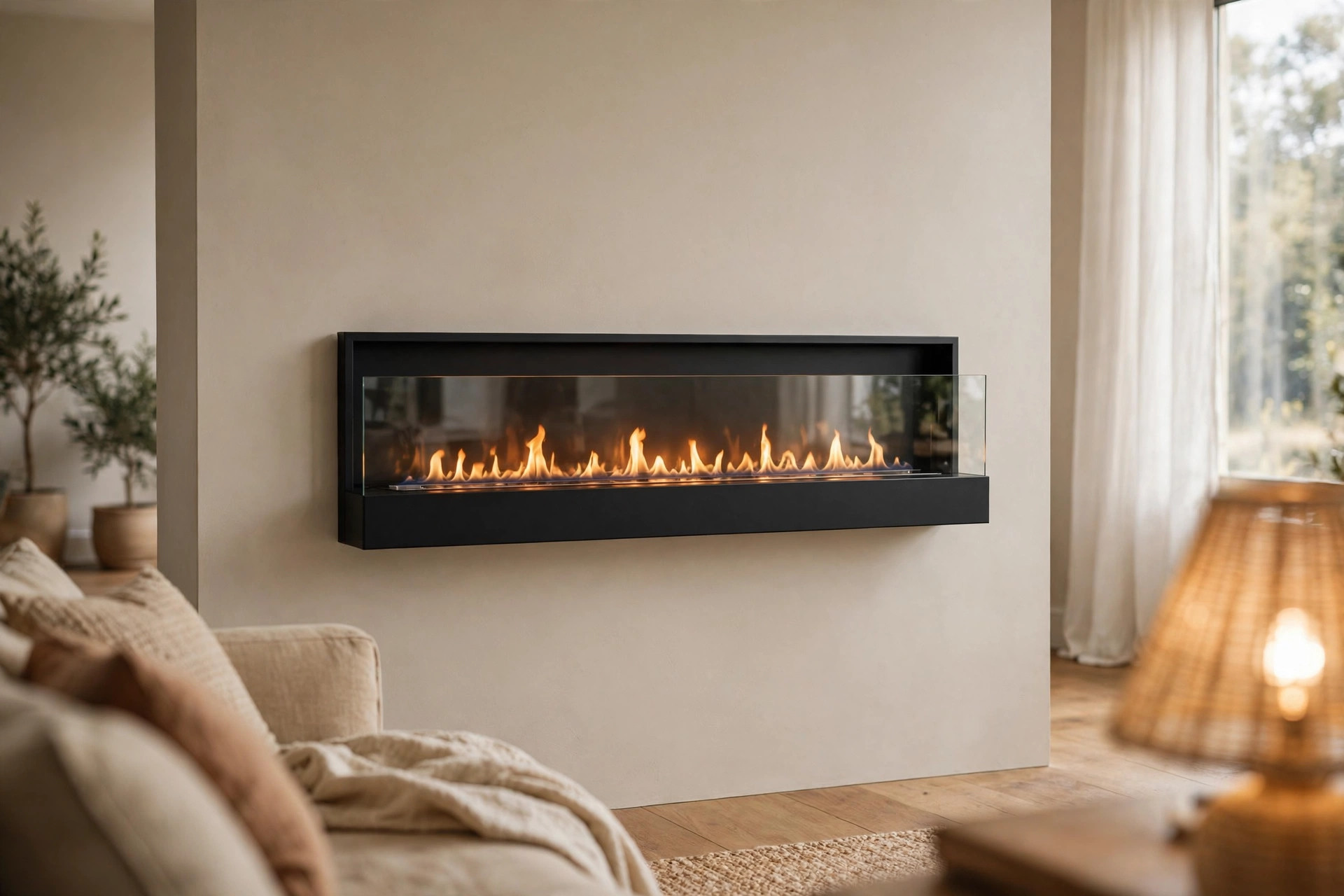
Surface mounted models hang on the wall like a picture. A bracket holds the unit flat against the surface. Install is simple. Most handy owners can do it in under an hour. These units cost less than recessed models. They are the most common type in the United States. They come in many shapes. Long bars, round discs, and tall towers are all on the market. You can move a surface unit to a new spot if you like. You only need to patch small bracket holes. This makes them a good pick for renters who have written approval from a landlord. Design sites like The Spruce show how these units look in real rooms, which helps with style choices.
Manual Versus Automatic Burners
Manual burners are the basic type. You pour fuel in by hand. You light the flame with a long lighter. You adjust the flame with a sliding tool. These units cost the least. Automatic burners add electronics. Some ignite with a button or a remote. Some let you set a run time. Some link to a phone app. These units cost much more. They also need a power source. Makers such as Napoleon and Dimplex both sell ventless and electric fireplace lines, so their catalogs are a handy place to compare feature sets. Think about whether you want the extra features. Many buyers are happy with a manual burner. It has fewer parts. There is less that can break.
Cost and Price: The Full Comparison
Now we reach the core of this ethanol wall fireplaces price comparison usa guide. Prices fall into three broad tiers. Small manual wall units start near $150 to $300. These are slim bars with a one liter burner. They suit small rooms and first time buyers. Mid range units run from $300 to $900. This tier holds most of the market. You get thicker steel, better glass, and larger burners. Many units in this tier come from well known fireplace makers. High end units run from $900 to $2,500 or more. These include recessed models and automatic burners. Designer brands live in this tier. Their units carry custom finishes and smart controls. A wall mounted ethanol fireplace cost usa buyers often quote lands near $450 for a solid mid tier manual unit. That figure is a useful budget marker. Fuel is a running cost. Bioethanol fuel costs about $8 to $12 per liter in most states. A one liter burner may run for four to six hours per fill. That works out to roughly two dollars per hour of burn time. Factor this into your choice. A big burner gives a grand flame. It also burns fuel fast. Some buyers compare models with similar burner size. This keeps the price check fair. A wide price gap between two same size units often points to a build quality gap. Read the specs. Look at steel gauge, glass type, and included parts. Stores that sell home heating goods often list prices side by side. Many shoppers also check listings from large home improvement chains to track price shifts. It helps to compare during spring sales. Fireplaces sell less in warm months. Prices often drop in spring and summer.
Care and Upkeep
Ethanol wall fireplaces need little care. The burner is the main part to watch. Wipe it clean after it cools. Fuel residue can build up over time. A soft cloth and mild soap work well. Do not use harsh chemicals. The steel body needs a simple wipe now and then. Dust can dull the finish. A damp cloth is enough. Glass shields need cleaning too. Soot marks can form on the glass after many burns. Wait until the unit is fully cool. Then clean the glass with a standard glass cleaner. Check the mounting bracket twice a year. Make sure the screws are tight. Heat cycles can loosen hardware over time. Store fuel in a cool, dry place. Keep it far from the fireplace. Use only fuel made for ventless ethanol fireplaces. Never use gasoline or other fuels. That can cause a dangerous fire. Refill only when the burner is cool. The EPA offers general guidance on indoor air quality that applies to any ventless flame in the home. Never add fuel to a lit or hot burner. A cool burner takes about fifteen minutes after the flame goes out. Pour fuel slowly. Do not overfill. Wipe up any spills before you light the unit.
Safety Rules You Must Follow
Safety comes first with any open flame. Ethanol wall fireplaces are ventless. They release water vapor and carbon dioxide as they burn. Keep the room air fresh. Crack a window in small rooms. Never leave the flame alone. Put it out before you leave the house. Keep children and pets away from the unit. A tempered glass shield adds a layer of protection. A safety gate plan is wise for homes with toddlers. Hearth makers such as Heatilator publish clearance charts that are worth reading before you mount any unit. Keep papers, drapes, and cloth well away from the flame. The makers give clear distance rules. Follow them to the inch. Mount a smoke detector in the room. Test it each month. Keep a small fire extinguisher near the room. Make sure every adult in the home knows how to use it. Do not sleep with the fireplace burning. Put the flame out at night. These rules are simple. They cost little. They make the fireplace a safe joy instead of a risk.
Frequently Asked Questions
How much heat does an ethanol wall fireplace give?
Most units give 4,000 to 12,000 BTU. That warms a small to mid sized room. It will not replace a furnace. Think of it as mood light with warmth. The flame looks lovely. The heat is a bonus.
Do I need a chimney or a vent?
No. These units are ventless. They burn clean bioethanol fuel. You still need fresh air in the room. Crack a window in tight rooms. Follow the maker guide on room size.
How long does one tank of fuel last?
A one liter burner often runs four to six hours. A two liter burner may run eight to ten hours. Flame size matters. A wide open flame burns fuel faster. A small flame stretches the fill.
Can I install the unit myself?
Most surface mounted units are simple to hang. A bracket and a level are often all you need. Recessed units need wall work. Hire a pro for those. Read the manual first. Check local fire codes before you start.
Is ethanol fuel safe to store at home?
It is safe if you store it right. Keep it in its original sealed bottle. Store it in a cool, dry spot. Keep it away from heat and from children. Never store fuel near the fireplace itself.
How does the cost compare with other fireplace types?
Ethanol wall units cost less to install than gas or wood units. There is no chimney to build and no gas line to run. But fuel costs more per hour than gas. For rare use, ethanol is often cheaper overall. For daily heating, gas or a wood stove may cost less. Shoppers who also read a propane patio heater guide can weigh outdoor heat options too.
A Short Final Word
A careful ethanol wall fireplaces price comparison usa check pays off. Set your budget first. Pick a size that fits your room. Look for thick steel, a good burner, and tempered glass. Read the manual. Follow the safety rules. Buy from a known maker with a clear warranty. The right unit will give you a warm flame for many years. It will do so without a chimney, a gas line, or a big install bill. For wider context on home heating choices, see general heating buying advice, and for fire pit lovers a wood burning fire pits review may help with outdoor plans. Shoppers who want a guarded hearth can also read about fireplace safety gates for Florida homes.
References
Dimplex. (n.d.). Electric fireplaces and heating. https://www.dimplex.com Family Handyman. (n.d.). DIY home repair and maintenance. https://www.familyhandyman.com Heatilator. (n.d.). Fireplaces and fireplace products. https://www.heatilator.com Lowe’s. (n.d.). Home improvement products. https://www.lowes.com Napoleon. (n.d.). Fireplaces, grills, and heating products. https://www.napoleon.com Regency Fireplace Products. (n.d.). Fireplaces, stoves, and inserts. https://www.regency-fire.com The Home Depot. (n.d.). Home improvement products. https://www.homedepot.com The Spruce. (n.d.). Home and garden advice. https://www.thespruce.com This Old House. (n.d.). Home renovation guidance. https://www.thisoldhouse.com U.S. Environmental Protection Agency. (n.d.). Protecting human health and the environment. https://www.epa.gov
Was this guide helpful?

About Robert Taylor
The My Garden US editorial team writes practical, in-depth home and garden guides for American homeowners — tested advice, no fluff.
You May Also Like
Smart Electric Fireplaces Reviews and Buying Guide
July 26, 2026 0 views
Energy Efficient Pellet Stoves for Heating for Sale: A Plain Buying Guide
February 5, 2026 0 views
How to Buy Fireplace Mantel Shelves Online in California
March 22, 2026 0 views