
Introduction
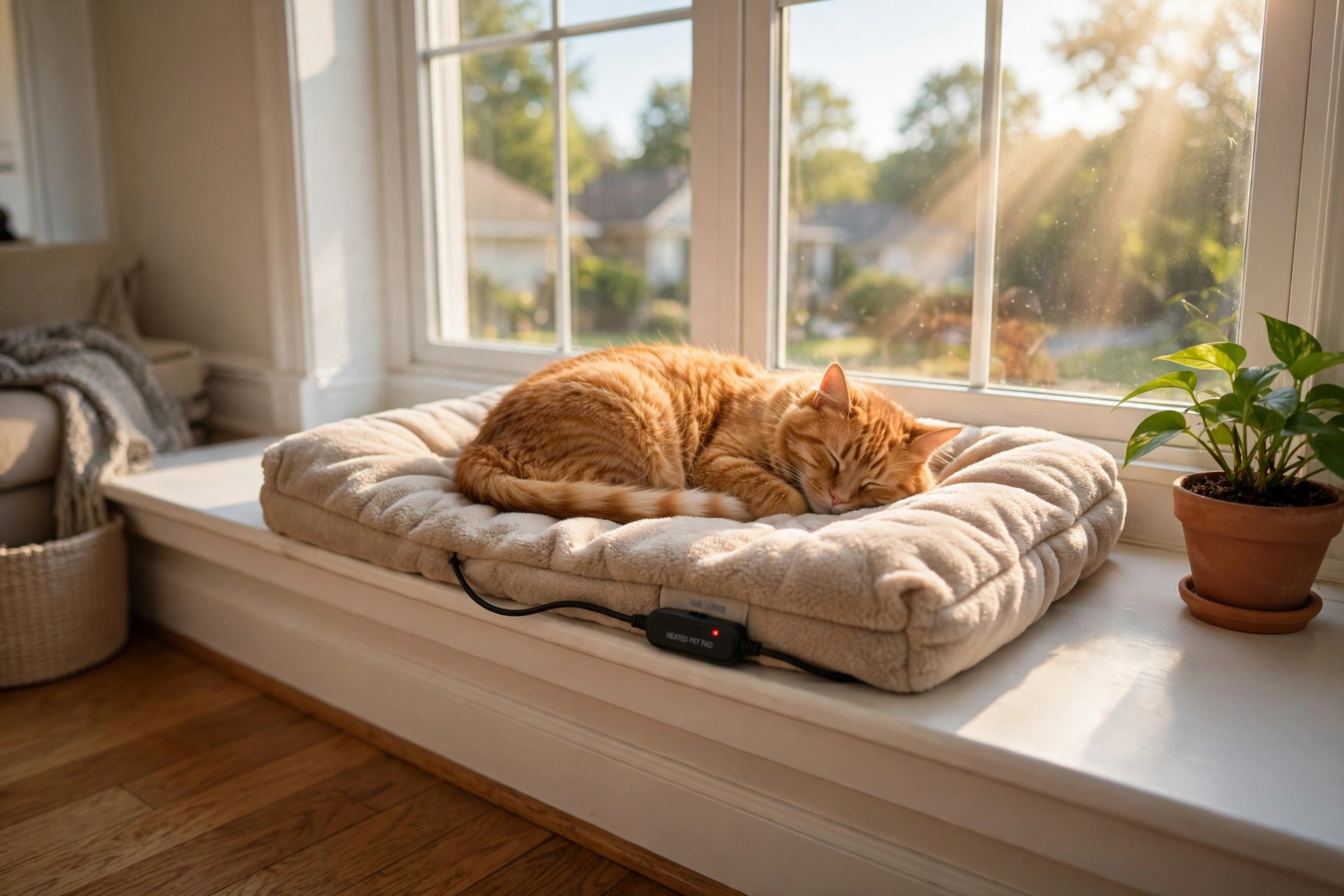
Finding the best heated cat bed for window sill use takes a little thought. Cats love warm spots. They love high spots. A window sill gives them both. It is warm in the sun. It is high off the floor. It gives a fine view of birds and street life. When winter comes, the sun alone may not be enough. The sill can feel cold to the touch. A heated bed solves this problem. It adds gentle heat under a soft pad. Your cat can lie there for hours in comfort.
Many owners want a simple answer. They want one product that fits their sill and keeps the cat warm. This guide gives a plain answer. It explains what to look for. It compares the main types. It covers cost, care, and safety. It also answers the questions most owners ask before they buy. By the end, you will know how to pick the best heated cat bed for window sill use in your own home.
Why Cats Love a Heated Window Sill Bed: Best Heated Cat Bed for Window Sill
Cats seek warmth by instinct. A cat rests 12 to 16 hours a day. In the wild, a warm den meant safety. At home, the warmest seat often sits on the sill. Glass lets the sun in. The sun heats the sill through the day. When the sun moves on, the sill cools fast. A heated bed keeps the warmth steady. Your cat does not have to move to stay warm.
A sill bed also feeds the mind. Cats watch. They watch birds at the feeder. They watch leaves in the wind. They watch cars and dogs go by. This is their news of the day. A plain sill is hard and narrow. A padded, heated bed turns it into a throne. Many owners say their cat stops stealing the sofa once the sill bed arrives. The cat window perch for sunny window lounging is a close cousin of this product. Both give height and sun. The heated bed adds warmth on top.
Older cats gain the most. Stiff joints ache less with gentle heat. A senior cat that naps all day will use the bed every day. Even young cats learn fast. Put the bed where the sun falls. Most cats claim it within a week.
What to Look for When You Buy
Not every heated bed fits a window sill. Sills are narrow. They have edges. They may be wood, stone, or vinyl. Measure before you buy. Know the width and depth of your sill. Know the height of the window frame above it. A bed that hangs over the edge is not safe.
Size and Sill Fit
Most indoor sills are 4 to 8 inches deep. Some are wider. Old houses may have deep stone sills. Measure the depth at two or three points. Write down the smallest number. Buy a bed that fits inside that number. Many sill beds are 14 to 20 inches wide. They suit most cats. Large cats may need 22 inches or more. The bed should sit flat. It should not rock. If your sill is too narrow, look at a perch that mounts to the glass or the wall instead.
Heating Type
Two kinds of heat are common. Electric pads use a low-watt cord. They warm to about 10 to 15 degrees above room air. Some have a thermostat. Self-warming pads use a thin sheet that reflects body heat back. They need no cord. Electric pads give steady heat. Self-warming pads give mild heat and cost nothing to run. Pick electric heat for cold rooms. Pick self-warming pads for mild climates or for cats that chew cords.
Cord Safety and Design
A cord near a window is a risk. Cats play with cords. They chew them. They pull them. Look for a steel-wrapped cord. Look for a cord that tucks under the bed. The power unit should sit flat against the wall. The plug should reach the outlet without stretching across the floor. Never run a cord under a door. Never use an indoor bed outdoors. The heated cat house for outdoor feral cats is built for rain and cold air. Indoor sill beds are not.
Types of Heated Cat Window Sill Beds
Shops sell several designs. Each suits a different home. The main four types are below.
Electric Low-Wattage Sill Pads
These are the most common choice. A flat pad sits on the sill. A cord runs to the wall. A soft cover goes over the pad. Heat stays low and steady. Many models use 4 to 7 watts. That is less than a night light. The pad keeps a steady temperature all day. Covers come in fleece, faux fur, and sherpa. Most covers wash in a machine. This type suits deep sills and cold rooms. It is the closest thing to the true best heated cat bed for window sill use in winter.
Self-Warming Reflective Pads
These pads hold a thin layer of mylar or similar film. The film bounces the cat’s own heat back to the cat. There is no cord. There is no plug. You can put one on any sill. They cost little. They work best when the room is not very cold. They work well for cats that fear cords. They also work as liners inside other beds. Heat is mild. It will not match an electric pad on a cold night.
Suction-Cup Window Perch with Heat
This type hangs on the glass itself. Strong cups hold a frame. A heated pad lies in the frame. It frees the sill for plants. It holds the cat close to the glass and the sun. Check the weight limit. Most hold 25 to 50 pounds. Clean the glass before you mount it. Dust weakens the cups. This type suits narrow sills and wide windows. It is worth a look if your sill is too thin for a pad.
Radiator and Sill Hybrid Beds
Some beds hang on a radiator and extend to the sill. Others hook over the sill edge like a shelf. They use the heat that rises from the radiator below. They add a cushion on top. These suit homes with hot-water or steam heat. They need no cord at all. They are not true heated beds. They are warm beds. Owners in old houses swear by them.
The American Society for the Prevention of Cruelty to Animals offers general pet-care guidance that helps owners think about rest and warmth for indoor cats (ASPCA). For heat-related questions, the pet health editors at PetMD publish plain guides on keeping cats comfortable in cold weather.
Cost and Price
Prices run wide. A basic self-warming pad costs 15 to 30 dollars. A good electric sill pad costs 30 to 60 dollars. A suction-cup perch with heat costs 40 to 80 dollars. Designer or orthopedic models can pass 100 dollars. Most buyers pay 35 to 55 dollars for a solid choice.
Running cost is low. A 5-watt pad costs pennies a month. A model with a thermostat costs even less. It shuts off when the bed is warm. Replacement covers cost 10 to 20 dollars. Many owners buy a spare cover. One washes while one stays in use.
Do not judge by price alone. A cheap pad may lack a steel-wrapped cord. It may lack a thermostat. It may have a thin cover that pills fast. Read the box. Look for a listed safety standard. Look for a brand you can reach by phone. Retailers such as Chewy and PetSmart list full specs for most models. Petco does the same. Compare two or three models before you decide.
Care and Upkeep
A sill bed needs regular care. Hair builds up fast. Wash the cover every one to two weeks. Use warm water and mild soap. Air dry or tumble low. Check the pad each month. Look for chewed cords. Look for bare wires. Look for scorched spots on the cover. If you see damage, stop using the bed. Replace the pad or the whole unit.
Wipe the sill under the bed each week. Dust and grit grind into covers. A clean sill helps suction cups hold. It also stops mold in damp windows. In summer, unplug the electric pad. Store it flat. Heat and sun wear out pads left plugged in all year.
Rotate the bed now and then. Cats lie in one spot. Foam flattens there. A quarter turn spreads the wear. If the bed has a removable insert, flip it each wash. These small steps add years to a good bed.
Safety
Heat and cats mix well, but care is still needed. Keep these rules in mind.
First, buy only pads made for pets. Human heating pads run too hot. They can burn a cat that sleeps for hours. Pet pads stay near body temperature. Second, check the cord. A steel-wrapped cord resists chewing. A tucked cord resists pulling. Third, never cover an electric pad with extra blankets. Extra layers trap heat. The pad can overheat.
Fourth, watch the window. A south-facing sill gets hot in summer sun. Move or unplug the bed in hot months. Fifth, keep plants away. Some houseplants poison cats. A cat that chews a leaf at sill level is at risk. Move toxic plants to another room. The safety guidance at CPSC covers household product hazards worth knowing.
Sixth, test new beds. Place your hand on the pad after one hour. It should feel warm, not hot. If it feels hot, return it. Seventh, senior cats and kittens need closer watch. They move less. They may not leave a pad that grows too warm. A heated pet bed for arthritic older dogs follows the same low-heat rules. The principle is the same across species.
The Spruce Pets publishes clear safety checklists for heated pet products (The Spruce Pets). The American Kennel Club also maintains care articles that, while dog-focused, explain safe heating practices well (AKC). For broader home context, the home editors at Home Depot carry buying guides for window and pet comfort products.
Frequently Asked Questions
How hot does a heated cat bed get?
Most pet-safe electric pads warm to 102 to 105 degrees at the surface. This is close to a cat’s body heat. They do not reach the heat of a human heating pad. Self-warming pads stay a few degrees above room air. Always test with your hand before the first long nap.
Is a heated bed safe to leave on all day?
Yes, if the bed is made for pets and the cord is sound. Low-watt pads are built for long use. Models with a thermostat are best. They cycle off when warm. Check the cord and cover each month. Unplug in summer or when the room is already warm.
Will my cat use it, or ignore it?
Most cats take to a warm sill fast. Place the bed where the sun falls. Add a treat or a familiar blanket on top. Give it a week. Shy cats may need two weeks. If the cat still avoids it, try a self-warming pad first. Some cats dislike the faint hum of electric pads.
Can I put a heated bed on any window sill?
Nearly any indoor sill works if it is wide and flat enough. Measure the depth first. The bed must sit flat without hanging over the edge. Very narrow sills need a suction-cup perch instead. Keep the bed away from curtains that can bunch under it.
Electric or self-warming: which is better?
Electric pads give stronger, steadier heat. They suit cold rooms and senior cats. Self-warming pads cost less and need no cord. They suit mild climates and cord-chewers. Many owners keep one of each. The electric pad serves winter. The self-warming pad serves spring and fall.
How do I wash a heated cat bed?
Wash only the cover. Remove the electric insert first. Machine wash the cover in warm water with mild soap. Air dry or tumble on low. Never soak an electric pad. Wipe the pad with a damp cloth if it needs cleaning.
Final Word
The best heated cat bed for window sill use is the one that fits your sill, suits your cat’s age, and runs safe all day. Measure first. Choose electric heat for cold rooms and self-warming pads for mild ones. Guard the cord. Wash the cover. Check the pad each month. A small outlay buys your cat a warm seat with a view for years. That is money well spent.
References
American Kennel Club. (n.d.). Dog care and training resources. https://www.akc.org ASPCA. (n.d.). Pet care and animal welfare resources. https://www.aspca.org Chewy. (n.d.). Pet supplies. https://www.chewy.com Petco. (n.d.). Pet supplies and services. https://www.petco.com PetMD. (n.d.). Pet health information. https://www.petmd.com PetSmart. (n.d.). Pet supplies and services. https://www.petsmart.com The Home Depot. (n.d.). Home improvement products. https://www.homedepot.com The Spruce Pets. (n.d.). Pet care guides and product reviews. https://www.thesprucepets.com U.S. Consumer Product Safety Commission. (n.d.). Product safety information. https://www.cpsc.gov
Was this guide helpful?

About Robert Taylor
The My Garden US editorial team writes practical, in-depth home and garden guides for American homeowners — tested advice, no fluff.
You May Also Like

Outdoor Rabbit Hutch for Cold Weather Climates: A Plain Guide
February 3, 2026 0 views
Dog Anxiety Vest for Thunderstorms and Fireworks: A Complete Guide
April 16, 2026 0 views
Best Pet Fence for Camping Portable Panels
February 22, 2026 0 views