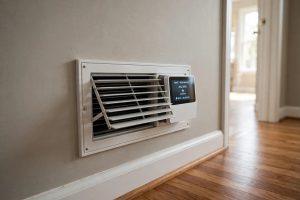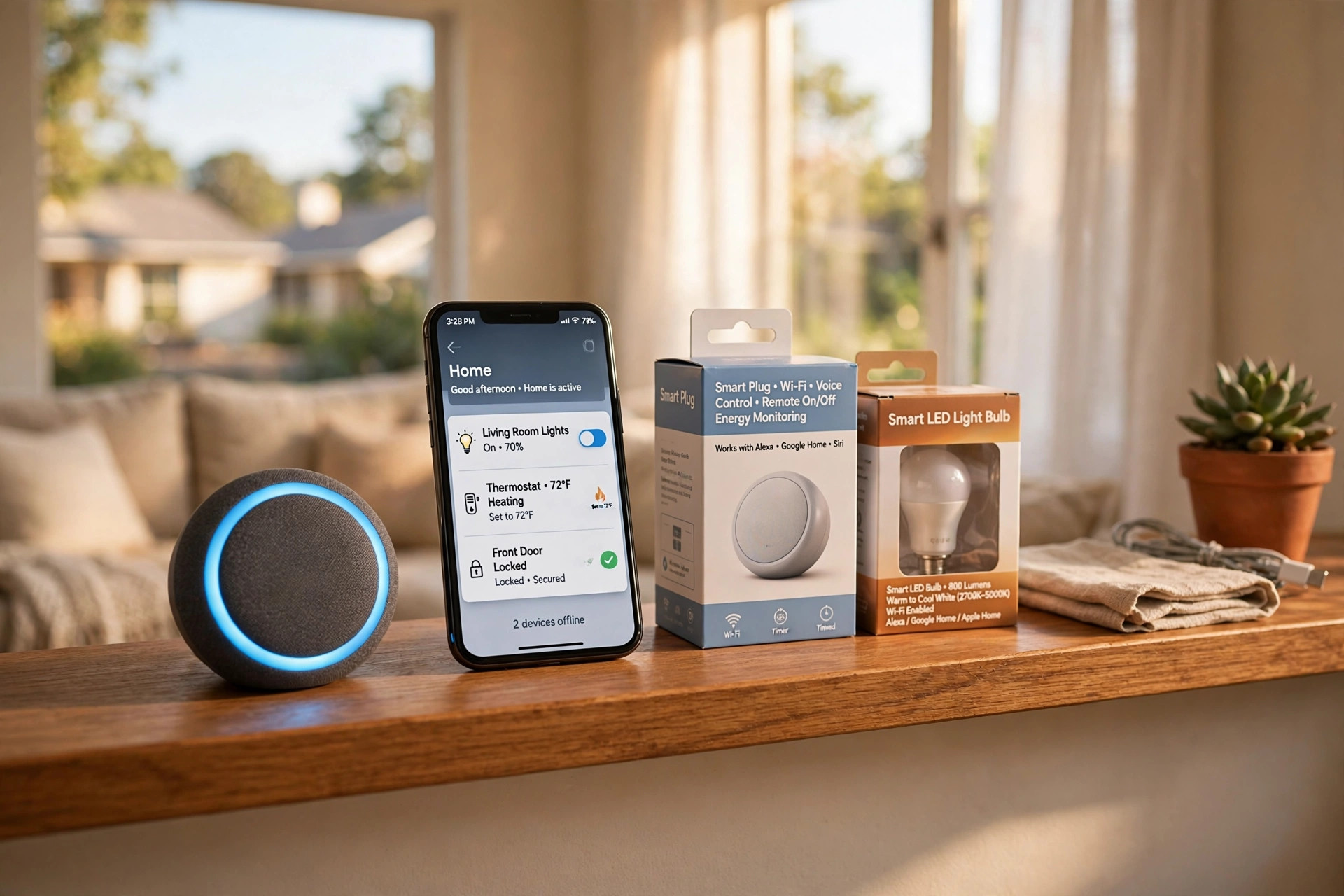

A search for the best smart home hub for beginners usa turns up more products than any first-time buyer should have to sort through. Big tech brands, small start-ups, and old names from the security trade all sell something they call a hub. The boxes use words like “mesh,” “protocol,” and “thread” that mean little to a normal shopper. This guide strips the topic down to plain facts. It explains what a hub does, which kinds suit a beginner, what to look for before you pay, what a fair price looks like, and how to keep the thing running once it is in your house.
Why a Hub Matters for a Beginner
A smart home hub is one small box that lets many different smart devices talk to each other. Without a hub, each device needs its own app on your phone. One app for the front door lock. Another app for the living room lamp. A third app for the thermostat. It does not take long before the phone holds ten apps and the house still does not work as one system.
With a hub, you open one app. The lock, the lamp, and the thermostat all appear on the same screen. You can set simple rules, such as “lock the door and dim the lamps at ten o’clock.” The hub sends the orders to each device. For a beginner, that single screen is the whole point. It turns a pile of gadgets into a system you can run from the sofa.
A hub also lets devices use local wireless signals that reach further and use less power than your Wi-Fi. Some sensors, such as door contacts and motion units, run on small batteries for a year or more because the hub handles the heavy work. That is why the best smart home hub for beginners usa is rarely the fanciest box on the shelf. The best one for a beginner is the box that makes the first week easy.
What a Smart Home Hub Does: Best Smart Home Hub for Beginners Usa
At its core, a hub does three jobs. First, it joins your smart devices to one network. Second, it carries out rules you set, such as turning a porch light on at dusk. Third, it gives you one point of control, usually an app on your phone, and often voice control through a speaker.
Beginners should look for a hub that sets up in under thirty minutes. The box should come with a clear printed guide. The app should ask plain questions: what room is this device in, what should it be called, and when should it act. Avoid any hub whose reviews say the setup needs a computer or a network degree. In 2026, the good ones do not ask for that.
Check what the hub works with before you buy. Most homes in the USA run a mix of brands: a lock from one maker, bulbs from another, a doorbell from a third. The hub page should list the brands and device types it supports. A strong beginner hub works with the big voice systems and with the common wireless types found in American homes. Trusted review sites keep updated lists of which hubs support which devices, and Consumer Reports publishes plain-language ratings that compare hubs side by side.
Know the Main Systems
Three systems matter most to a beginner in the USA. The first is the voice assistant built into the hub or linked to it. Many shoppers already own a speaker or a phone with a voice assistant, so a hub that answers the same assistant feels natural. The Google Store shows how one maker’s hub, speakers, and cameras fit into one family.
The second system is the wireless standard the hub uses to reach sensors and locks. The common ones in American homes include Wi-Fi, Zigbee, Z-Wave, and the newer Matter standard. A beginner does not need to master these. The point to grasp is simple: a hub that speaks more than one standard gives you more choice when you buy new devices later.
The third system is the app. You will open it every day. Download the free app and read its reviews in the app store before you buy the hardware. An app with thousands of one-star complaints about crashes will spoil even good hardware.
Types of Hubs You Can Buy
Hubs for beginners fall into four rough groups. Each suits a different kind of household.
Voice-assistant hubs. These are speakers with hub functions built in. They answer voice commands and control devices. They suit renters and small apartments because they need no extra box. If you already talk to a speaker in your kitchen, a voice-assistant hub is the shortest path into a smart home.
Dedicated smart home hubs. These are small boxes whose only job is to run the home. They sit near your router and quietly manage lights, locks, and sensors. They suit owners who plan to add many devices over time, since dedicated hubs usually support the widest range of products. Ring and SimpliSafe both build their security-minded hubs around this idea, with the hub as the heart of doorbells, cameras, and sensors.
Security-system hubs. These come as part of a home security kit. They control alarms, motion sensors, and cameras first, and lights and locks second. They suit buyers whose main goal is safety rather than comfort. Many let you start with no monthly fee and add professional monitoring later, which pairs well with guides to the best home security system with no monthly fee.
Router-based hubs. Some modern Wi-Fi routers now include hub functions. One box gives you both internet and smart-home control. They suit buyers who are already shopping for a new router and want fewer boxes on the shelf. CNET and PCMag both review these combo devices and note where they fall short of dedicated hubs.
For a first purchase, most beginners do best with either a voice-assistant hub or a dedicated hub from a brand they already trust. Both keep the learning curve short.
What a Smart Home Hub Costs in the USA
Prices in the USA fall into three bands. A basic voice-assistant hub with built-in control costs roughly 50 to 100 dollars. This is the cheapest way to start, and for many beginners it is all they ever need.
A mid-range dedicated hub costs roughly 100 to 180 dollars. These boxes support more devices and more wireless standards. They suit buyers who plan to grow past five or six devices.
A full security-system hub kit costs roughly 180 to 400 dollars for the starter hardware. Monthly monitoring, if you want it, adds 10 to 30 dollars a month, but many kits work without it.
Beyond the hub, budget for the devices themselves. A smart bulb costs 10 to 25 dollars. A smart plug costs 15 to 30 dollars. A smart lock costs 150 to 250 dollars, and readers comparing models often start with reviews of the best smart lock for the front door. A leak sensor for the laundry room costs 20 to 40 dollars, and early warnings about water damage make a smart water leak detector one of the smartest first add-ons. A fair beginner budget for hub plus four or five devices is 250 to 500 dollars.
Watch for hidden costs. Some brands charge a yearly fee to unlock automation features. Others need a paid cloud plan to store camera video. The box or the maker’s site should state plainly what works for free. If the fee details are hard to find, treat that as a warning.
Setting Up and Caring for Your Hub
Most beginner hubs set up in the same way. Plug the hub in near your router. Open the app and create an account. The app finds the hub on your network. Then you add devices one at a time, following the pictures on the screen. Give each device a plain name, such as “front porch light.” Names you can speak clearly make voice control much smoother.
Keep the hub where its signal reaches the whole house. A central shelf on the main floor beats a corner of the basement. If the hub uses your Wi-Fi, keep it within a reasonable distance of the router, or use the ethernet port many hubs include.
Care is simple. Let the app update the hub when it asks. Makers fix bugs and close security holes through these updates, and the Consumer Product Safety Commission has urged smart-home owners to keep devices current. Once a year, walk through the app and remove devices you no longer own. A tidy device list keeps the system fast and easy to read.
If a device stops answering, do not panic. Nine times in ten, the fix is to unplug the device, wait ten seconds, and plug it back in. The hub will usually find it again on its own.
Safety and Security
A hub sits at the center of your home, so its security matters. Buy hubs from makers with a real reputation and a published privacy policy. Use a strong, unique password for the hub account, and turn on two-step verification when the app offers it. Keep the hub’s software updated, as noted above.
Think about who can reach your devices. A neighbor’s phone should not be able to turn your lamps on. Most apps let you see every signed-in device and sign out old ones. Do this after guests leave or when you replace a phone.
For homes with children, check what voice purchasing and door-unlock commands the hub allows. Set a spoken PIN for locks if the hub supports it. ADT and other security brands publish guides on setting up safe routines for families, and the technology press, including The Verge, often covers how new hubs handle privacy controls.
One more honest note: no hub is perfect. Power cuts stop cloud-based hubs until the internet returns. Keep a normal key for any smart lock, and keep one old-fashioned light switch path in each room. A smart home should make life easier, not leave you in the dark.
Frequently Asked Questions
Do I need a hub if I only want two or three smart devices? Probably not. Most single-brand devices work fine through the maker’s own app. A hub earns its place once you own devices from different brands or want them to act together on a schedule.
Which smart home hub is easiest for a complete beginner? The easiest hub is the one tied to the voice assistant you already use. If your phone and speaker come from the same maker, buy that maker’s hub or speaker-hub. The app will feel familiar and the setup will reuse your existing account.
Can a smart home hub work without the internet? Partly. Rules stored on the hub itself, such as a motion sensor turning on a lamp, often keep working when the internet drops. Voice commands and remote control from outside the house need the internet. Ask the maker which features run locally before you buy.
Will a hub from one brand control another brand’s devices? Often, yes. The newer Matter standard was built for exactly this. Check the hub’s supported-device list for the brands you own or plan to buy. When in doubt, buy the first device and the hub from brands that both claim Matter support.
How many devices can a beginner hub handle? Most beginner hubs handle 50 or more devices, far beyond what a starter home needs. The practical limit is your patience, not the hub. Add devices slowly, name them well, and test each one before adding the next.
Is it safe to buy a used smart home hub? It can be, but reset it fully before use and check that the maker still supports that model with updates. A hub no longer receiving security updates is not worth any discount.
A Final Word
The best smart home hub for beginners usa is not the box with the longest feature list. It is the box you can set up on a Saturday morning and still enjoy on a Tuesday night. Start small: one hub, a few lights, maybe a lock and a leak sensor. Learn the app. Build one or two simple routines. Add more only when the first set feels natural. Shopped wisely and set up with care, a beginner hub turns an ordinary American home into a quieter, safer, easier place to live, one small device at a time.
References
ADT. (n.d.). Home security and automation. https://www.adt.com CNET. (n.d.). Technology news and reviews. https://www.cnet.com Consumer Reports. (n.d.). Product reviews and ratings. https://www.consumerreports.org Google Store. (n.d.). Smart home devices. https://store.google.com PCMag. (n.d.). Technology product reviews. https://www.pcmag.com Ring. (n.d.). Smart home security devices. https://www.ring.com SimpliSafe. (n.d.). Home security systems. https://www.simplisafe.com The Verge. (n.d.). Technology news and reviews. https://www.theverge.com U.S. Consumer Product Safety Commission. (n.d.). Product safety information. https://www.cpsc.gov
Was this guide helpful?

About Michael Thompson
The My Garden US editorial team writes practical, in-depth home and garden guides for American homeowners — tested advice, no fluff.
You May Also Like

Basement Window Security Bars Reviews USA: A Plain Buyer’s Guide
January 14, 2026 0 views
Best Trail Camera for Home Security USA: A Plain Guide
January 24, 2026 0 views
Best Outdoor Smart Plug Reviews 2026 USA: What to Buy
August 15, 2026 0 views