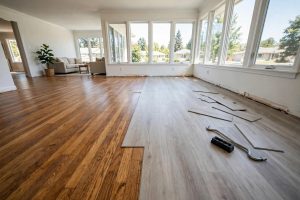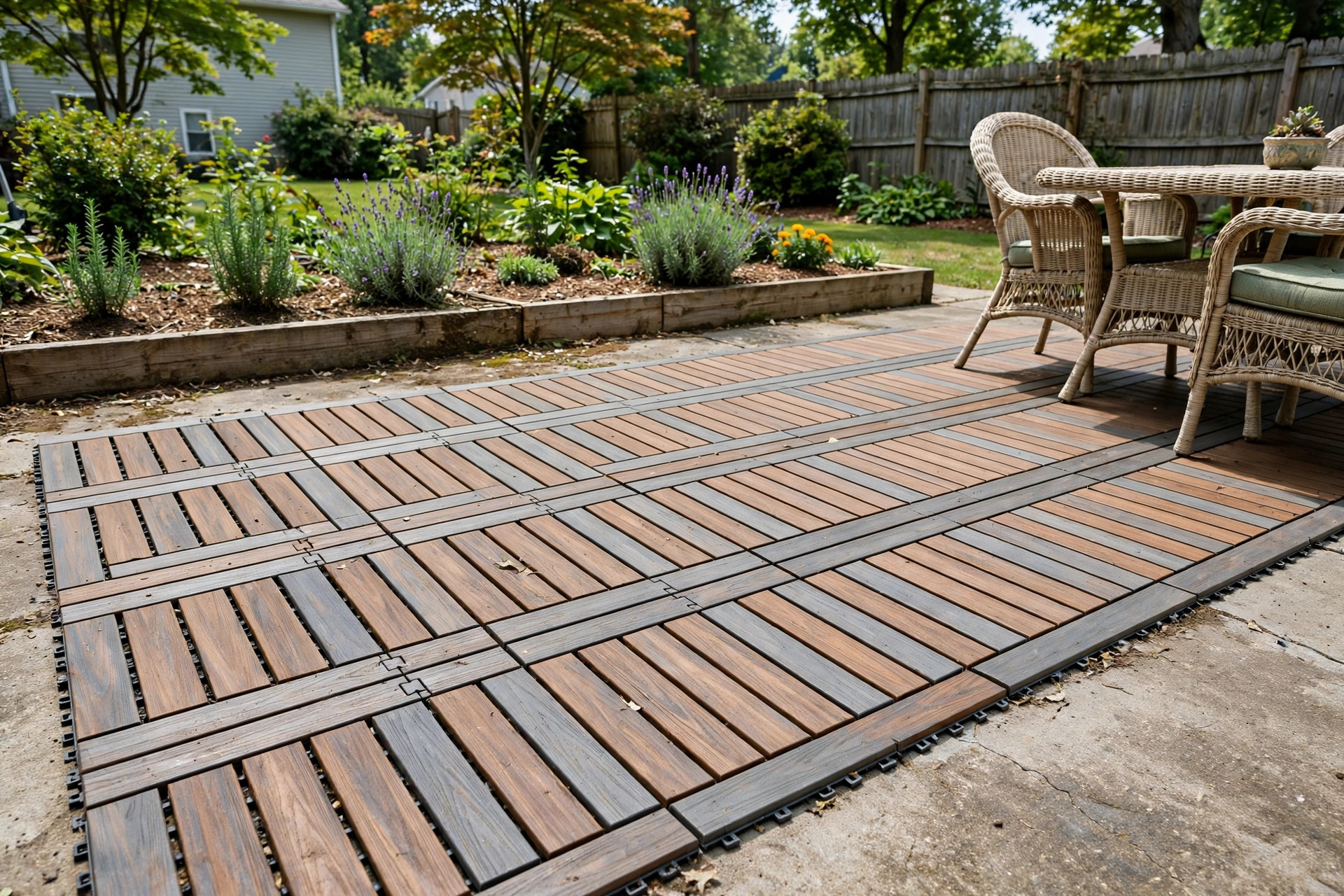

A plain concrete patio is strong, but it is not always pretty. The gray slab can crack. It can stain. It can look cold and bare year after year. Many homeowners want a warmer surface without tearing the old concrete out. Interlocking deck tiles for concrete patio work answer that wish. These small square tiles snap or hook together at the edges. You lay them right over the old slab. No glue. No mortar. No special tools in most cases. The result is a clean, even surface that looks like wood, stone, or tile. This guide explains what these tiles are, why they matter, how to choose them, what they cost, and how to keep them in good shape.
Why They Matter
A concrete patio can last for decades. Tearing it out is costly. It is also messy and loud. A full replacement can cost thousands of dollars. In contrast, interlocking deck tiles for concrete patio cost give a fresh surface for far less money. A homeowner can cover a tired slab in one weekend. There is no need to hire a contractor for basic installs. There is no waiting for concrete to cure.
The tiles also solve small problems that plain slabs cannot. Concrete gets hot in summer sun. It holds water in puddles after rain. Many deck tiles sit on a raised grid base. Air and water pass under the slats. The walking surface stays cooler. Puddles drain through the gaps. Bare feet do better on wood or rubber tiles than on rough gray cement.
Style matters too. A plain slab limits the look of a yard. Wood deck tiles add warmth. Stone-look composite tiles add a modern feel. A patio that felt like a side yard can start to feel like a room.
For rental homes, these tiles are a smart pick. They sit loose on the slab. A renter can lift them and take them along at move-out. For older homes, they hide cracks and patch marks without sealing them forever. The slab below stays intact. Nothing is glued down. Nothing is permanent.
What to Look For When Choosing: Interlocking Deck Tiles for Concrete Patio
Not all interlocking tiles are equal. Three main materials lead the market. Each has its own strengths and weak points.
Wood tiles use slats of hardwood or softwood. Acacia is common. Eucalyptus and ipe show up too. Real wood feels warm and looks rich. It needs oil or sealer to keep its color. Without care it turns gray. Some graying is natural and fine. Wood tiles can splinter if they dry out, so regular light care helps.
Composite tiles blend plastic with wood fiber. They look like wood but need less care. They resist stains and insects. They do not need yearly sealing. Color choice is wide, from cedar red to driftwood gray. Composite runs warmer under bare feet than concrete but cooler than dark wood. It can cost more up front than plain wood tiles.
Plastic and rubber tiles round out the group. They are light and easy to cut. Rubber tiles cushion falls, which suits families with small children. Stone-look porcelain tiles sit on plastic bases too. These weigh more but give a true tile look. They suit covered patios best, since smooth porcelain can get slick when wet.
When shopping, check the tile thickness. Thicker tiles last longer and bridge small dips in the slab. Check the joint type. Most tiles snap with plastic tabs. The tabs should fit tight with no wobble. Check the tile size. Twelve-inch squares are standard. Larger tiles cover faster but show dips more.
Also check the rating for outdoor use. Some tiles are made for porches and balconies only. They may fade or warp in full sun. Look for tiles rated for full weather. Read the care label. If you do not want to oil or seal, pick composite or plastic over wood.
Home improvement guides at places like This Old House and Bob Vila walk through material trade-offs in plain terms. Big-box stores such as Home Depot and Lowe’s stock sample boards so you can feel the texture before you buy.
Types and Options
Solid Wood Tiles
Solid wood interlocking deck tiles for concrete patio installs are the classic choice. Slats of acacia or teak sit on a plastic mesh base. The base keeps wood off the wet slab. The mesh tabs snap together. A twelve-inch tile covers one square foot. Wood tiles give the warmest look. They suit gardens, grill areas, and spa decks. They need a light coat of deck oil once or twice a year in hot climates.
Composite Deck Tiles
Composite tiles copy wood grain in molded plastic blends. Brands aimed at flooring buyers, including names seen on Shaw Floors and Mohawk Flooring product lines, show how far composites have come in color and texture. They do not splinter. They do not need staining. They shed water well. They are heavier than wood tiles, which helps them sit flat.
Stone and Porcelain Tiles
Stone-look tiles mount real stone or porcelain on a plastic base. The stone can be slate, granite, or travertine. Porcelain versions copy stone at lower cost. These tiles feel solid underfoot. They suit formal patios and pool surrounds. They can chip if a heavy object drops on the edge. On a covered patio they keep their color for years. Daltile and similar makers sell outdoor-rated porcelain in many patterns.
Rubber and Grass Tiles
Rubber tiles cushion play areas. They come in earth tones and black. They drain well and do not get hot. Artificial grass tiles snap together too. They give a lawn feel on a slab with no mowing. Grass tiles fade in strong sun over a few years. Plan to rotate or replace sun-beaten sections.
Mixed Patterns
Many buyers mix wood and stone tiles in a checkerboard. The look breaks up large patios. It also marks zones, such as a dining area versus a walkway. Keep to two colors at most. More than that can look busy.
Cost and Price
Interlocking deck tiles for concrete patio price ranges are wide. Plain acacia wood tiles often run three to six dollars per square foot. Mid-range composite tiles run five to ten dollars per square foot. Stone and porcelain tiles can run eight to fifteen dollars per square foot. Premium teak can cost more.
A ten-by-ten patio is one hundred square feet. Budget roughly three hundred to one thousand dollars for the tiles alone. Add ten percent extra for cuts and mistakes. Edge trim pieces, sold by some brands, add a finished border. A set of ramps for door thresholds may be needed too.
Compare that with other patio options. Pouring a new stamped concrete patio can run eight to fifteen dollars per square foot installed. Full wood deck builds run far more. The snap-together tiles are among the cheapest ways to resurface a slab. For context on what full driveway and floor projects cost, see guides on brick paver driveway cost per square foot and polished concrete floors cost residential usa. Flooring retailers like LL Flooring also publish price guides that help with budgeting.
Shipping can add up. Tiles are heavy. Order from a store with local pickup if you can. Watch for sales in spring and fall. Many stores clear patio goods at season end. Buy one extra box. Dye lots change between runs, and a matching box later may not match.
Installation Basics
Installation is simple enough for most homeowners. Start with a clean slab. Sweep it well. Wash off dirt and moss. Let it dry. Fix big cracks if they trip feet, but small cracks can stay. The tiles will bridge them.
Plan the layout first. Snap a few tiles together on the driveway to see the pattern. Start at the house wall or the most visible edge. Work outward in rows. Leave a small gap at walls and posts for air and drainage. The tiles expand a little in heat.
Snap the tabs with firm hand pressure. Some joints need a rubber mallet tap. Do not hit the tile face. If a tile will not seat, lift it and check for dirt in the joint. Cut edge tiles with a hand saw or a jigsaw. Wood tiles cut like lumber. Composite tiles cut like plastic decking. Wear safety glasses when cutting.
Check for slope as you go. Patios slope away from the house for drainage. The tile base follows that slope. Do not stack shims under low spots. Shims trap water. If the slab dips badly, fill the dip with a patch mix first and let it cure.
Most people finish a small patio in a few hours. A helper speeds the work. Keep knees padded. Kneeling on tile edges all day is rough. Stand back often and sight down the rows. Straight rows look far better than drifted ones.
Care and Upkeep
Care is light, but it is not zero. Sweep the tiles often. Leaves and dirt hold moisture. Rinse with a garden hose now and then. For stuck dirt, use mild soap and a soft brush. Skip the pressure washer on wood tiles. High pressure tears wood fiber and drives water into joints.
Oil wood tiles when they start to look dry. A light deck oil keeps the color rich. Do it in mild weather. Work in small sections. Wipe off extra oil so the surface is not slick. Composite and plastic tiles need no oil. Wash them with soap and water.
Check the snap joints once a year. Lift a corner tile and look at the tabs. Replace any tile with broken tabs. Most brands sell single tiles, so repairs are cheap. In cold climates, lift a few tiles before winter to check for trapped leaves. Wet leaves under tiles can stain the slab.
For indoor-outdoor guidance on related tile choices, the piece on mexican tile for bathroom floor for sale covers tile buying basics that apply here too. General care advice from The Spruce helps with seasonal checklists.
Safety
Safety starts underfoot. Choose tiles with a textured surface. Smooth stone-look tiles can get slick when wet. Test a sample with wet shoes before you buy a full set. Place a mat at the door where feet come in wet.
Keep the walking surface level. A loose tile with a raised edge can trip a guest. Reseat lifted tiles right away. Trim tiles that rock. A rocking tile often means dirt packed under the base. Lift it, clean the spot, and snap it back.
Think about heat. Dark tiles absorb sun. In hot states, dark brown or black tiles can burn bare feet at noon. Lighter colors stay cooler. Rubber tiles stay cooler than dark wood in most tests. Plan shade or shoes for the hottest hours.
Watch for insects in wood tiles. Real wood can host ants or termites in damp climates. Keep tiles off soil and away from wood piles. A light insect check each spring is enough. Composite and plastic tiles have no such worry.
Fire safety counts near grills. Wood tiles can scorch under a hot grill. Put a heat mat under any grill or fire pit. Keep open flames off the tile surface. Check local rules for rooftop decks, where weight and fire codes both apply.
FAQ
How long do interlocking deck tiles last on a concrete patio?
Wood tiles last about five to eight years with basic care. Composite tiles often last ten years or more. Stone and porcelain tiles can last longer than the base tabs that hold them. Harsh sun and standing water shorten life. Good drainage and yearly checks add years.
Can I install them over cracked or stained concrete?
Yes, in most cases. Small cracks and stains are exactly what these tiles hide. Fill wide cracks that could trip feet. Grind down high spots. The tiles bridge dips up to about a quarter inch. For deeper damage, patch the slab first.
Do the tiles need glue or screws?
No. The snap joints hold them together. Gravity holds the grid to the slab. Edge pieces and ramps may use small screws or adhesive, but the field tiles stay loose. That makes repairs and removal easy.
Will water get trapped under the tiles?
A little water passes under the raised base and drains out. That is by design. The slab should still slope away from the house. Do not lay tiles on a slab that ponds badly. Fix the drainage first, then lay the tiles.
Can I use them around a pool?
Many people do. Pick tiles rated for wet areas with a textured grip. Rinse off pool chemicals often. Chlorine can fade some colors over time. Avoid smooth porcelain right at the pool edge where wet feet slip.
Are they good for renters?
Yes. They are one of the best patio upgrades for renters. They install without tools in most cases. They come up clean with no damage to the slab. Store them stacked flat in winter if you move them.
A Short Final Word
Interlocking deck tiles for concrete patio projects turn a dull slab into a warm living space in a single weekend. The choice comes down to material, budget, and how much care you want to give. Wood is warm and honest but asks for yearly oil. Composite is calm and easy but costs more. Stone looks grand but wants a covered spot. Measure your slab, buy a little extra, and start at the most seen edge. Sweep often, oil the wood, and reseat loose tiles. A small habit of care keeps the patio good for years. The old concrete stays below, doing its quiet job, while you walk on something far nicer.
References
Bob Vila. (n.d.). Home improvement advice. https://www.bobvila.com Daltile. (n.d.). Ceramic and porcelain tile. https://www.daltile.com LL Flooring. (n.d.). Hardwood, vinyl, and tile flooring. https://www.llflooring.com Lowe’s. (n.d.). Home improvement products. https://www.lowes.com Mohawk Flooring. (n.d.). Flooring products. https://www.mohawkflooring.com Shaw Floors. (n.d.). Flooring products. https://www.shawfloors.com The Home Depot. (n.d.). Home improvement products. https://www.homedepot.com The Spruce. (n.d.). Home and garden advice. https://www.thespruce.com This Old House. (n.d.). Home renovation guidance. https://www.thisoldhouse.com
Was this guide helpful?

About Michael Thompson
The My Garden US editorial team writes practical, in-depth home and garden guides for American homeowners — tested advice, no fluff.
You May Also Like

Polished Concrete Floors Cost Residential USA: A Plain Guide
January 14, 2026 0 views
Trex vs TimberTech Decking Comparison for USA Homeowners
June 20, 2026 0 views
Best Tile for Shower Ceiling Reviews USA: A Plain Guide to What Works Overhead
August 25, 2026 0 views