---
Table of Contents
Table of Contents
- How Long Does Refrigerant Last in a Heat Pump: The Sealed Loop: Why Refrigerant Does Not Wear Out
- What Low Refrigerant Does to a Heat Pump
- Where Leaks Happen
- Signs Your Heat Pump Is Low on Refrigerant
- How a Technician Finds and Fixes a Leak
- What About Topping Off Without a Repair?
- Refrigerant Types: What Is in Your System
- Making Refrigerant Last: Maintenance That Matters
- Frequently Asked Questions
- References
Here is the short answer: refrigerant in a heat pump should last as long as the heat pump itself. Twenty years, more if the system is well built and well cared for. Refrigerant is not fuel. The system does not burn it, use it up, or slowly consume it the way a car consumes oil. It circulates in a sealed loop, changing from liquid to gas and back again, doing the same job on day one and on day seven thousand. If you are new to how long does refrigerant last in a heat pump, start with the basics below.
So if a technician tells you the system is "low on refrigerant," the real question is not when the refrigerant ran out. It is where the refrigerant went. Low charge means one of two things: the system was undercharged at installation, or there is a leak. Both need fixing. Topping off the charge without finding the leak is like refilling a tire with a nail in it. This guide explains how the refrigerant loop works, what makes it lose charge, the signs of a leak, and how repairs and recharges really work. For background on the equipment itself, see our comparison of heat pump vs furnace costs.
How Long Does Refrigerant Last in a Heat Pump: The Sealed Loop: Why Refrigerant Does Not Wear Out
When it comes to how long does refrigerant last in a heat pump, getting the details right makes all the difference.

Many homeowners find that how long does refrigerant last in a heat pump is easier than they expected once they know the basics.
A heat pump moves heat by circulating refrigerant between an indoor coil and an outdoor coil. In cooling mode, the refrigerant absorbs indoor heat and dumps it outside. In heating mode, the cycle reverses and the refrigerant pulls heat from the outdoor air into the house. The compressor squeezes the refrigerant, which raises its temperature; then it expands, which drops its temperature. Around and around it goes.
Nothing in that cycle consumes the refrigerant. The chemical does not break down from normal use, does not evaporate into the air, and does not get "tired." PICKHVAC puts it plainly: refrigerant is not a fuel that gets used up, and if refrigerant is low, there is a leak. That single fact answers most of the confusion around this topic.
What Low Refrigerant Does to a Heat Pump
Many homeowners find that how long does refrigerant last in a heat pump is easier than they expected once they know the basics.
The key to how long does refrigerant last in a heat pump is choosing the right approach for your space and budget.
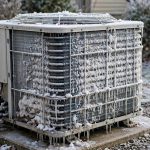
A heat pump with too little refrigerant cannot move heat the way it should. Pressures inside the system drop. The coil that absorbs heat runs colder than designed. Moisture in the air freezes on it, forming ice that blocks airflow and makes the problem worse. The system runs longer cycles to do less work, and the power bill climbs.
The compressor suffers most. It is built to pump refrigerant vapor, not to run starved of it. Running low on charge overheats the compressor and can destroy it. Compressor replacement is one of the most expensive repairs in all of HVAC, often costly enough that replacing the whole system makes better sense. That is why technicians treat low refrigerant as urgent rather than routine.
Other symptoms build up gradually: weak heating or cooling, short cycling where the system starts and stops too fast, and sometimes a faint hissing where pressurized gas escapes. Bayonet's contractor overview lists these same red flags: struggling output, short cycling from the strain, hissing at the leak point, and frost on the refrigerant lines.
Where Leaks Happen
The key to how long does refrigerant last in a heat pump is choosing the right approach for your space and budget.
With a little planning, how long does refrigerant last in a heat pump can fit even a busy schedule.
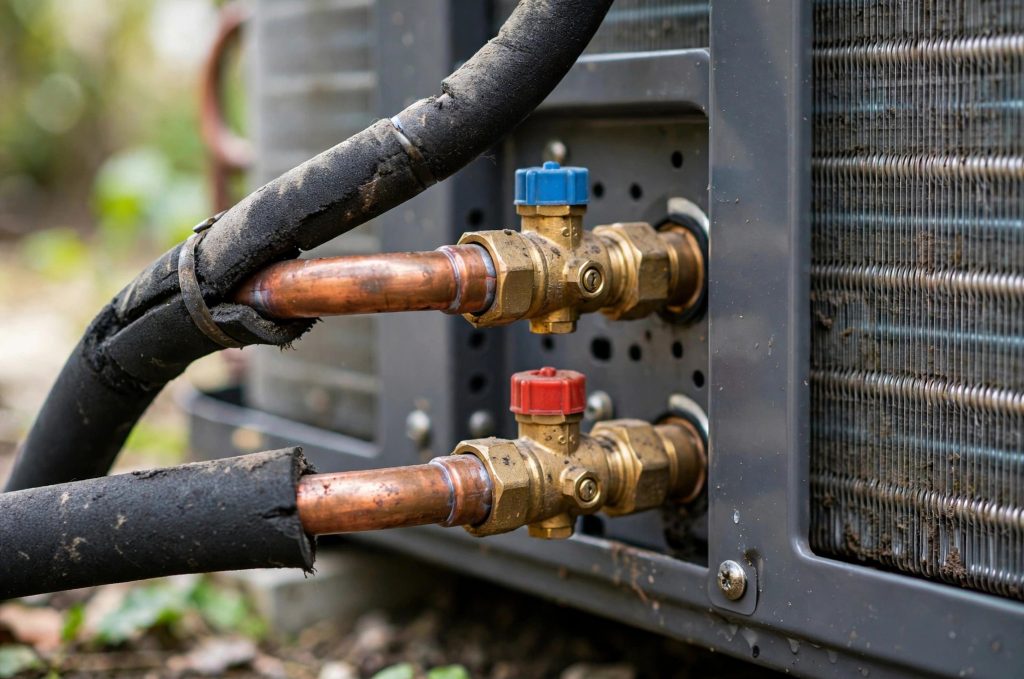
Refrigerant escapes through damage, not through wear. The common leak points are:
- Flare fittings and service valves. Connections loosen with years of vibration and temperature swings.
- Coils. Indoor and outdoor coils can develop pinhole leaks from corrosion, especially in coastal or high-pollution areas where the air attacks the metal.
- Refrigerant lines. A kinked, rubbed, or corroded line set loses its seal.
- Schrader valves. The small service ports where gauges attach can weep.
Installation quality matters enormously. A system charged wrong on day one, or with a joint that was never quite tight, can run low for years before anyone notices. This is one reason to choose an HVAC contractor carefully: good brazing and proper evacuation on installation day prevent a decade of leak chasing.
Signs Your Heat Pump Is Low on Refrigerant
With a little planning, how long does refrigerant last in a heat pump can fit even a busy schedule.
Before you start, it helps to understand how how long does refrigerant last in a heat pump works in real homes.
Watch for these:
1. Weak heating or cooling. The system runs and runs but the house never quite reaches the set temperature. 2. Ice on the outdoor coil or refrigerant lines. In heating mode, some frost on the outdoor coil during defrost cycles is normal. Thick ice that never clears is not. 3. Hissing or bubbling sounds. Pressurized refrigerant escaping makes a faint hiss, especially on the high-pressure side. This rundown of low-refrigerant signs lists ice buildup, gurgling sounds, and weak output among the early clues. 4. Rising energy bills with no change in habits. Longer, harder cycles cost more. 5. Short cycling. The system starts and quits in rapid bursts under the strain.
If you see ice, turn the system off and let it thaw before a technician arrives. Running a frozen system just grinds the compressor. Peak Mechanical's guide to heat pump refrigerant leaks stresses the same point: catching the signs early is what separates a modest leak repair from a compressor replacement.
With the basics clear, how long does refrigerant last in a heat pump becomes straightforward.
How a Technician Finds and Fixes a Leak
Before you start, it helps to understand how how long does refrigerant last in a heat pump works in real homes.
A good plan for how long does refrigerant last in a heat pump saves time, money, and frustration.
Finding a leak is detective work. A technician starts with gauges to confirm the charge is actually low, then hunts the leak with one or more methods: an electronic leak detector that sniffs for refrigerant, ultraviolet dye injected into the system that glows at the leak point, or nitrogen pressure testing that reveals where pressure drops.
Small leaks at fittings can sometimes be tightened and resealed. Leaks in a coil usually mean repairing or replacing the coil, depending on its age and condition. After the repair, the technician evacuates the system with a vacuum pump to remove air and moisture, then recharges it to the manufacturer's exact specification, weighed in, not guessed.
Federal law requires EPA certification to handle refrigerant, and venting it to the atmosphere is illegal. This is not a DIY job. The equipment, the legal rules, and the precision of the recharge all demand a licensed pro.
What About Topping Off Without a Repair?
A good plan for how long does refrigerant last in a heat pump saves time, money, and frustration.
For most people, how long does refrigerant last in a heat pump comes down to a few smart choices.
Some homeowners are offered a simple recharge with no leak search. It is cheaper today and almost always more expensive over time. The leak continues. The charge drops again. Each low-charge period stresses the compressor further. Two or three "cheap" top-offs can cost as much as one proper leak repair, and the compressor damage they allow can cost far more.
The one exception is an older system where the leak is tiny, the equipment is near the end of its life, and everyone agrees a full repair is not worth it. Even then, it is a stopgap, not a fix. Go in with open eyes.
Refrigerant Types: What Is in Your System
For most people, how long does refrigerant last in a heat pump comes down to a few smart choices.
Most residential heat pumps installed in the last decade and a half use R-410A. Older systems used R-22, which is no longer produced for new equipment and has become expensive to service. Newer systems are moving to lower-impact refrigerants like R-32 and R-454B. The type matters for service cost and for the rules around handling, which is one more reason the nameplate on your outdoor unit is worth reading before you call for service.
If your system still runs on R-22 and develops a leak, get a frank quote for both repair and replacement. At some point the math favors new equipment, especially since modern heat pumps are far more efficient. Compare your options with our guides to air-source heat pump pros and cons and the best heat pumps for cold climates.
Making Refrigerant Last: Maintenance That Matters
If you are new to how long does refrigerant last in a heat pump, start with the simplest option and build from there.
Since the refrigerant itself does not wear out, "making it last" really means protecting the sealed loop:
- Yearly professional tune-ups. A technician checks the charge, inspects connections, and catches weeping fittings early.
- Keep coils clean. Dirty coils raise pressures and temperatures, stressing every joint in the system.
- Keep the outdoor unit clear. Two feet of clearance, no plants growing into the cabinet.
- Change filters on schedule. Restricted indoor airflow ices the coil and swings pressures.
- Listen and look. New hissing, new ice, or a sudden drop in performance all deserve a prompt service call.
A dual-fuel setup can also reduce strain: our review of dual-fuel heat pump systems explains how pairing a heat pump with a furnace shares the heating load in the coldest weather. And since the thermostat controls the whole dance, the best thermostats for heat pumps are worth a look if yours is aging.
Frequently Asked Questions
When it comes to how long does refrigerant last in a heat pump, getting the details right makes all the difference.
Does refrigerant need to be replaced on a schedule? No. There is no maintenance interval for refrigerant. It lasts the life of the system unless it leaks.
Can I check the refrigerant level myself? Not meaningfully. Gauges must be attached to sealed service ports, the readings need training to interpret, and handling refrigerant without certification is illegal.
Is a refrigerant leak dangerous? Refrigerant displaces oxygen in enclosed spaces and some types have mild toxicity. A small outdoor leak is mainly an equipment and environmental issue. A large indoor leak deserves prompt professional attention and ventilation.
Why is a recharge so expensive? You are paying for the technician's time, the leak search, the vacuum and recharge procedure, and the refrigerant itself, which is costly and getting costlier for older types. A little care goes a long way with how long does refrigerant last in a heat pump.
References
Many homeowners find that how long does refrigerant last in a heat pump is easier than they expected once they know the basics.
- PICKHVAC. (n.d.). Heat pump refrigerant leak: Signs, fixes, costs, and safety guide. https://www.pickhvac.com/heat-pump-refrigerant-leak-signs-fixes-costs-safety/
- Peak Mechanical. (n.d.). Resolving common heat pump refrigerant leak problems. https://peakmechanicalvt.com/heat-pump-refrigerant-leak-solutions/
- Bayonet Plumbing, Heating and Air Conditioning. (n.d.). Does my heat pump have a refrigerant leak? https://www.bayonet-inc.com/blog/heat-pumps/heat-pump-refrigerant-leak/
- Carrier Corporation. (n.d.). What is AC short cycling? Causes and troubleshooting. https://carrier.com/us/en/residential/hvac-resources/air-conditioners/ac-short-cycling/
- Remember The Filter. (n.d.). Short-cycling AC: Causes, costs, and fixes. https://www.rememberthefilter.com/blogs/news/the-consequences-of-a-short-cycling-air-conditioner
- U.S. Department of Energy. (n.d.). Home energy checklist. https://www.energy.gov/cmei/femp/home-energy-checklist
- Lennox Industries. (n.d.). Air conditioner short cycling: What you need to know. https://www.lennox.com/residential/lennox-life/consumer/air-conditioner-short-cycling
- GoAir Services. (n.d.). How to know if your heater is low on refrigerant. https://goairservices.com/how-to-know-if-your-heater-is-low-on-refrigerant/
The key to how long does refrigerant last in a heat pump is choosing the right approach for your space and budget.
Was this guide helpful?

About My Garden US
The My Garden US editorial team writes practical, in-depth home and garden guides for American homeowners — tested advice, no fluff.
You May Also Like
Mini Split Line Set Cover Kit Reviews: What American Buyers Need to Know
February 16, 2026 27 views
Best Thermostat for Heat Pump Reviews USA
September 16, 2026 20 views
Dyson vs Lasko Tower Fan Comparison USA: Which Is Best?
July 26, 2026 20 views