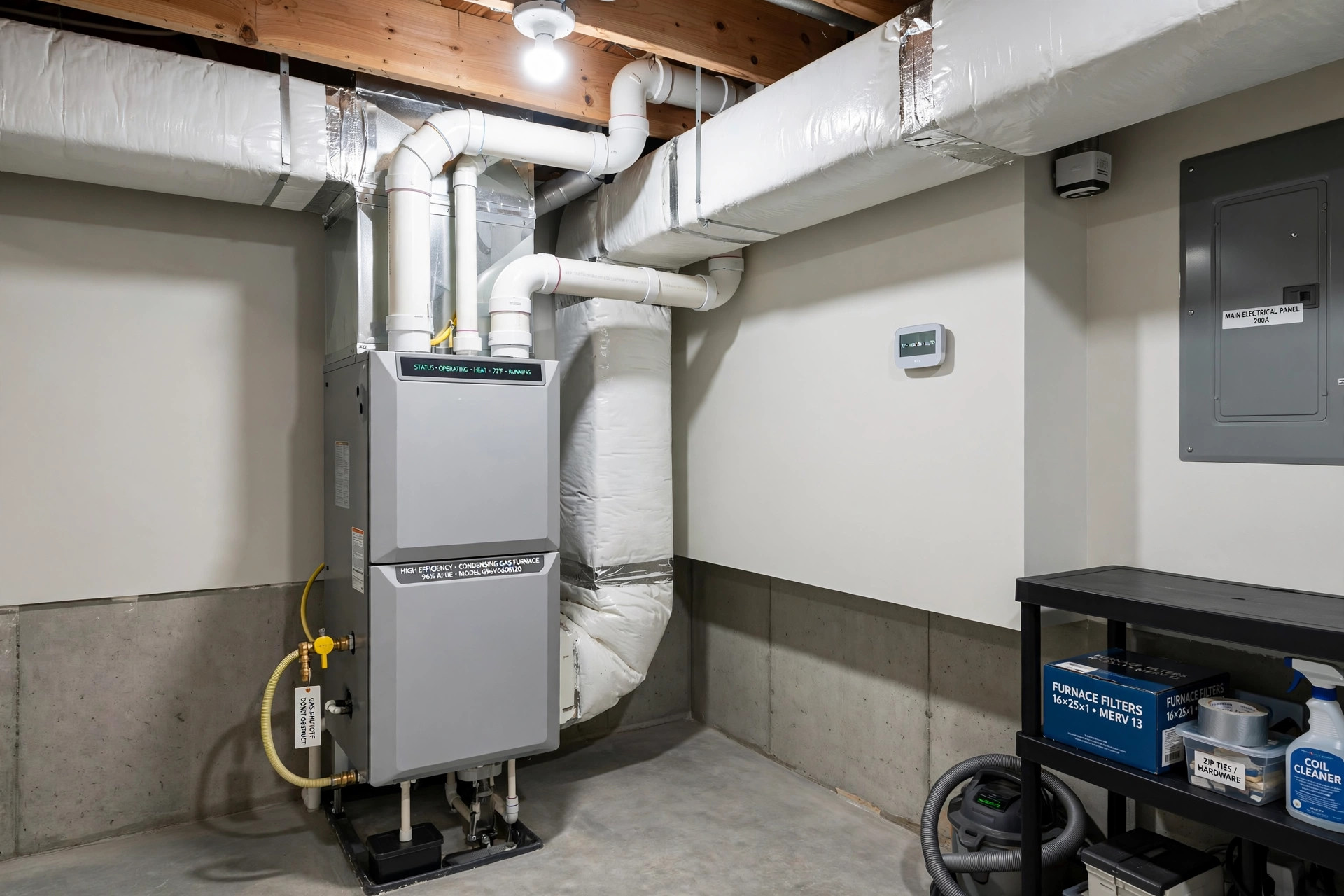

Your furnace stops on the coldest night of winter. Your air conditioner dies in the middle of a heat wave. In moments like these, a good heating and cooling contractor is worth more than gold. This how to choose hvac contractor USA guide walks you through the full process, step by step, so you can hire with calm and confidence. The right contractor will size your system correctly, charge a fair price, and stand behind the work for years.
Why It Matters
Your heating, ventilation, and air conditioning system is the most costly machine in your home. A new furnace or air conditioner can cost as much as a used car. The quality of the install matters as much as the brand. Industry studies cited by the U.S. Department of Energy show that many systems fail early not because of bad parts, but because of poor installation. A unit that is too large will short cycle and waste fuel. A unit that is too small will run without rest and die young.
A careless contractor can also hurt your health. Bad venting can spill carbon monoxide into your home. Loose wiring can start a fire. Poor ductwork can spread dust and mold. That is why this choice deserves real care. An hour of research now can save you thousands of dollars and years of trouble.
What to Look For When You Choose a Contractor: How to Choose Hvac Contractor Usa Guide
License and Insurance
Every state has its own rules for heating and cooling work. Most states require an HVAC contractor to hold a trade license. Ask for the license number. Then check it with your state board. This takes five minutes and tells you if the firm is legal and in good standing.
Insurance is just as important. The firm should carry two kinds: general liability and workers compensation. Liability insurance pays if the crew damages your home. Workers compensation pays if a worker is hurt on your property. Without these, you could be held responsible. Ask for proof in writing and check the dates. A contractor who refuses to show insurance is a contractor to avoid.
Also ask about the EPA Section 608 card. Federal law requires any tech who handles refrigerant to be certified by the EPA. This is a basic sign of a real professional.
Experience and References
Years in the trade matter. A firm that has served your town for ten or twenty years has a name to protect. Look for techs who have NATE certification. NATE stands for North American Technician Excellence. It is the best-known test of skill in this field. Not every good tech has it, but it is a strong sign.
Ask for three recent references in your area. Call them. Ask simple questions. Did the crew show up on time. Was the price what was promised. Did they clean up after the job. Would you hire them again. Short answers tell you a lot. You can also read online reviews, but weigh them with care. A few bad reviews are normal. A long line of the same complaint is a red flag.
Manufacturer dealer programs are one more clue. Major brands like Carrier, Trane, Lennox, and Rheem train and test the dealers who sell their systems. A dealer badge does not prove perfection, but it shows the firm meets the maker standards for training and service.
Written Estimates
Never accept a price given over the phone with no visit. A serious contractor will come to your home, walk the rooms, look at the ductwork, and run a load calculation. The industry standard is the Manual J method. It measures your home size, insulation, windows, and local climate to find the right system size. If a contractor skips this step and guesses from the street, thank them and move on.
Get three written bids. Each bid should list the equipment make and model, the efficiency rating, the full scope of work, the labor warranty, and the total price. When bids are itemized, you can compare them line by line. A bid that is much lower than the rest is often a warning. It may mean cheap parts, skipped steps, or a tech who plans to cut corners.
Ask each bidder how they handle hvac installation cost in usa questions. A good firm will explain each charge in plain words. A bad one will hide behind jargon or pressure you to sign today. High-pressure sales are a classic sign of a weak firm. Take the papers home. Sleep on the choice.
Types of HVAC Contractors and Services
Full-Service Companies
Large firms employ many techs, office staff, and trucks. They can reach you fast and often offer 24-hour service. Their prices tend to be higher because of overhead. For big jobs like full system replacement, they are a safe pick. Ask who will actually do the work and whether that tech is certified.
Independent and Family Shops
Small shops often win on price and personal care. The owner may be the tech who shows up at your door. Many of these firms have deep local roots and strong word-of-mouth. The trade-off is limited staff. During a heat wave, they may be booked solid. If you choose a small shop, confirm they can get parts for your brand and honor the maker warranty.
Brand Dealers and Specialists
Some firms focus on one brand or one type of work. Ductless mini splits, heat pumps, and oil furnaces each take special skill. If you need daikin vs mitsubishi mini split reviews usa research, find a dealer who installs mini splits every week, not once a year. For oil heat, read our guide on best oil furnace reviews for northeast usa. Specialists finish faster and make fewer errors.
Maintenance Plan Providers
Many firms sell annual service plans. Two visits a year, spring and fall, keep your system clean and safe. Plans cost a few hundred dollars a year and often include repair discounts. They are worth it if the firm does real work at each visit, not just a quick look. Ask for a checklist of what each visit covers.
Cost and Price
Price is the part most homeowners fear. Here is the honest picture. A simple repair, like a bad capacitor or a worn contactor, often costs a few hundred dollars. A new furnace can run from three thousand to more than seven thousand dollars installed. A full air conditioner replacement falls in a similar range. High-efficiency systems cost more up front but cut fuel bills for years. Our article on high efficiency furnace pros cons usa breaks down the math.
Labor makes up a large share of the bill. That is normal. Skilled techs earn their pay. What matters is that the price is fair and clear. Watch for these pricing traps. First, the flat quote with no model numbers. You cannot compare what you cannot see. Second, the upsell of parts you do not need. A tech who finds five urgent problems on a two-year-old unit is likely padding the bill. Third, the too-good deal. A price half of the others means something is missing.
Ask about rebates and tax credits. Federal and state programs often reward high-efficiency installs. ENERGY STAR lists current incentives and explains which systems qualify. A good contractor will know these programs and help with the paperwork. They will also pull the required permits and arrange the city inspection. Permit fees are small, and the inspection protects you.
Care and Upkeep After the Job
The job is not over when the truck leaves. Keep the final invoice, the model numbers, and the warranty papers in one folder. Register the equipment warranty with the maker within the time limit, often 60 or 90 days. Some makers, such as Goodman, offer strong parts warranties, but only if you register on time.
Change your air filter on schedule. This one habit does more than any other to protect your system. A dirty filter chokes airflow, raises bills, and can freeze the coil. Most homes need a new filter every one to three months. Mark the date on the filter frame so you do not forget.
Book a tune-up each year. The fall visit should cover the furnace and the spring visit the air conditioner. The tech should clean the coils, check the refrigerant charge, test the safety controls, and inspect the venting. Sites like This Old House and Family Handyman publish simple seasonal checklists you can follow between visits.
Keep the area around your outdoor unit clear. Trim bushes back at least two feet. Hose off grass and dust from the coil each spring. Inside, do not block supply vents with furniture. Good airflow is free efficiency.
Safety
Heating systems burn fuel or use high voltage. Treat them with respect. After any install, ask the tech to test for carbon monoxide at the flue. Place a carbon monoxide detector on each floor of your home. Test the alarms twice a year.
Never let an unlicensed handyman open a sealed refrigerant line or work on gas piping. Both are dangerous and illegal without the right license. If you smell gas, leave the house and call your gas company from outside. If a breaker trips twice after a repair, stop resetting it and call the contractor back. A repeated trip means a real fault.
For renters and landlords, note that most states require the property owner to keep heat working in winter. Keep a written record of every service call. It protects both sides.
Frequently Asked Questions
How many quotes should I get before I choose?
Get three written quotes. Fewer than three leaves you guessing about fair price. More than five wastes your time and invites confusion. Three detailed bids give you a clear picture of the market.
Should I pick the cheapest bid?
Not as a rule. The cheapest bid often cuts corners on labor, permits, or equipment quality. Look for the best value instead. That means a fair price, a right-sized system, a strong labor warranty, and a firm with a good local name.
What warranty should I expect?
Expect two warranties. The maker covers parts, often for ten years if you register. The contractor covers labor, usually one to two years. Get both in writing. Ask what voids them, such as missed filter changes or unlicensed repairs.
How do I know what size system I need?
You need a Manual J load calculation. This math uses your home size, insulation, windows, and climate to pick the right capacity. Rule-of-thumb sizing by square feet alone is not enough. Any contractor who sizes by guess is not the one.
Is a big national chain better than a local shop?
Neither is always better. Chains offer fast scheduling and standard process. Local shops offer personal care and local pride. Judge the actual crew and the written bid, not the logo on the truck. Check the license, the insurance, and the references for both.
When is the best time of year to replace a system?
Spring and fall are the slow seasons. Crews have open schedules and makers often run rebates. You also avoid the rush pricing of the first heat wave or the first cold snap. If your system still runs, plan the replacement in the mild months.
A Final Word
Choosing an HVAC contractor is not a gamble when you follow a method. Check the license and the insurance. Demand a home visit and a written bid. Get three quotes. Pick the firm with the right size calculation, the clearest paper, and the best local name. Then keep your records, change your filters, and book yearly tune-ups. A good system, installed by good hands, will warm and cool your home for twenty years. That is the quiet payoff of choosing well.
References
Carrier. (n.d.). Heating and cooling systems. https://www.carrier.com ENERGY STAR. (n.d.). Energy efficient products. https://www.energystar.gov Family Handyman. (n.d.). DIY home repair and maintenance. https://www.familyhandyman.com Goodman. (n.d.). Heating and cooling equipment. https://www.goodmanmfg.com Lennox. (n.d.). Heating and cooling systems. https://www.lennox.com Rheem. (n.d.). Heating, cooling, and water heating. https://www.rheem.com This Old House. (n.d.). Home renovation guidance. https://www.thisoldhouse.com Trane. (n.d.). Heating and air conditioning. https://www.trane.com U.S. Department of Energy. (n.d.). Energy efficiency and renewable energy. https://www.energy.gov
Was this guide helpful?

About Sarah Mitchell
The My Garden US editorial team writes practical, in-depth home and garden guides for American homeowners — tested advice, no fluff.
You May Also Like
Whole House Dehumidifier Installation Cost USA: A Full Guide
September 26, 2026 0 views
EPA Certified Wood Stove Reviews 2026 USA: What Buyers Should Know
March 18, 2026 0 views
Best Attic Ventilation for Hot Climates USA
March 12, 2026 0 views