---
Table of Contents
Table of Contents
- Fireplace Damper Stuck How to Fix: First: Know What Kind of Damper You Have
- Safety Before You Start
- Step 1: Look Before You Force
- Step 2: Clean the Damper and Hinges
- Step 3: Treat the Rust
- Step 4: Clear Debris and Obstructions
- Step 5: Lubricate the Moving Parts
- When the Damper Is Warped
- Replacing vs. Repairing
- Preventing the Next Stuck Damper
- The Quick Checklist
- References
You reach up into the fireplace, grab the damper handle, and it will not budge. Or worse, you light a fire and the room fills with smoke because the damper was stuck shut. A stuck fireplace damper is one of the most common fireplace problems, and it is usually fixable without a big repair bill. Here is what to know about fireplace damper stuck how to fix before you start.
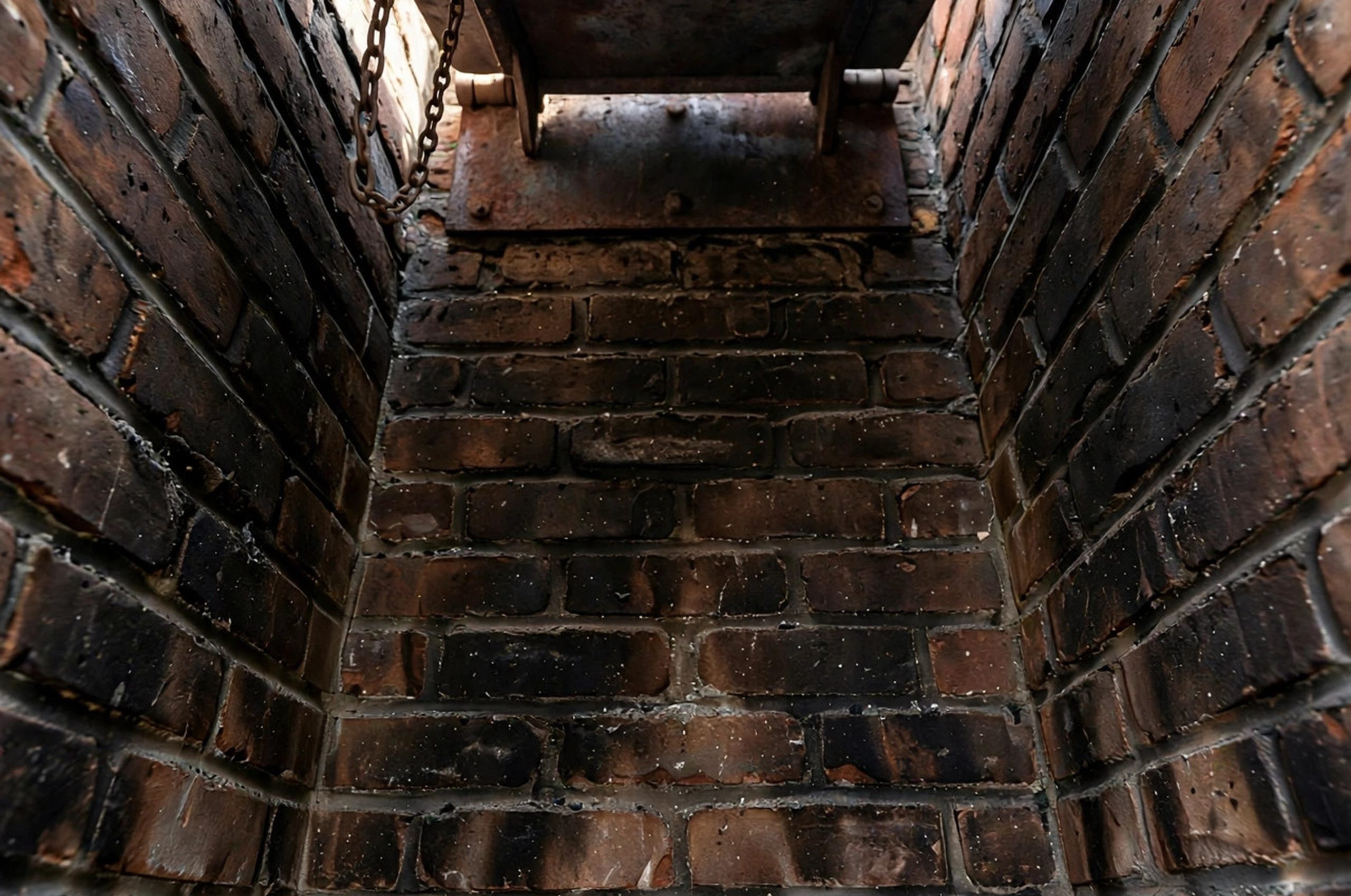
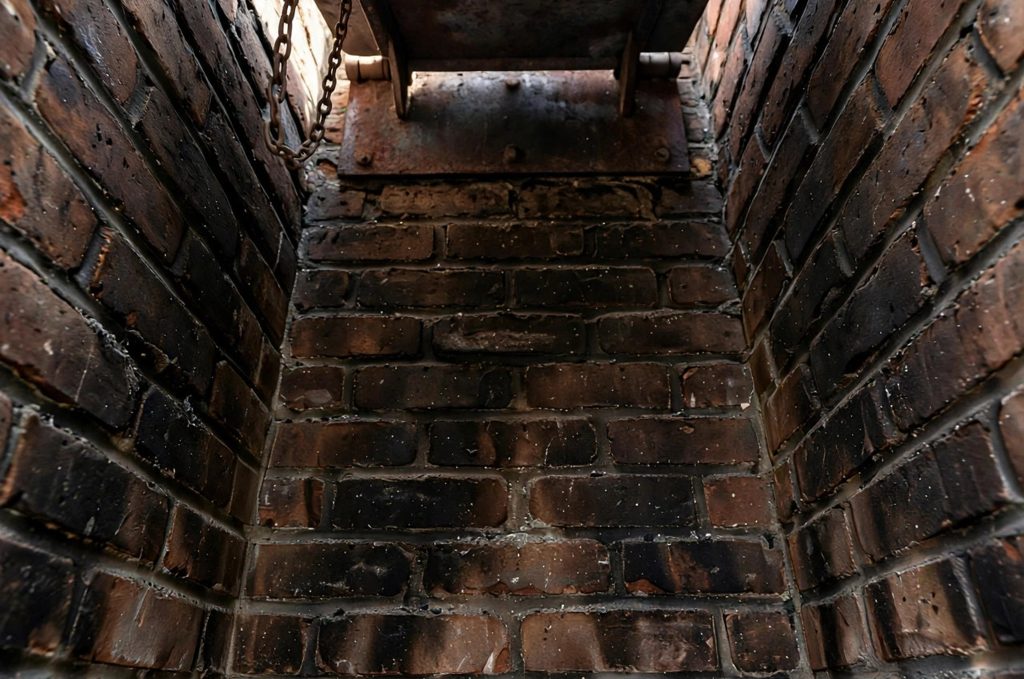
The damper is the metal plate inside the flue, just above the firebox. It opens to let smoke out and closes to keep warm air in when the fireplace is not in use. When it sticks, the causes are almost always the same: rust, soot buildup, debris, or a bent part. Here is how to figure out which one you have and how to fix it.
Fireplace Damper Stuck How to Fix: First: Know What Kind of Damper You Have
When it comes to fireplace damper stuck how to fix, getting the details right makes all the difference.
When it comes to fireplace damper stuck how to fix, getting the details right makes all the difference.
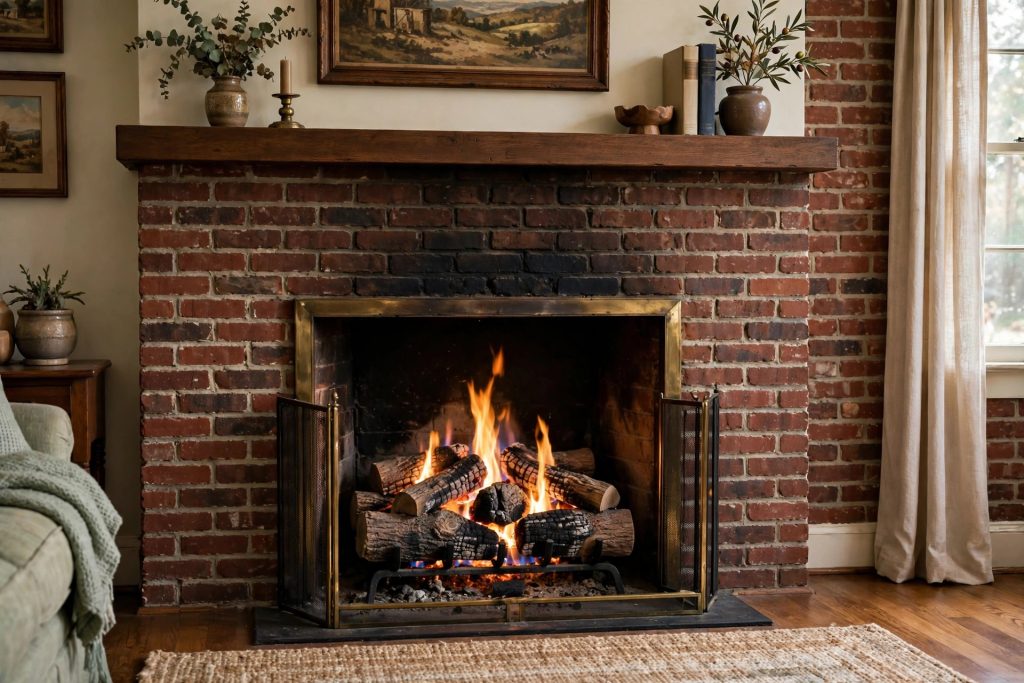
Many homeowners find that fireplace damper stuck how to fix is easier than they expected once they know the basics.
Most older fireplaces have a throat damper. This is a cast-iron or steel plate hinged inside the chimney throat, worked by a handle or lever in the firebox. You push the handle up or pull it down to swing the plate open or shut. Some have a poker-style handle you lift and hook into notches.
Newer setups may have a top-sealing damper. This is a spring-loaded cap at the top of the chimney, opened and closed by a cable that runs down the flue to the firebox. If your fireplace has a cable or chain hanging in the firebox, you likely have a top-sealing damper. A rundown of damper types covers the common designs, from push-up throat plates to chain-operated top dampers.
Gas log fireplaces are a special case. Building rules in many areas require the damper to be locked or clamped open when gas logs are installed, so exhaust always has a way out. If you have gas logs and the damper will not close, that may be intentional. Check for a damper clamp before you assume something is broken.
Safety Before You Start
Many homeowners find that fireplace damper stuck how to fix is easier than they expected once they know the basics.
Many homeowners find that fireplace damper stuck how to fix is easier than they expected once they know the basics.
The key to fireplace damper stuck how to fix is choosing the right approach for your space and budget.
Work only on a cold fireplace. No fire for at least a day, and no warm ashes. Wear safety goggles and a dust mask. Soot and rust flakes will rain down when you work the damper. Lay a drop cloth over the hearth and floor. Keep a flashlight handy so you can see what you are doing up in the throat.
Do not light a fire until the damper moves freely and opens fully. A fire with a stuck-shut damper fills the house with smoke and carbon monoxide. A damper stuck half-open drafts poorly and can also spill smoke.
Step 1: Look Before You Force
The key to fireplace damper stuck how to fix is choosing the right approach for your space and budget.
With a little planning, fireplace damper stuck how to fix can fit even a busy schedule.
Shine the flashlight up into the throat and look at the damper plate. What do you see? Heavy rust and flaking metal point to corrosion. A thick crust of black soot points to buildup. Twigs, leaves, or a bird nest sitting on the plate point to debris. A plate that looks bent or sits crooked points to warping from a past chimney fire or just age.
This look tells you which fix to try. Do not just yank the handle harder. Forcing a rusted damper can snap the handle, crack the plate, or break the hinge, turning a cleaning job into a replacement job. A chimney sweep guide to stuck dampers warns that rust is the main cause of damper trouble and that heavy rust calls for patient treatment, not force.
Step 2: Clean the Damper and Hinges
With a little planning, fireplace damper stuck how to fix can fit even a busy schedule.
Before you start, it helps to understand how fireplace damper stuck how to fix works in real homes.
Start with a wire brush. Reach up and scrub the damper plate, the frame it sits in, and especially the hinge points. A chimney brush kit with the right size brush makes this far easier. Soot and creosote cake onto the hinges and glue the plate in place. Brush the track or slot the handle runs in too. Vacuum or brush the loose debris down into the firebox and scoop it out.
For many dampers, this cleaning alone frees them. Soot is a surprisingly strong glue when it builds up over seasons. Old cast-iron throat dampers are often just a loose plate resting on the frame, and veteran repair pros say that cleaning mortar chunks and debris from around the rim frees most of them. If the damper moves after brushing, work it open and shut several times to clear the track, then move to the lubrication step.
Step 3: Treat the Rust
Before you start, it helps to understand how fireplace damper stuck how to fix works in real homes.
A good plan for fireplace damper stuck how to fix saves time, money, and frustration.
If brushing did not free it, rust is holding it. Spray a penetrating oil on the hinge pins and any pivot points. Let it soak. Penetrating oil needs time to wick into the rust, so wait at least fifteen minutes, longer for bad cases. Then work the handle gently back and forth. Stuck handles often come from heat-expanded metal or debris catching the plate, so gentle tapping around the damper area can help loosen things before you pull harder. Do not hammer on it yet.
For surface rust on the plate, scrub with a wire brush or steel wool. For heavier rust, a rust remover product can help. Rinse and dry the metal after using chemical removers. If the plate is rusted thin or has holes, no amount of oil will save it. A rusted-through plate needs replacement, not repair. A common rule from fireplace pros is simple: a broken handle gets a new handle, a rusted plate gets a new plate, and a throat damper rusted through gets a full replacement.
A little planning makes fireplace damper stuck how to fix much easier.
Step 4: Clear Debris and Obstructions
A good plan for fireplace damper stuck how to fix saves time, money, and frustration.
For most people, fireplace damper stuck how to fix comes down to a few smart choices.
Sometimes the problem is not rust at all. Chunks of mortar fall from the flue and wedge around the damper plate. Leaves and twigs blow down and pack the throat. In bad cases, animals nest on the closed damper. Use a fireplace poker or a long-handled tool to gently scoop debris off the plate and out of the throat. A forum thread on blocked dampers describes exactly this: mortar chunks and debris conglomerating around the damper rim until the lid rides up on the mess and jams.
If you find a nest, make sure it is empty and no animal is inside before you remove it. A chimney cap installed after the cleaning keeps this from happening again.
Step 5: Lubricate the Moving Parts
For most people, fireplace damper stuck how to fix comes down to a few smart choices.
Once the damper moves, keep it moving. Apply a high-temperature lubricant to the hinge pins and pivot points. Regular hardware oil burns off in the heat of a fire and can smoke. High-temp lubricant made for stoves and fireplaces stays put. Work the damper open and shut a few times to spread it.
Make this part of your yearly routine. When you have the chimney swept, ask the sweep to check and lube the damper too. A damper that gets attention every year rarely seizes.
When the Damper Is Warped
If you are new to fireplace damper stuck how to fix, start with the simplest option and build from there.
Heat warps metal. A damper plate that got overheated, often during a chimney fire the owner never knew about, can warp so it no longer seats flat. A warped plate may stick, or it may close but leave gaps that leak warm air all winter. You can sometimes see the warp by sighting along the plate edge.
A warped plate cannot be straightened reliably. Replace it. If the frame is warped too, the whole throat damper may need to come out. That is where many owners switch to a top-sealing damper instead. A top damper mounts at the chimney crown, seals tighter than most throat dampers, and its cable mechanism avoids the rust-prone throat location. It also doubles as a chimney cap, keeping rain and animals out.
Replacing vs. Repairing
When it comes to fireplace damper stuck how to fix, getting the details right makes all the difference.
Repair when the damper is sound but dirty or lightly rusted. Cleaning, penetrating oil, and high-temp lube bring most of these back.
Replace the plate or handle when one part is shot but the frame is solid. Replacement plates and handles are sold for common throat damper sizes. Measure the opening before you order.
Replace the whole damper when the frame is rusted through, warped, or missing. A top-sealing damper is often the easier fix here because it avoids masonry work inside the throat. A pro can install one in a single visit.
Call a pro when the damper is cemented in place, when the throat masonry is damaged, or when you are not sure what you are looking at. A DIY forum discussion on stuck flue dampers shows how often the real answer is a part the owner did not know existed, like a pinned plate or a hidden retaining clip.
Preventing the Next Stuck Damper
Many homeowners find that fireplace damper stuck how to fix is easier than they expected once they know the basics.
Keep rain out of the flue. Water running down the chimney is the main rust maker. A good cap or a top-sealing damper stops it. Burn dry wood and keep fires hot so less corrosive soot coats the damper. Have the chimney inspected and swept on schedule, since the inspector's course material lists damper operation as one of the standard checks in a fireplace inspection. The Chimney Safety Institute of America likewise recommends yearly professional inspection of the whole chimney system. And work the damper open and shut a few times each year, even in summer. Moving parts that move stay free. Moving parts that sit for years seize.
The Quick Checklist
The key to fireplace damper stuck how to fix is choosing the right approach for your space and budget.
Cold fireplace, goggles and mask on. Look at the damper with a flashlight. Brush the plate, hinges, and handle track. Soak pivots with penetrating oil and wait. Work the handle gently. Scoop out debris. Lube with high-temp lubricant. If the plate is rusted through or warped, replace it. If the frame is shot, consider a top-sealing damper. Never force it, and never light a fire until it opens fully. Once you try it, fireplace damper stuck how to fix gets easier each time.
References
Answers.com. (n.d.). What is a fireplace flue damper, and how do you open one? https://www.answers.com/auto-parts/Can_I_buy_an_automatic_fireplace_flue_damper_that_would_open_and_close_by_itself_when_we_want_a_fire
Chimney Safety Institute of America. (n.d.). Homeowner resources. http://www.csia.org/homeowner-resources
ChimneySweep.com. (n.d.). How to fix a stuck fireplace damper. https://chimneysweep.com/how-to-fix-a-stuck-fireplace-damper/
DoItYourself.com. (n.d.). How to fix a flue damper. https://www.doityourself.com/forum/fireplaces-wood-burning-heating-stoves-flues-chimneys/336309-how-fix-flue-damper.html
Hearth.com. (n.d.). Blocked damper? https://www.hearth.com/talk/threads/blocked-damper.20163/
International Association of Certified Home Inspectors. (n.d.). How to inspect fireplaces, stoves, and chimneys: Student course material. https://education.nachi.org/coursemedia/course-153/documents/Student-Course-Material.pdf
Terry Love Forums. (n.d.). Fix or repair fireplace damper? https://terrylove.com/forums/index.php?threads/fix-or-repair-fireplace-damper.18251/
Was this guide helpful?

About My Garden US
The My Garden US editorial team writes practical, in-depth home and garden guides for American homeowners — tested advice, no fluff.