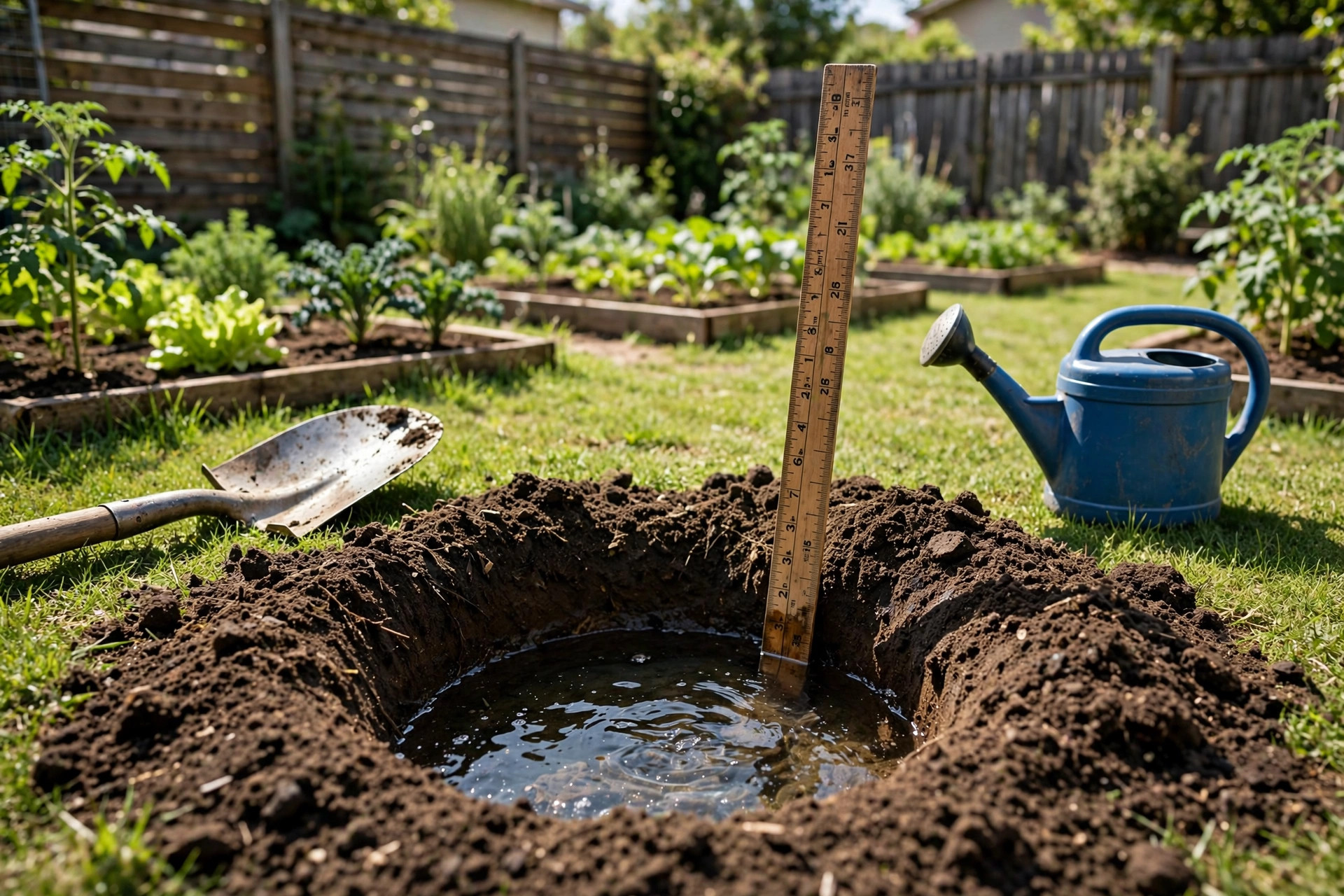
Every gardener asks the same question sooner or later. How do you know if your soil drains well? The answer is simpler than most people think. This guide explains how to test soil drainage at home with tools you already own. You need a shovel, a bucket of water, and a watch or a phone. In less than a day, you will know exactly how your soil handles water. You will also learn what to do if the result is good, poor, or somewhere in between.
Why Soil Drainage Matters
Roots need water and air at the same time. Soil that drains well holds enough water for roots to drink, then lets the extra water move down and out. Pockets of air return to the spaces between soil grains. Roots breathe through these pockets. This balance keeps plants healthy.
Soil that drains poorly causes the opposite. Water sits around the roots. Air cannot reach them. Roots rot. Leaves turn yellow. Plants wilt even though the soil is wet. Many garden failures come from this one problem. The gardener waters faithfully, yet the plants decline. The real trouble sits below the surface.
Soil that drains too fast also creates trouble. Water runs through the soil before roots can take it up. Nutrients wash away with it. Plants need constant watering, and fertilizer never seems to work. Sandy garden beds often show this pattern.
Testing removes the guesswork. You learn the facts about your ground before you plant. A soil drainage test costs almost nothing. It takes a few hours. It can save you a whole season of dead plants.
The Simple Percolation Test: How to Test Soil Drainage At Home
The percolation test is the standard way to measure drainage. Landscapers and builders use it. Home gardeners can use it too. It gives you a number. That number tells you how many inches of water move through your soil each hour.
Tools You Will Need
You need a shovel or a post-hole digger, a ruler or a tape measure, a bucket of water, and a watch or a phone timer. A marker or a stick helps you mark the water level. Garden tool makers sell shovels and diggers in several sizes. A narrow digger works well for this test because it makes a clean hole.
You may also want a notebook. Write down the time at each step. Numbers are easy to forget when hours pass.
Step by Step
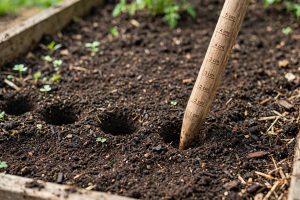
First, dig a hole. Make it about twelve inches deep and six to twelve inches wide. This matches the root zone of most garden plants. Dig two or three holes in different spots if you want a fuller picture. Drainage often changes across a single yard.
Next, fill the hole with water and let it drain completely. This first filling soaks the soil. Dry soil drains fast at first, which can give a false reading. Letting the soil soak first gives a fair result.
Then fill the hole again, this time to near the top. Note the exact water level. Mark it with a stick or a line on the hole wall. Record the time. Wait one hour. Measure how far the water level has dropped. Write the number down.
Wait one more hour and measure again. Two readings give a more reliable result than one. If the soil drains very slowly, you can wait longer between readings. Some clay soils need several hours to show a clear change.
How to Read Your Results
The rule of thumb is simple. Well-drained soil drops one to three inches per hour. Most vegetables, flowers, and lawns do best in this range. This is the sweet spot you are hoping to find.
If the water drops less than one inch per hour, your soil drains poorly. Heavy clay soils fall in this group. Plants in this soil face wet roots after every rain. You will need to improve the drainage before planting anything that dislikes wet feet.
If the water drops more than four inches per hour, your soil drains very fast. Sandy soils fall in this group. This soil may need organic matter to hold water longer. Mulch and compost help a great deal.
These numbers are guides, not laws. Some plants love wet soil. Ferns, willows, and many bog plants do fine in slow-draining ground. Cacti and lavender prefer fast drainage. Match your plants to your soil when you can. Change the soil when you cannot.
Other Home Soil Drainage Tests
The percolation test is the most precise home test. But other simple tests give useful clues. Each one costs nothing and takes only minutes.
The Squeeze Test
Take a handful of moist soil from about six inches down. Squeeze it in your fist. Then open your hand. Well-balanced soil forms a loose ball that crumbles when you poke it. This soil usually drains well. Soil that stays in a hard lump is heavy with clay and likely drains poorly. Soil that falls apart at once is sandy and likely drains too fast. This test is quick but rough. Use it as a first check, not a final answer.
The Jar Test
Fill a clear jar halfway with soil from your garden. Add water until the jar is nearly full. Add a drop of dish soap. Shake the jar hard, then set it down. Sand settles first, within a minute. Silt settles next, within a few hours. Clay settles last, sometimes taking a day or more. The layers show you the makeup of your soil. A thick clay layer at the top means slow drainage. A thick sand layer at the bottom means fast drainage.
The Puddle Test
After a heavy rain, walk your yard and watch. Notice where puddles form and how long they stay. Puddles that last more than a day point to poor drainage. Dry spots that never puddle may drain very fast. This test costs no effort at all. It only asks you to look. Gardening guides often suggest watching your yard through the seasons before you plant.
Cost and Price
Testing soil drainage at home costs almost nothing. The percolation test uses tools you likely own. Water from a hose costs pennies. If you need to buy a shovel or a post-hole digger, expect to pay between twenty and sixty dollars. A simple tape measure costs a few dollars more. Garden supply stores and hardware stores carry all of these.
A soil test kit from a garden center costs between ten and thirty dollars. These kits measure nutrients and pH rather than drainage. They do not replace the percolation test. They add to it. Knowing both drainage and nutrient levels gives you the full picture of your soil.
If you want a professional lab test, prices usually run from fifteen to fifty dollars per sample. County extension offices often offer these tests at low cost. They tell you the exact texture of your soil. For most home gardeners, the free home tests in this guide are enough to make good decisions.
What to Do If Your Soil Drains Poorly
Poor drainage is common and fixable. Start with the simplest step. Add compost. Spread three to four inches of compost over the bed and mix it into the top six to eight inches of soil. Compost opens up clay soil and lets water move through. Repeat each year. The soil improves over time.
Do not add sand to clay soil. This sounds like it should work, but it does not. Sand plus clay makes a mix close to concrete. Compost is the safer choice. Aged bark, leaf mold, and shredded leaves also help.
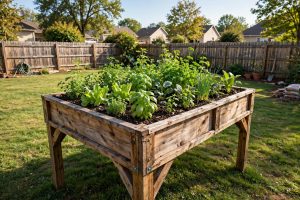
Raised beds solve drainage problems fast. A raised bed lifts the roots above the wet ground. Fill it with a good mix. A common raised garden bed soil mix is a blend made for raised beds: about sixty percent topsoil, thirty percent compost, and ten percent aeration material like perlite or coarse sand. Our guide to a raised garden bed soil mix gives a full recipe. Good soil for raised vegetable beds follows the same idea: loose, rich, and free-draining.
A garden fork for clay soil is the right tool for breaking up compacted ground. Push the fork into the soil and rock it back and forth. This opens channels for water without destroying the soil structure. Tool makers build forks with strong tines for this hard work.
For serious drainage trouble, consider a French drain or a dry well. These move water away from planting areas underground. DIY guides explain how to dig and fill them. A French drain is a gravel-filled trench with a perforated pipe. It collects water and carries it to a safe outlet. This is a bigger project, but it fixes spots where nothing else works.
Choose plants that tolerate wet soil for the lowest spots in your yard. Some plants thrive where others drown. Matching the plant to the place saves work and money.
What to Do If Your Soil Drains Too Fast
Fast-draining soil needs help holding water. Compost is the answer here too. Mix several inches of compost into the bed. Compost acts like a sponge in sandy soil. It holds water where roots can reach it. Mulch the surface with two to three inches of shredded bark or straw. Mulch slows evaporation and keeps the soil cool.
Water deeply and less often. Short daily watering wets only the surface. A deep soak once or twice a week trains roots to grow down. Drip irrigation or soaker hoses deliver water slowly, which suits sandy soil well. Garden supply catalogs sell soaker hoses and drip kits for small beds.
Windbreaks and shade help too. Hot sun and wind dry sandy soil fast. A fence, a hedge, or a shade cloth cuts evaporation. Even a row of tall plants on the windy side of the bed makes a difference.
Safety
Soil testing is safe work, but a few habits keep it safer. Call your local utility marking service before you dig. In the United States, dialing 811 connects you to the free service that marks buried lines. Digging into a gas or electric line is dangerous. This step costs nothing and takes a few days of waiting.
Wear gloves when you handle soil. Soil can hold bacteria, sharp stones, and broken glass. Wash your hands after the work. Wear sturdy shoes, not sandals, when you dig. A shovel slipping off a boot can cut skin. Take breaks in hot weather and drink water. These are small steps. They matter.
Keep children and pets away from open holes. A twelve-inch hole is not deep, but a child can trip into it. Fill the holes when the test is done. Level the ground with the back of a rake or your foot.
Frequently Asked Questions
How long does a soil drainage test take?
The digging takes about thirty minutes. The soaking takes one to two hours. The measuring takes two to four hours. Plan for half a day. Much of that time is waiting. You can do other garden work while the water drains.
When is the best time of year to test soil drainage?
Test when the soil is moist but not soaked. Spring and fall work well in most regions. Avoid testing right after heavy rain, because soaked soil drains slowly and gives a false reading. Avoid testing in a drought, because bone-dry soil drains fast at first and gives the opposite false reading. Seed and plant suppliers note that spring soil tests give the best planting advice.
How many spots should I test?
Test at least two or three spots in each planting area. Drainage varies across a yard. The low corner may drain slowly while the high corner drains fast. One test cannot speak for the whole yard. More tests give a truer map.
Can I test drainage in a container or raised bed?
Yes. Fill the container with water and watch how fast it drains from the bottom. Good container soil drains within minutes, not hours. If water sits on the surface for a long time, the mix is too dense. Add perlite or coarse bark to open it up. Make sure the container has drainage holes. Without holes, no soil drains well.
Does soil pH affect drainage?
No. pH measures acidity and alkalinity. Drainage measures water movement. They are separate traits. A soil test kit measures pH and nutrients. The percolation test measures drainage. You need both tests for a full picture. Independent testers review soil test kits if you want help choosing one.
Should I test drainage before building a raised bed?
Yes, especially if the bed will sit on native soil. Roots often grow past the bed into the ground below. If that ground drains poorly, water can pool at the bottom of the bed. The percolation test tells you what sits under your bed. Home improvement guides recommend this check before any bed construction.
A Final Word
Knowing how to test soil drainage at home puts you ahead of most gardeners. You stop guessing and start measuring. A shovel, a bucket, and a watch give you facts about your ground. Those facts guide every choice after: what to plant, what to amend, and where to build. Test once, write down the numbers, and keep them with your garden notes. Good gardens start with good soil, and good soil starts with a simple test.
References
Bob Vila. (n.d.). Home improvement advice. https://www.bobvila.com Burpee. (n.d.). Seeds, plants, and gardening supplies. https://www.burpee.com Consumer Reports. (n.d.). Product reviews and ratings. https://www.consumerreports.org Corona Tools. (n.d.). Garden and landscape tools. https://www.corona-tools.com Family Handyman. (n.d.). DIY home repair and maintenance. https://www.familyhandyman.com Fiskars. (n.d.). Garden and cutting tools. https://www.fiskars.com Gardener’s Supply Company. (n.d.). Gardening tools and supplies. https://www.gardeners.com Lowe’s. (n.d.). Home improvement products. https://www.lowes.com The Home Depot. (n.d.). Home improvement products. https://www.homedepot.com The Spruce. (n.d.). Home and garden advice. https://www.thespruce.com
Was this guide helpful?

About David Wilson
The My Garden US editorial team writes practical, in-depth home and garden guides for American homeowners — tested advice, no fluff.