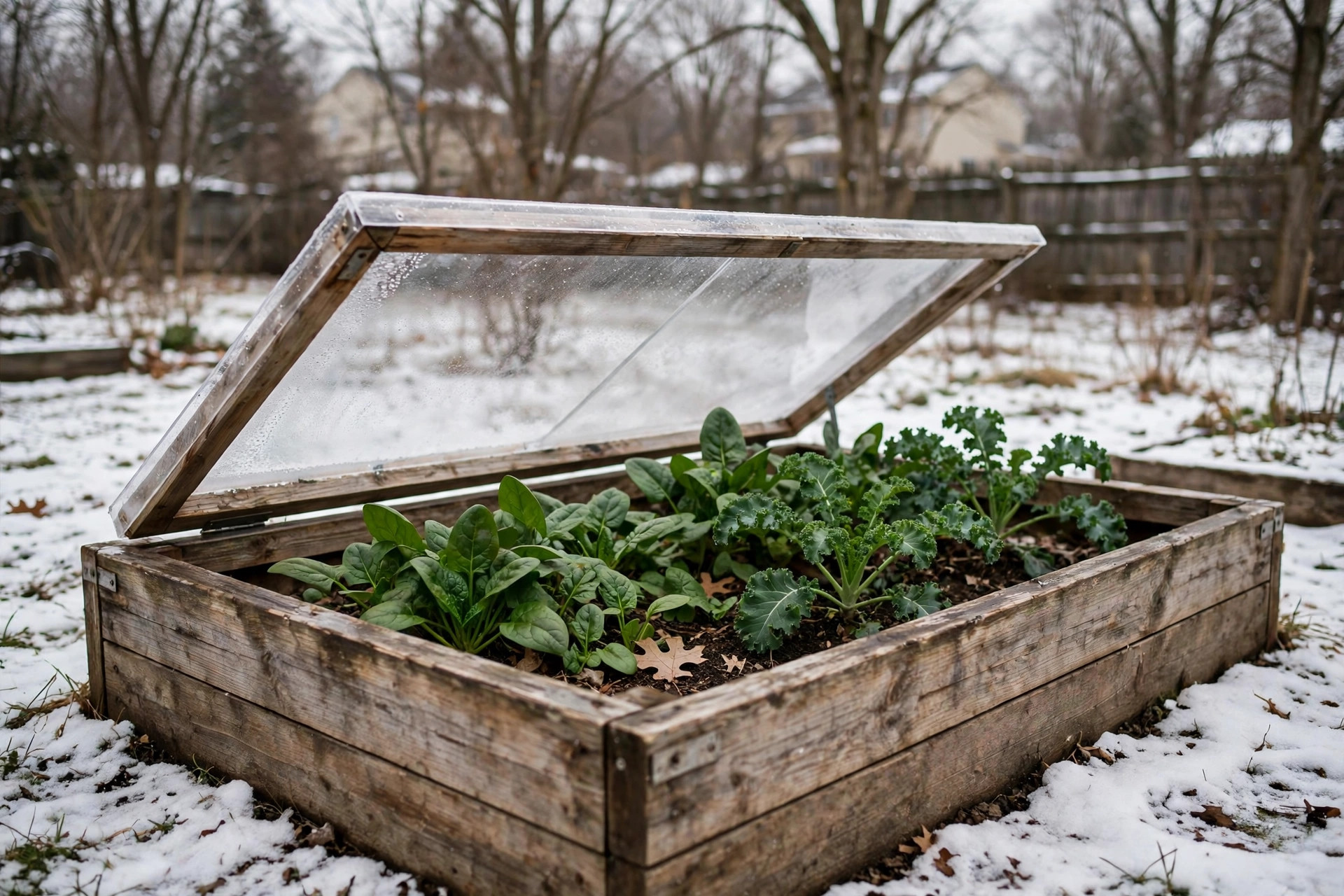

Many gardeners read cold frame for winter gardening reviews when the first frost comes near. A cold frame is a simple box with a clear lid. It sits over soil or plants and traps the heat of the sun. Inside, the air stays several degrees warmer than the air outside. That small gain is often enough to keep greens alive through the cold months.
A cold frame is not a greenhouse. It has no heat and no power. It works by passive solar gain alone. For the cost of one box, you can add weeks or months to your growing season. This guide walks through what the reviews say, how to pick a good unit, what it costs, and how to use it well.
Why a Cold Frame Matters in Winter
Winter does not have to end the gardening year. Many crops like cold. Spinach, kale, arugula, and mache can take light frost. A cold frame gives them just enough shelter to keep growing when bare beds would freeze solid.
The reviews tell the same story again and again. Gardeners in cold states harvest salads in January. Gardeners in mild states start spring crops a month early. The frame also dries out less than open soil, so winter watering drops to a minimum.
A cold frame also helps with seed starting. Trays of seedlings can harden off inside the frame in late winter. That is a gentler step than moving them straight from the house to the open bed. If you are new to protected growing, you may also like our greenhouse for backyard beginners guide for a bigger step up later.
How a Cold Frame Works: Cold Frame for Winter Gardening Reviews
The idea is old and plain. Sunlight passes through the clear lid and warms the soil and the air inside. The walls of the box block the wind. At night the box loses heat, but the soil gives back what it stored during the day.
The lid is often set at a slope. A south-facing slope catches the most winter sun. Most frames open from the top or the front. You prop the lid open a few inches on mild days. That venting keeps the inside from getting too hot. On a sunny forty-degree day, the inside of a closed frame can pass eighty degrees. Plants cook fast if you forget to vent.
Think of a cold frame as a halfway point between open ground and a greenhouse. It costs little. It uses no power. It needs only a few minutes of care each day in changeable weather.
What to Look for in Cold Frame Reviews
When you read cold frame for winter gardening reviews, the same few points come up. Check each one before you buy.
Frame Material
Wood frames look natural and hold heat well. Cedar resists rot. Pine is cheaper but lasts fewer years. Aluminum frames are light and rust free. Plastic frames are the cheapest and the lightest, but they can crack in deep cold and blow over in wind. The reviews rate wood and aluminum highest for long life. Independent test labs such as Consumer Reports apply the same hard look to outdoor gear that they give to indoor tools.
The Lid
The lid matters more than the walls. Twin-wall polycarbonate is the most praised glazing. It lets light through, holds heat, and takes hail and heavy snow. Single sheets of clear plastic are cheaper but thin. Glass is clear and heavy, and it can break. Make sure the lid has real hinges and a way to lock it open at several heights.
Ventilation
Good reviews always mention venting. Look for an automatic vent opener or at least a sturdy prop stick. Some kits include a wax-cylinder opener that lifts the lid as the air warms. It needs no power. Many buyers call it the best part of the kit.
Size and Fit
A common size is about four feet by two feet. That fits over a small raised bed or a section of row. Bigger frames hold more plants but are harder to open and vent. Measure your bed before you order. Many gardeners pair a cold frame with a garden trowel for planting reviews when they set out transplants inside the frame.
Anchoring
Light frames blow away. The best reviews note ground stakes, screw-down corners, or heavy bases. If your yard gets winter wind, this point is not small.
Types of Cold Frames
Wooden Cold Frames
These are the classic choice. A cedar box with a polycarbonate lid can last ten years or more. They are heavy enough to sit still in wind. They cost more than plastic kits. Many gardeners build their own from scrap lumber and an old window sash. Sturdy hand tools from Fiskars make the cutting and fitting easy.
Aluminum and Steel Frames
Metal frames are neat and light. They assemble fast. They do not rot. The thin walls lose heat faster than wood, so they pair best with a thick polycarbonate lid. Reviews praise them for tidy looks on a patio or deck.
Raised Bed Cold Frame Kits
These are lids made to sit on top of a standard raised bed. You buy the lid kit and set it on the bed you already own. Raised bed kits from Gardener’s Supply Company are among the most reviewed options in this style. This is a smart buy if you built beds this year. The reviews like the fit, but check the maker and the bed size match.
DIY Cold Frames
A box of straw bales with an old window on top is the oldest cold frame of all. Family Handyman publishes simple step-by-step plans for sturdier DIY builds too. It works. It costs almost nothing. It looks rough and the bales break down in a season or two. For a test run before you buy, it is hard to beat.
Cost and Price
Cold frame prices run wide. A small plastic kit may cost under fifty dollars. Ready-made frames are easy to find at The Home Depot, where you can check sizes and lids in person. A mid-size wood or aluminum kit with a polycarbonate lid usually runs from eighty to two hundred dollars. You can compare current prices at Lowe’s and other home centers before you buy. Large cedar frames can pass three hundred dollars.
The reviews suggest the middle of the range is the sweet spot. Very cheap frames tend to have thin lids that crack and weak hinges that snap. Spending a little more gets a frame that lasts many winters. Used window sashes and scrap wood can cut a DIY build to under twenty dollars.
Add a soil thermometer to your budget. A simple one costs a few dollars and takes the guesswork out of venting. Rich soil matters too. A bag of compost worked into the bed before winter pays for itself in growth.
How to Set Up Your Cold Frame
Pick the Spot
Set the frame where it gets full winter sun. Face the sloped lid to the south. Home improvement advice from Bob Vila stresses the same rule: winter sun is low, so a south face catches far more of it than a flat lid. Keep it near the house if you can. You will visit it daily in changeable weather, and a short walk makes that easy. A spot out of the worst wind is best.
Prepare the Soil
Cold frames work best over soil that is already rich. Dig in compost in fall. A sharp spade or fork from Corona Tools makes short work of heavy soil. Level the bed. Water it well before the first hard freeze. Moist soil holds heat better than dry soil. Many gardeners sow their winter greens in late summer or early fall, then set the frame over them when nights turn cold.
Vent Every Day
This is the main chore. Open the lid a few inches when the sun is out and the inside passes sixty degrees. Close it in the late afternoon before the sun drops. On gray days you may leave it shut. An automatic vent opener does this job for you and earns strong praise in the reviews.
Water Little
Plants grow slow in winter and need little water. Check the soil with your finger. Water only when the top inch is dry. Morning watering is best so the leaves dry before night. Too much water in a closed frame can bring mold.
What to Grow in a Winter Cold Frame
Hardy greens are the stars. Spinach, kale, arugula, claytonia, and mache all do well. Seed catalogs like Burpee list which varieties hold up best in cold. Scallions and leeks hold through winter. Herbs like parsley and chives survive under cover in many zones.
Root crops work too. Radishes and baby carrots sown in fall size up slowly under the frame. Lettuce is more tender but does well in mild-winter regions or with an extra blanket of row cover inside the frame.
Do not try heat lovers. Tomatoes and peppers need real warmth. The frame will not save them. Plant what likes the cold and the frame will do the rest. If pests find your greens, a layer of garden netting for pest control over the bed adds one more shield.
Care and Upkeep Through Winter
Brush snow off the lid so light gets in. A soft broom works and will not scratch the glazing. Check the hinges now and then. Oil them if they stiffen.
Wipe the lid clean in late winter. Dust and algae cut the light. Winter gardening guides on The Spruce note that even a thin film of grime can block useful sun. A damp cloth and mild soap are enough. Do not use harsh cleaners on polycarbonate.
Watch for condensation. A little is normal. If water drips on the plants all day, vent more. Air flow keeps leaves dry and cuts disease.
In spring, use the frame to harden off seedlings. Open it a bit more each day for a week. Then move the plants out. Clean the frame, let it dry, and store the lid flat or leave the box in place for next fall.
Safety Notes
A cold frame is simple, but a few cautions apply. Heavy lids can slam in wind, so use the prop or lock every time you open it. Keep fingers clear of the hinge side.
Glass lids can break into sharp pieces. If children play near the garden, polycarbonate is the safer glazing. Anchor light frames so a gust cannot throw them.
Do not use treated lumber rated for ground contact inside a food bed unless you know it is safe for vegetables. Plain cedar or untreated pine with a food-safe seal is the common choice. Wash all greens well before eating, as with any garden crop.
Frequently Asked Questions
How much warmer is it inside a cold frame?
On a sunny day the inside can run ten to thirty degrees warmer than the outside air. At night the gain is smaller, often five to ten degrees above the low. That is enough for hardy crops but not for tender ones.
Do I need to heat a cold frame?
No. That is the point of the design. It runs on sun alone. Some gardeners add jugs of water inside as heat mass. The jugs soak up warmth by day and release it at night. It helps a little on the coldest nights.
When should I put the cold frame out?
Set it over fall crops when night lows start to dip near freezing. In many regions that is October or November. Sow the crops six to eight weeks before that date so the plants are well grown when the cold sets in.
Can a cold frame stay out all winter?
Yes, if it is built for it. Strong wood or metal frames with polycarbonate lids take snow load well. Brush heavy snow off so the lid does not bow. Light plastic kits may need to come in during storms.
What size cold frame do I need?
Start with one that fits your bed. A four-by-two-foot frame suits a small family salad patch. You can add a second frame later. Two small frames are easier to vent and manage than one big one.
Is a cold frame worth it for beginners?
Most reviews say yes. It is the cheapest way to garden in winter. The skills are simple: vent on sunny days, shut at night, water little. Mistakes cost little, and even a rough first try usually yields fresh greens.
A Final Word
Cold frame for winter gardening reviews keep coming back to the same verdict. A plain box with a clear lid turns winter from a dead season into a slow, quiet growing season. Pick a sturdy frame, face it to the sun, and tend the vent. The greens will do the rest. For a few dollars and a few minutes a day, you can cut fresh salad while snow sits on the ground around it.
References
Bob Vila. (n.d.). Home improvement advice. https://www.bobvila.com Burpee. (n.d.). Seeds, plants, and gardening supplies. https://www.burpee.com Consumer Reports. (n.d.). Product reviews and ratings. https://www.consumerreports.org Corona Tools. (n.d.). Garden and landscape tools. https://www.corona-tools.com Family Handyman. (n.d.). DIY home repair and maintenance. https://www.familyhandyman.com Fiskars. (n.d.). Garden and cutting tools. https://www.fiskars.com Gardener’s Supply Company. (n.d.). Gardening tools and supplies. https://www.gardeners.com Lowe’s. (n.d.). Home improvement products. https://www.lowes.com The Home Depot. (n.d.). Home improvement products. https://www.homedepot.com The Spruce. (n.d.). Home and garden advice. https://www.thespruce.com
Was this guide helpful?

About James Carter
The My Garden US editorial team writes practical, in-depth home and garden guides for American homeowners — tested advice, no fluff.
You May Also Like
Finding the Best Garden Kneeler for Bad Knees
June 27, 2026 0 views
Best Garden Trowel for Planting Reviews: How to Choose a Tool That Lasts
June 13, 2026 0 views
Best Hand Cultivator for Weeding Reviews: What Real Gardeners Found
March 20, 2026 0 views