
The gas tankless water heater installation cost USA homeowners pay in 2026 runs from about one thousand dollars to more than four thousand dollars for most homes. The final number depends on the unit you pick, the state of your gas line, the venting your house needs, and the labor rates in your town. This guide walks through each of those factors in plain terms. You will learn what drives the price up, what keeps it down, and how to choose a unit that fits your home and your budget. By the end, you will be ready to read a quote from a plumber and know exactly what you are paying for.
Why This Question Matters
A standard tank water heater holds forty or fifty gallons of water and keeps it hot all day and night. That steady work uses fuel even when no one is home. A gas tankless water heater takes a different path. It heats water only when you turn on a tap. There is no stored tank of hot water. There is no standby loss through the night.
That difference matters for two reasons. The first is fuel cost. A tankless unit can cut water heating fuel use by a quarter or more in many homes, because it does not reheat stored water around the clock. The second is space. A tankless unit hangs on a wall. It is about the size of a small suitcase. Many owners free up a corner of the garage or utility room when the old tank leaves.
But the up-front price is higher. A tank unit can be installed for well under two thousand dollars in many markets. A gas tankless system often costs twice that once labor, venting, and gas line work are counted. The question is whether the fuel savings and the long life of the unit pay back the higher start-up cost. For many families, the answer is yes. For others, a new tank model is the wiser buy. A clear look at the gas tankless water heater installation cost USA homeowners face is the best way to decide.
How a Gas Tankless Water Heater Works: Gas Tankless Water Heater Installation Cost Usa
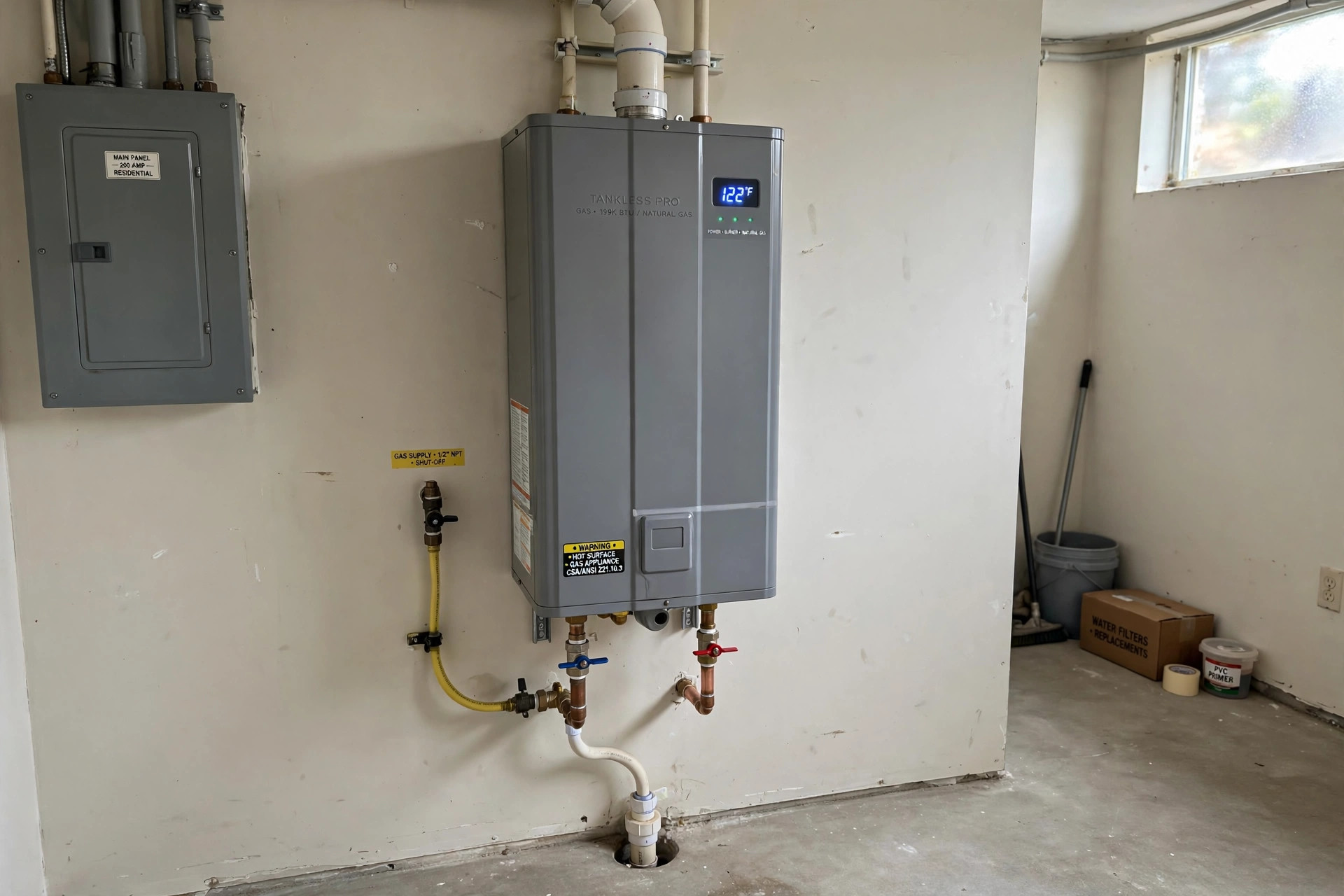
The design is simple. Cold water flows into the unit when a hot tap opens. A flow sensor tells the burner to fire. The gas flame heats a copper or stainless heat exchanger. Water picks up heat as it moves through the coils and leaves the unit hot. When the tap closes, the burner shuts off.
Most units measure flow in gallons per minute. A small unit may deliver two gallons per minute. A large unit may deliver nine or more. Your home needs enough flow to run the fixtures you use at one time. A house with two showers running at once needs more capacity than a house with one bath. Gas models are rated by their maximum BTU input, often from 140,000 to 199,000 BTU per hour for whole-house units. Higher BTU means more heating power, but it also calls for a larger gas supply line.
What to Look for Before You Buy
Choosing the right unit starts with the facts of your house. The points below are the ones that matter most.
Flow Rate
Add up the fixtures you may run at the same time. A shower uses about two gallons per minute. A dishwasher uses about one and a half. A washing machine uses about two. If two showers and a dishwasher may run together, you need at least five and a half gallons of flow. Size for your peak use, not your average use. An undersized unit will leave you with lukewarm water on busy mornings. Retailers like The Home Depot and Lowe’s list flow ratings on each model page, which makes comparison shopping easier.
Gas Line Size
Gas tankless units draw a strong flame. Many older homes have a half-inch gas line that served a tank heater fine. A large tankless unit may need a three-quarter-inch or one-inch line. If the line is too small, the installer must run a new one. This is one of the most common surprise costs in a quote. Ask the plumber to check your gas meter and line size before you sign.
Venting
Tankless units need a vent for exhaust gases. Most modern gas models use sealed, direct-vent pipe through a wall or roof. The old chimney-style metal flue that served a tank heater is usually not fit for a tankless unit. New vent pipe adds material and labor cost, but it is required for safe operation. Condensing models use cooler exhaust and can vent through plastic pipe, which can lower this cost.
Condensing and Non-Condensing Models
A condensing unit captures extra heat from the exhaust before it leaves the house. These models run at about ninety-five percent efficiency. A non-condensing unit runs closer to eighty-two percent. Condensing units cost more to buy but less to run. They also need a small drain line for the condensate water they produce. Over a long service life, the fuel savings of a condensing model can be large. Guides at This Old House explain the trade-off in plain language.
Types and Options for American Homes
Most gas tankless heaters fall into three groups. Whole-house units are the most common. They mount indoors or outdoors and serve every tap in the home. Outdoor models free up indoor space and vent straight out the back of the cabinet, but they are exposed to weather and may need freeze protection in cold states.
Point-of-use units are small. They serve one sink or one shower. They cost less to buy and install, and they cut the wait for hot water at a distant tap. Some owners pair a small point-of-use unit with a main system to fix a long pipe run.
Recirculating models keep hot water moving in a loop so the tap runs hot fast. They add comfort and cut water waste, but they add cost and use a bit more fuel. A plumber can tell you whether your pipe layout suits a recirculation loop. Helpful project advice is also published by Family Handyman, which covers pipe runs and fixture placement in real homes.
Gas Tankless Water Heater Installation Cost USA: The Full Price Breakdown
Here is where the gas tankless water heater installation cost USA buyers see gets its shape. Each line below is a piece of a typical quote.
The Unit Itself
A gas tankless water heater for a whole house usually costs between five hundred and two thousand dollars at retail. Small point-of-use models can cost less than three hundred dollars. Large condensing models from major brands sit at the top of the range. Outdoor models often cost a bit less than indoor models of the same size because they need no indoor vent kit. Prices shift with brand, flow rating, and whether the model is condensing.
Labor
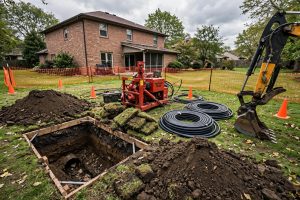
Professional installation labor often runs from eight hundred to two thousand dollars. The spread is wide because the work varies. A simple swap where the gas line and vent already suit the new unit takes a few hours. A full job with a new gas line, new vent, and new electrical outlet takes a full day or more. Labor rates also differ by region. Big cities on the coasts tend to run higher than small towns in the Midwest.
Gas Line Upgrades
If your home needs a larger gas line, expect to add three hundred to one thousand dollars. The cost depends on how far the line must run and whether walls or floors must be opened. In some cases the gas meter itself must be upgraded. The gas company may charge a fee for the meter work, and the plumber charges for the pipe. This step is common in homes built before the 1990s.
Venting and Permits
New vent pipe usually adds two hundred to six hundred dollars in parts and labor. Condensing models that vent through plastic pipe tend to cost less here. Permits and inspection fees add another fifty to three hundred dollars in most towns. A permit is worth the fee. It brings an inspector who checks the gas and vent work for safety.
The Total Range
Put together, the gas tankless water heater installation cost USA homeowners report most often lands between one thousand eight hundred and three thousand five hundred dollars. Simple jobs can come in near one thousand two hundred dollars. Complex jobs with long gas runs and new venting can pass four thousand dollars. Get two or three written quotes. Make sure each quote lists the unit model, the vent plan, the gas line work, the permit, and the warranty terms.
If you are weighing options, a side-by-side tankless vs tank water heater cost comparison can show how the long-term numbers differ. Some owners also look at a heat pump water heater installation cost before they decide, since heat pump models are the most efficient choice in some climates.
Care and Upkeep
A gas tankless water heater can last twenty years or more with steady care. The main task is descaling. In areas with hard water, minerals build up inside the heat exchanger. Most makers call for a flush with white vinegar or a descaling solution once a year in hard-water areas, and every two years where water is soft. A service valve kit, installed at setup, makes the flush simple.
The intake air filter needs a check now and then. Dust and lint can block it. A quick rinse keeps air flowing to the burner. The condensate drain on a condensing model should run free with no kinks. Many owners pay a plumber for an annual visit that covers the flush, the filter, and a check of the vent and gas fittings. That visit often costs one hundred to two hundred dollars. It is a small price to protect a large investment.
Water quality matters more for tankless units than for tanks. If your water is very hard, a softener or a scale-reduction filter can add years to the heat exchanger. Treatment makers such as Aquasana sell whole-house filters that pair well with tankless systems. The EPA also publishes drinking water standards that help you judge whether treatment is worth it.
Safety
Gas appliances demand respect. A tankless water heater burns fuel inside your home, so safe venting is not optional. Exhaust gases must leave the house fully. A blocked or leaking vent can send carbon monoxide into living spaces. Every home with a gas heater should have working carbon monoxide alarms on each floor.
Only a licensed plumber or gas fitter should touch the gas line. Do not attempt gas work yourself. The vent pipe must follow the maker’s stated clearances from windows, doors, and air intakes. The unit needs a pressure relief valve, just like a tank heater. After installation, the local inspector checks these points when a permit is pulled. Fixture makers like Moen, Delta Faucet, and Kohler also stress proper pressure and valve practice in their installation guides, which is a good reminder that the whole hot water system works as one.
Frequently Asked Questions
How long does a gas tankless water heater last? Most last twenty years or longer with yearly descaling. That is nearly double the life of a standard tank heater, which often fails between ten and fifteen years. The long life is one of the main reasons owners accept the higher install cost.
Does a tankless water heater save money on gas bills? For most homes, yes. Savings often run from twenty to thirty percent of water heating fuel use. A family that uses a lot of hot water saves more than a small household with light use. The pay-back period often falls between five and ten years, depending on fuel prices and the install cost.
Can I install a gas tankless water heater myself? You should not. The work touches a gas line, a vent system, and often the electrical panel. Mistakes can cause gas leaks or carbon monoxide danger. A licensed pro also protects your warranty, since most makers require professional installation. For a look at typical project pricing in your area, a water heater replacement cost near me guide can set expectations before you call.
Will a tankless unit work during a power outage? No. The unit needs electricity for the control board, the ignition, and the fan. A small battery backup can carry it through short outages in some setups, but most units stop when the power stops. This is true of nearly all modern gas appliances with electronic controls.
Does cold weather affect performance? Incoming water temperature matters. In northern states, winter tap water can arrive near forty degrees. The heater must raise it further, which lowers the flow rate it can deliver at full heat. Buyers in cold climates should size up one step or pick a model rated for low inlet temperatures.
Is a condensing model worth the extra cost? In most cases, yes. The price gap at purchase is often a few hundred dollars. The fuel savings over twenty years can run into the thousands. Condensing models also vent through plastic pipe, which can trim the venting part of the install bill.
A Short Final Word
The gas tankless water heater installation cost USA homeowners pay is real money, but it buys a long-lived, fuel-thrifty system. Know your flow needs, check your gas line early, get written quotes, and insist on a permit. Do those four things and the project will go smoothly from the first tap to the final inspection.
References
Aquasana. (n.d.). Water filtration systems. https://www.aquasana.com Delta Faucet. (n.d.). Kitchen and bathroom faucets. https://www.deltafaucet.com Family Handyman. (n.d.). DIY home repair and maintenance. https://www.familyhandyman.com Kohler. (n.d.). Bathroom and kitchen fixtures. https://www.kohler.com Lowe’s. (n.d.). Home improvement products. https://www.lowes.com Moen. (n.d.). Faucets and plumbing fixtures. https://www.moen.com The Home Depot. (n.d.). Home improvement products. https://www.homedepot.com This Old House. (n.d.). Home renovation guidance. https://www.thisoldhouse.com U.S. Environmental Protection Agency. (n.d.). Protecting human health and the environment. https://www.epa.gov
Was this guide helpful?

About Robert Taylor
The My Garden US editorial team writes practical, in-depth home and garden guides for American homeowners — tested advice, no fluff.
You May Also Like
Best Under Sink Filter for Apartments USA: A Complete Buyer Guide
June 13, 2026 0 views
RV Water Filtration System Reviews 2026 USA: What Real Owners Say
May 21, 2026 0 views
Best Drain Strainer for Shower Hair USA: A Practical Homeowner Guide
July 31, 2026 0 views