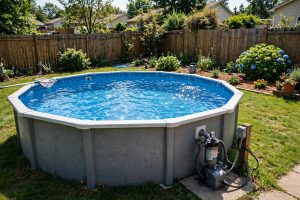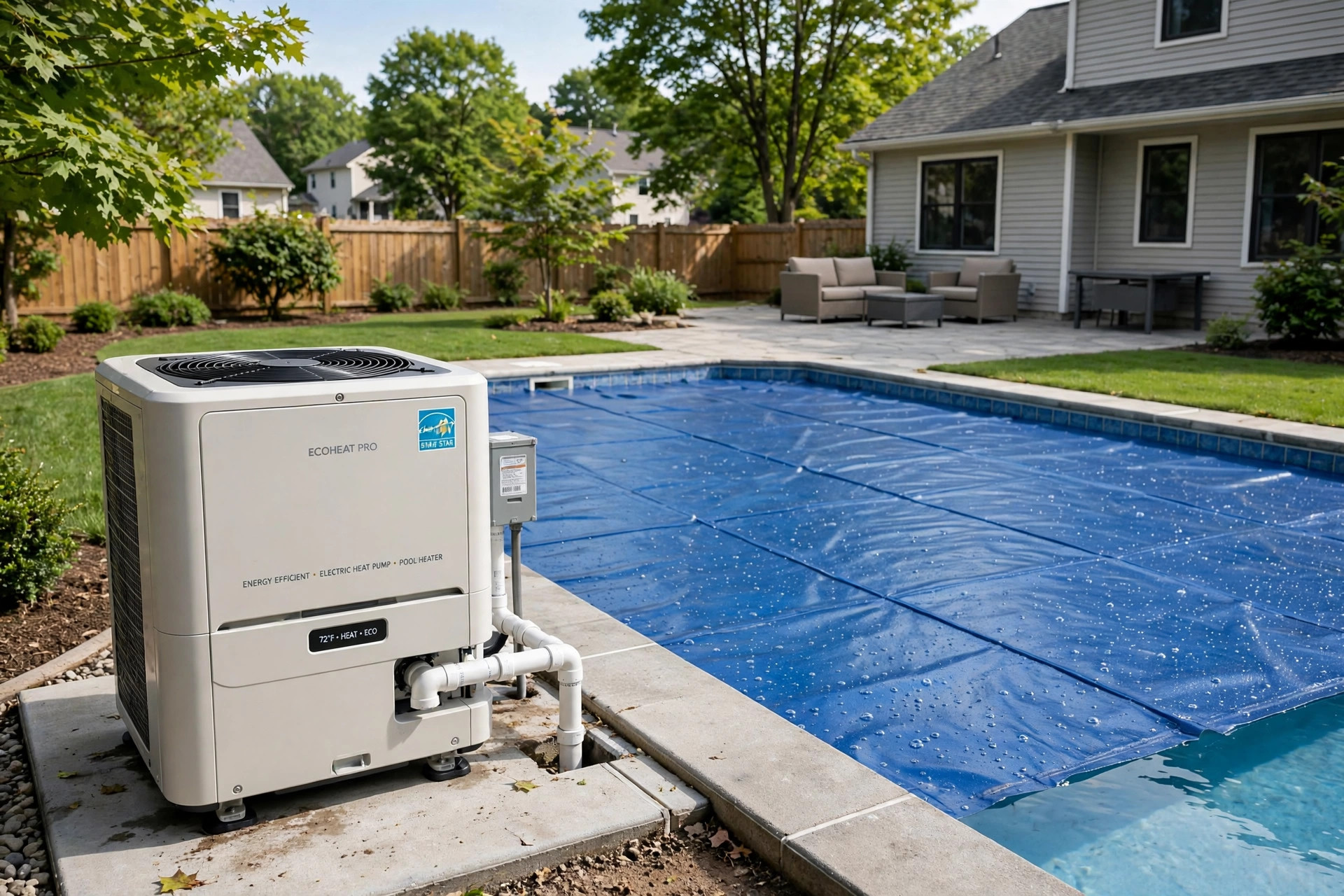

A warm pool gets used more. The best pool heater energy efficient models give you that comfort without a cruel electric bill. They move heat instead of making it. That one idea keeps running costs low and swim season long. This guide walks through how the heaters work, what to look for, and how to keep one running well for years.
Why an Energy Efficient Pool Heater Matters
Most pools lose heat every night. Cool air, wind, and evaporation pull warmth out of the water. A plain heater replaces that heat by burning fuel or drawing heavy power. Bills climb fast. Many owners cut their swim season short just to avoid the cost.
Energy efficient models change the math. A heat pump can return five units of heat for every unit of electricity it uses. Solar units run on sunlight alone. Better insulation and good controls waste less of what the heater makes. Over one summer, the savings can reach hundreds of dollars.
There is also the comfort side. A pool that holds steady at 78 to 82 degrees invites daily use. Children swim longer. Older swimmers enjoy the water more. Guests stay in longer. The heater earns its keep in hours of use, not just degrees on a dial.
Homeowners also weigh resale value. A pool with modern, efficient heating reads as cared for. Buyers notice low operating costs. The right unit pays back in both enjoyment and home value.
How Pool Heaters Work: Best Pool Heater Energy Efficient Models
Pool heaters fall into three main groups. Each moves or makes heat in a different way. Knowing the difference helps you read reviews and compare claims with a clear head.
Electric Heat Pumps
A heat pump draws heat from the outside air and passes it to the pool water. A fan pulls air across a coil. Refrigerant in the coil absorbs the warmth. A compressor raises the temperature. A heat exchanger hands that heat to the water.
These units lead most lists of the best pool heater energy efficient models. Their efficiency is measured by COP, or coefficient of performance. A COP of 5 or 6 is common. That means five or six dollars of heat for one dollar of power.
Heat pumps work best when air stays above 50 degrees. In colder air they still run, but they slow down. They heat water more slowly than gas units. A pool that starts cold may take a day or two to reach target temperature. Owners in mild states love them. Owners in short, cool seasons sometimes pair them with a solar cover to hold gains overnight.
Gas Heaters
Gas heaters burn natural gas or propane. A flame heats water as it passes through copper coils inside the unit. They work fast. A cold pool can warm up in hours, not days.
They are not efficient in the way a heat pump is. Most convert about 80 to 85 percent of fuel into heat. The rest goes up the flue. Running costs run high when gas prices climb. They shine for spas and for owners who heat the pool only on weekends. For daily use across a long season, a heat pump usually wins on cost.
Solar Heaters
Solar heaters send pool water through dark panels or mats on a roof or rack. The sun warms the water. A pump returns it to the pool. After the panels are bought and set, the sun costs nothing.
They add heat more slowly. They only work when the sun shines. A large panel area helps. Most makers suggest panel space equal to half the pool surface, and more in cool climates. Many owners use solar as the main heater and keep a heat pump for cloudy weeks.
What to Look for When You Choose
Size comes first. A heater that is too small runs all day and never reaches your target. A heater that is too large costs more up front but reaches temperature fast and rests. Makers rate heat pumps in BTUs. A 100,000 BTU unit suits many mid-size pools. Large pools or cool regions need 120,000 to 140,000 BTU or more.
Match the size to your pool gallons and your climate. The federal ENERGY STAR site explains how efficiency ratings work across home equipment, and the same ideas apply to pool units. Read the label. Compare COP for heat pumps and thermal efficiency for gas units.
Climate shapes the choice. Heat pumps need mild air. Gas and solar need sun and low winds. If your season runs from spring into fall, a heat pump is a strong pick. If you open the pool only for hot weeks, solar may do the whole job.
Fuel and power costs matter too. Check local gas prices and electric rates. A unit that is cheap to buy can be costly to run. The federal Consumer Product Safety Commission publishes safety guidance for pools and spas, which is worth reading before any heater install.
Noise is easy to miss. Heat pumps have fans and compressors. Some run quiet. Some hum loud enough to bother a neighbor. Look for a decibel rating under 60 if the unit sits near a patio. Placement matters. Set the heater on a firm pad, with clear air flow on all sides.
Controls have improved. Digital controls let you set water temperature to the degree. Timers match heating to swim hours. Some units tie into pool automation apps. Reviews at Consumer Reports often cover controls and noise in depth.
Brand support counts over time. A heater should last ten years or more. Check warranty terms before you buy. Look for a maker with a service network in your area. Retailers such as The Home Depot carry many top models and list warranty terms on each product page.
Types and Options at a Glance
Inground pools need more heat than small above ground pools. If your pool sits in the ground, start with our notes on the best pool heater for inground pools to size the unit right. Above ground pools lose heat faster through their walls. See the pool heater for above ground pools guide for options that fit smaller volumes.
Combination systems are common now. A solar array does daily work. A heat pump covers cloudy days. A gas heater handles the hot tub when guests arrive. Controls switch between them. The pool runs warm at the lowest cost.
Salt water pools need care in heater choice. Salt can wear some heat exchangers faster. Many heat pumps use titanium exchangers that stand up to salt. Check the spec sheet before you buy.
For spas and hot tubs, speed matters more than efficiency. Many owners run a gas heater on the spa and a heat pump on the pool. Two units, each doing the job it does best. Hot tub specialists like Hot Spring and Bullfrog Spas design their systems around fast, controlled heating.
Cost and Price
Prices vary by type and size. A small heat pump for an above ground pool can start near one thousand dollars. A large heat pump for an inground pool often runs two to five thousand dollars. Gas heaters sit in a similar range. Solar panel kits for a mid-size pool often cost one to three thousand dollars before labor.
Install adds more. A licensed electrician should wire a heat pump. A plumber should tie it into the pool lines. Gas heaters need a gas line and vent work. Budget five hundred to two thousand dollars for install, depending on the job.
Running costs tell the real story. A heat pump on a mid-size pool may add thirty to eighty dollars a month to the power bill in season. A gas heater can cost two to three times that when gas prices run high. Solar adds almost nothing once installed. Pumps add their own cost, so read our breakdown of pool pump running cost per month to build a full budget.
Payback math favors heat pumps for most owners. The higher purchase price is paid back in lower monthly bills over two or three seasons. Solar pays back too, often within three to five years in sunny states.
Care and Upkeep
Pool heaters reward simple habits. Keep the area around the unit clear. Leaves and brush block air flow on a heat pump. A blocked coil makes the unit work harder and last less long.
Check water chemistry each week. High acid or low pH water can eat metal parts inside any heater. Balanced water protects the heat exchanger. Test strips from pool suppliers make the weekly check quick. Leslie’s Pool Supplies and Pool Warehouse both carry testing kits and parts for most major heater brands.
Rinse the heat pump coil once a season. A garden hose removes dust and pollen. Do not use a pressure washer. It bends the thin fins. Check the drain for clogs at the same time.
For gas heaters, have a tech check the burner each year. Soot and rust hurt performance. A yearly service visit catches small faults before they grow.
Solar panels need little care. Check mounts and hoses in spring. Look for cracks or leaks. Rinse panels to clear dirt. Make sure water flows freely through the whole array.
Run the heater on a timer. Heat the pool only when swimmers need it. A solar cover holds heat overnight and can cut heating costs by half or more. The pool education site Swim University has clear guides on covers, chemistry, and seasonal care.
Safety
A heater is safe when it is set right and cared for. Poor wiring, blocked vents, and neglected parts cause most trouble. Keep these points in mind.
Give the unit room. Heat pumps need open air on all sides. Gas heaters need proper venting away from windows and doors. Never store paint, fuel, or pool chemicals near the heater.
Water and power mix near any pool. Have a licensed electrician wire the heater and bond the pool equipment. Do not bypass safety switches. If breakers trip again and again, call a tech instead of resetting them over and over.
For gas units, know the signs of a gas leak. A rotten egg smell near the heater means shut the gas off and call your gas company at once. Install a carbon monoxide alarm near any attached pool house.
Keep small children away from the heater. The cabinet gets hot in spots. Lock access gates to the equipment pad. The federal Consumer Product Safety Commission offers free checklists for pool barriers and equipment safety.
Set a sane water temperature. Most swimmers like 78 to 82 degrees. Hotter water raises costs and can make some swimmers feel faint. Hot tub water should stay at or below 104 degrees.
FAQ
How much does an energy efficient pool heater save?
Savings depend on climate, rates, and use. A heat pump with a COP of 5 uses about one fifth the power of an electric resistance heater for the same heat. Many owners cut heating bills by half or more when they switch from gas to a well sized heat pump. A solar cover adds more savings on top.
How long does it take a heat pump to warm a pool?
Plan on one to two degrees per hour for a well sized unit in mild air. A pool that sits at 70 degrees may take a full day to reach 80. Gas heaters work faster. Solar adds heat more slowly across sunny days.
Will a heat pump work in cold weather?
Heat pumps run best above 50 degrees. Many models keep working into the 40s but heat more slowly. Some new cold climate models reach lower. Check the maker’s low temperature rating before you buy.
What size heater do I need?
A rough rule is 100,000 BTU for pools up to about 20,000 gallons in mild climates. Larger pools or cool regions need 120,000 to 140,000 BTU or more. Above ground pools need less. A dealer can run a full heat loss calc for your pool.
Is solar heating enough on its own?
In sunny states with long seasons, often yes. In cooler or cloudy regions, solar usually needs help from a heat pump. Most makers size panels at half the pool surface area as a starting point.
How long do pool heaters last?
Heat pumps often last ten to fifteen years with care. Gas heaters run seven to twelve years. Solar panels can last fifteen to twenty years. Good water chemistry and yearly checks stretch every type.
A Short Final Word
The best pool heater energy efficient models share a few traits. They move heat instead of forcing it. They fit the pool size and the local climate. They run on a timer and pair with a cover. Pick the type that suits your season, size the unit with care, and keep water balanced. Do that, and warm water costs far less than most owners fear.
References
Bullfrog Spas. (n.d.). Hot tubs and spas. https://www.bullfrogspas.com Consumer Reports. (n.d.). Product reviews and ratings. https://www.consumerreports.org ENERGY STAR. (n.d.). Energy efficient products. https://www.energystar.gov Hot Spring Spas. (n.d.). Hot tubs and spas. https://www.hotspring.com Leslie’s Pool Supplies. (n.d.). Pool supplies and equipment. https://www.lesliespool.com Pool Warehouse. (n.d.). Pool equipment and supplies. https://www.poolwarehouse.com Swim University. (n.d.). Pool and hot tub care guides. https://www.swimuniversity.com The Home Depot. (n.d.). Home improvement products. https://www.homedepot.com U.S. Consumer Product Safety Commission. (n.d.). Product safety information. https://www.cpsc.gov
Was this guide helpful?

About David Wilson
The My Garden US editorial team writes practical, in-depth home and garden guides for American homeowners — tested advice, no fluff.
You May Also Like
Inground Pool Cost Breakdown by Size
September 29, 2026 0 views
Best Pool Floats for Pool Parties: A Practical Buying Guide
July 4, 2026 0 views
The Best Hot Tub Gazebo for Privacy: A Quiet Corner in Your Own Yard
March 11, 2026 0 views