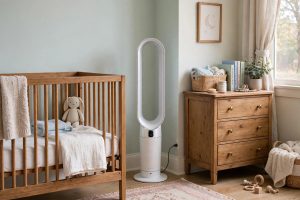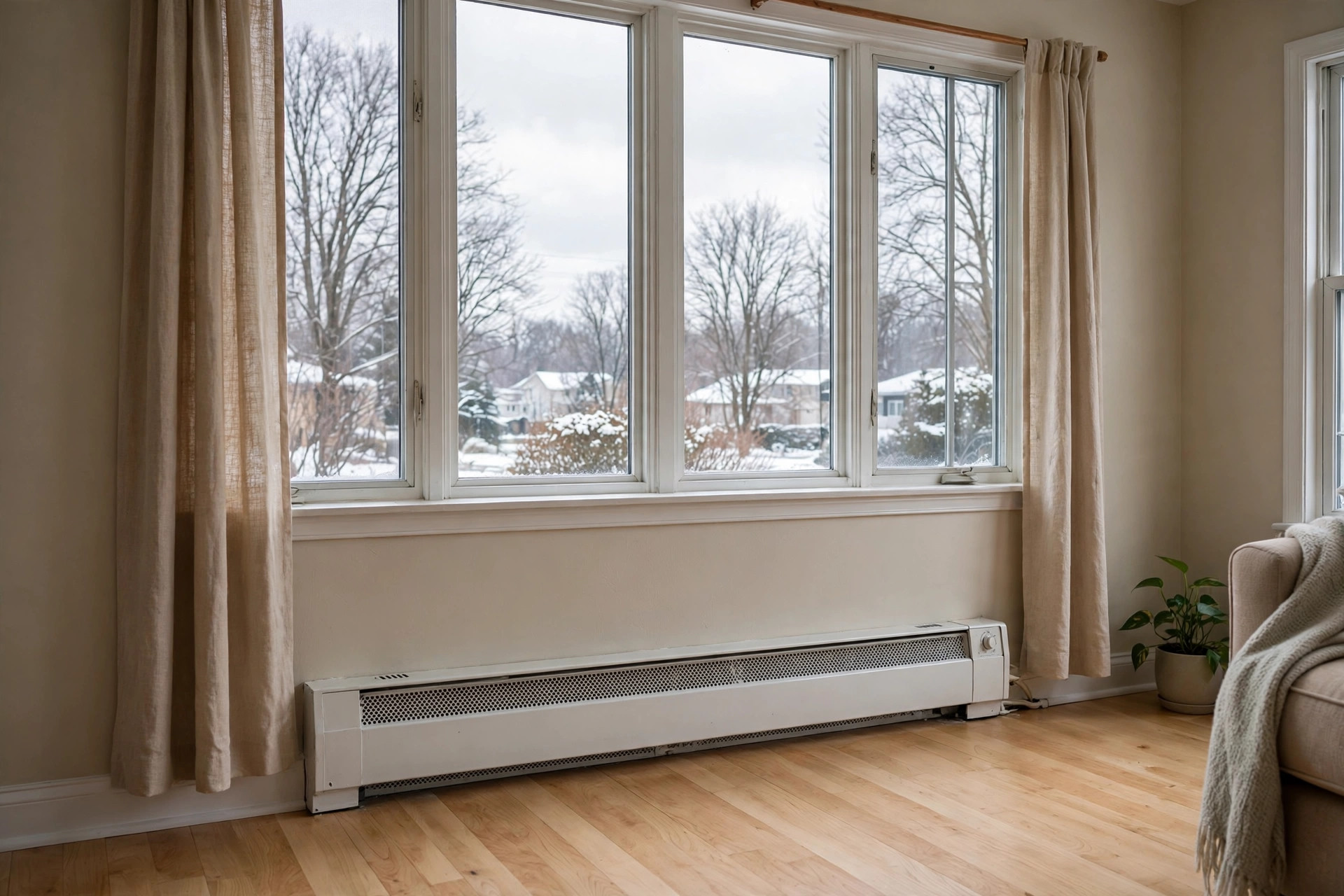

Many American homes heat their rooms with electric baseboard heaters. These long, low units sit along the base of the wall and warm the air near the floor. They are simple and quiet. But one question comes up every winter: what is the electric baseboard heat cost per month usa homeowners should expect? The honest answer is that it varies a great deal. A single small room may cost forty dollars a month to heat. A full house in a cold state may cost four hundred dollars or more. This guide explains why the range is so wide, how to work out your own cost, and what you can do to keep the bill down.
Why Monthly Cost Matters
Heat is one of the largest parts of a home energy bill. In cold months it often makes up half of the total. Electric baseboard heat turns every unit of electricity into heat inside the room. That sounds perfect, but electricity costs much more per unit of heat than gas or oil in most of the country. So a family may enjoy warm rooms in December and feel a shock when the January bill arrives.
Knowing the monthly cost in advance helps in three ways. First, you can set a budget. Second, you can compare baseboard heat with other options such as a heat pump or a gas furnace. Third, you can spot when a bill looks too high and find the cause. A homeowner in Maine needs a different answer than a homeowner in Texas. This guide covers the full range so you can find your own number.
How the Cost Is Worked Out: Electric Baseboard Heat Cost Per Month Usa
The math behind the cost is simple. Three things decide what you pay: the size of the heater, the number of hours it runs, and the price of electricity where you live.
Heater size
Electric baseboard heaters are rated in watts. Common sizes run from 500 watts for a small bath to 2,000 watts for a large living room. One thousand watts equals one kilowatt. A 1,500-watt heater uses 1.5 kilowatts of power while it runs.
Hours of use
Heaters do not run all day. The thermostat turns the unit on and off to hold the set room temperature. On a mild day a heater may run four hours out of twenty-four. On a bitter day it may run twelve hours or more. Poor insulation means longer run time.
Electricity price
The average American household pays around eighteen cents for each kilowatt-hour of electricity. Some states charge less than ten cents. Others, such as Hawaii and parts of New England, charge more than twenty-five cents. This single fact explains much of the difference in monthly cost across the country.
A simple example
Take a 1,500-watt heater. It uses 1.5 kilowatts. Say it runs eight hours a day and the price is eighteen cents per kilowatt-hour. The daily cost is 1.5 times 8 times 0.18, which is about two dollars and sixteen cents. Over thirty days that is about sixty-five dollars for that one room. Three rooms heated the same way would come to near two hundred dollars a month.
What Drives Your Bill Up or Down
Several facts beyond the basic math push the monthly cost up or down. Understanding them is the key to control.
Climate
A home in Minnesota may need heat for seven months. A home in Florida may need it for a few weeks. Colder air outside means the heater must work longer each day to keep the room warm. This is the largest single driver of cost.
Insulation and windows
Heat escapes through walls, attics, and windows. An old house with thin walls and single glass windows loses heat fast. The heater then runs almost all the time. A well sealed home with good insulation lets the heater rest. Sealing air leaks around doors and windows is one of the cheapest ways to cut the monthly bill. The U.S. Department of Energy offers plain guidance on where homes lose heat and how to stop it.
Thermostat settings
Each degree higher on the thermostat adds about three percent to heating cost. Keeping rooms at 68 degrees during the day and lower at night or when away saves real money. A thermostat that can be set room by room helps more, because empty rooms can stay cool.
Heater age and condition
Dust and dirt on the heating fins cut heat output. The heater then runs longer to do the same job. Old units with worn controls may also run when they should not. Yearly cleaning keeps them at full strength.
Room use
Heating rooms no one uses is a common waste. Closing the doors of spare rooms and turning their heaters down can cut the bill by a wide margin.
Types of Electric Baseboard Heat
Not all baseboard units are the same. The type you have affects comfort more than cost, but it is worth knowing the options.
Standard convection baseboards
These are the most common type. Cool air enters at the bottom, passes over hot metal fins, and rises into the room. They are cheap to buy and simple to install. Most older homes use them.
Hydronic baseboards
These units hold a sealed liquid that warms up and gives off heat more slowly. They feel gentler and hold warmth after the power cuts off. They cost more to buy but many owners find them more comfortable. They also reduce the dry air feeling some people dislike.
Wall heaters and panel heaters
Some rooms use a wall heater or a flat panel on the wall instead of a baseboard unit. For a large open room, a space heater for a large room may serve the same role. The cost math works the same way: watts times hours times price.
Baseboard heat versus other systems
Baseboard heat has no ducts and no pipes. That means no duct losses, which waste energy in forced air systems. But electricity costs more than gas per unit of heat. In a mild climate, a heat pump moves heat for far less electricity and often cuts bills sharply. In a very cold climate with cheap electricity, baseboards can still make sense. Makers such as Carrier and Trane publish comparison material that shows where heat pumps save the most.
Typical Monthly Costs by Home Size
The numbers below are rough guides for a winter month, based on the eighteen cent average price. Your own bill will shift with your state price and your winter weather.
One room or small apartment
One 1,000-watt heater running five hours a day comes to about twenty-seven dollars a month. Many studio apartments fall in this range.
A two bedroom home
Three heaters running six to eight hours a day often land between one hundred fifty and two hundred fifty dollars a month. This fits much of the Midwest and Mid-Atlantic.
A full size family home
Five or six heaters in a cold northern state can reach three hundred to five hundred dollars a month in deep winter. Homes with poor insulation sit at the top of this range or above it.
What the bill tells you
Look at your winter bills from last year. Divide the total by the number of heaters. That gives a rough cost per room. If one room costs far more than the others, check its insulation, its windows, and its thermostat before anything else.
Ways to Lower the Monthly Cost
You do not need to replace your heating system to pay less. Small steps add up.
Set each room on its own
Heat the rooms you use. Bedrooms can stay cooler during the day. The living room can stay cooler at night. Room by room control is the great strength of baseboard heat, so use it.
Lower the setting a few degrees
Dropping from 72 to 68 degrees cuts cost by roughly twelve percent. A warm sweater makes up the difference for most people.
Seal the leaks
Weather strip around doors. Caulk around window frames. Add insulation in the attic if it is thin. These one time jobs pay back every winter. ENERGY STAR lists which home sealing steps give the best return for the money.
Clean the heaters each fall
Turn off the power, remove the front cover, and vacuum the dust from the fins. Make sure furniture and curtains stand at least a foot away so air can move. Blocked heaters run longer and heat less.
Use a timer or smart control
Some thermostats let you set a schedule. Heat the home before you wake and before you return, and let it drift down while you sleep or work. Even simple manual changes each morning and night save money.
Consider a heat pump for the long term
If your winters are mild to moderate and your electric bills are high, a ductless mini split heat pump can heat the same rooms for a third of the electricity. The up front cost is real, but the monthly savings last for years. Brands such as Rheem, Lennox, and Goodman make units built for home use, and This Old House walks through how these systems are sized and installed.
Care and Upkeep
Baseboard heaters ask for little, but a small yearly routine keeps them safe and cheap to run.
Clean each unit before the heating season. Check that the thermostat in each room reads true. A thermometer set on a table will tell you if the thermostat runs hot or cold. Replace any thermostat that sticks or that fails to shut the heater off. Look for scorch marks on the wall above the unit, which can mean blocked air flow or a failing part. A heater that smells hot, makes odd sounds, or trips the breaker needs a look from an electrician. Guides from Family Handyman show the basic cleaning and testing steps in plain detail.
Safety
Electric heat is safe when the rules are followed. Keep all cloth, paper, and furniture at least twelve inches from the front of each unit and six inches from the sides. Never dry clothes on a heater. Never plug a portable electric heater into the same circuit as a fixed baseboard unit if the circuit is already full. Teach children not to touch the metal, which gets hot enough to burn.
Turn heaters down, not off, in rooms you want to protect from freezing pipes. A room can freeze fast in a cold snap even with the door closed. If a breaker trips again and again, do not keep resetting it. Call an electrician, because the circuit may be over full.
Frequently Asked Questions
Is electric baseboard heat expensive compared with gas?
Yes, in most of the country. Electricity costs more per unit of heat than natural gas. A home with gas heat often pays half as much for the same warmth. But baseboard systems cost far less to install, and they suit homes that lack gas lines or ducts.
How much does it cost to heat one room for a month?
A 1,500-watt heater running eight hours a day at eighteen cents per kilowatt-hour costs about sixty-five dollars a month. Fewer hours or a lower price cut that number. More hours or a higher price raise it.
Do baseboard heaters use a lot of electricity?
They use power at full strength while they run, which is why short run times matter. A well insulated room lets the heater rest between cycles. A drafty room keeps it on for hours. The heater itself wastes almost no energy; the cost comes from how long it must work.
Can I leave baseboard heat on all winter?
Yes. These units are built for steady winter use. But leaving every room at full heat all season is the fastest way to a large bill. Turn down rooms you do not use and lower settings at night.
Should I replace baseboard heat with a heat pump?
It depends on your climate and your bills. In mild winters a heat pump often cuts heating cost by half or more. In very cold regions the savings shrink. Get the math done for your own state price and winter before you decide.
Why did my bill jump this year?
Check three things first. Electricity prices may have risen. The winter may have been colder. And a thermostat or heater may be failing and running too long. Compare this winter with last winter, month by month, before you blame the equipment.
A Final Word
The electric baseboard heat cost per month usa homeowners pay ranges from under fifty dollars for a small space to several hundred for a large home in a cold state. The watts, the hours, and your local price set the number. You cannot change your climate or your utility price, but you can change the hours. Room by room control, lower settings, sealed leaks, and clean heaters give you that control. Work out your own cost with the simple formula in this guide, make the easy fixes first, and you will face the winter bill with confidence instead of surprise.
References
Carrier. (n.d.). Heating and cooling systems. https://www.carrier.com ENERGY STAR. (n.d.). Energy efficient products. https://www.energystar.gov Family Handyman. (n.d.). DIY home repair and maintenance. https://www.familyhandyman.com Goodman. (n.d.). Heating and cooling equipment. https://www.goodmanmfg.com Lennox. (n.d.). Heating and cooling systems. https://www.lennox.com Rheem. (n.d.). Heating, cooling, and water heating. https://www.rheem.com This Old House. (n.d.). Home renovation guidance. https://www.thisoldhouse.com Trane. (n.d.). Heating and air conditioning. https://www.trane.com U.S. Department of Energy. (n.d.). Energy efficiency and renewable energy. https://www.energy.gov
Was this guide helpful?

About Lisa Anderson
The My Garden US editorial team writes practical, in-depth home and garden guides for American homeowners — tested advice, no fluff.
You May Also Like
Mini Split for Garage Heating and Cooling: A Practical Guide for Homeowners
July 29, 2026 0 views
Best Garage Heater for Winter Reviews USA: A Practical Guide to Warmth
September 16, 2026 0 views
Water Vapor Fireplace Pros, Cons and Reviews: An Honest USA Guide
March 12, 2026 0 views