
Introduction
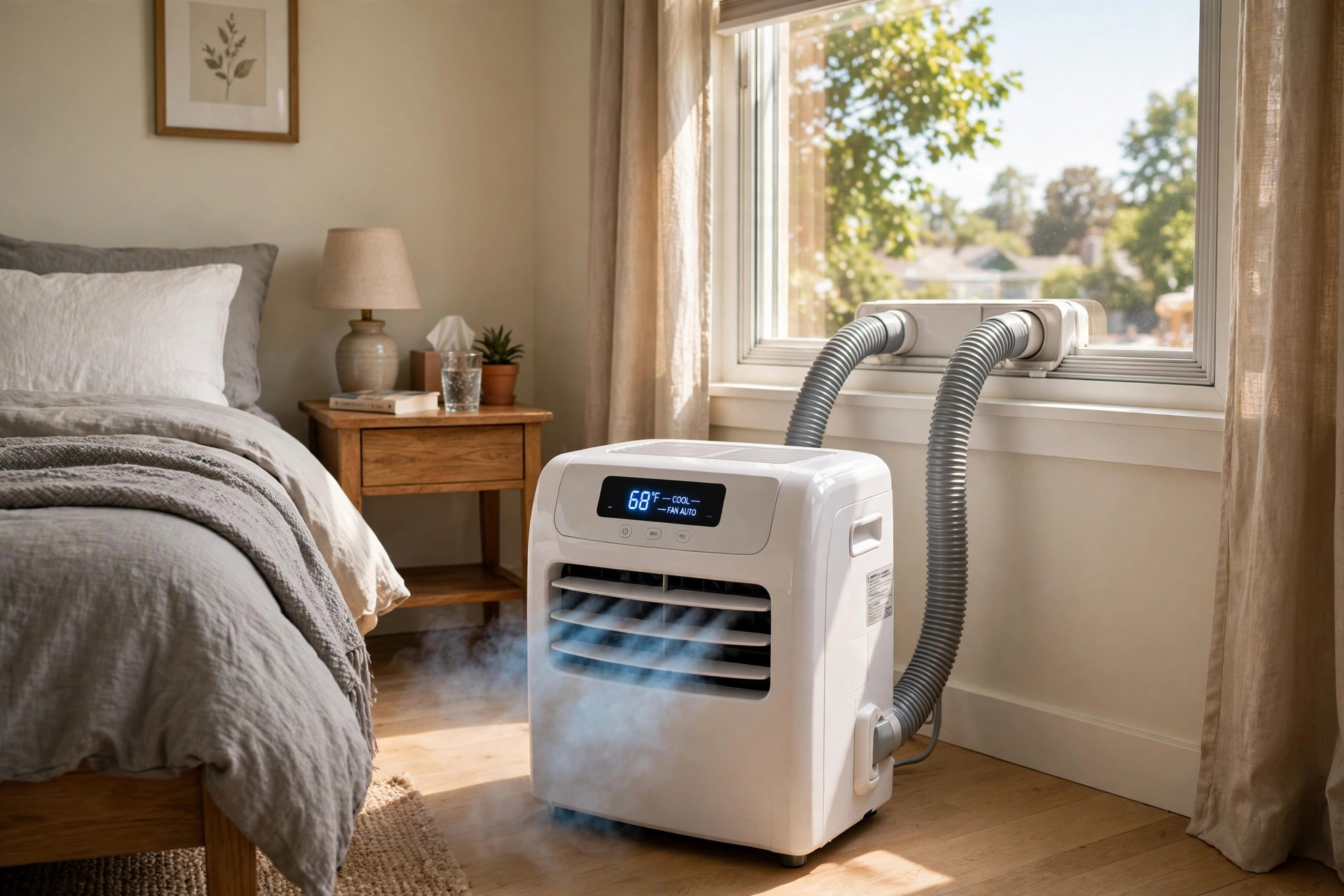
Dual hose portable ac reviews 2026 usa are in high demand this year. Summer heat has grown harder in many parts of the country. Many homes need extra cooling in one room. A central system is not always an option. A window unit is not always allowed. A portable air conditioner can fill the gap. But not all portable units are equal. Models with two hoses cool better than models with one hose. This guide explains why. It covers how dual hose units work. It covers what to look for when you shop. It covers costs, care, and safety. By the end, you will know how to read dual hose portable AC reviews with a trained eye.
Why Dual Hose Portable AC Reviews Matter in 2026: Dual Hose Portable Ac Reviews 2026 Usa
Portable air conditioners are easy to buy. They are easy to move. They need no permanent installation. That is why so many renters and homeowners own one. But portable units have a weakness. They must send hot air out of the room. They do this through a hose that fits in a window. A single hose unit pulls air from the room, cools part of it, and sends the heat outside. The problem is simple. The air it sends outside must be replaced. Warm air from other parts of the house seeps into the cooled room. The room stays cool, but the rest of the house works harder.
A dual hose portable air conditioner fixes this weakness. It has two hoses. One hose pulls outside air in. The second hose sends hot air out. The room air stays inside. The room cools faster. The unit uses less energy to hold the temperature. Tests by independent groups show that dual hose models often cool a room more quickly than single hose models of the same rating.
Reviews written for the American market in 2026 matter because ratings have changed. The United States now rates portable air conditioners with a new number called SACC. SACC stands for Seasonally Adjusted Cooling Capacity. It gives a fairer picture of real cooling than the old BTU number. Old reviews that use only the old BTU number can mislead you. A unit rated 14,000 BTU under the old system may show only 9,500 SACC. That is a large difference. Fresh reviews for 2026 use the new rating. They also cover new features, such as self-evaporating designs and quieter fans. The Lennox website gives clear background on how cooling capacity is measured. It is a good place to learn the terms before you read reviews.
How a Dual Hose Portable Air Conditioner Works
The idea is easy to grasp. Think of the unit as a box that moves heat. It takes warm room air. It cools that air. It blows the cool air back into the room. It takes the heat it removed and sends it out through the second hose. To do this, it needs fresh outside air. It pulls that air in through the first hose. The outside air passes over hot coils. It carries the heat away. Then it leaves through the second hose.
Because the room air is never pushed outside, no warm air rushes in from other rooms. The pressure in the room stays even. This is the main reason dual hose units cool faster. They are also better at holding a low humidity level. They do not pull warm, damp air in from the hallway. A single hose unit can undo its own work by pulling in humid air. That is a common complaint in honest reviews.
Most dual hose units in 2026 are self-evaporating. This means they burn off the water they pull from the air. In very humid rooms, the tank may still fill up. Then the unit stops and asks to be drained. Check reviews for how often this happens. Units with a built-in pump or a drain hose save you trips to the sink.
What to Look for When You Read Reviews
Not every review is worth your time. Many are thin. Some repeat the maker’s claims word for word. Good reviews test the unit in a real room. They measure the temperature drop. They measure the noise. They report the power draw. The Goodman site has guides on how cooling equipment is tested. Reading one will make you a sharper judge of any review. Here are the points that matter most.
Cooling Capacity in SACC
Look for the SACC number first. It tells you how much cooling the unit gives in real use. For a small bedroom, 8,000 to 10,000 SACC is often enough. For a living room, look at 12,000 to 14,000 SACC. Do not compare old BTU numbers to SACC numbers. They are not the same. The U.S. Department of Energy explains the SACC rating on its pages. It also gives tips on sizing a room unit. The Trane site offers clear background on how cooling capacity is measured.
Noise Level
Portable units sit inside your room. You will hear them. Reviews should list the noise in decibels. A good unit runs near 52 to 55 decibels on low. That is about as loud as a quiet talk. On high, many reach 60 or more. If the unit will cool a bedroom, noise matters most. Look for a sleep mode. It drops the fan speed and dims the lights.
Hose Design and Window Kit
Two hoses mean more bulk at the window. Reviews should say how easy the kit is to fit. Good kits fit double-hung and sliding windows. They seal well. A poor seal lets hot air back in. That cuts cooling power. Some kits need cutting to fit. Renters may want a kit that needs no tools. Reviews that test the window kit are worth more than those that skip it.
Energy Use
Portable units use a fair amount of power. Look for the energy efficiency ratio, called EER or CEER. A higher number means lower power bills. Units that carry the ENERGY STAR mark meet strict efficiency rules. They cost less to run over a summer. Reviews that measure real power draw with a meter are the best guides.
Drainage
As the unit cools, it pulls water from the air. Self-evaporating units send most of this water out with the hot air. In damp weather, the tank can still fill. Reviews should say how often the tank needs emptying. A unit with a continuous drain port is a plus. You can run a small hose to a drain and forget it.
Controls and Smart Features
Most 2026 models have a remote. Many have a phone app. Some work with voice assistants. These are nice but not vital. What matters more is a clear display and a real timer. A good timer turns the unit off after you fall asleep. That saves power.
Cost and Price in 2026
Dual hose portable air conditioners cost more than single hose models. That is the price of the second hose and the stronger design. Prices in 2026 run in rough bands.
– Small units, 8,000 to 10,000 SACC: about $350 to $500. – Mid-size units, 10,000 to 12,000 SACC: about $450 to $650. – Large units, 12,000 to 14,000 SACC: about $550 to $800. – Units with heat mode or smart features: add $50 to $150.
The sticker price is only part of the cost. Power bills matter too. A unit that draws 1,200 watts and runs eight hours a day will add a clear sum to your monthly bill. A more efficient unit may cost $80 more but save that much in one summer. Reviews that list measured power draw help you do this math. The Rheem site has simple tools for estimating cooling costs.
Watch for sales. Prices drop in spring before the heat arrives. They also drop at the end of summer. Buying off-season can save 15 to 25 percent. Some states offer rebates for efficient cooling. For background on how federal money supports efficient home upgrades, see our guide to inflation reduction act hvac rebates explained.
Care and Upkeep
A portable air conditioner needs little care. A little care keeps it running well for years. The Carrier site offers sizing guides that help you match a unit to a room and keep it at its best.
Clean the filter. Most units have a washable filter behind a front panel. Clean it every two weeks in heavy use. A dirty filter cuts airflow. It makes the unit work harder and cool less.
Check the hoses. Hoses should be short and straight. Long, bent hoses trap heat. Keep them as short as the window allows. Check that the seals at the window are tight. Replace worn foam seals.
Drain when needed. Even self-evaporating units need draining in very humid weather. Empty the tank before it overflows. If your unit has a continuous drain, set it up once and leave it.
Store it right. At the end of summer, drain the tank fully. Run the fan alone for an hour to dry the inside. Wipe the shell. Store the unit upright in a dry place. Cover the hoses. This stops mold and keeps the unit ready for next year.
Check the window kit. Take the kit down when the season ends. Clean it. Check for cracks. A kit in good shape seals better next summer. The Family Handyman site has plain guides for cleaning portable air conditioners.
Safety
Portable air conditioners are safe when used with care. A few rules matter.
Power. These units draw a lot of current. Plug the unit straight into a wall outlet. Do not use a thin extension cord. A cord that is too thin can overheat. If you must use a cord, use a heavy-duty one rated for the load. Check the plug for heat during the first days of use.
Water and power. Keep water away from the plug and controls. Drain the tank with dry hands. Do not tilt the unit while it holds water.
Window security. A window kit leaves a gap. On a ground floor, this can be a weak point. Some kits include a lock bracket. Use it. The This Old House site shows simple ways to secure a window with a portable unit in place.
Heat. The hot exhaust hose gets warm. Keep curtains and papers away from it. Do not block the air intake. The unit needs room to breathe. Leave a few inches of space on all sides.
Children and pets. The unit is heavy. It can tip if pulled. Keep small children from hanging on it. Some pets chew cords. Keep cords out of reach.
How Dual Hose Units Compare to Other Options
It helps to place the portable unit beside its rivals. A window air conditioner cools more for less money. It is more efficient. But many leases and condo rules forbid window units. Some windows do not fit them at all. A mini split cools very well and runs quiet. It costs far more and needs a pro to install it. Our review of floor mounted mini split reviews usa covers that option in depth.
A portable unit wins on freedom. You can roll it from the bedroom to the living room. You can take it with you when you move. No holes in the wall. No brackets on the window frame. For renters, this freedom is the main point. For owners who need one cool room, it is a simple fix.
The trade-off is power use. Portable units cost more to run than window units of the same cooling power. They also take up floor space. If you need to cool a whole house, a central system is the right answer. A portable unit is a room tool, not a house tool.
Frequently Asked Questions
Are dual hose portable air conditioners really better than single hose models?
In most cases, yes. The second hose lets the unit use outside air for cooling its hot coils. Room air stays in the room. The unit cools faster and holds temperature with less work. Tests show the gap is clear in real rooms. The trade is bulk and price. Dual hose units cost more and need a wider window opening.
What size dual hose portable AC do I need for my room?
Match SACC to room size. A room of 200 square feet often needs about 8,000 SACC. A room of 350 square feet often needs about 10,000 to 12,000 SACC. A room of 500 square feet may need 14,000 SACC. Sunny rooms and kitchens need the higher end. High ceilings add load too. When in doubt, go one step up.
Do I need to drain a dual hose portable air conditioner?
Most modern units are self-evaporating. They send most water out with the hot air. In humid weather, the tank can still fill. Then you must drain it. Units with a continuous drain port can be left to drain on their own. Check reviews for how often testers had to drain in humid conditions.
How loud are dual hose portable air conditioners?
Expect 52 to 58 decibels on low and up to 62 on high. That is louder than a window unit heard from inside, but softer than many single hose models at full blast. For a bedroom, look for a model with a sleep mode and a low fan setting. Read noise tests in reviews. Maker numbers are often rosy.
Can I use a dual hose portable AC in a rented apartment?
Yes. That is one of its best uses. It needs no holes and no brackets. The window kit fits without tools in most cases. When you move, you take the unit with you. Check your lease for any rules about window kits. Some buildings ask that the kit be removed when not in use.
Is a dual hose portable AC worth the extra cost over a single hose model?
If you cool a room for many weeks each summer, yes. The faster cooling and lower power use pay back the difference. If you need cooling for only a few hot days a year, a cheaper single hose unit may do. Readers weighing whole-home cooling should also look at insulation upgrades; our piece on barndominium insulation options and costs usa shows how a tight shell cuts cooling load for any system.
A Short Final Word
Dual hose portable ac reviews 2026 usa point to a clear lesson. The second hose is worth having. It makes the unit cool faster, hold temperature better, and use power more wisely. Buy on SACC, not old BTU numbers. Favor reviews that test in real rooms. Size the unit to your space. Keep the hoses short and the filter clean. Do that, and a portable unit will carry you through the hot months in comfort.
References
Carrier. (n.d.). Heating and cooling systems. https://www.carrier.com ENERGY STAR. (n.d.). Energy efficient products. https://www.energystar.gov Family Handyman. (n.d.). DIY home repair and maintenance. https://www.familyhandyman.com Goodman. (n.d.). Heating and cooling equipment. https://www.goodmanmfg.com Lennox. (n.d.). Heating and cooling systems. https://www.lennox.com Rheem. (n.d.). Heating, cooling, and water heating. https://www.rheem.com This Old House. (n.d.). Home renovation guidance. https://www.thisoldhouse.com Trane. (n.d.). Heating and air conditioning. https://www.trane.com U.S. Department of Energy. (n.d.). Energy efficiency and renewable energy. https://www.energy.gov
Was this guide helpful?

About James Carter
The My Garden US editorial team writes practical, in-depth home and garden guides for American homeowners — tested advice, no fluff.
You May Also Like
Best Box Fan for Window Reviews 2026 USA
February 18, 2026 0 views
Duct Sealing Cost With Aeroseal Near Me: A Plain Guide for Homeowners
September 27, 2026 0 views
How Much Attic Insulation Do I Need in the USA?
October 4, 2026 0 views