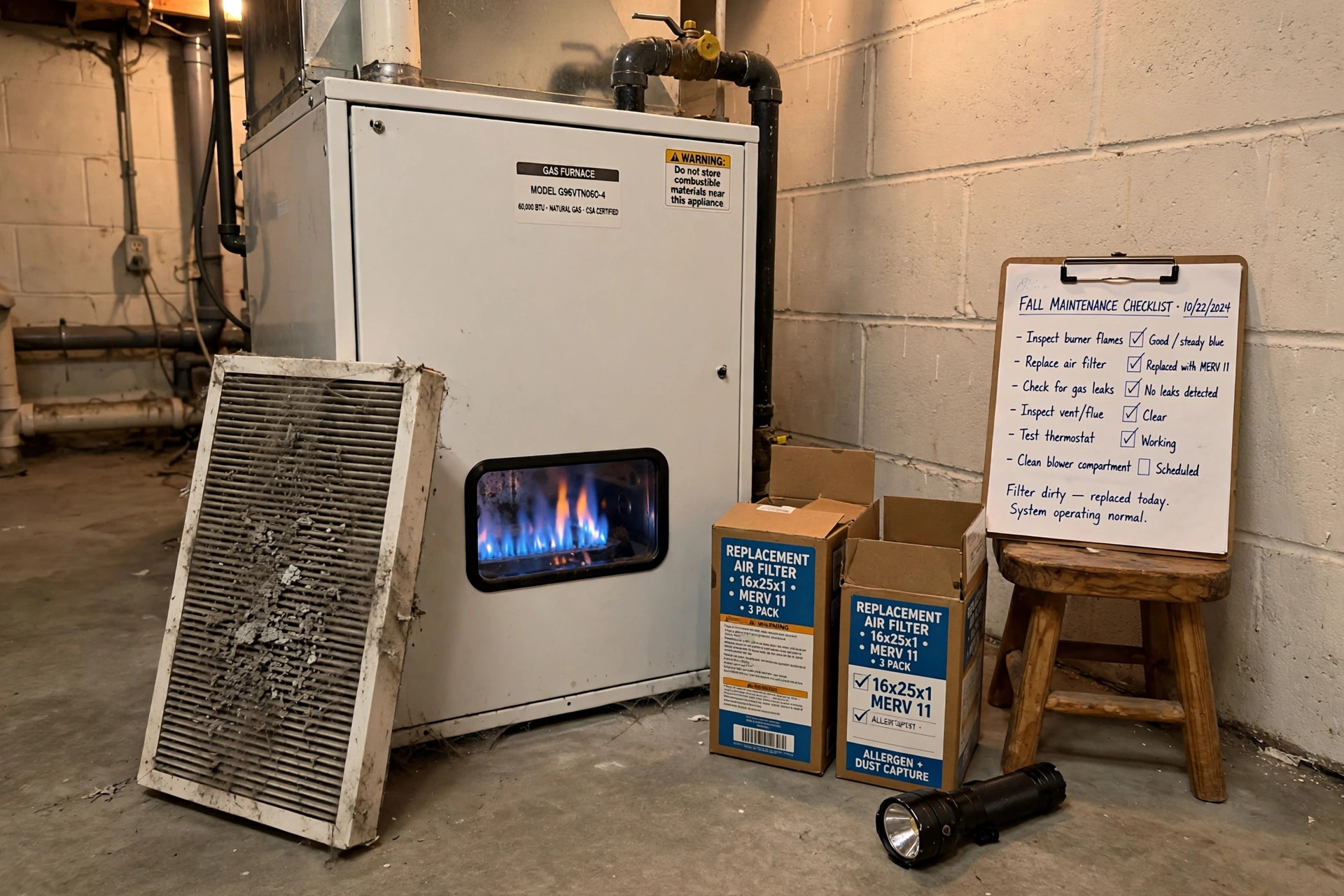
A furnace maintenance checklist for fall usa homes is a plain, step-by-step list that prepares a heating system for cold weather. In the United States, autumn is the season when furnaces wake up after months of rest. From September through November, families in most states fire up their heaters for the first time since spring. A careful check now can stop breakdowns in January, cut fuel bills, and keep the household safe. This guide walks through the full fall checklist in simple terms. It covers gas, oil, and electric furnaces. It explains what a homeowner can do and when to call a licensed technician. The work does not take long, but the order matters. Safety comes first, then cleaning, then testing, then a final review of costs and schedules.
Why a Fall Checklist Matters
A furnace is a machine. Like a car before a long trip, it needs a look-over before the season of hardest use. During summer the furnace sits idle. Dust settles on the burners. The filter may be full from spring. Belts and motors have had no motion for months. When cold air arrives, the system must start and run for hundreds of hours. A weak part can fail on the coldest night of the year, when service calls are slow and costly.
A fall checklist also saves money. A clean filter and a clean blower let warm air move freely through the ducts. The furnace runs shorter cycles and burns less fuel. The ENERGY STAR program notes that regular upkeep helps heating systems work at their rated efficiency. Even a small gain, a few percent, adds up over a whole winter.
Safety is the strongest reason of all. Gas and oil furnaces burn fuel. Poor combustion can release carbon monoxide, a gas that has no color and no smell. A cracked heat exchanger can send that gas into the living space. Fall is the right time to test detectors and look for warning signs. Good habits in autumn protect the family all winter.
What to Check on Your Furnace: Furnace Maintenance Checklist for Fall Usa
Start with the power and the fuel. This first group of checks keeps you safe and sets up the rest of the work.
Power and Fuel Supply
Turn the thermostat to the off position. At the electrical panel, switch off the breaker that feeds the furnace. For a gas furnace, look at the gas valve near the unit. It should be open, with the handle in line with the pipe. For an oil furnace, check the tank gauge. If the tank is low, order fuel before the first cold snap. Rural suppliers get busy in late fall, and delivery prices rise with demand.
The Thermostat
The thermostat is the brain of the system. Replace the batteries if it uses them. Set the mode to heat and raise the set point a few degrees above the room temperature. Listen. The furnace should start within a minute or two. If it does not respond, check the breaker again and confirm the furnace door switch is closed. A door left ajar after summer cleaning can keep the unit from starting. Once the system fires, lower the setting back to normal. Smart thermostats deserve a fresh look at their schedules. A Lennox or similar maker guide often shows how to set weekday and weekend programs that match the family routine.
The Air Filter
The filter is the single most important item on any furnace maintenance checklist for fall usa homeowners. A dirty filter chokes air flow. The furnace works harder, rooms stay cool, and the blower motor wears faster. Slide the old filter out of its slot. Hold it up to a light. If you cannot see light through it, it is done. Replace disposable filters. Wash reusable ones with water, let them dry fully, and slide them back in. Note the size printed on the frame and buy spares. Most homes need a new filter every one to three months during the heating season.
Vents and Registers
Walk through the house. Open every supply vent and return grille. Move furniture, rugs, and curtains away from them. Closed or blocked vents do not save fuel. They raise pressure in the ducts and force the furnace to labor. A quick pass with a vacuum removes dust from the grilles. While you walk, feel for even warmth once the system is running. Cold rooms may signal a duct leak or a damper out of place.
The Flue and Chimney
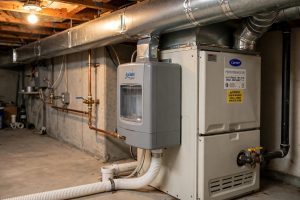
Combustion gases leave the home through a flue pipe. Look at the pipe from the furnace to the wall or chimney. Check for rust, loose joints, and gaps. Birds and small animals sometimes nest in open flue caps during summer. A blocked flue can push fumes back into the home. Call a technician if you see damage. Flue work is not a do-it-yourself job.
Types of Furnaces and How the Checklist Differs
Not all furnaces burn the same fuel. The core checklist is the same, but each type adds its own steps.
Gas Furnaces
Gas units are the most common in American homes. Look at the burner flames through the inspection window. The flames should be steady and blue. Yellow or flickering flames may mean dirty burners or a venting problem. Do not try to fix the burners yourself. Note what you see and tell the technician. Carrier and other major makers advise an annual professional tune-up for gas systems, and fall is the ideal time.
Oil Furnaces
Oil furnaces need a look at the burner nozzle and the fuel filter. These parts clog with soot over time. Most oil service plans include a yearly cleaning in early fall. Keep the area around the burner clean and dry. Check the oil line for kinks or wet spots that suggest a leak. A full tank before winter also keeps moisture out of the fuel.
Electric Furnaces
Electric models have no flame and no flue. The checklist is shorter. Check the heating elements for visible damage. Listen for a humming contactor that may be sticking. Electric furnaces cost more to run per unit of heat, so clean filters and tight ducts matter even more. A Trane guide on electric heat explains why air flow is the key to comfort with these units.
Homes that use more than one heat source have extra steps. An outdoor wood boiler, for example, needs its own fall service for the water lines and the firebox. Readers comparing backup heat may find our guide to /outdoor-wood-boiler-cost-installed-usa/ useful before winter quotes rise.
Cost and Price
A professional fall tune-up in the United States usually costs between seventy-five and two hundred dollars. The price depends on the region, the fuel type, and the age of the unit. A basic visit covers cleaning, safety checks, and a written report. Some companies sell yearly service plans that cut the per-visit cost and move you to the front of the line for repairs.
Filters cost little. Standard one-inch disposable filters run from five to fifteen dollars each. Thicker media filters cost more but last longer. A carbon monoxide detector costs twenty to forty dollars and belongs near the sleeping areas on every floor.
Repairs found during a fall visit can range widely. A new blower motor may cost three hundred to six hundred dollars installed. A cracked heat exchanger is a serious find and can cost one thousand dollars or more. In some cases, a furnace older than twenty years is better replaced than repaired. A technician can show the math on repair versus replacement. Homeowners weighing the whole envelope of the house, ducts and walls included, can also read our comparison of /blown-in-vs-batt-insulation-cost-comparison/ before spending on new equipment.
Care and Upkeep Through the Heating Season
The fall checklist starts the season. Monthly habits keep the furnace healthy until spring.
Change or check the filter on the first of each month. Mark it on the calendar. Listen to the furnace when it starts. New rattles, bangs, or long whining sounds deserve a call. Keep the area around the furnace clear. Boxes, paint cans, and laundry should stay at least three feet away. A furnace room is not a storage room.
Watch the fuel gauge on oil systems and the bill on gas systems. A sudden jump in use with no change in weather can mean the system is losing efficiency. Check the thermostat batteries once more in midwinter. Keep one spare filter on the shelf so a dirty one never stays in place for lack of a replacement.
At the end of winter, do a short closing check. Turn the heat off at the thermostat. Wipe down the outside of the cabinet. Note any repairs to request in the fall. A short log book, one page per year, makes each autumn visit faster and cheaper.
Bathroom and kitchen exhaust fans also matter to furnace health. A home that cannot move moist air out may suffer condensation in the ductwork. If a fan is loud or weak, our article on /bathroom-exhaust-fan-installation-cost-usa/ explains what a replacement typically costs.
Safety Warnings to Heed
Heat and fuel demand respect. These rules are not optional.
Keep a working carbon monoxide detector on each floor, and test it in the fall. If the alarm sounds, leave the house and call the fire department from outside. Do not open windows first and do not try to find the source.
Never store gasoline, paint thinner, or other flammable liquids near the furnace. The pilot light or burner can ignite fumes from across the room.
If you smell gas, a rotten-egg odor from a gas furnace, leave at once. Do not flip switches or use the phone inside the house. Call the gas company from a safe distance.
Do not cover the furnace cabinet with blankets or boxes to quiet it. The unit needs air to burn fuel and to cool its parts. Blocking air flow can cause overheating.
Leave gas valves, pressure switches, and limit controls alone. Adjusting safety controls can void the warranty and create real danger. The U.S. Department of Energy publishes plain guides on safe home heating that every homeowner can read in an evening.
Frequently Asked Questions
When should I start my furnace maintenance checklist for fall?
Begin in early fall, around September in most of the country. In the far South, October is fine. The goal is to finish before the first night the temperature drops near freezing. Early visits also get better appointment times and lower prices than late-fall rush calls.
Can I do the checklist myself, or do I need a technician?
A homeowner can handle filters, vents, thermostats, and visual checks. Combustion testing, burner cleaning, and electrical work belong to a licensed technician. The best plan is a homeowner pass in September plus one professional tune-up each year. Goodman and other brands tie their warranty terms to yearly professional service, so keep the receipt.
How often should the furnace filter be changed?
Check it monthly during the heating season. Change a standard filter every one to three months. Homes with pets, smokers, or recent remodeling work may need changes every month. A clean filter is the cheapest repair you will ever make.
What are the signs my furnace needs repair before winter?
Short cycling, where the unit starts and stops every few minutes, is a warning. So are cold spots in rooms, rising fuel bills, and new noises. Yellow burner flames and a smell of fuel are urgent signs. Call for service at once and do not run the furnace until it is checked. Rheem troubleshooting guides list these same early signs for their owners.
How long does a furnace usually last?
A well-kept gas furnace lasts fifteen to twenty years. Oil furnaces often run a bit longer. Electric models can reach twenty to thirty years because they have fewer moving parts under heat stress. Age alone is not a verdict, but once repair bills pass half the cost of a new unit, replacement makes sense. Family Handyman offers a clear walkthrough of that repair-versus-replace decision.
Should I cover my furnace or outdoor unit in winter?
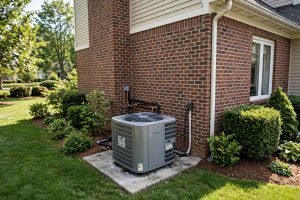
Do not cover an indoor furnace. For an outdoor heat pump or air conditioner that rests through winter, a breathable cover is fine, but never wrap a unit that must breathe to run. This Old House has good advice on what to cover and what to leave open as the cold sets in.
A Final Word
A furnace maintenance checklist for fall usa households is a small effort with a large return. One afternoon of checks in September buys a winter of steady heat, lower bills, and peace of mind. Work through the list in order: power and fuel, thermostat, filter, vents, flue. Know your furnace type and its extra steps. Keep up the monthly habits. Respect the safety rules. And bring in a professional once a year, before the cold tests your work. The furnace will do its job all winter if you do yours in the fall.
References
Carrier. (n.d.). Heating and cooling systems. https://www.carrier.com ENERGY STAR. (n.d.). Energy efficient products. https://www.energystar.gov Family Handyman. (n.d.). DIY home repair and maintenance. https://www.familyhandyman.com Goodman. (n.d.). Heating and cooling equipment. https://www.goodmanmfg.com Lennox. (n.d.). Heating and cooling systems. https://www.lennox.com Rheem. (n.d.). Heating, cooling, and water heating. https://www.rheem.com This Old House. (n.d.). Home renovation guidance. https://www.thisoldhouse.com Trane. (n.d.). Heating and air conditioning. https://www.trane.com U.S. Department of Energy. (n.d.). Energy efficiency and renewable energy. https://www.energy.gov
Was this guide helpful?

About Sarah Mitchell
The My Garden US editorial team writes practical, in-depth home and garden guides for American homeowners — tested advice, no fluff.