
Introduction
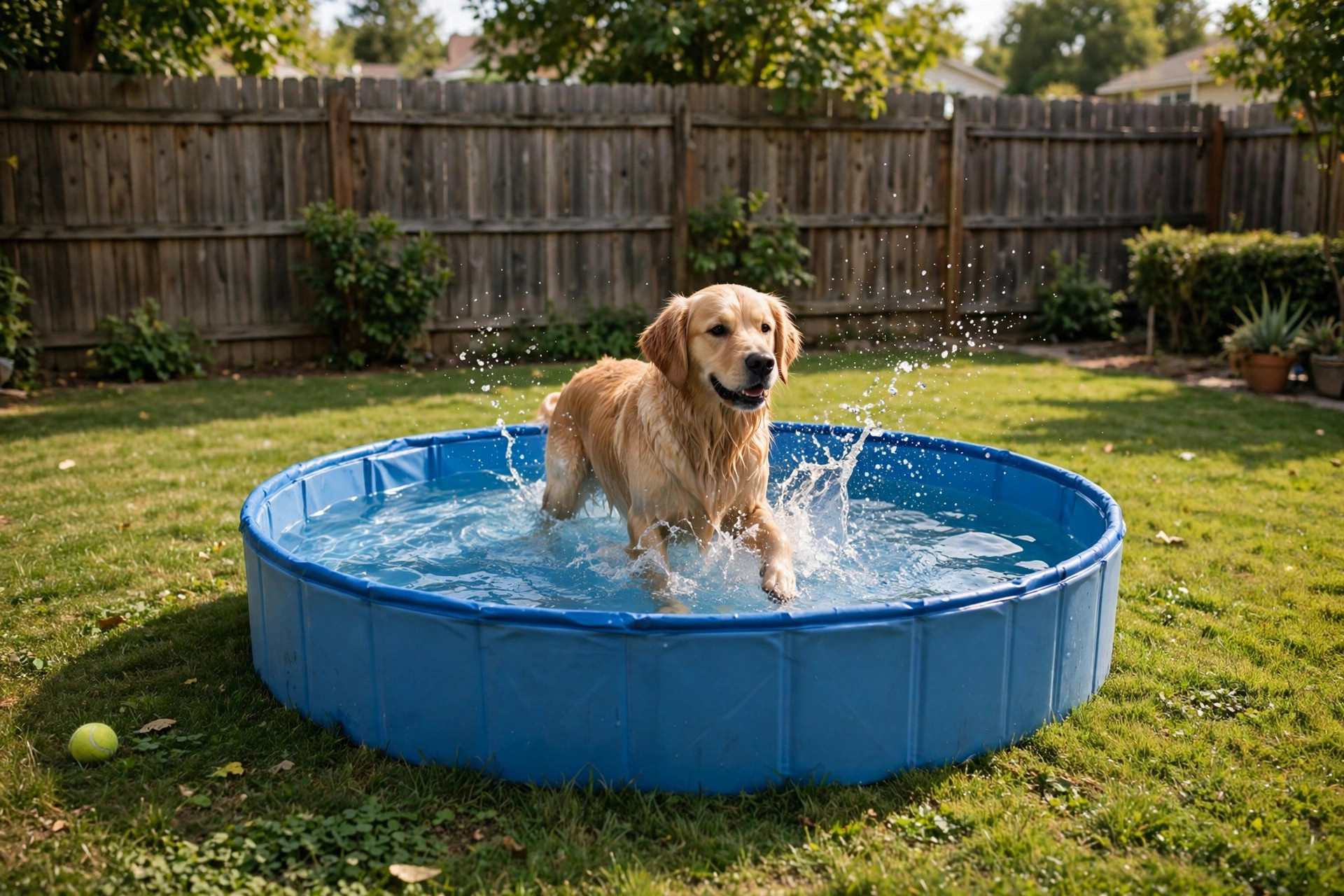
A dog swimming pool for backyard summer fun is one of the simplest ways to keep a pet cool when the heat of July and August settles over the yard. Dogs do not sweat the way people do. They cool their bodies mostly through panting, and when the air is hot and still, panting is often not enough. A shallow pool of cool water in the yard gives a dog a place to splash, wade, and rest its belly in the water. It is cheap, easy to set up, and most dogs take to it with no training at all.
Many owners first think of a dog swimming pool for backyard summer fun as a toy. It is more than that. On days when the temperature rises above eighty degrees, a pool can protect a dog from heat stress. Short-legged breeds, heavy breeds, and older dogs are at greater risk in the heat. A pool gives them relief they can find on their own, without waiting for the owner to notice the signs of trouble.
This guide explains why a pool matters, what to look for when buying one, the main types on the market, what you can expect to pay, and how to keep the pool clean and safe through the season.
Why a Dog Swimming Pool for Backyard Summer Fun Matters
Heat and Your Dog
Dogs feel heat more than most owners realize. A thick coat holds warmth against the body. Exercise on a hot afternoon can push a dog toward heat exhaustion in less than half an hour. Early signs include heavy panting, drooling, and a glazed look in the eyes. A pool in the yard lets a dog cool off before those signs ever appear.
Exercise Without Overheating
Swimming and wading give a dog good exercise with low strain on the joints. For older dogs, dogs with arthritis, and dogs recovering from injury, water is kinder than running on hard ground. A dog swimming pool for backyard summer fun turns the yard into a safe exercise spot that you can watch from the porch.
Fun and Calm Behavior
A dog with nothing to do on a hot day gets bored, and a bored dog digs holes, chews furniture, and barks at the fence. A pool gives the dog a job: splash, play, and cool off. Many owners report that dogs with access to a pool nap longer and rest more calmly in the evening. A tired, cool dog is a well-behaved dog.
What to Look for When You Choose a Pool
Size
Measure your dog before you shop. A small pool of thirty to forty inches across suits terriers, beagles, and other small breeds. Medium dogs need fifty to sixty inches. Large breeds such as labradors, shepherds, and retrievers do best with pools of sixty inches or more, so they can turn around without knocking water over the sides.
Think about depth too. Most dog pools are ten to twelve inches deep. That is enough for a dog to lie down and cool its chest and belly. Deeper pools suit strong swimmers but need more water and more work to drain.
Material
The best pools are made of heavy PVC, the same tough plastic used in river rafts. Look for walls at least one-half millimeter thick. Thin plastic tears under claws in a single season. Some models have a non-slip bottom, which helps older or nervous dogs step in with confidence.
Avoid pools with inflatable rims. Dog claws puncture them in days. A rigid or foldable solid-wall pool lasts far longer.
Drainage
A good dog swimming pool for backyard summer fun has a drain valve on the side near the bottom. Without a valve, you must tip the whole pool to empty it, which is hard when it holds fifty gallons of water. Side valves let you attach a garden hose and direct the old water to a flower bed or a corner of the lawn.
Shape and Entry
Round pools are the most common and the most stable. Some pools have a low section or a built-in step that works as an entry point. If your dog is old or stiff, a gentle entry matters more than any other feature. Watch the dog the first time it approaches the pool; a steep wall can scare a shy dog away for good.
Types of Dog Swimming Pools
Rigid Plastic Pools
Hard plastic stock tanks and kiddie pools are the classic choice. They are cheap, widely sold, and nearly indestructible. The drawback is storage: a rigid pool cannot fold flat, so it takes up space in the garage all winter. They are also heavy when full and hard to move.
Foldable Dog Pools
Foldable pools have become the most popular type of dog swimming pool for backyard summer fun. The walls are made of stiff PVC panels joined by flexible seams, so the pool folds flat for storage. They set up in minutes and often include a drain valve and a non-slip base. Most foldable pools last several seasons if you keep claws trimmed and store them indoors in winter.
Inflatable Models
Inflatable pools cost the least and set up fast, but they are the weakest choice for dogs. Claws pop them. If you already own one for children, let the dog use it only with close supervision, and keep a patch kit nearby.
Elevated Splash Pools
A few models sit on legs a few inches off the ground. These work well on decks and patios, and the air under the pool keeps the water a touch cooler. They hold less water than ground pools, so they suit small and medium dogs best. Pair one with a best elevated dog bed for outdoor patio use nearby and your dog has a full rest station on the patio.
Cost and Price
Prices for a dog swimming pool for backyard summer fun are modest compared with most pet gear.
– Small foldable pools, thirty to forty inches: fifteen to thirty dollars. – Medium pools, fifty to sixty inches: thirty to fifty dollars. – Large pools, sixty inches and up, heavy-duty PVC: fifty to ninety dollars. – Rigid stock tanks, one hundred gallons or more: eighty to one hundred fifty dollars at farm and garden stores such as the Home Depot outdoor section.
Specialty pet retailers like Chewy carry most of these sizes with customer reviews that help you compare wall thickness and drain quality before you buy.
A pool is a one-time purchase for the season. The running cost is only water. A medium pool holds about forty gallons. Filled twice a week for three months, that adds a few dollars to the water bill, a small price for a cool dog.
Setting Up Your Pool
Pick the Right Spot
Choose flat ground in partial shade. Full sun heats the water fast; a spot under a tree or beside the house stays cooler. Keep the pool away from garden beds, since repeated splashing and draining can waterlog plants. Leave room around the pool for the dog to shake off.
Prepare the Ground
Clear sticks, stones, and sharp roots from the area. A ground cloth or an old tarp under the pool adds a layer of protection against punctures. If your yard slopes, dig the high side down a little so the pool sits level.
Fill It Right
Fill the pool only as deep as your dog needs. Most dogs need no more than eight to ten inches. Fill it in the morning so the water is cool when the afternoon heat arrives. Dogs drink from the pool, so start with clean tap water each time.
Care and Upkeep Through the Season
Change the Water Often
Change the water every two to three days, sooner if it looks cloudy or smells off. Standing water grows algae and draws mosquitoes. Each change is a chance to rinse the bottom with the hose and scrub away the film that builds up.
Keep Claws Trimmed
Long claws are the main cause of torn pools. Trim your dog’s nails every two to three weeks in the summer. If you are unsure how to do it safely, PetMD offers step-by-step grooming guidance written by veterinarians.
Scrub and Dry
Once a week, empty the pool and scrub it with a brush and a mild mix of baking soda and water. Rinse well. Let it dry in the sun for an hour before refilling. Sunlight helps kill the bacteria that cause slippery film.
Store It Well
At the end of the season, drain the pool fully, scrub it clean, and dry it in the sun. Fold it loosely and store it indoors, away from mice and sharp tools. A pool stored damp will grow mildew over the winter. A little care in the fall means the pool is ready on the first hot day of spring.
Safety Rules
A dog swimming pool for backyard summer fun is safe, but a few rules keep it that way.
Never leave a puppy alone with the pool. Puppies tire fast in water and can panic. Watch young dogs until you are sure they can climb out on their own.
Teach the entry point. Walk the dog to the low side or step the first few times. Praise the dog for stepping in calmly. A dog that learns where to enter will not try to climb the high wall.
Rinse off pool chemicals. If the pool shares the yard with a human pool or a treated lawn, rinse the dog with clean water after swimming. Lawn chemicals and chlorine irritate skin and are harmful if the dog licks its coat.
Watch for overheating anyway. A pool cools a dog, but it does not replace shade and fresh drinking water. On very hot days, bring the dog inside for the worst of the afternoon. The ASPCA hot-weather safety page lists the warning signs of heatstroke every owner should know.
Fence the yard. A pool adds one more reason to keep the yard secure. If you are planning the layout, an outdoor dog run with roof for backyard can give your dog a shaded play area with the pool inside it.
Check water temperature. If the pool sits in full sun, the water can get uncomfortably warm by late afternoon. Shade the pool or refill it with cool water. Cool, not ice cold: water that is too cold can shock a hot dog.
Mind other pets. Cats generally avoid pools, but a curious cat can fall in. Make sure small pets and wildlife can climb out. A piece of wood leaning against the inside wall works as an escape ramp.
For training tips on getting a nervous dog comfortable with water, the American Kennel Club publishes free guides on introducing dogs to swimming and water play.
FAQ
Will my dog actually use the pool?
Most dogs do. Some jump in the first day. Others need a week of coaxing with toys and treats. Toss a favorite ball into a few inches of water and let the dog fetch it. Raise the level a little each day. Very few dogs refuse the pool once they learn it is cool and fun.
How often should I change the water?
Every two to three days in normal use, and right away if the water turns cloudy, green, or smells bad. Dogs drink the water and track dirt in, so fresh water is a health issue, not just a looks issue.
Can two dogs share one pool?
Yes, if the pool is large enough. Two medium dogs need at least sixty inches across. Watch them the first few times; excited play can tip a light pool. Heavy foldable pools with wide bases handle rough play best.
Is pool water safe for my dog to drink?
Fresh tap water is fine. Change it often so it stays clean. Do not add chlorine tablets or algaecides meant for human pools. If you would not drink it, do not let your dog drink it.
What if my dog is afraid of water?
Start small. Put the empty pool in the yard for a few days so the dog gets used to it. Add an inch of water with treats scattered in it. Never lift or push a frightened dog into water. Patience works; force backfires. Rover and Whole Dog Journal both offer gentle methods for building a shy dog’s confidence around water.
Can I use the pool indoors?
Foldable pools work on a tiled laundry room floor or a garage floor for puppies or for winter use. Put a tarp under the pool and expect splashing. Most owners keep the pool outside where mess does not matter.
A Short Final Word
A dog swimming pool for backyard summer fun is a small purchase that pays off all summer. It cools your dog, gives it exercise, and keeps it calm through the hottest months. Choose a sturdy foldable pool with a drain valve, set it in partial shade, change the water often, and watch the basic safety rules. Your dog will do the rest.
When the pool is put away for the day, a dry resting spot completes the setup. A best outdoor dog bed waterproof for patio gives your dog a cool place to nap after a swim. For more product ideas and reviews, browse the pet sections of The Spruce Pets or PetSafe, which cover pool-season gear for dogs of every size.
References
American Kennel Club. (n.d.). Dog care and training resources. https://www.akc.org ASPCA. (n.d.). Pet care and animal welfare resources. https://www.aspca.org Chewy. (n.d.). Pet supplies. https://www.chewy.com PetMD. (n.d.). Pet health information. https://www.petmd.com PetSafe. (n.d.). Pet products and dog toys. https://www.petsafe.com Rover. (n.d.). Pet sitting and dog walking services. https://www.rover.com The Home Depot. (n.d.). Home improvement products. https://www.homedepot.com The Spruce Pets. (n.d.). Pet care guides and product reviews. https://www.thesprucepets.com Whole Dog Journal. (n.d.). Dog training and care magazine. https://www.whole-dog-journal.com
Was this guide helpful?

About Emily Rodriguez
The My Garden US editorial team writes practical, in-depth home and garden guides for American homeowners — tested advice, no fluff.
You May Also Like
Bird Cage Large for Parrots and Conures: A Complete Buyer Guide
March 3, 2026 0 views
Dog Crate With Wheels for Easy Transport: A Complete Buyer’s Guide
October 2, 2026 0 views
Cat Litter Mat to Trap Litter Tracking: A Complete Guide
August 25, 2026 0 views