
Why This Topic Deserves Your Attention
Every cat owner in America knows the moment. You walk into the room and the air tells you a story before your eyes do. The search for the best litter genie refill for odor control usa shoppers trust begins at that moment, because the refill is the working heart of the system. The pail may look simple, but the refill cartridge does the real job of locking waste and smell away between scoops.
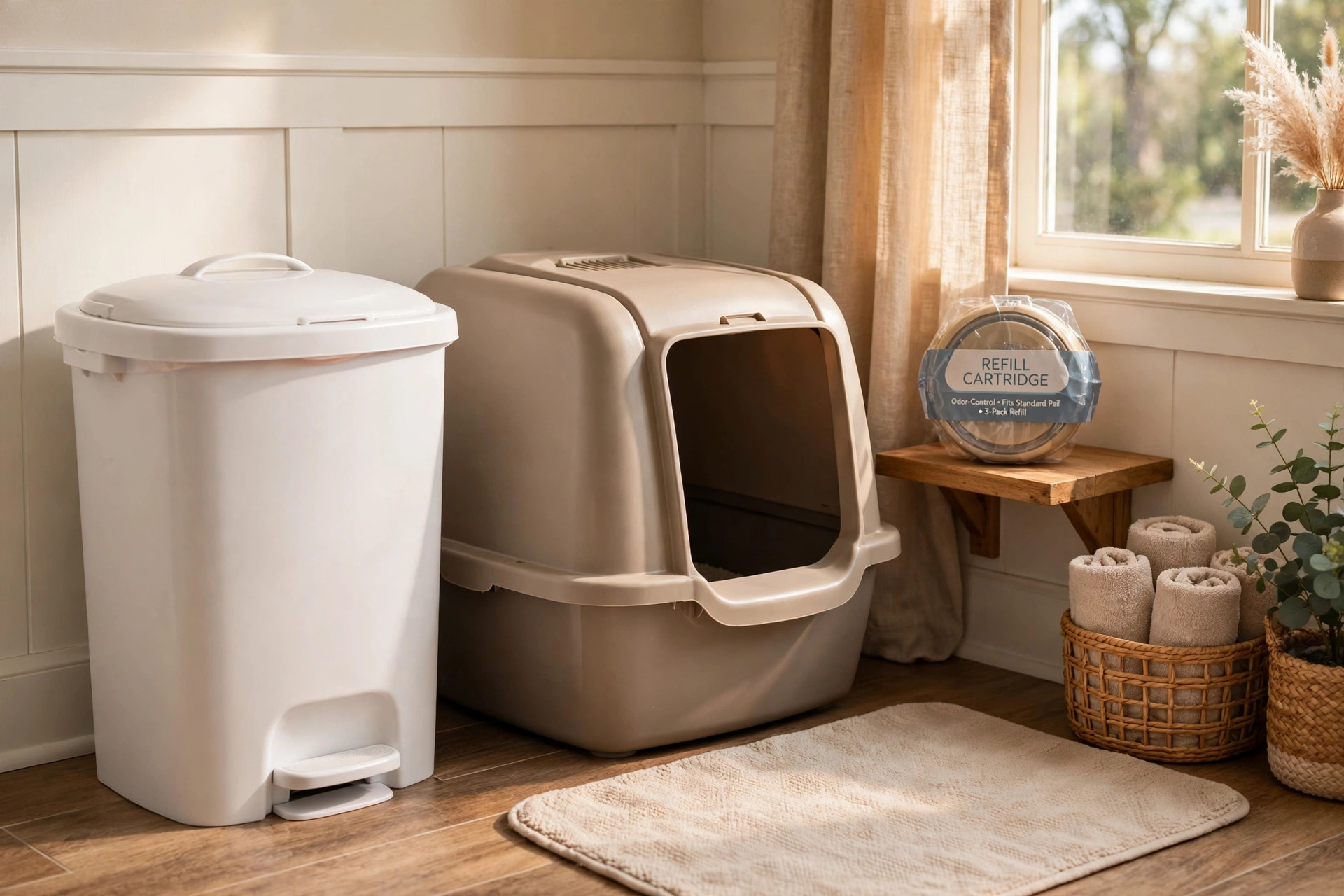
A refill is a round cartridge holding a long tube of plastic film. You pull the film down, tie a knot, and each scoop of waste drops into its own sealed layer. When the film runs out, you replace the cartridge. Thin film tears and poor seals leak smell. Good film with several layers keeps the pail working as it should.
This guide covers what makes a refill good, how to tell one cartridge from another, what you can expect to pay, and how to get the most odor control from your pail.
Why It Matters: Odor Control Starts at the Film: Best Litter Genie Refill for Odor Control Usa
Cats are clean animals by nature. They bury their waste and groom themselves for hours. When a home smells of the litter box, the cause is rarely the cat. It is the storage. Loose bags breathe. Open bins breathe. A good sealed pail does not, as long as the refill film is sound.
The reason refills matter is simple. Scooping is only half the job. The other half is holding the scooped waste somewhere until trash day. A kitchen bag in an open bin will fill a room with odor within a day. A refill with layered film traps waste in pocket after pocket, so each scoop stays apart from the rest. That separation keeps the pail nearly smell-free.
Many cat owners learn this the hard way. They use the starter refill and love the result. Then they buy a cheaper refill and the smell returns. The pail did not change. The film did. In small apartments this hits harder: with no far corner, the litter corner shares the living room, so a pet scale for weighing small dogs at home is not the only small-space essential. Odor control lets cat and owner share one small home in peace.
What to Look For When You Choose a Refill
Not every refill is the same, even when the box looks the same. Here is what to check before you buy.
Fit and compatibility. Litter Genie pails come in several styles: the standard pail, the plus, and the XL. Most refills fit the standard and plus models. The XL uses a larger cartridge. Read the label and match it to your pail. A refill that does not fit will not seal, and a bad seal means bad odor control. When in doubt, check the maker’s size guide on chewy.com or the packaging in the store.
Film thickness and layers. Good refills use several layers of plastic film in one tube. The standard is seven layers, and some brands advertise more. More layers mean better odor blocking and fewer tears. Hold a pulled length of film up to the light if you can. Even, thick film is a good sign. Thin, cloudy film that stretches too easily will give you trouble.
Length per cartridge. A standard refill usually lasts one cat about two months. Larger packs and jumbo refills last longer per cartridge. Count your cats and buy so that you never run dry.
Seal quality at the knot. The system works by tying a knot at the bottom of the film. Some films hold a knot well. Others slip. A slipped knot means waste falls through to the bottom of the pail, and that waste is no longer sealed. If a refill brand gives you trouble with knots, try another brand before blaming the pail.
Smell of the film itself. Some refills add a light scent to the film. Some are unscented. Neither is clearly better. A scented film can mask small smells, but a strong scent can bother cats and people alike. Many vets suggest unscented options for sensitive cats. The ASPCA’s guidance on aspca.org about litter box habits notes that cats prefer clean, low-odor boxes, and strong scents near the box can push a cat away from it.
Value over time. Compare the cost per month, not the cost per cartridge. A cheap cartridge that lasts three weeks costs more per year than a pricier one that lasts two months. We cover the math in the cost section below.
Types and Options on the Market
When shoppers search for the best litter genie refill for odor control usa stores carry, they meet a few main types. Each has its place.
Standard refills. These are the classic round cartridges. They fit the standard and plus pails. Most cat owners need nothing else. They come in singles, three-packs, four-packs, and larger boxes. Buying in larger boxes drops the price per cartridge in most stores.
Jumbo refills. These hold more film per cartridge. They cost more up front but last longer. For a two-cat home, a jumbo cartridge can stretch a refill cycle to a comfortable length. They also mean fewer trips to the store and fewer boxes to store under the sink.
Value multi-packs. Big warehouse-style packs bundle many standard cartridges. These suit homes with several cats or buyers who like to stock up. The film is the same as the standard refill. The gain is price and fewer reorders.
Scented versus unscented. As noted above, scented film adds a mild fresh smell. Unscented film relies on the layers alone. If your cat is fussy about the box, unscented is the safer pick. If your home runs warm and the pail sits in a sunny spot, a lightly scented refill may help. Neither choice changes the sealing design.
Store-brand lookalikes. Some stores sell their own cartridges that fit Litter Genie pails. Reviews are mixed. Some work fine. Others have thinner film or poor seals. Buy a small pack first and test it for two weeks before you stock up.
Reading reviews helps here. consumerreports.org publishes product testing methods that teach you how to judge claims on a box, and the pet sections of thesprucepets.com often compare litter systems in plain terms. Use reviews as a guide, not a verdict, since every cat home is different.
Cost and Price: What American Shoppers Pay
Prices move, but the shape of the market stays the same. A single standard refill cartridge often costs between six and ten dollars in American stores. A three-pack or four-pack usually brings the per-cartridge cost down by a dollar or two. Large boxes of six or more can push it lower still. Jumbo cartridges run higher per unit but carry more film.
Let us do simple math. One cat uses one standard cartridge about every two months: six cartridges a year. At eight dollars each, the year costs about forty-eight dollars. Two cats double it. Compare that with a year of heavy-duty trash bags and air fresheners, and the refill system usually wins on both cost and smell.
Where to buy matters. Online pet stores such as chewy.com often run subscription discounts of ten to fifteen percent, and the refills arrive on schedule so you never run out. Big home stores like homedepot.com carry refills in the pet aisle for when you need one today. Watch for sales around major holidays. Stocking up then can cut a year’s cost by a quarter. Store cartridges in a dry place, since heat and damp weaken the film.
A word of caution on price alone. The cheapest refill is not the best value if it tears or smells. One failed cartridge can mean a week of odor, extra cleaning, and a trip back to the store. Value means film that holds, knots that stay, and a price you can live with for years.
Care and Upkeep: Getting the Most From Each Cartridge
A good refill still needs good habits behind it. The pail is part of a routine, and small steps make a big difference.
Scoop every day. The film can only seal what you put into it. Daily scooping keeps waste from sitting in the open box, and no refill can replace it.
Change the film pocket often. Do not wait until the pail is stuffed. When it is two-thirds full, pull the film down, tie a new knot, and drop the sealed pocket in the trash. Overfilled pails press waste against the film, and pressure is how thin spots form.
Wipe the pail. Once a month, empty it, wipe the inside with a damp cloth and mild soap, and let it dry fully before loading new film. Soap residue and damp film make knots slip.
Store cartridges dry. Keep spare refills in a closet or cabinet, away from heat and sun. A cartridge left on a sunny porch can warp, and warped cartridges seat poorly in the pail. Poor seating breaks the seal.
Keep the litter box itself fresh. The refill handles scooped waste, but the box holds the rest. Change litter on schedule, wash the box every few weeks, and keep one box per cat plus one extra when you can. A best cat food puzzle feeder for mental stimulation will not fix a dirty box, and neither will the finest refill. Fresh litter plus a sealed pail is the pair that works.
Guidance from petmd.com on litter box care stresses the same basics: clean boxes, enough boxes, and prompt waste removal. The refill is the prompt-removal half of that advice made easy.
Safety: For Cats, People, and the Home
Litter Genie refills are simple plastic film cartridges, and they are safe when used as intended. Still, a few safety points are worth a moment.
Keep cartridges away from small children. The film is long, thin plastic. Like any plastic bag, it can be a hazard for toddlers. Store refills up high or in a latched cabinet.
Keep film away from chewing pets. Some cats and dogs chew plastic. Do not leave pulled film hanging where a pet can reach it. Tie knots firmly and trim loose ends if your pet shows interest.
Wash hands after scooping. Cat waste can carry germs that harm people, especially pregnant women and those with weak immune systems. Scoop with a dedicated scoop, bag the waste in the film, and wash with soap. The EPA’s household guidance on epa.gov reminds families that simple hygiene stops most waste-related illness.
Mind the trash. Sealed film pockets go in the household trash, tied shut. Do not flush the film or the waste. Septic systems and city pipes are not built for it.
Ventilate the litter area. A small fan or a cracked vent near the litter corner helps more than people expect. thespruce.com covers litter area setup in its home-care guides, and good airflow is always on the list.
One more note for multi-pet homes. A pet ramp for couch for small senior dogs shows how homes adapt for older pets, and older cats deserve the same care. Senior cats may need lower-sided boxes and more frequent scooping, and the refill system suits them well because each small scoop stays sealed and out of the way.
FAQ: Common Questions From Cat Owners
How long does one refill cartridge last? For one cat, a standard cartridge lasts about two months with daily scooping. Two cats cut that to about one month. Jumbo cartridges last longer. Homes that scoop twice a day may use film a little faster, since each scoop takes its own sealed pocket.
Do scented refills work better than unscented? Not really. The odor control comes from the sealed layers, not the scent. Scented film adds a light smell that some people like. Unscented film is safer for cats that dislike strong smells. Choose based on your cat’s taste and your own nose.
Can I use store-brand refills in my Litter Genie pail? Many fit, but quality varies. Try a small pack first and watch for tears and slipping knots over two weeks. If the store brand holds up, the savings are real.
Why does my pail smell even with a new refill? Check three things. First, the knot at the bottom of the film. If it slipped, waste is sitting loose in the pail. Second, the lid. If it does not close fully, smells escape. Third, the box itself. Old litter and a dirty box will smell no matter how good the refill is. Fix these in order and the smell usually fades.
How many refills should I keep on hand? Keep at least one spare cartridge. Two spares are better. Running out forces workarounds like open bags, and the smell returns fast. A subscription from a pet retailer or a seasonal stock-up keeps you covered.
Is the film safe for the environment? The film is plastic, and it goes to landfill with household trash. Some brands offer film with recycled content. If waste matters to you, look for those labels. goodhousekeeping.com offers plain reporting on eco claims in home products.
A Short Final Word
The best litter genie refill for odor control usa cat owners can buy is the one that fits your pail, holds its knots, seals in layers, and arrives before you run out. Brand names matter less than those four facts. Buy a size that suits your cat count, store cartridges dry, scoop every day, and change pockets before the pail overfills. Do that, and the litter corner stops announcing itself to every guest who walks in.
Cats give a home warmth, humor, and company. They ask little in return: food, water, a clean box, and a quiet corner. A good refill is a small part of that bargain, and it pays for itself every day in fresh air.
References
ASPCA. (n.d.). Pet care and animal welfare resources. https://www.aspca.org Chewy. (n.d.). Pet supplies. https://www.chewy.com Consumer Reports. (n.d.). Product reviews and ratings. https://www.consumerreports.org Good Housekeeping. (n.d.). Product reviews and home advice. https://www.goodhousekeeping.com PetMD. (n.d.). Pet health information. https://www.petmd.com The Home Depot. (n.d.). Home improvement products. https://www.homedepot.com The Spruce. (n.d.). Home and garden advice. https://www.thespruce.com The Spruce Pets. (n.d.). Pet care guides and product reviews. https://www.thesprucepets.com U.S. Environmental Protection Agency. (n.d.). Protecting human health and the environment. https://www.epa.gov
Was this guide helpful?

About Emily Rodriguez
The My Garden US editorial team writes practical, in-depth home and garden guides for American homeowners — tested advice, no fluff.
You May Also Like

Dog Poop Bag Holder for Leash Walks USA: A Practical Guide
May 3, 2026 0 views
Heated Pet Mat for Outdoor Shelter Warmth: A Complete Guide
March 19, 2026 0 views
Best Automatic Pet Door for Large Dogs: A Plain Guide to Electronic Models
February 16, 2026 0 views