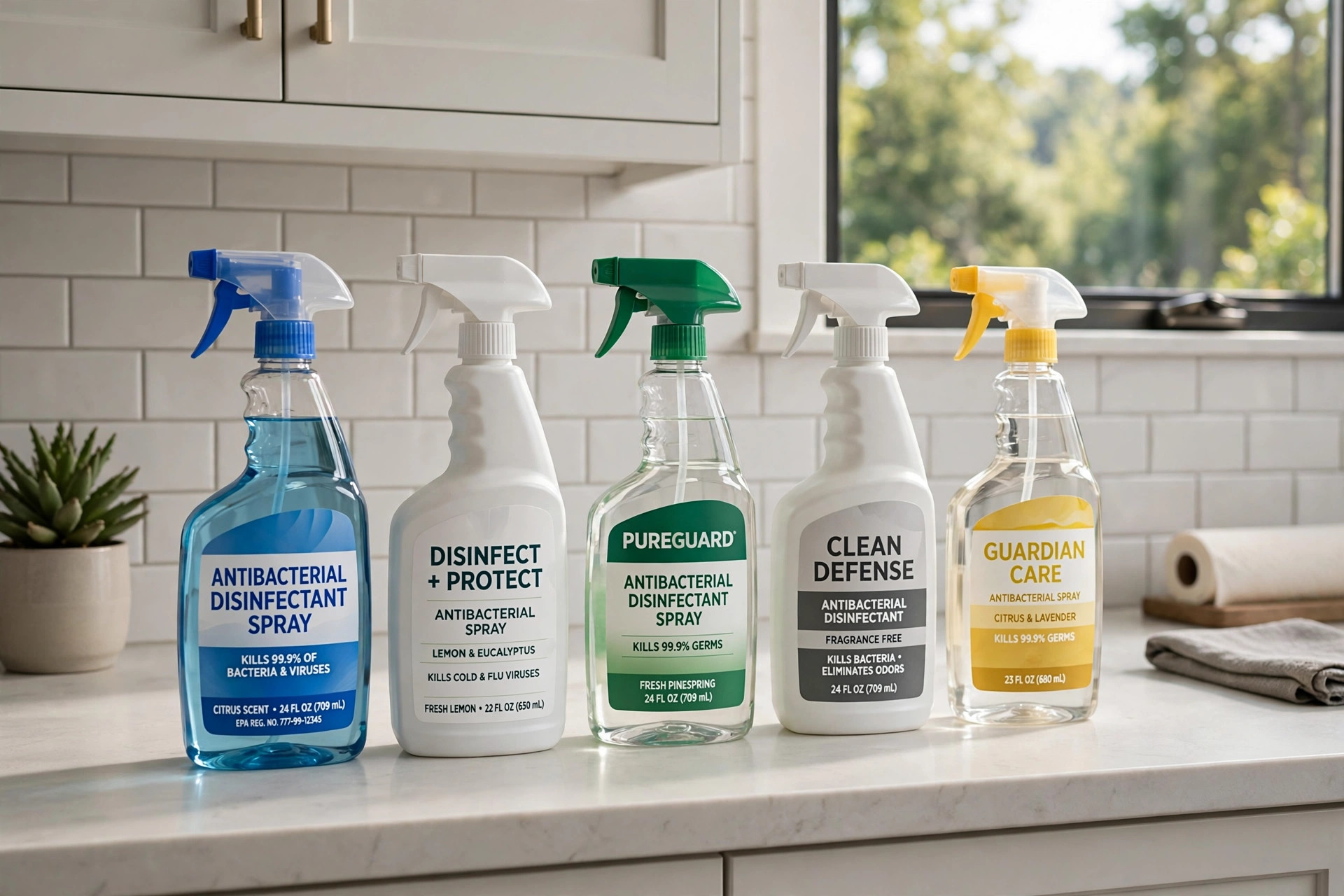

When you plan to buy antibacterial disinfectant sprays online in arizona, a little knowledge goes a long way. Shelves are full of products. Labels use small print. Prices swing from store to store. This guide keeps things plain and practical. It explains what these sprays do, which kind fits your home, how to read a label, and how to order with care from an Arizona address. By the end, you will know what to click, what to skip, and how to use each bottle with safety in mind.
Why Buying Online Makes Sense
Local stores carry a limited stock. Online shops carry far more. You can compare brands side by side. You can read hundreds of customer reviews. You can check the full label before you pay. For many Arizona shoppers, this is the main draw. You also save time. Arizona summers run hot, and a trip across town for one bottle is no fun in July. Ordering from home keeps you cool and lets the package come to your door.
Online shopping also helps people in smaller towns. A family in a rural county may have one small market nearby. The web opens up the same shelves that a big city shopper sees. If you buy antibacterial disinfectant sprays online in arizona from a known retailer, delivery usually takes two to five days. Some stores offer faster shipping for a fee.
What Antibacterial Disinfectant Sprays Actually Do: Buy Antibacterial Disinfectant Sprays Online in Arizona
These sprays serve two jobs. First, they clean the surface. They lift dirt, grease, and food bits. Second, they kill germs. A true disinfectant meets a standard set by the federal government. The EPA keeps a list of registered disinfectants. A registered product has passed lab tests. Its label names the germs it kills and the time it needs to work.
Not every spray that smells clean is a disinfectant. Some are only cleaners. They make a counter look nice but do not kill bacteria or viruses. Some are only sanitizers. They lower germ counts but do not meet the higher disinfectant standard. The label tells the story. Look for the words “disinfectant” and the EPA registration number. If neither appears, the product is not a registered disinfectant.
Antibacterial Versus Disinfectant
The word “antibacterial” means the product kills bacteria. It says nothing about viruses or fungi. A disinfectant may kill a wider range of germs, including many viruses. For daily home use, most families want a spray that handles both. Check the fine print on the back label. It lists each germ the product is tested against. CDC guidance notes that reading the label is the first step in safe use.
Types of Disinfectant Sprays You Can Buy Online
Online stores group these products in a few clear types.
Bleach-based sprays. These contain sodium hypochlorite. They are strong and cheap. They work well on bathroom tile, sinks, and trash cans. They can fade fabric and damage some metals. They carry a sharp smell.
Quaternary ammonium sprays. Often called “quats,” these are common in kitchen sprays. They have little odor. They suit counters, tables, and door handles. Many are safe on a wide range of hard surfaces.
Hydrogen peroxide sprays. These break down into water and oxygen. They suit families who want a product that leaves little residue. They work on many hard, non-porous surfaces.
Alcohol-based sprays. These often contain ethanol or isopropyl alcohol at high strength. They dry fast. They suit glass, metal fixtures, and small touch points like light switches.
Plant-based or “natural” sprays. Some use ingredients like citric acid or thymol. A few carry EPA registration. Many do not. Read the label with care. A green leaf on the front does not prove germ-killing power.
Brand names you will see include Lysol and Clorox. Both sell several lines. Store brands copy the same formulas at lower prices. Reviews at Consumer Reports can help you compare how well each one works on real stains and germs.
How to Choose the Right Spray for Your Home
Start with the surface. Kitchen counters need a food-safe choice. Look for a spray whose label allows use on food-contact surfaces, with a rinse step after the contact time. Bathroom floors need a stronger product. Glass and mirrors need a streak-free formula.
Next, check the contact time. This is the number of minutes the surface must stay wet for the product to work. Some sprays need only 30 seconds. Others need ten minutes. A short contact time is easier in a busy home. A long one is fine for a weekly deep clean. The Spruce offers plain-language advice on matching products to rooms.
Read the scent level. Strong fragrance can bother people with asthma or allergies. Many brands now sell free-and-clear versions. If your home has pets, check the label for pet safety notes. Some products ask you to keep pets off the surface until it dries.
Think about the sprayer. Trigger bottles give more control. Aerosol cans cover large areas fast. Refill bottles cut plastic waste and often cost less per ounce. If you clean a large home, a cordless carpet deep cleaning machine with free shipping may pair well with your spray routine for soft floors, though sprays handle the hard surfaces.
Cost and Price: What to Expect
Prices range widely. A single 32-ounce trigger bottle often costs between four and nine dollars. Multi-packs lower the per-bottle price. A three-pack may cost twelve to twenty dollars. Concentrates cost more up front but make many bottles when mixed with water.
Watch for fake deals. A “sale” price may match the everyday price at another store. Compare the price per ounce, not the price per bottle. Online listings usually show this in small text. Buying in bulk saves money only if you will use the product before it expires. Most sprays keep their strength for about one to two years. The date is printed on the bottle.
Shipping costs matter too. Some retailers offer free shipping over a set order total. Others charge by weight. Cleaning liquids are heavy. A large order can carry a steep shipping fee. Check the final total before you pay. Arizona shoppers should also note that online purchases may include state sales tax. Rates differ by city and county.
If you are comparing cleaning tools as well, a cordless stick vacuum price comparison usa guide can help you weigh costs across brands before you buy.
Ordering Online in Arizona: Practical Tips
Choose a seller you trust. Big names include national chains with Arizona warehouses. Their delivery times are short. Their return policies are clear. Small sellers can offer good prices, but check their ratings first.
Read the full product page. The title may say “disinfectant” while the details say “cleaner only.” Scroll to the description. Look for the EPA registration number. Look for the list of surfaces. Look for the contact time. If the page hides this data, pick another listing.
Check the delivery rules. Some carriers limit how much liquid can ship by air. Ground shipping is the norm for these products. In summer, a package may sit in a hot truck. Most disinfectant sprays handle heat well, but aerosols should not sit in extreme heat for long. Choose a delivery day when someone is home, or use a shaded drop spot.
Keep your receipt and order number. If a bottle leaks in transit, most sellers replace it fast. Take a photo of the damage. Contact customer service within a day or two. For larger cleaning plans, some households book reliable deep cleaning service packages in texas or in their own state for the heavy jobs, then use sprays for daily upkeep between visits.
How to Use the Spray the Right Way
Even the best product fails when used wrong. Follow these steps.
1. Clear the surface. Remove dishes, food, and clutter. 2. Pre-clean if the surface is dirty. Wipe away grease and grime first. Disinfectants work best on a clean surface. 3. Shake the bottle if the label says to. 4. Spray from six to eight inches away. Cover the area with an even mist. 5. Let it sit for the full contact time on the label. Do not wipe early. 6. Wipe with a clean cloth or paper towel, or let it air dry, as the label directs. 7. Rinse food-contact surfaces if the label requires it.
Do not mix products. Bleach mixed with ammonia makes a toxic gas. Bleach mixed with vinegar makes chlorine gas. Use one product at a time. Rinse between products when you switch. Good Housekeeping reminds readers that more product does not mean more clean. The label amount is the tested amount.
Wash your hands after cleaning. Open a window or run a fan when you spray a large area. Keep the room aired until the smell fades.
Care and Upkeep of Your Cleaning Supplies
Store sprays in a cool, dry place. A locked cabinet works best in homes with children. Heat and sunlight break down the active ingredients. A garage in Arizona can top 120 degrees in summer. That heat shortens shelf life. An indoor closet is a better choice.
Check dates twice a year. Toss bottles past their best-use date. Old sprays may clean, but they may no longer disinfect. Wipe the sprayer nozzle now and then. A clogged nozzle gives an uneven mist. Rinse the trigger with warm water if it sticks.
Keep a simple list of what you own. Note the product name, the date you opened it, and where you store it. This stops you from buying doubles. It also helps you reorder before you run out. Family Handyman suggests a small cleaning caddy so all your sprays travel from room to room together.
Safety in the Home
Read every warning on the label. Some sprays irritate eyes and skin. Wear gloves when the label advises it. Wear eye protection for overhead spraying. Never spray near food that is uncovered. Move pet bowls before you spray a floor.
Keep all cleaning products away from children. Use child locks on low cabinets. Teach older children to ask before touching any spray bottle. If a child swallows a cleaning product, call Poison Control at once. Keep the product label with you when you call. The label lists the ingredients the nurse will ask about.
Aerosol cans need extra care. Do not puncture them. Do not toss them in a fire. Store them away from stoves and heaters. This Old House notes that safe storage is as important as the cleaning itself.
Ventilation matters most in small bathrooms. A short spray session can fill a tiny room with fumes. Run the exhaust fan. Leave the door open. Step out while the contact time passes.
Frequently Asked Questions
Is it cheaper to buy antibacterial disinfectant sprays online in arizona than in a store?
Often yes, but not always. Online multi-packs usually beat single-bottle store prices. Shipping fees can erase the savings on small orders. Compare the final total, with tax and shipping, against your local store price.
How long does delivery take to an Arizona address?
Most major retailers deliver in two to five business days. Items shipped from a Phoenix or Tucson warehouse may arrive in one or two days. Rural addresses may take a day longer.
Can I use disinfectant spray on my kitchen counters where food sits?
Yes, if the label allows it. Many kitchen disinfectants are made for food-contact surfaces. The label will tell you to let the spray sit for the contact time, then rinse the surface with clean water. If the label does not mention food-contact use, do not use it there.
Do I need to wear gloves when I spray?
Follow the label. Many sprays advise gloves. Even when gloves are not required, they protect your skin from dryness and irritation during a long cleaning session. Bob Vila suggests keeping a box of disposable gloves with your cleaning supplies.
What is the difference between a cleaner, a sanitizer, and a disinfectant?
A cleaner removes dirt. A sanitizer lowers germ counts to a safe level. A disinfectant kills a wider range of germs and meets a federal test standard. For raw meat spills or bathroom germs, a disinfectant gives the highest level of kill.
Can I make my own disinfectant spray instead of buying one?
Homemade mixes are risky. Common recipes do not meet disinfectant test standards. Some damage surfaces. Some create harmful fumes when mixed wrong. For true disinfection, a registered product with a clear label is the safer choice.
A Short Final Word
To buy antibacterial disinfectant sprays online in arizona with confidence, remember three things. Read the label before you click buy. Match the product to the surface and the job. Use it exactly as directed, with fresh air and safe storage. Online shopping gives you choice and comfort. Good habits give you a cleaner, safer home. Take your time, compare a few listings, and keep this guide handy the next time your shelf runs low.
References
Bob Vila. (n.d.). Home improvement advice. https://www.bobvila.com Centers for Disease Control and Prevention. (n.d.). Cleaning and disinfecting your home. https://www.cdc.gov Clorox. (n.d.). Disinfecting and cleaning products. https://www.clorox.com Consumer Reports. (n.d.). Product reviews and ratings. https://www.consumerreports.org Family Handyman. (n.d.). DIY home repair and maintenance. https://www.familyhandyman.com Good Housekeeping. (n.d.). Product reviews and home advice. https://www.goodhousekeeping.com Lysol. (n.d.). Disinfecting products for home use. https://www.lysol.com The Spruce. (n.d.). Home and garden advice. https://www.thespruce.com This Old House. (n.d.). Home renovation guidance. https://www.thisoldhouse.com U.S. Environmental Protection Agency. (n.d.). Protecting human health and the environment. https://www.epa.gov
Was this guide helpful?

About Emily Rodriguez
The My Garden US editorial team writes practical, in-depth home and garden guides for American homeowners — tested advice, no fluff.
You May Also Like
Powerful All Purpose Cleaning Caddies for Sale: A Buyer’s Guide
May 22, 2026 0 views
Dryer Vent Cleaning Services Cost Guide USA
February 1, 2026 0 views
Eco Friendly Chimney Sweep Services Near Me: A Plain Guide
January 4, 2026 0 views