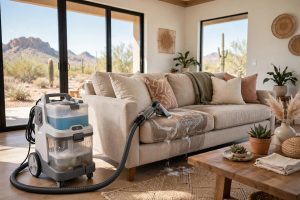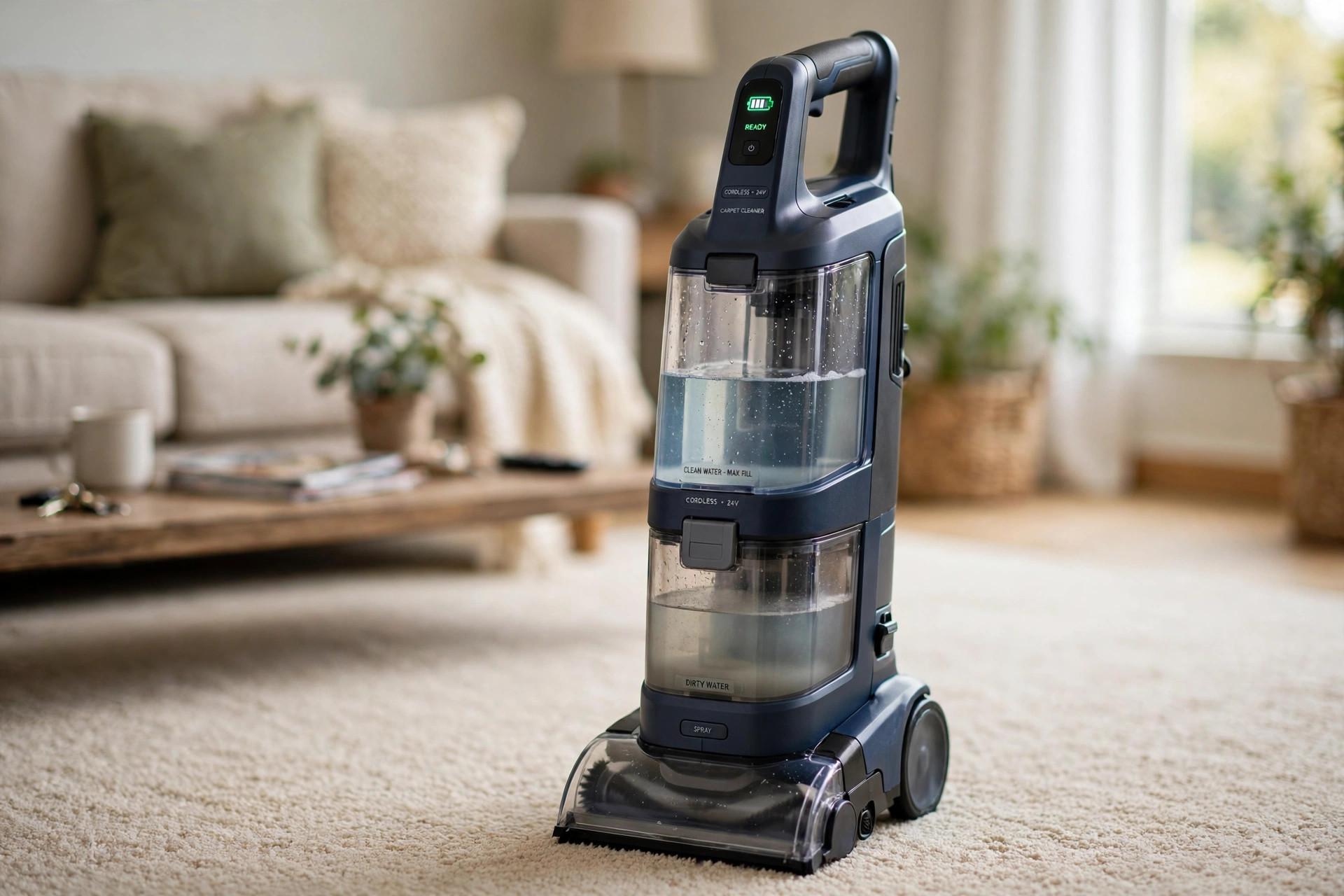

Carpets hide a great deal. Dust settles into the fibers each day. Spills dry and sink down to the backing. Pet hair wraps itself around the pile. A vacuum removes what sits on the surface, but it cannot wash what lies below. That is why many homes now turn to cordless carpet deep cleaning machines with free shipping. These machines wash the carpet with water and cleaning solution, then pull the dirty water back out. The cord is gone, so the work feels light and easy. Many sellers also ship them to the door at no extra charge. This guide explains what these machines are, how to choose one, what they cost, how to use them well, and how to keep them running for years.
Why Deep Carpet Cleaning Matters
A carpet is a filter. It catches dirt from shoes, dust from the air, and crumbs from meals. Over time, the filter grows full. When it does, the room can look dull and smell stale. The air in the home may carry more dust. People with allergies may feel the difference first.
Deep cleaning washes the fibers all the way down. Water mixed with a cleaning solution loosens the dirt. Brushes work the mix into the pile. Then strong suction pulls the mix back out, dirt and all. The carpet dries lighter, softer, and brighter.
In years past, deep cleaning meant hiring a service or renting a big machine from a store. Cordless carpet deep cleaning machines with free shipping changed that. They let a home owner clean on any day, at any hour, with a machine small enough to store in a closet. For families with children and pets, that freedom matters. Spills can be cleaned the same hour they happen, before they turn into stains.
What to Look for When You Choose: Cordless Carpet Deep Cleaning Machines with Free Shipping
Not all cordless carpet cleaners work the same. Some are built for small spot jobs. Others can clean a whole room. Before you buy, look at these points. They will shape how well the machine serves you.
Battery Life and Charge Time
The battery is the heart of a cordless machine. Most run from twenty to sixty minutes on one charge. A machine that runs twenty minutes can handle spots and one small room. A machine that runs forty minutes or more can cover a full living room. Check how long the charge takes too. Some batteries refill in two hours. Others need four or five. A removable battery is a fine extra. You can charge one pack while you use another.
Think about your home. For large rooms in one pass, buy the longest run time you can afford. For spills and stairs alone, a shorter run time is fine.
Water Tank Size
Every deep cleaner carries two tanks. One holds clean water mixed with solution. The other holds the dirty water it pulls up. Large tanks mean fewer trips to the sink. Small tanks keep the machine light and easy to carry. A common clean tank holds about half a gallon. Some hold a full gallon. Half a gallon is enough for a bedroom. A gallon suits a living room.
Weight and Size
Weight matters when you clean for a long time. A heavy machine tires the arms and back. Most cordless carpet cleaners weigh between eight and twenty pounds when the tanks are full. Light models are best for stairs, where you must carry the machine step by step. Big upright models clean wide paths and suit open rooms.
Brushes and Cleaning Path
The brush roll does the scrubbing. Machines with a powered brush roll clean deeper than machines that rely on suction alone. Some have two or three brushes. The cleaning path tells you how wide each pass is. A wide path covers a room faster. A narrow path reaches tight corners and closets.
Heat and Drying
Some machines blow warm air as they clean, which helps the carpet dry faster and lowers the risk of musty smells. Not all machines have this feature, but it is worth asking about.
Attachments
Many machines come with small tools. A narrow nozzle cleans stairs and car seats. A crevice tool reaches along baseboards. If you own pets, look for a pet stain tool. It is shaped to lift hair and ground-in messes.
Types and Options
Cordless carpet deep cleaning machines come in a few main types. Each suits a different job.
Full-size upright cleaners are the largest. They look much like a vacuum. They carry big tanks and wide brush rolls. They clean large rooms fast. They weigh the most, so stairs are hard work with them.
Spot cleaners are the smallest. They fit in a hand or carry on a strap. They are made for fresh spills and small stains. They cannot wash a whole room, but they are perfect for the car, the stairs, and the sofa arm. Many people keep one in a closet for daily life.
Mid-size cleaners sit between the two. They stand upright but are lighter than full-size models. They clean a whole bedroom or a large area rug. For many homes, this middle size is the best fit.
Some machines also clean hard floors. They can wash tile and sealed wood with a different setting or pad. If your home has both carpet and tile, a two-in-one machine can save money. For tile alone, you may also want to read about steam mops for tile floors. A deep cleaner and a steam mop serve different purposes, and knowing the difference helps you buy right.
Cost and Price
Prices vary widely. A small cordless spot cleaner may cost between eighty and one hundred fifty dollars. A mid-size machine often runs from one hundred fifty to three hundred dollars. A full-size cordless deep cleaner with large tanks can cost three hundred to five hundred dollars or more.
Free shipping changes the true price. A machine that costs two hundred fifty dollars with free shipping is cheaper than one that costs two hundred thirty dollars plus forty dollars in shipping. When you compare offers, add the shipping cost to the price tag before you decide. Also check the return terms. A good seller takes the machine back within thirty days if it does not suit you.
Cleaning solution is a running cost. Each bottle costs roughly ten to twenty dollars and covers several tanks. Some machines work best with the maker’s own solution. Others accept any brand. Check the manual before you buy a store brand, since the wrong mix can leave foam in the machine.
Think of the machine as an investment. One professional carpet cleaning visit for a whole home can cost two hundred to four hundred dollars. A machine you own pays for itself after one or two full cleanings. Guides at Consumer Reports compare test results across many models and price bands, which can help you match your budget to real performance.
How to Use One Well
A good machine still needs good habits. These steps will give you the best results.
Start by vacuuming the carpet. Remove loose dirt and hair first. This keeps the deep cleaner from choking on debris. Pick up toys and move small furniture out of the way.
Fill the clean tank with warm water and the right amount of solution. Do not add extra solution. More is not better. Too much leaves soap in the fibers, and soap pulls dirt back in faster.
Work in slow passes. Push the machine forward to lay down water and solution. Pull it back slowly over the same strip to suck up the dirty water. Slow passes clean deeper than fast ones. Overlap each pass by a third so no strip is missed.
For a bad stain, go over the spot two or three times from different angles. Let the solution sit for a minute before you pull it up. The waiting time loosens the stain. For pet messes in particular, step-by-step guides at Bob Vila and Family Handyman show how to treat urine and tracked-in dirt on carpet.
Empty the dirty tank when it fills. A full tank lowers suction. When you finish, run a dry pass with no water over the carpet. This pulls out extra moisture and shortens drying time.
Open windows or run a fan after cleaning. Moving air dries the carpet in hours instead of a day. Do not place furniture back on damp carpet. Wait until it feels dry to the touch.
If you also own a shop vacuum for the garage or workshop, you may want to compare notes with a wet dry shop vacuum buying guide. The two machines share the same basic idea: liquid goes in, dirty liquid comes out. Tips for one often help with the other.
Care and Upkeep
A deep cleaner is a simple machine, but it needs care after each use. Dirty water left in the tank will smell. Old solution left in the lines can clog them.
Rinse both tanks after every cleaning. Fill the dirty tank with clean water, swirl it, and pour it out. Wipe the brush roll to remove hair and string. Hair wrapped around the brush makes it spin slower and clean worse.
Wash or rinse the filters as the manual directs. Some filters rinse under the tap. Others must be replaced. A clogged filter cuts suction, so the machine pulls up less water.
Check the battery. Do not leave it on the charger for weeks at a time. Most makers say to store the battery at a partial charge in a cool, dry place. Once a month, run the machine for a few minutes to keep the battery healthy. Renovation guides such as This Old House also cover long-term care for cordless home tools.
Once a year, run a tank of plain warm water with a splash of white vinegar through the machine. This clears soap buildup from the hoses. Let all parts dry fully before you put the machine away. Store it upright in a dry closet. Home care guides such as The Spruce cover upkeep for cleaning tools in plain language if you want more ideas.
Safety
Deep cleaners use water and electricity. That mix calls for care.
Never use the machine on a carpet that is still wired to nothing but sits near open outlets with wet plugs. Keep the battery and charger dry. Charge the battery on a dry counter, away from the sink.
Read the cleaning solution label. Keep bottles away from children and pets. Wear gloves if your skin reacts to soaps. Ventilate the room while you clean so fumes do not build up. The EPA publishes guidance on safe cleaning products and indoor air, which is worth a look before you stock up on solutions.
Keep cords, if any part uses one, off wet carpet. Do not let children play with the machine. Empty the dirty tank right away so no one tips it over. Let the carpet dry fully before you let pets walk on it, since damp fibers hold paw prints and can grow mildew.
Buying With Free Shipping
Many sellers now ship these machines free. Big stores, maker websites, and online marketplaces all run free shipping offers. The offer often has terms. Some require a minimum order. Some only cover ground shipping, which takes a week. Read the fine print before you check out.
Free shipping should not decide the whole purchase. A machine with the wrong tank size or a short battery is a poor buy at any shipping price. Make the short list first, then compare the shipping terms among your top picks. Big retailers such as Home Depot and Lowe’s list shipping terms on each product page, which makes the comparison easy.
Look at the warranty too. Most cordless cleaners carry a one to three year warranty. A longer warranty signals that the maker trusts the battery. Keep your receipt in case the battery fails in year one.
Frequently Asked Questions
Do cordless carpet cleaners clean as well as corded ones?
They come close. Corded machines can run stronger motors without limit. But modern batteries power strong suction too. For normal home dirt, pet messes, and food spills, a good cordless machine cleans well. For a large home with wall-to-wall carpet cleaned only once a year, a corded machine or a professional service may still win.
How long does the carpet take to dry?
Most carpets feel dry in four to eight hours with good airflow. Thick carpet or a cold, damp day can stretch that to twelve hours. A machine with a drying feature, plus fans and open windows, shortens the time. Walk on the carpet in clean socks only until it is dry.
Can I use any cleaning solution?
Use what the manual allows. Many makers sell their own formulas for pet stains, odors, or tough dirt. Some machines accept any carpet shampoo. Never use dish soap or laundry detergent. They make too much foam and can harm the pump. Home care writers at Good Housekeeping often test which formulas work best on common stains.
Are these machines good for pet stains?
Yes. Pet stains are one of the main reasons people buy them. Clean the spot as soon as you find it. Old stains sink deep and may need several passes. For odor, use a formula made to break down pet smells, not one that only covers them.
How often should I deep clean my carpets?
Once a year is enough for a quiet home with no pets. Homes with children or pets do better with a deep clean every six months. High-traffic paths, like hallways and stairs, may need spot cleaning every month. A regular schedule keeps dirt from settling deep.
What should I do if the machine leaves the carpet too wet?
Slow down your passes and make extra dry passes with no water. Check that the dirty tank is not full and the filter is clean. If the carpet stays soaked, stop and let it air dry before you walk on it.
A Short Final Word
A clean carpet changes a room. It looks fresh, smells clean, and feels soft underfoot. Cordless carpet deep cleaning machines with free shipping put that result in reach. No cords to trip on. No rental counter to visit. Choose a machine with the right battery, tank, and brushes for your home. Learn the slow-pass method. Rinse the tanks after each use. If you care for the machine, it will care for your carpets for years. For the rest of your cleaning kit, a guide to cordless appliance cleaners can help you match your other tools to the same cordless style.
References
Bob Vila. (n.d.). Home improvement advice. https://www.bobvila.com Consumer Reports. (n.d.). Product reviews and ratings. https://www.consumerreports.org Family Handyman. (n.d.). DIY home repair and maintenance. https://www.familyhandyman.com Good Housekeeping. (n.d.). Product reviews and home advice. https://www.goodhousekeeping.com Lowe’s. (n.d.). Home improvement products. https://www.lowes.com The Home Depot. (n.d.). Home improvement products. https://www.homedepot.com The Spruce. (n.d.). Home and garden advice. https://www.thespruce.com This Old House. (n.d.). Home renovation guidance. https://www.thisoldhouse.com U.S. Environmental Protection Agency. (n.d.). Protecting human health and the environment. https://www.epa.gov
Was this guide helpful?

About Robert Taylor
The My Garden US editorial team writes practical, in-depth home and garden guides for American homeowners — tested advice, no fluff.
You May Also Like

Professional Grade Deep Cleaning Service Packages for Homeowners
October 1, 2026 0 views
Best Pet Odor Eliminator Sprays for Florida Homes
May 2, 2026 0 views
Eco Friendly Mold Removal Sprays With Free Shipping
April 13, 2026 0 views