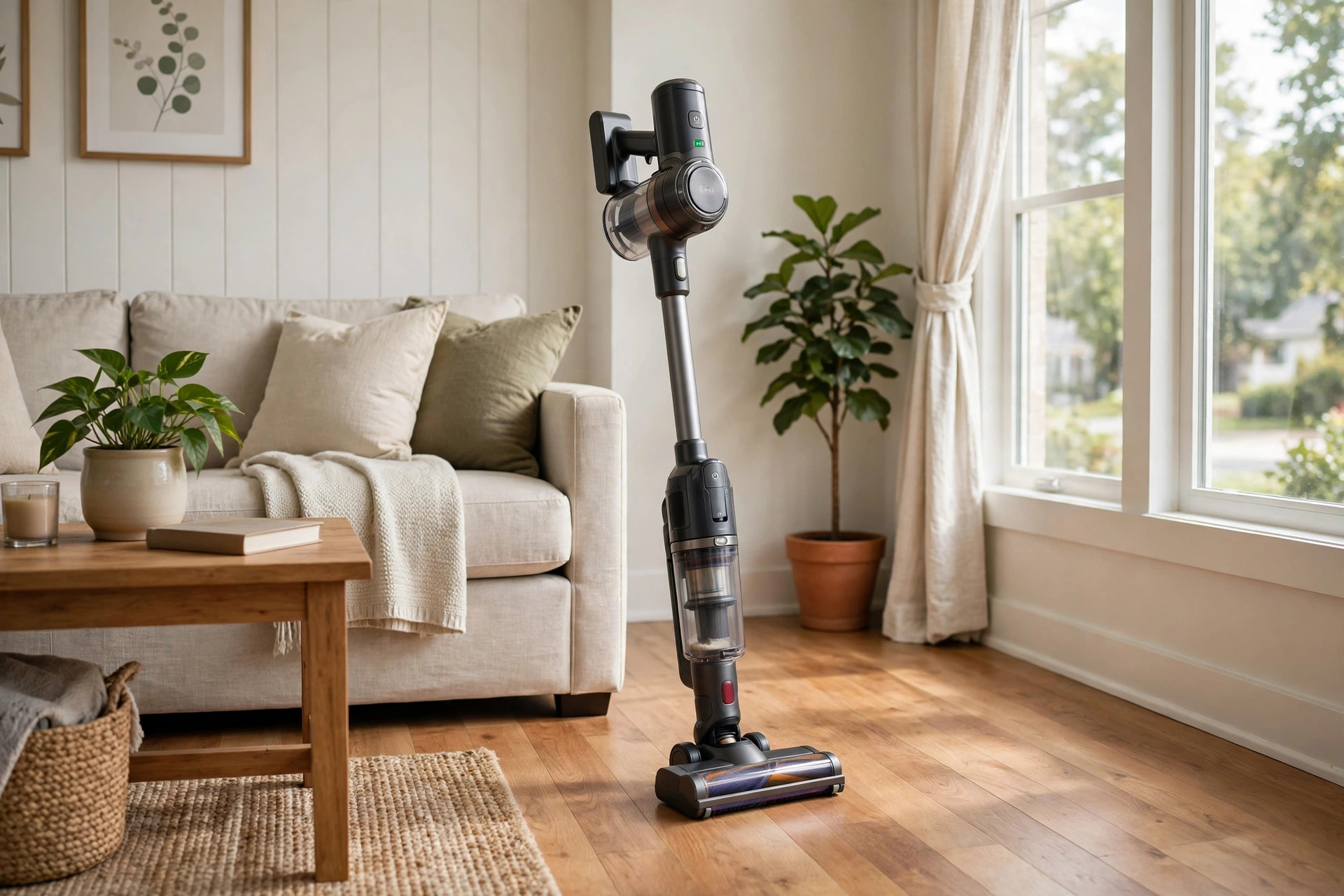
A cordless stick vacuums price comparison usa starts with one simple truth. Prices for these handy machines vary widely across the United States. A basic model may cost under one hundred dollars. A top-tier model can cost well over seven hundred. The gap between them is not always easy to understand. This guide walks you through the market in plain terms. It explains what drives prices, what features matter most, and how to compare models fairly. By the end, you will know how to judge value and pick a machine that fits your home and your budget.
Why a Price Comparison Matters
Cordless stick vacuums have changed how American households clean. No cords mean no plugs to hunt down. No heavy canisters mean less strain on stairs. Many models now convert into handheld units. This makes them useful for cars, sofas, and ceiling fans too.
Because the category has grown so fast, prices now span a wide range. Consumer Reports and other testing bodies have found that higher prices do not always mean better cleaning. Some mid-priced machines clean carpets as well as models that cost twice as much. Without a careful comparison, a buyer may pay for brand name alone.
A price comparison also reveals hidden costs. Batteries wear out and need replacement. Extra filters and brush rolls add to the total cost of ownership. A cheap machine with costly spare parts may cost more over five years than a pricier model with long-lasting parts. Comparing the full picture protects your wallet.
Finally, prices shift with the seasons. Major sales in November, spring cleaning season, and back-to-school months bring sharp discounts. Tracking prices over time helps you buy when the value is best. A simple chart of prices across retailers can show you which deals are real and which are just marketing.
How to Compare Prices Fairly: Cordless Stick Vacuums Price Comparison Usa
Comparing prices sounds simple. In practice, many buyers compare the wrong things. Follow these steps to make a fair match.
First, decide which models truly compete with each other. Group machines by their main specs. Battery life, suction power, and bin size are the three most useful groupings. A forty-minute machine should not be compared directly to a fifteen-minute one. The longer-running model will always cost more, and that difference is fair.
Second, compare the same package. Some listings show the bare vacuum body. Others include extra tools, a second battery, or a wall mount. Note what each price includes. Two prices that look far apart may be close once you account for included extras.
Third, check the same retailer across time. Prices move week to week. Home Depot and Lowes often run rotating promotions on popular models. A price that looks high today may drop next week. Write down prices on the same day across several stores for a true snapshot.
Fourth, read the fine print on warranties. A two-year warranty has real value. A machine with only a one-year warranty may leave you paying for repairs sooner. When two prices are close, the longer warranty often tips the balance.
What to Look For Before You Buy
Battery Life and Power
Battery run time is the heart of a cordless vacuum. Most models run between fifteen and sixty minutes per charge. The number on the box usually refers to the lowest power setting. On high power, run time drops sharply. Ask how long the machine runs on the setting you will actually use.
Also check charge time. A machine that charges in three hours is far more useful than one that needs six. Swappable batteries help too. A second battery doubles your cleaning time with no waiting.
Suction and Cleaning Performance
Suction power is measured in air watts or pascals, depending on the brand. Bigger numbers look impressive, but real-world tests matter more. Look at how a machine handles different floors. Fine dust on hard floors, pet hair on rugs, and large debris each test different strengths.
The brush head design matters as much as raw power. Soft roller heads suit hard floors. Stiff bristle heads dig into carpet. Some machines ship with both heads. That is a plus if your home has mixed flooring.
Dust Bin Size and Emptying
Stick vacuums have small bins. A bin under half a liter fills fast in a dusty home. You will stop to empty it mid-clean. Larger bins save time but add weight. Look for a bin that empties with one button press. Some newer models release dust into the trash without you touching it. This is a real comfort for allergy sufferers.
Weight and Handling
A stick vacuum should feel light in the hand. Most weigh between five and eight pounds. The balance matters too. Some machines place the motor near the floor head, which makes them easier to lift and steer. Others put the weight up high by the handle, which strains the wrist during long cleans.
If you have stairs, weight matters even more. Test how the machine feels when you carry it from room to room. A machine that feels fine for five minutes may tire your arm after twenty.
Types of Cordless Stick Vacuums
Not all stick vacuums are built for the same job. Knowing the main types helps you compare prices in the right group.
Budget models cost under one hundred fifty dollars. They suit small apartments and light cleaning. Run times are short. Bins are small. But for a studio apartment, they can be all you need.
Mid-range models sit between one hundred fifty and three hundred fifty dollars. This is the sweet spot for most families. You get decent battery life, solid suction, and useful extras. Many experts call this range the best value in the category.
Premium models cost three hundred fifty dollars and up. They offer the longest run times, the strongest suction, and smart features like dust sensors and self-adjusting power. They suit large homes and pet owners.
Two-in-one models convert into handheld vacuums. Almost all stick vacuums do this now, but some do it better than others. Check how easily the wand detaches. A stiff release button gets annoying fast.
Wet-dry stick models handle spills as well as dust. They cost more, but they replace a mop for quick cleanups. If you have kids or pets, this type deserves a look. Readers comparing heavier-duty options may also find our guide to wet dry shop vacuums reviews and buying guide useful.
Cost and Price Ranges in the USA
Prices for cordless stick vacuums in the United States follow clear bands. Knowing these bands helps you spot a fair deal.
Budget machines typically sell for eighty to one hundred fifty dollars. At this level, expect twenty to thirty minutes of run time. Suction is fine for hard floors and light rugs. Brand choice is limited.
Mid-range machines sell for one hundred fifty to three hundred fifty dollars. This band holds the most models and the fiercest competition. Sales often push good machines down toward two hundred dollars. This is where most buyers should focus.
Premium machines sell for three hundred fifty to seven hundred fifty dollars. Flagship models from the best-known brands live here. You pay for engineering, longer warranties, and refined design.
Replacement batteries cost thirty to one hundred twenty dollars. Filters cost ten to thirty dollars per set. Over five years, these extras can add one hundred to two hundred dollars to the true cost. Factor them in when you compare.
Where you buy matters too. Big-box stores compete hard on price. Online sellers add coupon codes and bundle deals. Warehouse clubs offer multi-packs of filters that lower the long-term cost. Check at least three sources before you buy. The Spruce publishes regular roundups that show street prices across retailers, which can help you spot a fair market price.
Price history tools can show whether today’s sale is real. A machine listed at forty percent off may have carried that same price for months. A true drop shows up as a clear step down in the chart.
Care and Upkeep
A stick vacuum lasts longer with simple care. Empty the bin after every use. A full bin chokes airflow and cuts suction. Wash or replace filters on the schedule the manual gives. Clogged filters are the top cause of fading performance.
Clean the brush roll once a month. Hair wraps around it and slows it down. Most brush rolls pop out with a coin or a latch. Cut the tangles away with scissors.
Store the battery at room temperature. Do not leave the vacuum in a hot garage or a freezing shed. Heat shortens battery life faster than anything else. Family Handyman offers practical maintenance guides that cover battery care in detail.
Charge the battery only when needed if the manual allows it. Many modern machines manage this themselves with smart chargers. Follow the maker’s advice over general rules.
Wipe the dust seals and the bin edges now and then. Fine dust cakes onto rubber parts and lets air leak. A damp cloth keeps the seals tight.
If suction drops, check three things in order: a full bin, a clogged filter, or a blocked wand. Nine times out of ten, one of these is the cause. Full repairs are rarely needed.
Safety Notes
Cordless stick vacuums are safe machines, but they still need respect. Always unplug the charger before you clean or service the unit. Never vacuum liquids unless the model is rated for wet use. Water and electricity are a dangerous mix.
Keep the charger away from water and heat. Do not use a damaged battery. A swollen or cracked pack can overheat. Contact the maker for a replacement. The U.S. Environmental Protection Agency provides guidance on safe disposal of old batteries, which should never go in household trash.
Store the vacuum where children cannot pull it down. Wall mounts should be fixed to a stud or a solid anchor. A falling vacuum can injure a small child.
If anyone in the home has dust allergies, empty the bin outdoors or straight into a bag. This keeps fine dust out of the air. Buyers focused on cleaner indoor air may also want to read our hepa vacuum cleaners price comparison usa guide.
Frequently Asked Questions
How much should I spend on a cordless stick vacuum?
Most households do well in the one hundred fifty to three hundred fifty dollar range. This band buys solid battery life, good suction, and useful tools. Spend more only if you have a large home, heavy pet hair, or mixed floors that need specialized heads. Spend less only for light duty in a small space.
Do expensive cordless vacuums clean better than cheap ones?
Not always. Lab tests show that some mid-priced machines match or beat pricier rivals on carpet and hard floors. Expensive models win on run time, build quality, and extras. If raw cleaning power is your only goal, a mid-range machine often delivers it. Good Housekeeping publishes head-to-head tests that show these results clearly.
How long do cordless stick vacuum batteries last?
Most lithium batteries hold strong for two to four years of regular use. After that, run time fades. Replacement batteries cost thirty to one hundred twenty dollars. Buying a model with a swappable battery lets you extend the machine’s life for years at low cost.
Are cordless stick vacuums good for pet hair?
Yes, many are built for it. Look for strong suction, a tangle-free brush head, and a sealed filtration system. A larger bin helps because pet hair fills small bins fast. Premium models add laser dust lights that reveal hidden hair on hard floors.
Where can I find the best prices in the USA?
Check big-box stores, online marketplaces, and warehouse clubs on the same day. Holiday weekends and spring sales bring the deepest cuts. Price history tools show whether a deal is genuine. For deep-cleaning tools beyond vacuums, our cordless electric scrubbers price comparison usa guide follows the same method.
What features are worth paying extra for?
Longer battery life, a second battery, swappable parts, and a longer warranty are the extras most worth the money. Dust sensors and app links are nice but not essential. This Old House and Bob Vila both note that practical features beat flashy ones for daily use.
A Final Word
A careful cordless stick vacuums price comparison usa pays off. Prices in this category swing by hundreds of dollars. The features behind those prices matter more than the brand on the box. Set your budget, list the features you truly need, and compare like with like. Check batteries, bins, weight, and warranties — not just the headline price. Do this, and you will bring home a machine that cleans well and costs less over its full life.
References
Bob Vila. (n.d.). Home improvement advice. https://www.bobvila.com Consumer Reports. (n.d.). Product reviews and ratings. https://www.consumerreports.org Family Handyman. (n.d.). DIY home repair and maintenance. https://www.familyhandyman.com Good Housekeeping. (n.d.). Product reviews and home advice. https://www.goodhousekeeping.com Lowe’s. (n.d.). Home improvement products. https://www.lowes.com The Home Depot. (n.d.). Home improvement products. https://www.homedepot.com The Spruce. (n.d.). Home and garden advice. https://www.thespruce.com This Old House. (n.d.). Home renovation guidance. https://www.thisoldhouse.com U.S. Environmental Protection Agency. (n.d.). Protecting human health and the environment. https://www.epa.gov
Was this guide helpful?

About David Wilson
The My Garden US editorial team writes practical, in-depth home and garden guides for American homeowners — tested advice, no fluff.