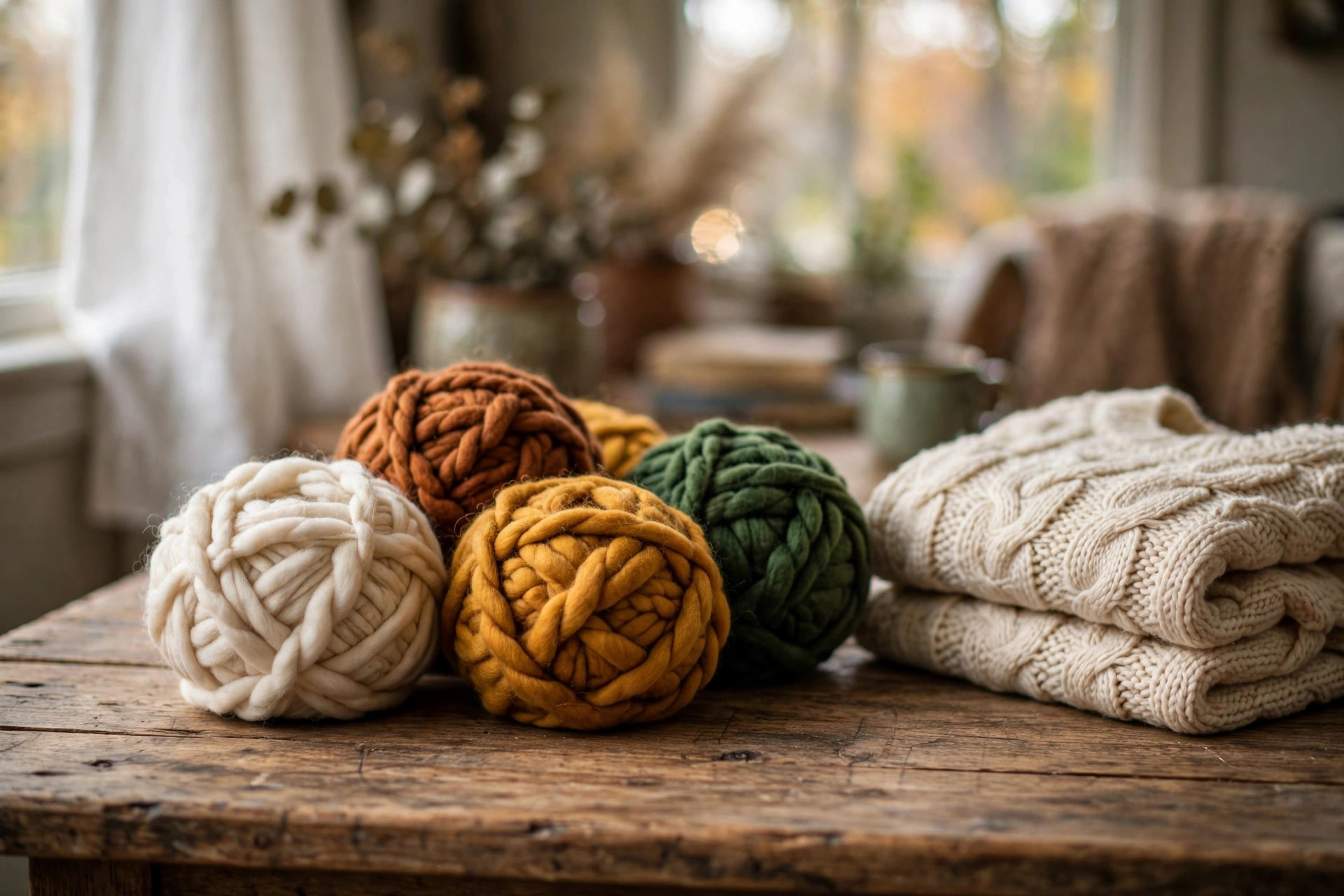

A warm sweater starts with the right yarn. Many knitters in America search for the best yarn for knitting sweaters warm usa stores carry, and the answer depends on fiber, weight, and care. Some yarns trap heat well but feel rough. Others feel soft but lose their shape. The best choice keeps you warm, holds its form, and lasts through many winters. This guide walks through each choice in plain terms so you can pick with confidence.
Why Warm Yarn Matters for Sweaters
A sweater is worn close to the body for long hours. The yarn decides how warm it feels, how it drapes, and how it looks after fifty washes. Animal fibers trap air between tiny strands, and that trapped air is what keeps you warm. Plant fibers breathe well but give less heat. Man-made fibers can be warm and cheap, though they may pill.
Knitting a sweater takes many hours. Some knitters spend two months on one piece. When the yarn is wrong, all that work is wasted. A sweater that sags, pills, or itches ends up folded in a drawer. Picking the right warm yarn protects your time and your money.
What to Look For When You Choose Yarn: Best Yarn for Knitting Sweaters Warm Usa
Before you buy, check four things on every label: fiber, weight, yardage, and care. Each one shapes the final sweater.
Fiber Content
Fiber is the raw material. Wool, alpaca, mohair, cotton, and acrylic are the common ones. Animal fibers give the most warmth. Wool can soak up nearly one third of its weight in water and still feel dry, which keeps the wearer warm even in damp cold. Alpaca is warmer than wool for the same weight and feels softer on most skin.
Blends mix two or more fibers. A wool and acrylic blend gives warmth with easier care. A wool and nylon blend wears longer at elbows and cuffs. When you read a label, look for fiber lists printed as percentages. The first fiber listed is the largest share.
Yarn Weight
Weight means thickness, not heaviness. The Craft Yarn Council sets standard weight numbers from 0, lace, up to 7, jumbo. For warm sweaters, medium weight 4, called worsted, is the most common. Bulky weight 5 knits faster and gives a thick, cozy fabric. Light weight 3 gives a finer sweater that layers well under a coat.
Thicker yarn uses fewer stitches per inch. That means the sweater grows fast, which many beginners like. Finer yarn gives a smoother look and finer stitch detail. Match the weight to your pattern. Most patterns name the weight they need.
Yardage and Dye Lots
Sweaters need a lot of yarn. An adult medium sweater in worsted weight often needs about 1,200 to 1,500 yards. Always buy enough for the whole project. Yarn is dyed in batches called dye lots, and the same color can look slightly different from batch to batch. Check that all skeins share one dye lot number before you leave the store.
Types of Warm Yarn for Sweaters
Pure Wool Yarn
Wool is the classic sweater fiber. It is warm, elastic, and holds shape well. Merino wool is the softest common type and suits most skin. Lambswool feels crisp and knits into sturdy garments. Shetland wool is rugged and traditional.
Wool does need care. Many types shrink in hot water or a hot dryer. Some knitters do not mind hand washing. Others want an easy routine. Superwash wool is treated so it can go in the washing machine. It costs more but saves time. Large craft stores like Michaels and Joann carry wide superwash wool lines in many colors.
Alpaca Yarn
Alpaca fiber is light and very warm. It has no lanolin, the natural oil found in wool, so it feels silky and suits people who find wool itchy. It drapes more than wool, which gives elegant, flowing sweaters. It can stretch, so ribbed cuffs in plain alpaca may grow loose.
Alpaca blends fix the stretch problem. An alpaca and wool blend keeps warmth and adds spring. Lion Brand and KnitPicks both sell popular alpaca blends made for sweaters. If you want the warmest feel for the least weight, alpaca is hard to beat.
Wool and Acrylic Blends
Blends give the best of both worlds. Wool adds warmth and memory. Acrylic adds strength, color range, and machine washing. A common blend is 75 percent acrylic and 25 percent wool. These yarns are cheap, widely sold, and easy to care for.
Beginners often start with blends. They are forgiving to knit and simple to wash. Pattern libraries at Yarnspirations include many free sweater patterns written for blended yarns. If this is your first sweater, a blend is a safe first pick.
Pure Acrylic Yarn
Acrylic is fully man-made. It is the cheapest warm option and comes in every color. Modern acrylics feel much softer than the stiff versions sold decades ago. They wash and dry with no fuss, which suits busy families and children’s sweaters.
Acrylic has limits. It can pill faster than wool, and it does not breathe as well. Some knitters find it squeaks on metal needles. For a first practice sweater, though, it keeps costs low while you learn. Many knitters keep a few acrylic skeins on hand for quick gifts.
Mohair and Brushed Yarns
Mohair comes from the Angora goat. It is light, fluffy, and very warm. It is often held together with another strand, such as silk, to steady it. The halo of fine fibers traps air and gives a cloud-like look. LoveCrafts carries mohair blends in modern color lines.
Brushed yarns need gentle handling. They shed a little when new, and they prefer hand washing. But for a dressy winter sweater, few fibers match their glow.
Warm Wool Yarn for Sweaters: Matching Fiber to Climate
Different parts of the United States need different warmth. A knitter in Minnesota faces weeks below freezing. A knitter in Texas needs a sweater for short cold snaps. Heavy northern winters call for bulky wool or alpaca. Milder regions do well with medium-weight blends.
Think about how the sweater will be worn. A coat-layer sweater can be thinner. A stand-alone winter sweater should be thicker. Also think about indoor heat. Many American homes stay warm in winter, so a very heavy sweater may only leave the closet a few times a year.
The best chunky yarn for winter sweaters usually sits in the bulky range, weight 5. It knits up fast and looks modern. The best yarn for a soft cardigan often sits in the medium range, weight 4, in merino or a merino blend. Match the fiber to the job, not just to the season.
Cost and Price
Yarn prices run wide. A skein of basic acrylic may cost a few dollars. A skein of fine merino or baby alpaca may cost twenty dollars or more. A full sweater in cheap acrylic might cost twenty to forty dollars in yarn. The same sweater in high-end wool could cost one hundred to two hundred dollars.
Set a budget before you shop. Count the skeins your pattern needs, then multiply. Buying during store sales cuts the total a lot. Many crafters watch for holiday sales at Dick Blick and big craft chains. Online communities like Ravelry often share notes on which yarns give the best value per yard.
Do not judge by skein price alone. Compare price per yard. A large skein at a higher price may beat a small skein at a lower price. Write the per-yard cost on a scrap of paper while you shop. It keeps the math honest.
Season also moves prices. Many shops cut yarn prices in late winter to clear stock before spring lines arrive. January and February often bring the best deals on heavy wool and alpaca. If you plan ahead, you can buy next winter’s sweater yarn at a clear discount. Sign up for store emails if you want notice of these sales, and compare a few shops before you buy.
Care and Upkeep
Warm yarns last longest with the right care. Read the label first. It tells you whether to machine wash, hand wash, or dry clean. Wool that is not superwash needs cool water and mild soap. Lay the sweater flat to dry so it keeps its shape.
Pilling happens when short fibers work loose and ball up. A fabric comb or a small electric de-piller removes pills in minutes. Store wool sweaters folded, never on hangers, so the shoulders do not stretch. Cedar blocks or lavender sachets help keep moths away from animal fibers.
If your craft corner needs order, a sewing basket for supplies organization keeps notions tidy, and a craft magnifier lamp eases eye strain during long evening sessions. Good tools protect both your yarn and your hands.
Safety and Comfort
Yarn itself is safe, but a few points matter. Some people react to lanolin in wool with itchy skin. If that happens, switch to alpaca or a low-wool blend. Check that dyes are colorfast by rubbing a damp white cloth on the skein. If color transfers, the yarn may bleed in the wash.
Keep small tools away from young children. Knitting needles, stitch markers, and yarn cutters can hurt little hands. Work in good light to avoid eye strain. Take breaks to rest your wrists. Guides from Bob Vila and Family Handyman cover safe, well-lit craft spaces in the home.
Frequently Asked Questions
What is the warmest yarn for a winter sweater?
Alpaca and thick wool are the warmest common choices. Alpaca gives more warmth per ounce than sheep wool. For extreme cold, a bulky-weight wool or alpaca sweater traps the most heat.
Is wool or acrylic better for sweaters?
Wool is warmer, more elastic, and holds shape better. Acrylic is cheaper and machine washable. Many knitters choose a wool-acrylic blend to get warmth with easy care.
How much yarn do I need for an adult sweater?
A medium adult sweater in worsted weight usually needs about 1,200 to 1,500 yards. Larger sizes and thicker yarns need more. Always check your pattern, then buy one extra skein.
Can beginners knit a sweater with warm yarn?
Yes. A simple top-down or boxy pattern in worsted or bulky weight is a good first sweater. Blended yarns are forgiving and cheap enough for learning. Many knitters also enjoy the soft yarn for knitting cardigans found in beginner pattern books.
Why does my wool sweater pill?
Pilling comes from short or loosely spun fibers rubbing loose. Tighter-spun yarns pill less. A fabric comb removes pills, and washing the sweater inside out slows new ones.
How do I keep moths away from wool sweaters?
Store clean sweaters in sealed bags or bins. Cedar blocks and lavender help repel moths. Check stored wool a few times a year for small holes or larvae.
A Short Final Word
The search for the best yarn for knitting sweaters warm usa knitters trust ends with a simple rule. Match the fiber to your climate, your skin, and your care routine. Wool gives classic warmth and shape. Alpaca gives light, silky heat. Blends give value and easy washing. Buy enough from one dye lot, knit a test swatch, and take your time. A well-chosen yarn turns long hours of knitting into a sweater you will reach for every winter. For a related fiber project, see the best yarn for crochet blankets soft usa guide.
References
Blick Art Materials. (n.d.). Art and craft supplies. https://www.dickblick.com Bob Vila. (n.d.). Home improvement advice. https://www.bobvila.com Craft Yarn Council. (n.d.). Yarn standards and craft resources. https://www.craftyarncouncil.com Family Handyman. (n.d.). DIY home repair and maintenance. https://www.familyhandyman.com JOANN. (n.d.). Fabric and craft supplies. https://www.joann.com KnitPicks. (n.d.). Yarn and knitting supplies. https://www.knitpicks.com Lion Brand Yarn. (n.d.). Yarn and knitting supplies. https://www.lionbrand.com LoveCrafts. (n.d.). Yarn and crafting supplies. https://www.lovecrafts.com Michaels. (n.d.). Arts and crafts supplies. https://www.michaels.com Ravelry. (n.d.). Knitting and crochet community. https://www.ravelry.com Yarnspirations. (n.d.). Yarn and free patterns. https://www.yarnspirations.com
Was this guide helpful?

About Emily Rodriguez
The My Garden US editorial team writes practical, in-depth home and garden guides for American homeowners — tested advice, no fluff.
You May Also Like
Felt Craft Kit for Kids Sewing Projects Home: A Parent’s Guide
August 29, 2026 0 views
Best Wood Stain for DIY Furniture Refinishing
July 10, 2026 0 views
A DIY Birdhouse Kit for Kids Woodworking USA Families Can Build Together
June 21, 2026 0 views