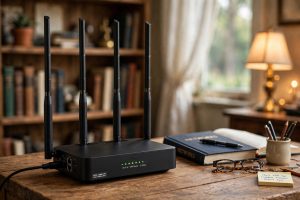
Natural gas heats millions of American homes. It cooks food, warms water, and keeps rooms warm in winter. But natural gas has no smell of its own. Gas companies add a sharp odor so people can notice a leak. Even with that odor, leaks can go unnoticed. A slow leak at night or in an empty room can build up for hours.
This is why many buyers now read the best smart gas detector reviews 2026 usa before they shop. A smart gas detector is a small device that watches the air for gas. When it finds gas, it sounds an alarm. It also sends a warning to your phone. Some models can even shut off the gas valve on their own. This guide explains what these devices do, which types are worth your money, and how to pick the right one.
Why a Smart Gas Detector Matters
A standard gas alarm has one job. It beeps when gas reaches a set level. That works if you are home and awake. A smart gas detector adds a phone link to that job. If you are at work or on vacation, the alarm still reaches you. Many models send alerts through an app in seconds.
Gas leaks cause fires and explosions each year. The U.S. Consumer Product Safety Commission keeps records of product recalls and safety hazards for home appliances. Their data reminds buyers that gas appliances need respect. A detector adds one more layer of safety on top of common sense.
Homes with older stoves and furnaces face more risk. Rubber hoses crack. Valve seals wear out. A smart detector watches while you sleep. It is cheap insurance for any home with gas heat, a gas range, a gas dryer, or a gas water heater.
How Smart Gas Detectors Work: Best Smart Gas Detector Reviews 2026 Usa
Most smart detectors use one of two sensor types. The first is the catalytic bead sensor. It reacts to combustible gas and sets off the alarm. It is fast and common in plug-in models. The second is the semiconductor sensor. It changes its electric resistance when gas is in the air. This type is cheaper and often found in battery units.
Both types connect to your home Wi-Fi. The phone app shows live readings. It shows battery level and sensor health. It sends push alerts when gas is found. Some models also link with smart home systems. They can turn on a fan, flash a light, or trigger a smart valve to stop the gas flow.
Power comes from a wall plug, a battery, or a USB cable. Plug-in models never need a battery change. Battery models work during power cuts. Dual-power models use the wall plug first and switch to battery when the power fails.
What to Look For When You Choose
Shopping for the best smart gas detector reviews 2026 usa starts with the right checklist. These points matter most.
Gas types covered. The best models sense natural gas and propane. Some also sense methane, butane, and carbon monoxide. Check the label for each gas you use at home.
Alarm volume. Look for at least 85 decibels. That level can wake a deep sleeper. Some models reach 100 decibels.
Phone alerts. The app should send alerts within seconds. Test it after setup. Reviews on sites like CNET often note alert speed for smart home gear.
Response time. A good sensor reacts within seconds of a leak. Older sensor types may take a full minute.
Certifications. Look for UL 2075 or a similar mark. This means the device passed independent safety tests.
Placement height. Natural gas rises. Propane sinks. A detector for natural gas should mount high on a wall. A detector for propane should sit low. Some models are made for one gas only. Make sure you buy the right one for your fuel.
Types and Options
Plug-In Detectors
These plug into a wall outlet. They run all day and all night. They never need battery swaps. Many sit in kitchens near gas ranges. Reviews at Consumer Reports and PCMag often praise plug-in models for steady power. They are the most popular type in the best smart gas detector reviews 2026 usa.
Battery and USB Detectors
Battery models go anywhere. They work in a garage, a basement, or a cabin. They keep working when the power fails. The trade-off is upkeep. You must swap or charge the battery on schedule.
Detectors With Auto Shut-Off Valves
These are the premium option. The detector links to a smart gas valve. When gas is found, the valve closes the gas line by itself. This adds strong protection for homes that sit empty for long hours. It costs more, and it needs a plumber or gas fitter to install the valve.
Combination Detectors
Some units sense gas plus carbon monoxide or smoke. A combo unit saves space and cuts the number of devices on your wall. Check that each sensor type is certified on its own. A combo is only as good as its weakest sensor.
Cost and Price
Smart gas detectors range from about 40 dollars to 200 dollars per unit. Basic plug-in models sit near the low end. Models with auto shut-off valves and dual sensors sit near the high end.
Price factors include the number of gases sensed, the alarm volume, the app quality, and extra features like a digital display. A mid-range model around 70 to 100 dollars covers most homes well.
Installation adds cost for valve-linked models. A licensed gas fitter may charge 150 to 300 dollars to fit a smart valve. For most buyers, one or two plug-in detectors cover the kitchen and the furnace room for under 150 dollars total.
Keep in mind that a cheap detector that fails is no bargain. Read the best smart gas detector reviews 2026 usa with care, and weigh sensor quality above brand name.
Where to Place Your Detector
Place one detector in the kitchen, within 10 feet of the gas range. Place another near the furnace or water heater. If you use a gas dryer, add a third near the laundry room.
Mount natural gas detectors high on the wall, about 6 to 12 inches below the ceiling. Mount propane detectors low, within 6 inches of the floor. Never place a detector right above the stove. Heat and cooking fumes can cause false alarms. Keep at least 3 feet of distance from the burners.
If you heat with a fireplace or a space heater that burns gas, place a detector in that room too. Homes with attached garages should place one near the garage door, since gas can drift in from parked cars with fuel systems.
Basements deserve attention as well. Propane is heavier than air, and it sinks to the lowest point in a home. If your water heater or furnace sits in the basement, a low-mounted detector there is a must. Check the app each week at first. This habit helps you learn the normal readings and notice small changes early.
Care and Upkeep
A gas detector is only useful if it works. Test the alarm once a month. Press the test button on the unit or use the app. Vacuum dust from the sensor vents every few months. Dust blocks airflow and slows the sensor.
Replace the sensor when the maker says to. Most sensors last 5 to 10 years. The app will often warn you when the sensor nears the end of its life. For battery models, change the batteries once a year, or sooner if the app shows a low battery warning.
Keep the detector away from steam, paint fumes, and strong cleaners. These can damage the sensor or cause false alarms. After any home painting or deep cleaning, air out the room before you rely on the detector again.
Pair your detector with a broader home safety plan. Many buyers who read the best smart gas detector reviews 2026 usa also look at best video doorbell without subscription usa and best wireless doorbell camera reviews usa to build a full security picture. Home protection brands such as Ring and SimpliSafe offer alarms and cameras that pair well with gas detectors. The ring vs nest doorbell comparison 2026 usa is a useful read if you plan to link your detector with a smart doorbell system from Google, whose smart home hardware is listed at the Google Store.
Safety
When the alarm sounds, act fast. Do not turn lights on or off. Do not light matches. Do not unplug devices. Open doors and windows if it is safe to reach them. Leave the house. Call 911 or your gas company from outside.
Never ignore an alarm because you smell nothing. Some gas mixtures are hard to smell. The detector is more sensitive than your nose.
Teach every person in the home what the alarm means. Children should know to leave the house and go to the meeting spot outside. Run a short drill once a year so no one freezes when the real alarm sounds.
Professional monitoring adds one more safety net. Companies like ADT can monitor gas alarms along with fire and break-in alarms. News and tech sites such as The Verge cover how these monitoring plans fit into full smart home setups.
FAQ
Do smart gas detectors need Wi-Fi to work? The alarm and siren work without Wi-Fi. Phone alerts need a Wi-Fi link. If your internet goes down, you still get the loud local alarm.
Can one detector cover a whole house? No. Gas can build up in one room while another room stays clear. Place a detector in each room that has a gas appliance. At least cover the kitchen and the furnace room.
Do smart gas detectors detect carbon monoxide? Only if the model says so. Carbon monoxide needs its own sensor. Buy a combo model if you want both gases covered.
How long do smart gas detectors last? Most last 5 to 10 years. The sensor wears out over time. Replace the whole unit when the maker says the sensor has reached the end of its life.
Are smart gas detectors hard to install? Plug-in models are easy. You plug them in and pair the app. Valve-linked models need a licensed gas fitter. Never install a gas valve on your own.
Can I take the detector when I move? Yes for plug-in and battery models. Remove the unit, unplug it, and reinstall it in the new home. Leave a valve-linked model in place, since the valve is part of the gas line.
A Short Final Word
A smart gas detector is a small device with a big job. It watches for danger while you live your life. The models in the best smart gas detector reviews 2026 usa all share the same promise: a fast alarm, a quick phone alert, and solid sensor quality.
Buy a detector that matches your gas type. Place it at the right height. Test it each month. Replace it when the sensor wears out. Do those four things, and you will sleep easier knowing the air in your home is under watch.
References
ADT. (n.d.). Home security and automation. https://www.adt.com CNET. (n.d.). Technology news and reviews. https://www.cnet.com Consumer Reports. (n.d.). Product reviews and ratings. https://www.consumerreports.org Google Store. (n.d.). Smart home devices. https://store.google.com PCMag. (n.d.). Technology product reviews. https://www.pcmag.com Ring. (n.d.). Smart home security devices. https://www.ring.com SimpliSafe. (n.d.). Home security systems. https://www.simplisafe.com The Verge. (n.d.). Technology news and reviews. https://www.theverge.com U.S. Consumer Product Safety Commission. (n.d.). Product safety information. https://www.cpsc.gov
Was this guide helpful?

About David Wilson
The My Garden US editorial team writes practical, in-depth home and garden guides for American homeowners — tested advice, no fluff.
You May Also Like

Best Hardwired Smoke Detector Reviews USA
August 29, 2026 0 views
Home Assistant vs SmartThings Comparison USA: Which Smart Home Platform Wins
April 30, 2026 0 views
Residential Solar Cost Per Watt 2026 USA: A Plain Guide for Homeowners
May 20, 2026 0 views