
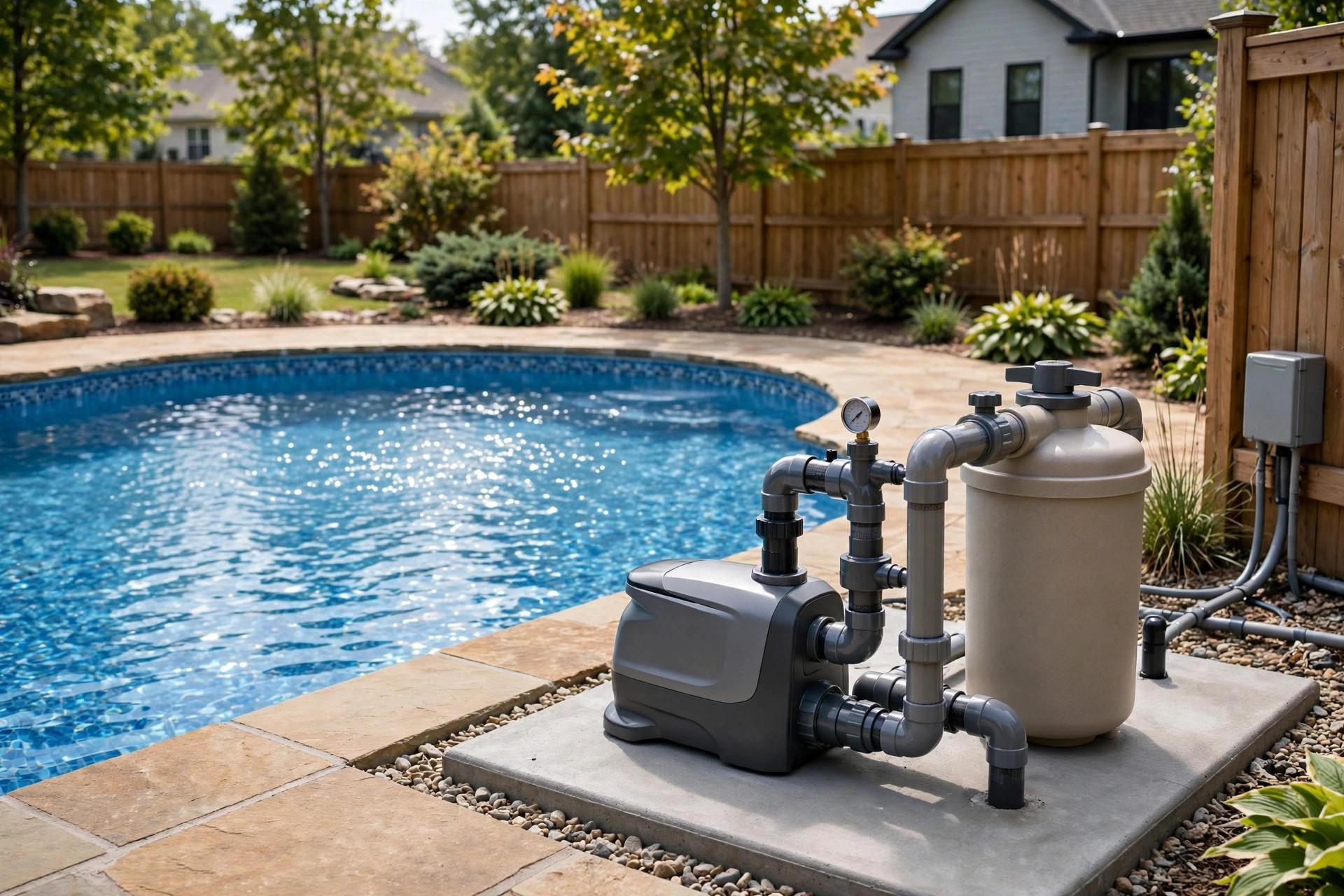

A swimming pool brings joy to a family. It also brings a power bill. The pool pump is the main reason. It can run eight hours a day through the summer. In many homes it is the single biggest user of electricity. That is why finding the best pool pump for energy savings matters. The right pump can cut power use by more than half. It keeps the water just as clean. This guide explains how to choose one.
Why Energy Savings Matter
A pool pump does a simple job. It moves water through the filter and back to the pool. Old pumps do this job at one speed only. They run full blast all day long. Full speed wastes power. Most of the time the pool does not need full speed. Gentle filtering works fine for long hours. The pump only needs high speed for short tasks like vacuuming or heating.
Power costs have risen in many states. A single-speed pump can add thirty to ninety dollars a month to a power bill in summer. A guide to pool pump running cost per month shows how the numbers differ by state and by season. When you cut that cost in half, the savings add up fast. Over a pump’s life of ten years, you can save several thousand dollars.
There is a second reason. Many states now require efficient pumps by law. Federal rules from recent years set minimum standards for new pool pumps. A high-efficiency model keeps you ahead of those rules. It also runs quieter. Neighbors hear less hum. The pool area feels calmer.
What to Look for When You Choose: Best Pool Pump for Energy Savings
Start with your pool size. A small above-ground pool needs a small pump. A large inground pool needs more power. A pump that is too large wastes energy. A pump that is too small strains and fails early. Match the pump to the gallons in your pool and the size of your plumbing.
Look for a variable speed motor. This is the most important feature. Variable speed lets the pump run slow most of the day. It uses very little power at low speed. You turn it up only when needed. If your pool is inground, read more in our guide to the best pool pump for inground pools for size and fitting notes.
Check the energy rating. Energy Star listed models meet strict efficiency tests. The Energy Star site explains which pool equipment earns the label. An Energy Star pump uses far less power than a basic single-speed model. The label is a quick sign of quality.
Look at the noise level. Modern pumps run at fifty decibels or less at low speed. That is about as loud as a quiet office. Old pumps can reach seventy decibels. That is as loud as a vacuum cleaner. Quiet matters if the pump sits near a patio or a neighbor’s fence.
Check the controls. Many new pumps have built-in timers and digital screens. You can set low speed for twelve hours and high speed for two hours. The pump does the rest. Smart controls save power without you thinking about it.
Types of Pool Pumps
There are three main types. Each suits a different pool and budget.
Single-Speed Pumps
A single-speed pump has one speed. It runs full power or not at all. These pumps are cheap to buy. They cost the most to run. Most experts now advise against them. New federal rules have limited their sale for residential pools. If you own one, replacing it is often the fastest way to save.
Two-Speed Pumps
A two-speed pump has a high and a low speed. Low speed handles daily filtering. High speed handles cleaning and heating. These cost less than variable-speed models. They save a fair amount of power. They are a good middle choice for small pools.
Variable-Speed Pumps
A variable-speed pump is the best pool pump for energy savings. The motor can run at many speeds. You set a slow speed for most of the day. Power use drops by up to ninety percent at low speed. The savings pay for the higher price in one to two years. These pumps are quiet. They also last longer because slow running means less wear. Retailers like The Home Depot and pool specialists like Leslie’s Pool Supplies carry wide selections of variable-speed models. Pool Warehouse also lists many options with plain specifications.
How to Size the Pump to Your Pool
A pump that fits your pool saves the most power. Sizing starts with gallons. Measure the pool in feet. Multiply length by width by average depth. Multiply the result by 7.5. That gives gallons for a rectangular pool. A pool that is twenty by forty feet with a five-foot average depth holds about thirty thousand gallons.
The pump should turn the water over once a day. Turnover means all the water passes through the filter one time. Most pools need one turnover every eight to twelve hours. Divide gallons by the hours you plan to run the pump. That gives the gallons per minute you need. A thirty-thousand-gallon pool needs about forty-two gallons per minute over twelve hours.
Match that flow to a pump at low speed. Pump charts list flow at each speed. Pick a model that reaches your needed flow at a low, efficient speed. A pump that must run fast to meet the flow is too small. One that far exceeds the flow at low speed is too big. Oversized pumps waste power even at low settings.
Plumbing size matters too. Small pipes resist flow. If your pipes are narrow, a bigger motor fights that resistance and wastes power. Keep pipe runs short and straight when you can. Two bends less can cut friction a lot. If you plan a full redo, ask a pool builder about larger pipe sizes. It is a one-time cost with yearly savings.
How Much the Best Pool Pump for Energy Savings Costs
Prices vary by type and size. A basic single-speed pump costs two hundred to five hundred dollars. A two-speed pump costs four hundred to eight hundred dollars. A variable-speed pump costs eight hundred to sixteen hundred dollars. High-end models with smart controls cost more.
The price on the box is only half the story. Running cost matters more. A single-speed pump can cost a thousand dollars a year to run in a hot state. A variable-speed pump may cost two hundred dollars a year for the same pool. The difference is eight hundred dollars a year. The pump pays for itself quickly.
Installation adds to the cost. A simple swap by an electrician may cost two hundred to four hundred dollars. If new wiring or a new pad is needed, the cost rises. Some power companies offer rebates for efficient pumps. Ask your local utility. A rebate of two hundred dollars or more is common.
Homeowners with warm pools should also think about heating. A heater and a pump work as a team. Our guide to a pool heater for above ground pools covers how the two work together. A slow pump setting can even help a heater work better.
Installation Tips
You can place the new pump on the old pad. Turn off all power first. Take a photo of the old wiring before you remove it. Pool pump wiring follows standard rules, but a photo saves time.
Check the fittings. New pumps often use the same pipe sizes as old ones. Measure before you buy. If the sizes differ, buy adapter unions at the store. They are cheap and simple.
Set the speeds on day one. Many owners forget this step. The pump then runs at factory speed. Factory speed is often too high. Read the manual. Set a low speed for daily filtering. Set a higher speed for short cleaning periods. Guides from Swim University walk through speed settings for common pump models.
Place the pump in shade if you can. Sun heat shortens the life of electronics. A small cover helps. Leave room around the pump for air flow. Motors need cooling air.
Care and Upkeep
A clean pump runs cheaper. Check the pump basket once a week. Leaves and hair block water flow. A blocked basket makes the motor work harder. It uses more power. Empty the basket by hand. Rinse it with a hose.
Watch the pressure gauge on the filter. When pressure rises eight to ten points above normal, clean the filter. A dirty filter slows water down. The pump must push harder. That uses more power.
Listen for odd sounds. A hum is normal. A loud grinding sound is not. It may mean the bearings are worn. Call a pool tech if the sound stays. Fixing it early costs less than a new pump.
Winter care matters in cold states. Drain the pump before frost. Frozen water can crack the housing. Store plugs and small parts in a labeled bag. Spring setup then takes minutes.
Pool owners with spas follow the same rules. Spa pumps move water through jets. Efficient motors help there too. Brands focused on spas, like Hot Spring Spas and Bullfrog Spas, publish useful guides on pump and jet efficiency.
Safety
Pool pumps pull water with strong suction. Modern drains and covers reduce the risk. The U.S. Consumer Product Safety Commission sets safety rules for pool drains. Make sure your drain covers meet current standards. Replace cracked covers right away.
Electrical safety matters. Pool pumps use high voltage. Keep water away from open wiring. Use a ground fault breaker. A licensed electrician should do the wiring. Do not work on live wires yourself.
Keep chemicals away from the pump motor. Chlorine fumes can corrode parts. Store chemicals in a dry spot away from equipment. Rinse the pad after you add chemicals to the pool.
Frequently Asked Questions
How long should a pool pump run each day?
Most pools need eight to twelve hours of filtering a day. With a variable-speed pump, you can run low speed for twelve hours. That uses less power than high speed for six hours. Clear water is the test. If the water stays clear, the schedule works.
Is a variable-speed pump worth the price?
Yes, for most pools. The pump costs more up front. It saves eight hundred dollars or more a year on power in many cases. Most owners break even in one to two years. After that, the savings are pure gain. Quiet running is a bonus.
Can I replace my old pump myself?
A handy owner can do a simple swap. The pipes and pad often fit the new pump. But the wiring needs care. If you are unsure, hire an electrician. The job takes one to two hours. The cost is small next to the pump price.
Will a new pump work with my old filter?
Usually yes. Check the flow ratings. The pump should not push more water than the filter can handle. A slower speed setting fixes most mismatches. When in doubt, ask the pump maker. The Spruce has plain guides on matching pumps and filters.
How much noise does an efficient pump make?
Very little at low speed. Most variable-speed pumps run at fifty decibels or less on low. You can hold a normal talk near the pad. At high speed they are louder. But high speed runs only a short time each day.
A Final Word
The best pool pump for energy savings is a variable-speed model matched to your pool size. It costs more at the store. It costs far less each month. It runs quiet. It lasts longer. Set the speeds on day one and keep the basket clean. The pump will do the rest. Your power bill will show the difference within the first season.
References
Bullfrog Spas. (n.d.). Hot tubs and spas. https://www.bullfrogspas.com ENERGY STAR. (n.d.). Energy efficient products. https://www.energystar.gov Hot Spring Spas. (n.d.). Hot tubs and spas. https://www.hotspring.com Leslie’s Pool Supplies. (n.d.). Pool supplies and equipment. https://www.lesliespool.com Pool Warehouse. (n.d.). Pool equipment and supplies. https://www.poolwarehouse.com Swim University. (n.d.). Pool and hot tub care guides. https://www.swimuniversity.com The Home Depot. (n.d.). Home improvement products. https://www.homedepot.com The Spruce. (n.d.). Home and garden advice. https://www.thespruce.com U.S. Consumer Product Safety Commission. (n.d.). Product safety information. https://www.cpsc.gov
Was this guide helpful?

About Lisa Anderson
The My Garden US editorial team writes practical, in-depth home and garden guides for American homeowners — tested advice, no fluff.
You May Also Like
Inground Pool Cover Installation Cost: What Owners Should Know
September 12, 2026 0 views
Best Pool Heater for Inground Pools: A Complete Buyer Guide
July 2, 2026 0 views
How to Fix Pool Filter Leaking: A Practical Guide for Pool Owners
June 11, 2026 0 views