
Why the Best Outdoor Grill for Florida Humidity Is a Special Question
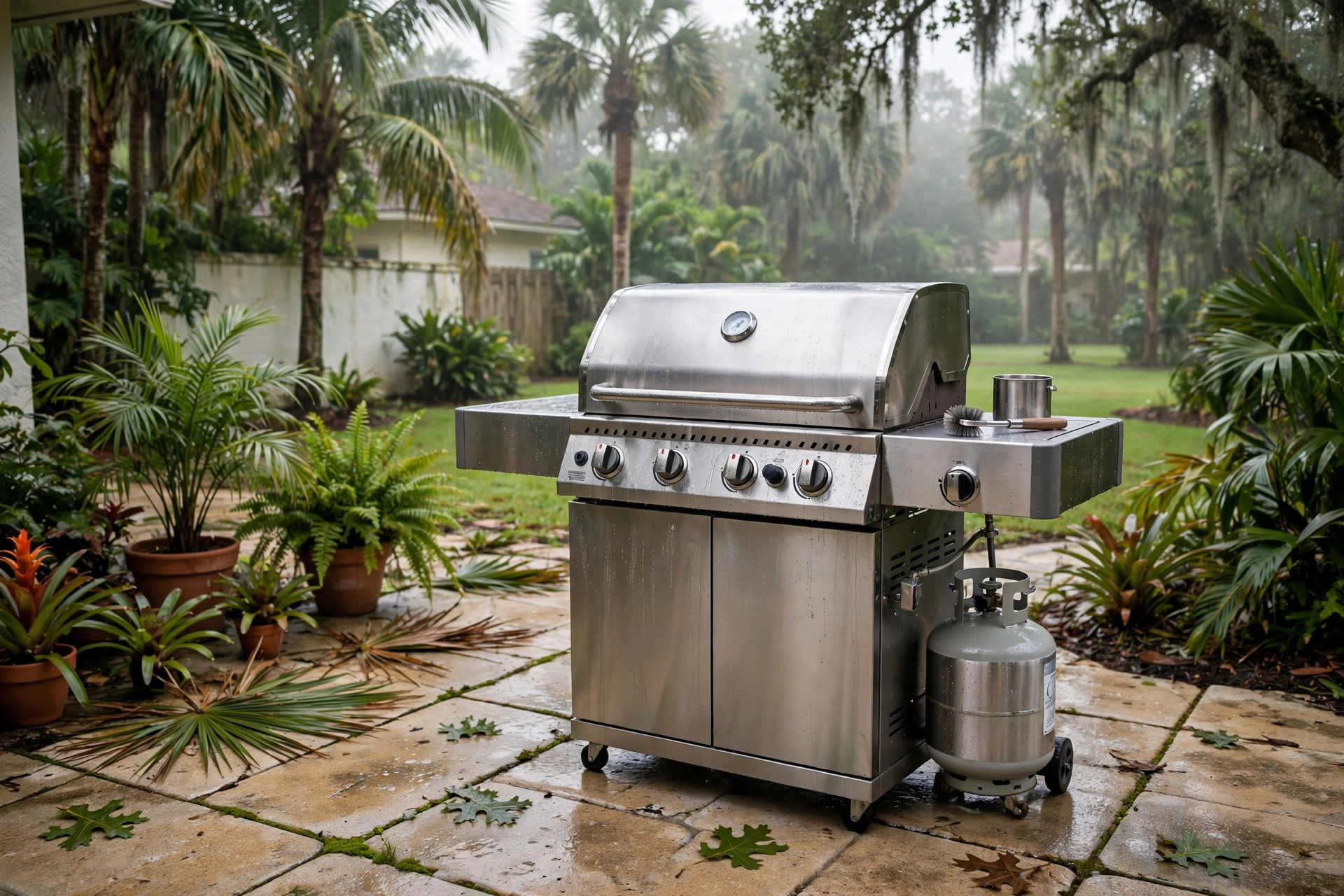
Cooking outside in Florida is a pleasure. The evenings are warm. The air is soft. The grilling season never seems to end. But the same air that makes Florida pleasant also attacks a grill. The best outdoor grill for florida humidity must deal with moisture that sits in the air day and night. In many parts of the state, the air holds heavy moisture for most of the year. Rain comes fast in the afternoon. Salt drifts in from the coast. A grill that would last ten years in a dry state may last only three here.
Humidity does damage in quiet ways. It speeds up rust. It weakens screws and bolts. It soaks into wooden parts. It gets inside burner tubes. It makes the lid stick. It can even harm the ignition, because moisture finds its way into electrical parts. None of this happens in a single week. It happens slowly, over months, until one day the grill fails to light or a burner gives out.
This guide walks through the whole problem. It explains why humidity harms grills. It shows what materials and features stand up best. It compares the main grill types. It covers cost, care, and safety. By the end, you will know how to pick a grill that can face Florida weather and keep working for years.
Why Florida Humidity Punishes Grills: Best Outdoor Grill for Florida Humidity
Rust is the main enemy. Steel reacts with oxygen and water. In dry air, this reaction moves slowly. In humid air, it moves fast. Florida air gives the reaction everything it needs. The result is rust on grates, inside the firebox, on legs, and on screws. Once rust starts, it spreads. A small spot can become a weak panel within a season.
Salt makes the problem worse. Homes near the coast get salt in the air. Salt draws water out of the air and holds it on metal surfaces. A grill in Tampa or Miami faces a double test of moisture and salt. Even grills kept under a roof can show damage, because salt and moisture drift with every breeze.
Heat adds to the strain. Florida summers push past ninety degrees. Heat expands metal and loosens joints. Plastic wheels crack. Paint blisters. The grill bakes in the sun between storms, then gets soaked again. This back and forth between hot sun and hard rain is one of the roughest weather patterns a grill can face.
Insects and mold find a home too. Damp corners under a grill lid grow mold fast. Spiders build webs inside burner tubes. These small problems seem minor, but they can block gas flow or foul the taste of food.
What to Look For When You Choose
Not every grill is built for humid air. The details matter more than the brand name. Here is what to check before you buy.
Body and Frame Materials
The single most important choice is the body material. Grills made from thick 304 stainless steel resist rust far better than thin painted steel. The number 304 marks a grade of stainless steel with high resistance to corrosion. Check the product details for this number. If it is not listed, ask. Thinner stainless grades can still rust in salty air.
Cast aluminum is another strong choice. It does not rust at all. Many mid-priced grills use cast aluminum fireboxes that survive humid climates well. Powder-coated steel can work if the coating is thick and unbroken, but one chip in the paint becomes the start of a rust spot.
Grates and Burners
Porcelain-coated cast iron grates hold heat well and resist moisture better than bare steel grates. Stainless steel rod grates are also good, though they cost more. Avoid thin chrome-plated wire grates. The plating wears off, and the steel underneath rusts fast.
Burners should be stainless steel, not aluminized steel. Stainless burners last longer in damp air. Look for sealed burner systems when you can. A sealed design keeps water out of the gas lines. Heat tents or flavorizer bars above the burners also matter. Stainless steel tents outlast painted ones by years.
Ignition and Electrical Parts
Electronic ignition is convenient, but moisture can reach the spark module. The best designs place the ignition in a sealed housing. Battery-powered push-button starters are simple and cheap to replace. If a grill has a digital control panel, check that the panel is rated for outdoor use. Water and circuit boards do not mix.
Lid, Hinges, and Fasteners
A double-walled lid holds heat and keeps rain out of the cooking chamber. Hinges should be sturdy and rust-resistant. Ask about the screws and bolts too. Stainless steel hardware costs little extra at the factory, yet it prevents the loose-joint problems that plague cheaper grills in humid states.
Wheels and Cart
Grills roll on plastic or rubber wheels. Plastic can crack in Florida sun. Rubber wheels or solid metal casters hold up better. The cart shelves should be metal or sealed composite. Raw wood shelves soak up moisture, warp, and rot.
Types of Grills That Hold Up in Humid Air
Stainless Steel Gas Grills
For most Florida homes, a stainless steel gas grill is the safest pick. Gas grills are easy to start and easy to control. A well-built model from a maker like Weber or Napoleon uses 304 stainless steel through the lid, firebox, and burners. These grills can last a decade in humid air with basic care. The main weak point is grease management. Grease trays must be emptied often, because damp grease breeds mold and attracts insects.
Ceramic Kamado Grills
Kamado grills, such as those from Big Green Egg, use thick ceramic shells. Ceramic does not rust. These grills hold heat for hours and work for smoking, baking, and searing. In Florida, their weakness is the metal hardware. Bands, hinges, and vents are metal and need regular oiling. The ceramic body shrugs off humidity, which makes a kamado a strong long-term choice for a cook who wants one grill for everything.
Charcoal Kettles and Barrel Grills
A simple charcoal kettle can survive Florida if it is made of porcelain-enameled steel. The enamel seals the steel away from moisture. Keep the coating intact and touch up chips with high-heat paint. For a classic cookout setup, a charcoal grill for a backyard cookout is hard to beat on flavor, though it needs more watching than gas. Barrel-style charcoal grills have more parts and more rust risk. If you choose one, store it under cover between uses.
Pellet Grills
Pellet grills run on wood pellets and offer steady, set-and-forget heat. Makers like Traeger and Broil King build models with powder-coated bodies and stainless parts. The danger in Florida is the pellets themselves. Pellets absorb moisture fast. In humid air, a hopper full of pellets can turn to mush in weeks. Keep pellets in airtight bins with lids, and never leave a full hopper open to the air. If you smoke foods at low heat, a dedicated smoker for cold-smoking cheese can handle the task while your main grill stays dry.
Grills for Coastal and Beach Homes
Homes right on the water face the harshest mix of salt and moisture. Marine-grade 316 stainless steel is the gold standard for these spots. It resists salt far better than 304. If your porch sits steps from the sand, read some grill reviews for a beach house and weigh a marine-grade model. It costs more up front, but it outlasts cheaper grills by a wide margin near the ocean.
Cost and Price
Prices vary widely, and the right budget depends on how often you grill and how close you live to the coast.
Budget range: 150 to 400 dollars. These grills use painted steel and basic burners. They work fine for a year or two in Florida, but expect rust within a few seasons. They are a fair choice if you grill only a few times a year and store the grill in a garage.
Mid range: 400 to 1,200 dollars. This is the sweet spot for most Florida homes. Grills in this range often use 304 stainless steel bodies, stainless burners, and better ignition systems. Retailers like Home Depot carry many models in this band. With a cover and basic care, a mid-range grill can serve a family for six to ten years.
Premium range: 1,200 to 3,000 dollars and up. These grills use thick stainless steel, marine-grade alloys, and heavy-duty parts. They are built for daily use and coastal air. The price is steep, but the cost per year of service is often lower than replacing a cheap grill every two years.
Think about the total cost, not just the price tag. A 250-dollar grill replaced four times costs more than a 700-dollar grill that lasts eight years. Add the cost of a good cover, replacement grates, and fuel. Then compare.
Care and Upkeep in a Humid Climate
A grill in Florida needs regular care. The good news is that the care is simple. A little work each month prevents most damage.
Clean after every cook. Burn off food bits at high heat for ten minutes. Brush the grates. Empty the grease tray. Grease left in the tray goes rancid fast in humid air and draws pests.
Cover the grill, but let it breathe. A quality cover keeps rain off the grill. But a cover that seals too tight traps moisture underneath. Many guides from The Spruce Eats and barbecue experts at AmazingRibs agree: use a vented cover, and let the grill cool fully before covering it. On dry, breezy days, leave the cover off for a few hours so the grill can air out.
Check for rust monthly. Look at the firebox, the legs, and the cart. Catch rust early. Sand the spot, treat it, and seal it with high-heat paint. A five-minute repair now saves a ruined panel later.
Oil the metal hardware. Hinges, bands, and screws benefit from a light coat of food-safe mineral oil twice a year. This keeps moisture from settling into threads and joints.
Protect the ignition. Spray electronic ignition parts with a moisture-displacing spray at the start of the rainy season. Keep the battery compartment dry and change batteries once a year.
Store fuel dry. Charcoal bags absorb moisture. Keep them sealed or in a plastic bin. Propane tanks do fine outdoors, but keep the valve covered. Wood pellets, as noted, need airtight storage.
Deep clean twice a year. Take out the grates, heat tents, and burners. Scrub the firebox. Check burner ports for clogs. Spiders love to nest in burner tubes in Florida. A pipe cleaner through each tube takes a minute and prevents dangerous flare-ups.
Independent testing groups like Consumer Reports regularly rate grills for durability and ease of cleaning. Their ratings can help you compare models on the exact features that matter in humid weather.
Safety Around Humidity and Outdoor Cooking
Moisture and gas are a serious mix. Wet burner tubes can block gas flow, which leads to flare-ups or delayed ignition. If a burner lights with a loud pop, shut the gas off and clean the tubes before cooking again.
Never use a grill in an enclosed space. This rule holds everywhere, but it matters more in Florida, where many homes have screened porches and lanais. A grill needs open air. Carbon monoxide has no smell and no color. Keep the grill at least ten feet from the house, away from railings and overhangs.
Check gas connections each spring. Mix dish soap with water and brush it on the hose and fittings. Bubbles mean a leak. Replace worn hoses before the first cook of the season.
Watch for lightning. Florida leads the nation in lightning strikes. If a storm builds while you cook, turn off the grill and go inside. A metal grill on an open patio is no place to stand during a thunderstorm.
Keep a fire extinguisher near the cooking area. Grease fires do not respond to water. Smother a small grease fire by closing the lid and shutting off the burners. For anything larger, step back and call for help.
FAQ
Does a grill cover help or hurt in Florida humidity?
It helps, as long as you use it right. A cover blocks direct rain, which is the worst source of water. But a tight cover over a hot grill traps steam. Let the grill cool first. Use a vented cover. On dry days, let the grill sit uncovered so air can move around it.
What grill material is best for humid climates?
Thick 304 stainless steel is the best common choice. Cast aluminum fireboxes are also excellent because aluminum does not rust. Ceramic kamado bodies ignore humidity entirely, though their metal parts still need care. Avoid thin painted steel if the grill will live outdoors year-round.
How long should a grill last in Florida?
A well-built stainless steel grill with regular care can last eight to twelve years in Florida. A cheap painted-steel grill may last only two or three. Coastal homes see shorter life from every type. The care routine matters as much as the build. A mid-range grill with monthly care outlasts a premium grill that is never cleaned.
Can I leave my grill uncovered in the rain?
Once in a while, rain will not ruin a good grill. But leaving it uncovered all season invites rust, mold, and clogged burners. Florida rain is heavy and frequent. A cover takes ten seconds to put on. That small habit adds years to the grill.
Are pellet grills a bad idea in Florida?
They are not a bad idea, but they need extra care. The pellets are the weak point. Moisture ruins pellets fast. Store them in airtight containers. Empty the hopper between long gaps in use. If you follow these steps, a pellet grill works well in Florida and gives excellent slow-cooked flavor.
Should I choose natural gas or propane in a humid climate?
Both fuels work well. Natural gas needs a fixed line, which suits a permanent patio setup. Propane tanks are portable and easy to swap. Check propane hoses and fittings each spring, because rubber and metal parts age faster in damp air.
Final Word
The best outdoor grill for florida humidity is not the fanciest grill on the shelf. It is the grill with the right materials, the right design, and an owner who gives it basic care. Thick stainless steel, sealed burners, and rust-resistant hardware matter far more than extra features. Match the grill to your home. A screened porch near the beach needs marine-grade metal. A covered patio inland does fine with a good mid-range model. Cover it, clean it, and check it each month. Do that, and your grill will light up fast and cook well for many Florida seasons to come.
References
AmazingRibs.com. (n.d.). Barbecue and grilling science. https://www.amazingribs.com Big Green Egg. (n.d.). Kamado grills and outdoor cooking. https://www.biggreenegg.com Broil King. (n.d.). Gas and charcoal grills. https://www.broilkingbbq.com Consumer Reports. (n.d.). Product reviews and ratings. https://www.consumerreports.org Napoleon. (n.d.). Fireplaces, grills, and heating products. https://www.napoleon.com The Home Depot. (n.d.). Home improvement products. https://www.homedepot.com The Spruce Eats. (n.d.). Recipes and cooking guides. https://www.thespruceeats.com Traeger. (n.d.). Wood pellet grills. https://www.traeger.com Weber. (n.d.). Grills and outdoor cooking. https://www.weber.com
Was this guide helpful?

About Emily Rodriguez
The My Garden US editorial team writes practical, in-depth home and garden guides for American homeowners — tested advice, no fluff.
You May Also Like
Best Grill for Lake Cabin Reviews: What to Buy Before the Next Trip Up
August 12, 2026 0 views
Best Grill Cover for Weber Kettle: A Simple Buying Guide
August 27, 2026 0 views
Best Rotisserie Attachment for Gas Grill: A Plain Guide to Picking the Right One
July 6, 2026 0 views