
Introduction
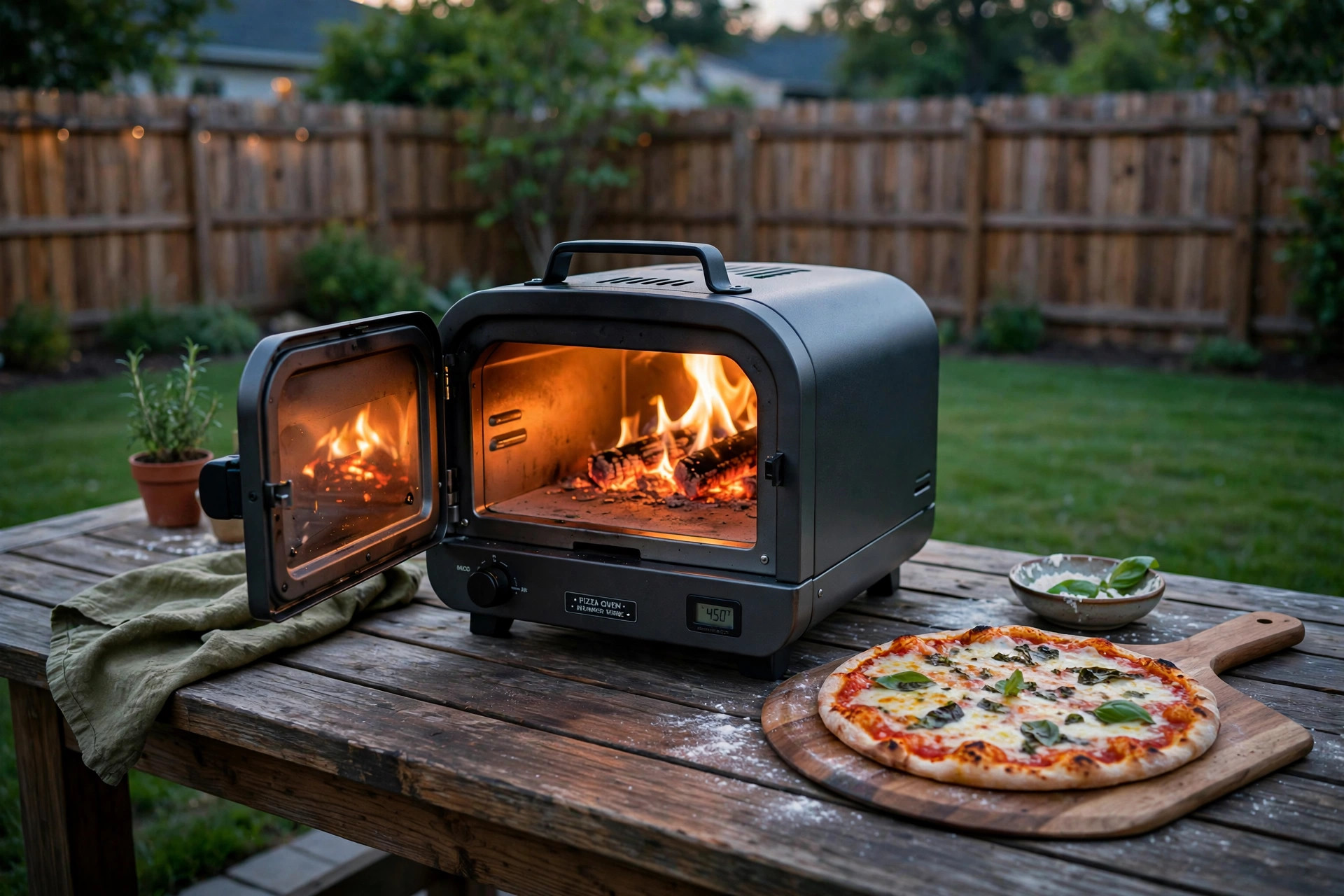
Outdoor pizza oven for beginners reviews are the first thing many new buyers read. A backyard pizza oven sounds like fun. It also sounds like work. Reviews help new buyers see what is simple and what is hard. They show which ovens heat up fast. They show which ovens hold heat well. They show which ovens a beginner can run without stress.
A pizza oven cooks pizza in two or three minutes. The heat is very high. It can reach 700 to 900 degrees. That heat gives the crust a crisp outside and a soft inside. A home kitchen oven cannot do this. Most home ovens stop at 500 degrees. That is why pizza from a true pizza oven tastes different.
New buyers should read reviews with care. Some reviews are written by experts. Some are written by happy new owners. Both can help. This guide reads like a review of the whole idea. It covers why it matters, what to look for, the main types, the cost, care, safety, and common questions. By the end, you will know how to pick a good first oven.
Why an Outdoor Pizza Oven Matters: Outdoor Pizza Oven for Beginners Reviews
Pizza is one of the most loved foods in America. Families eat it every week. A backyard oven turns pizza night into an event. Guests can watch their own pizza cook in two minutes. Children can top their own pies. The oven becomes a small theater.
The taste is the main reason. High heat cooks the crust fast. The bottom chars in small spots. The top stays soft. The cheese melts before the crust dries out. You cannot get this from a slow oven. Reviewers say this again and again. A cheap oven that reaches high heat beats a costly oven that does not.
A pizza oven is also useful beyond pizza. You can roast vegetables in it. You can sear a steak. You can bake flatbread. Some owners cook fish. The oven is a hot box. Once you learn it, you will use it for more than pizza.
There is also the fuel cost. Gas ovens cost little to run. Wood ovens use wood, which is cheap in many areas. Either way, the cost per pizza is low. After a few dozen pizzas, the oven starts to pay for itself against takeout.
What to Look For When You Choose
Beginners should keep the choice simple. There are five main things to check.
First, check the fuel type. Gas is the easiest for a beginner. You turn a dial and the oven heats up. You set the heat with the same dial. Wood gives a smoky taste. It takes more skill. You must build and feed the fire. Many first ovens now use both. They burn gas or wood. That is a safe pick for a new buyer.
Second, check the size. Small ovens cook a 12-inch pizza. That is fine for most families. Larger ovens cook a 16-inch pizza. They also cook two small pizzas at once. Large ovens cost more and take longer to heat. For a first oven, 12 inches is enough.
Third, check the heat time. Good reviews praise ovens that reach 800 degrees in 15 to 20 minutes. Slow ovens take 45 minutes. That is a long wait with guests. Look for short preheat times in the reviews.
Fourth, check the stone. The pizza sits on a stone or a steel deck. Cordierite stone is the common pick. It holds heat well and costs little to replace. Make sure the stone is easy to pull out and clean.
Fifth, check the weight and shape. Many beginners buy a tabletop oven. It sits on an outdoor table. It must be light enough to carry with two hands. It must also be stable. A wide base is better than a tall, tippy shape.
Read outdoor pizza oven for beginners reviews for these five points. If reviewers praise the heat time and the ease of use, the oven is likely a good first pick.
Types and Options on the Market
There are four main types of outdoor pizza ovens. Each fits a different buyer.
Wood-fired ovens are the classic kind. They burn hardwood or wood pellets. They give the best smoky flavor. They also need the most work. You must light the fire and keep it hot. The temperature moves up and down. Reviewers who love wood accept this. Beginners who want ease often do not.
Gas ovens run on propane or natural gas. They are the simplest to use. You light them with a push button. The heat stays steady. Reviews from beginners favor gas for this reason. The taste is still far better than a kitchen oven. Many owners never feel they miss the wood smoke.
Dual-fuel ovens burn gas or wood. You can start with gas. When you feel ready, you can try wood. These ovens cost more. For a beginner who wants to learn slowly, the extra cost can be worth it.
Electric ovens plug into an outlet. They are rare for outdoor use. They work well in a garage or a covered porch. They heat fast and hold a set temperature. Some beginners like them because there is no flame to manage.
When you shop, look at known outdoor cooking brands. Companies such as Weber and Traeger publish guides on outdoor cooking that help new buyers. Specialist makers like Napoleon and Broil King also sell outdoor cookers and explain fuel choices in plain terms. Reading these brand pages next to user reviews gives a full picture.
If you enjoy outdoor cooking beyond pizza, you may also want to read about the best kamado grill for the money. A kamado cooks low and slow, which pairs well with a fast pizza oven.
Cost and Price
Outdoor pizza ovens span a wide price range. Knowing the range helps you set a budget.
Entry-level ovens cost from about 200 to 400 dollars. These are small tabletop models. They use gas or wood pellets. They cook a 12-inch pizza. Reviews say the best ones heat fast and hold heat well. The cheap ones may have thin shells that lose heat. Read the reviews for heat notes before you buy.
Mid-range ovens cost from about 400 to 800 dollars. These are larger and better built. They often have two fuel options. The stone is thicker. The door seals better. Many beginner reviewers say this range is the sweet spot. You get good heat and easy use without a huge bill.
High-end ovens cost 800 dollars and more. These are large and heavy. Some are built into outdoor kitchens. They hold heat for hours. They are more than most beginners need. Buy one later, when you know you love the hobby.
Running costs are low. A propane tank cooks many pizzas. A bag of hardwood pellets costs a few dollars and lasts several sessions. Wood from your yard is free, but use only dry hardwood. Pine and wet wood make smoke and bad taste.
Shoppers can check prices at large home improvement stores like Home Depot. Their pages list many models side by side. That makes it easy to compare size, fuel, and price in one place.
Care and Upkeep
A pizza oven is simple to care for. A few habits keep it working for years.
Let the oven cool fully before you touch it. This takes an hour or more. Never use water to cool a hot stone. The stone can crack.
Brush the stone after each use. A dry brush is enough. Do not use soap on the stone. Soap soaks in and ruins the taste of the next pizza.
Empty the ash if you burn wood. Ash builds up and blocks air flow. Once a month, brush out the whole oven.
Cover the oven when it is not in use. Rain and snow hurt the steel and the stone. A simple cover costs little. It adds years to the life of the oven.
Check the gas parts each season. Look at the hose for cracks. Look at the burner for blockages. Spiders like to nest in burner tubes. A thin brush clears them out.
Store pellets and wood in a dry place. Wet fuel makes bad fires. Keep a small supply near the oven. That makes pizza night easy.
These steps take ten minutes after each cook. Reviewers often note that ovens with simple care last longest. Complex ovens with many parts break more often.
Safety
A pizza oven is very hot. Treat it with respect.
Place the oven on a stable, heat-proof surface. Keep it away from wood decks, dry grass, and overhanging branches. Leave three feet of clear space on all sides.
Keep children and pets away from the oven while it is hot. The outside shell can burn skin. Mark a line on the patio if you need to. Tell guests where to stand.
Never leave a lit oven alone. Wood fires can spit sparks. Gas ovens are safer, but the dial can be bumped. Stay near the oven until it is cool.
Use long tools. A short spatula puts your hand near the heat. Buy a long peel for sliding pizzas in and out. Use heat-proof gloves.
Let the oven cool before you move it. Moving a hot oven can spill heat and ash. It can also warp the metal.
If you smell gas, turn the oven off at once. Do not light it again. Check the hose and the tank. Call a pro if you cannot find the leak.
Consumer guides from groups such as Consumer Reports test outdoor cookers for safety and build quality. Their methods are a good model for how to judge an oven yourself.
Frequently Asked Questions
How long does a pizza take in an outdoor pizza oven? Most pizzas take two to three minutes at 750 to 850 degrees. Thin crusts cook faster. Thick crusts need a slightly cooler oven and a bit more time. Your first pizza may burn. That is normal. The second one is usually much better.
Do I need wood to get a good taste? No. Gas ovens make great pizza. Wood adds a light smoke taste. Many beginners cannot tell the difference at first. Start with gas. Try wood later if you want. Reviews from first-time owners back this up.
Can I use a pizza oven in winter? Yes, but cold air slows the heat-up. It may take twice as long to reach full heat. Wind is the bigger problem. It steals heat from the oven mouth. Set the oven in a sheltered spot. Some owners use a wind block made from bricks.
How do I stop the bottom from burning? A burned bottom means the stone is too hot. Turn the flame down and let the stone cool for a few minutes. Then try again. Also, use less flour on the peel. Extra flour burns on the stone and leaves a bitter taste.
What size oven should a beginner buy? A 12-inch oven suits most new buyers. It heats fast and uses less fuel. A 16-inch oven is better for large groups. It costs more and takes longer to heat. Start small. You can sell a small oven easily if you outgrow it.
Are cheap ovens worth it? Some are. The best cheap ovens reach high heat and hold it. The worst ones lose heat fast and cook unevenly. This is where outdoor pizza oven for beginners reviews earn their keep. Look for reviews that mention heat time, even cooking, and easy cleanup. Cooking sites like AmazingRibs publish detailed tests of outdoor cookers that show how reviewers judge heat and build quality.
A Short Final Word
An outdoor pizza oven is one of the most fun tools in a backyard. The first cook may be messy. The second will be better. By the fifth, you will feel like an old hand.
Read the reviews. Pick a simple gas or dual-fuel model. Keep the size modest. Learn the heat of your stone. Follow the safety rules. Soon you will make pizza that beats most takeout.
If you want to round out your backyard cooking setup, look at the best smoker for beginners under 300 for slow-cooked meats, or browse outdoor griddle recipes for beginners for flat-top ideas. Makers like Big Green Egg also offer ceramic cookers that many reviewers compare with pizza ovens for heat retention.
References
AmazingRibs.com. (n.d.). Barbecue and grilling science. https://www.amazingribs.com Big Green Egg. (n.d.). Kamado grills and outdoor cooking. https://www.biggreenegg.com Broil King. (n.d.). Gas and charcoal grills. https://www.broilkingbbq.com Consumer Reports. (n.d.). Product reviews and ratings. https://www.consumerreports.org Napoleon. (n.d.). Fireplaces, grills, and heating products. https://www.napoleon.com The Home Depot. (n.d.). Home improvement products. https://www.homedepot.com Traeger. (n.d.). Wood pellet grills. https://www.traeger.com Weber. (n.d.). Grills and outdoor cooking. https://www.weber.com
Was this guide helpful?

About James Carter
The My Garden US editorial team writes practical, in-depth home and garden guides for American homeowners — tested advice, no fluff.
You May Also Like
The Best Outdoor Grill for Coastal Salt Air: A Buyer’s Guide
September 29, 2026 0 views
How to Clean Smoker Glass Door: A Clear, Simple Guide
May 8, 2026 0 views
How to Grill Fish Without Sticking
February 3, 2026 0 views