Why So Many Backyard Cooks Want a Kamado
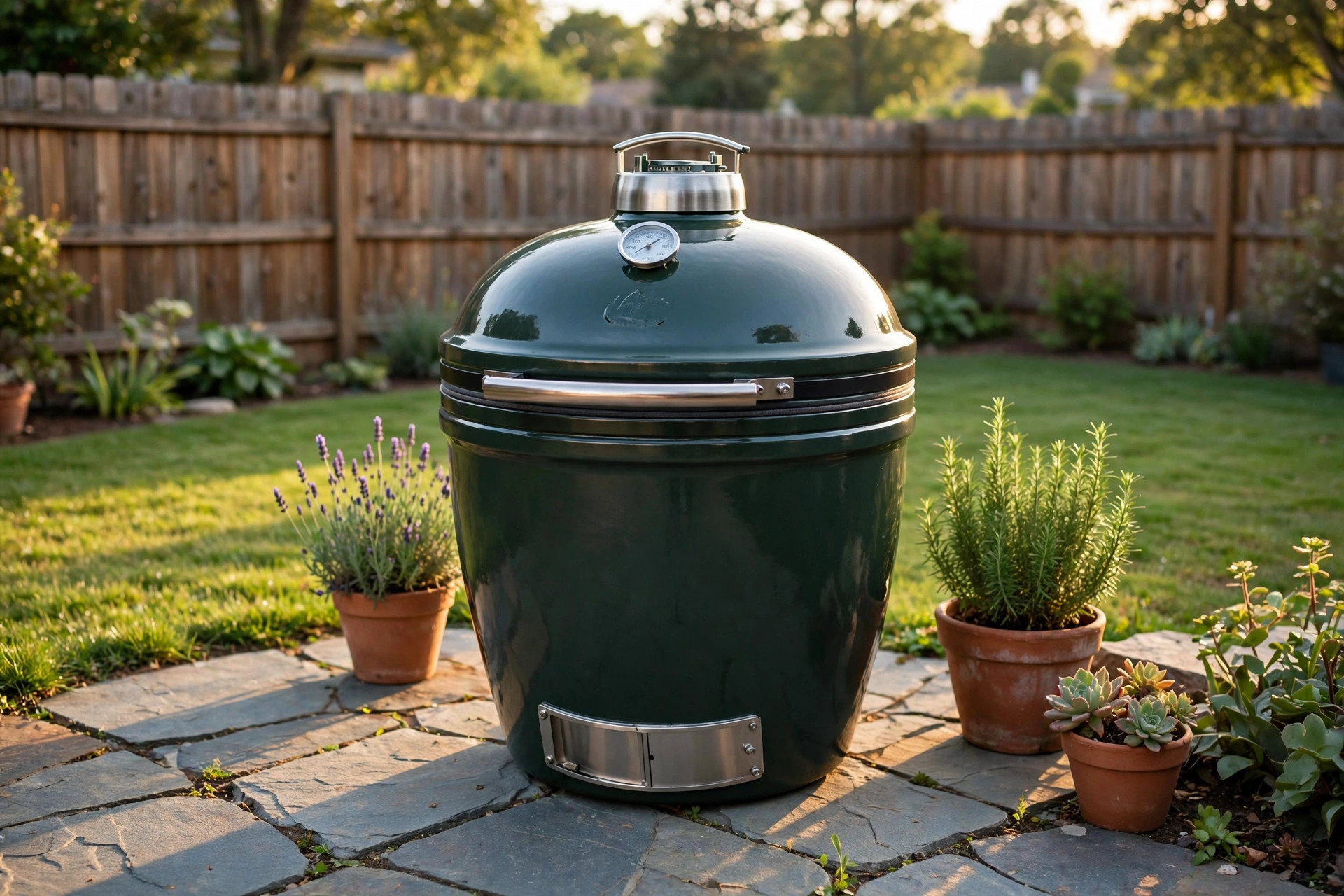
A kamado grill is a round cooker made of thick ceramic or steel. It looks like a large egg with a lid. It runs on lump charcoal. It can sear a steak at very high heat. It can also smoke a brisket low and slow for many hours.
When people search for the best kamado grill for the money, they are not asking for the most costly model. They are asking for fair value. They want a grill that holds heat well, lasts for years, and costs less than the top brands. This guide will help you judge value for yourself, in plain terms.
You may also find our notes on the best charcoal grill for backyard bbq useful if you want a simpler cooker at a lower price. A kamado is a fine tool, but it is not the only way to cook outdoors.
What a Kamado Grill Is and How It Works: Best Kamado Grill for the Money
The kamado design is old. It comes from clay cooking pots used in Asia for thousands of years. The modern form has thick walls, a tight lid, and two air vents. One vent sits at the bottom. One vent sits on top. You open the vents to raise heat. You close them to lower heat.
The thick walls hold heat inside. The round shape moves hot air around the food. This makes the cook even and moist. You use lump charcoal, not briquettes. Lump charcoal burns hotter and leaves less ash. A full load of lump can burn for hours on one fill.
A deflector plate is a key part. It is a round stone or metal plate that sits above the coals. It blocks direct heat. With the plate in place, the grill works like an oven. Without the plate, it works like a direct grill. That is why one grill can bake pizza, roast a chicken, and smoke ribs.
Some makers publish helpful cooking guides on Big Green Egg that show how these cookers handle many styles of food. The basic idea stays the same across brands.
Why It Matters for Your Money
A kamado grill costs more than a basic kettle grill. Prices often run from a few hundred dollars to well over a thousand. So value matters. A good mid-priced model can cook as well as a costly one if the build is sound.
Three things decide value more than brand name. First is the seal. The lid must close tight with no smoke leaking out. A poor seal wastes charcoal and makes heat control hard. Second is the hinge and spring system. The lid is heavy. It must open and close with steady hands and stay put. Third is the grate and firebox quality. The fire ring and firebox take the most heat. They should be thick and free of cracks.
If a grill passes those three tests, the price on the tag matters less. You can spend less and still get a cooker that will serve you for a decade or more. Independent testers at Consumer Reports rate grills on build and performance, and their results show that price does not always track quality. A grill that leaks air is no bargain, no matter how low the price. It burns extra charcoal on every cook and wears out fast.
What to Look for When You Shop
Start with size. Kamado grills are sold by cooking diameter. Common sizes are 18 inches and 22 inches. An 18-inch grill suits a family of three or four. A 22-inch grill suits larger groups and big cuts like a whole brisket. Larger grills use more charcoal. Choose the size that fits your normal cook, not your largest party.
Look at the shell. Good shells are thick ceramic, at least one inch through. Steel kamados exist too. They cost less and weigh less. They do not hold heat as long as ceramic, but they heat up faster and travel better. For most home users, ceramic is the better value over time.
Check the vents. The bottom vent should slide with smooth, firm action. The top vent should stay where you set it. Sloppy vents drift during a long cook and ruin low-and-slow cooking.
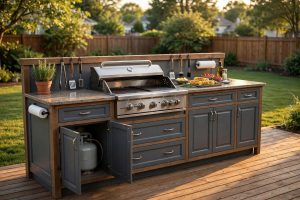
Inspect the cart or stand. A kamado is heavy. The stand must be stable on your patio. Side tables give you room for tools and plates. Retailers like Home Depot often show full cart and table setups, so you can judge the whole package.
Ask about the warranty. A strong warranty on the ceramic shell, often ten years or more, shows the maker stands behind the build. A one-year warranty on the main shell is a warning sign.
If you are new to charcoal, read our piece on the best smoker for beginners under 300. It covers easy first steps with live fire before you step up to a kamado.
Types and Options on the Market
Kamado grills fall into three broad groups by price.
Budget models cost under 400 dollars. They are often steel or thin ceramic. They can grill well. They struggle with long smokes because heat escapes. They suit a buyer who wants to try the style without a big spend.
Mid-range models cost 400 to 900 dollars. This is where the best kamado grill for the money is usually found. These grills have thick ceramic shells, decent seals, and solid carts. They hold low heat for hours. They sear well. For most families, this group gives the strongest return on each dollar.
Premium models cost 900 dollars and more. They add polish: better gaskets, smoother hinges, finer paint, strong accessory lines. They cook no better than a good mid-range model in honest tests. They last longer in some cases and feel nicer to use. Buyers who grill every week may find the comfort worth it.
The 18-inch size is the sweet spot for value. It is the most common, so parts and covers are easy to find.
For a broad look at how different cooker types compare, the guides at Napoleon describe many outdoor cooking styles side by side. A kamado wins on fuel economy and range, but a plain kettle wins on price and ease.
Cost and Price: What You Should Expect to Pay
The grill is only part of the cost. Plan for the full set.
A mid-range kamado itself runs 400 to 900 dollars. A good cover costs 30 to 60 dollars. You will want a cover from the first day. Rain and sun wear a grill fast. Our notes on the best grill cover for weber kettle explain what a good cover should do, and the same rules apply to kamados.
Lump charcoal costs more than briquettes. A 20-pound bag often costs 20 to 30 dollars. A kamado uses charcoal well, so a bag can last several cooks. Budget about 15 to 25 dollars a month in fuel if you cook weekly.
Accessories add up. A deflector plate for indirect cooking may come with the grill or cost 50 to 100 dollars extra. A good instant-read thermometer is a must and costs 15 to 40 dollars. Heat-proof gloves cost 20 to 35 dollars. Watch for late-summer sales, when stores clear grills at lower prices.
How to Use Your Kamado Well
Start with a clean firebox. Shake out old ash through the bottom vent. Ash blocks airflow. Fill the firebox with lump charcoal to the top of the fire ring. Do not use lighter fluid. It leaves a taste. Use a fire starter cube or an electric starter.
Light the charcoal in one or two spots. Leave the lid open for ten minutes while the fire takes hold. Then close the lid and set the vents. For high-heat grilling, open both vents wide. For low-and-slow smoking, open the bottom vent a finger width and set the top vent to a small opening. Wait for the temperature to settle before you add food. Rushing this step is the most common mistake.
Use the deflector for indirect cooks. Place a drip pan on the deflector to catch fat. It keeps the grill clean and stops flare-ups. For pizza, let the grill run hot, near 500 to 600 degrees, with the deflector and a pizza stone in place.
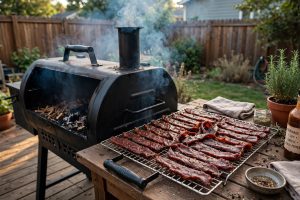
Wood chunks add smoke flavor. Two or three chunks of hickory, oak, or apple are enough. More wood makes bitter food. Fruit woods are mild. Hickory is strong.
The kamado is slow to cool. Plan your cook in order. Grill steaks hot first, then close the vents and let the heat fall for slower food. Both orders work.
Writers at AmazingRibs publish deep, test-based notes on fire control and meat science.
Care and Upkeep
A kamado asks for little care, but it asks for it on time.
After each cook, close both vents. The fire will die out. The next day, brush the grate and stir the ash. Empty the ash drawer every few cooks. Ash holds moisture. Moisture hurts the firebox over time.
Do a hot burn now and then. Run the grill near 600 degrees for an hour with the grate in place. This burns off grease and grime. Let it cool on its own. Never cool a hot ceramic shell with water. The shock can crack it.
Check the gasket each season. The gasket is the felt or mesh strip around the lid rim. It wears with heat. If you see smoke leaking at the rim, replace the gasket. Kits cost 20 to 40 dollars and take under an hour to fit.
Keep the grill covered when not in use. Keep it out of standing water. Move it with care; ceramic cracks if dropped. Tighten the bands and hinge bolts once a year. They loosen with heat cycles.
Mold can grow inside a damp grill. If you see mold, run a hot burn. It will clean the inside. Then cook as normal.
The test kitchens at The Spruce Eats cover grill cleaning routines in plain steps. A simple routine after each cook adds years to the grill.
Safety First
A kamado is a fire box. Treat it with respect.
Place the grill on a flat, non-flammable surface. Keep it at least three feet from walls, rails, and overhangs. Never use it under a low roof or in a garage. Charcoal makes carbon monoxide. It has no smell. It can kill in a closed space.
The outside shell gets very hot. Teach children and guests not to touch it. Keep pets back. Use long tools and heat-proof gloves. The lid is heavy. Open it with two hands until you learn the balance.
Light the grill with proper starters only. Keep a fire extinguisher or a bucket of sand near the grill. Do not leave a lit grill alone for long. On long smokes, check the vents now and then, but do not open the lid often. Each peek adds twenty minutes to the cook.
Let the grill cool fully before you cover it. A covered hot grill traps heat and can damage the cover. Store charcoal in a dry place away from the grill.
Makers like Weber and Char-Broil publish safety notes with their grills. Read the manual that comes with your model.
Frequently Asked Questions
Is a kamado grill worth it for a beginner? Yes, if you like to learn. Heat control is simple once you learn the vents. A beginner who cooks weekly will get full value. One who grills twice a year may do better with a cheaper kettle.
How long does a kamado grill last? A good ceramic kamado lasts ten to twenty years with basic care. Gaskets, grates, and fireboxes wear faster, but they are replaceable. Steel kamados last five to ten years, depending on rust care.
Can a kamado replace both a grill and a smoker? For most homes, yes. It sears, roasts, bakes, and smokes. It will not hold as much meat as a big offset smoker, but a family rarely needs that much room.
What is the best size kamado for the money? The 18-inch size gives the best mix of room and fuel use. It fits a whole chicken, a pork butt, or two racks of ribs, and it sips charcoal on long cooks.
Should I buy lump charcoal or briquettes for a kamado? Use lump charcoal. Briquettes leave more ash, and ash chokes the airflow a kamado needs. Store it dry. Damp lump smokes badly and lights poorly.
Do I need the brand-name accessories? No. Third-party deflectors, stones, and grates work well in most models. Measure your grill before you buy. The one accessory worth the money is a good thermometer.
A Final Word
The best kamado grill for the money is not the cheapest and not the priciest. It is the one with a tight seal, thick walls, a steady hinge, and a fair price. Shop the mid-range, check the build with your own hands, and buy the size that fits your table, not your dreams.
Cook with it often. Learn the vents. Keep it clean and covered. Few tools pay back their price as well as a good kamado.
For more on cooker choices, Traeger and Broil King both show how pellet grills and gas grills compare for buyers who want a different style of fire. Pick the fire that fits your habits, and spend your money once, on the right tool.
References
AmazingRibs.com. (n.d.). Barbecue and grilling science. https://www.amazingribs.com Big Green Egg. (n.d.). Kamado grills and outdoor cooking. https://www.biggreenegg.com Broil King. (n.d.). Gas and charcoal grills. https://www.broilkingbbq.com Char-Broil. (n.d.). Gas and charcoal grills. https://www.charbroil.com Consumer Reports. (n.d.). Product reviews and ratings. https://www.consumerreports.org Napoleon. (n.d.). Fireplaces, grills, and heating products. https://www.napoleon.com The Home Depot. (n.d.). Home improvement products. https://www.homedepot.com The Spruce Eats. (n.d.). Recipes and cooking guides. https://www.thespruceeats.com Traeger. (n.d.). Wood pellet grills. https://www.traeger.com Weber. (n.d.). Grills and outdoor cooking. https://www.weber.com
Was this guide helpful?

About James Carter
The My Garden US editorial team writes practical, in-depth home and garden guides for American homeowners — tested advice, no fluff.