
Lead in drinking water is one of the oldest hazards in the American home, and it is still with us. Old service lines, old solder, and old fixtures can put small amounts of lead into the water that comes from the tap. When homeowners look for the best filter for lead removal, reviews in the USA market can be hard to read, because every maker claims the top spot. This guide sets out the facts in plain words so you can choose with confidence.
A filter that is certified for lead reduction is a proven way to protect your family. The Environmental Protection Agency states that no level of lead in drinking water is safe, and independent reviews often begin with that same point. The sections below explain how these filters work, the main types sold in the USA, what to check before you buy, what they cost, and how to keep them working.
Why Lead in Tap Water Matters
Lead is a metal that can harm the brain and body, and children and pregnant women face the greatest risk. Even low exposure over time can cause learning and behavior problems in young children. In adults, it can raise blood pressure and cause kidney trouble.
Lead usually does not come from the water plant. It comes from the pipes that carry water to the home and from the fittings inside the home. Houses built before 1986 are the most likely to have lead solder joining the copper pipes, and some older homes still have full lead service lines from the street. When water sits still in these pipes for hours, more lead can dissolve into it.
Because of this, many families choose a point-of-use filter at the kitchen tap, where the drinking and cooking water comes from. Reviews from USA homeowners often report lower lead test results after they install a certified filter. The key word is certified. A filter should carry a mark from an independent lab that it reduces lead to a set level. Without that mark, a claim on the box means very little.
How Lead Removal Filters Work: Best Filter for Lead Removal Reviews Usa
Most lead removal filters work in one of two ways. The first is adsorption by activated carbon. Carbon has a huge surface area, and lead particles and other contaminants stick to it as water passes through. Solid block carbon filters are dense and can trap very fine lead particles. Granular carbon is looser and less effective for lead, though it can help with taste and odor.
The second way is ion exchange. A special resin in the filter trades harmless ions, such as sodium or hydrogen, for lead ions in the water. This method is strong at removing dissolved lead, the kind that does not show up as cloudy water. Many of the top products in best filter for lead removal reviews in the USA use a mix of both methods, so they catch both dissolved lead and lead particles.
Reverse osmosis is a third method. It pushes water through a very fine membrane that blocks lead and most other dissolved solids. Systems of this kind also use carbon pre-filters. They remove lead very well, but they waste some water and cost more to install.
Types of Filters for Lead Removal
Pitcher Filters
Pitcher filters are the simplest choice. You fill the pitcher and the water drips through a carbon filter into the lower chamber. Some well-known pitcher brands are certified for lead reduction, and reviews from USA buyers often praise them for low cost and easy use. They are slow, however, and the filter must be changed every two months or so. They suit renters and small households.
Faucet-Mounted Filters
Faucet-mounted filters screw onto the kitchen tap. A lever switches between filtered and unfiltered water. They cost little, install in minutes, and many models are certified for lead. The flow is slower than plain tap water, and the small cartridges need regular changing. They do not fit all faucet shapes, so check your tap before you buy.
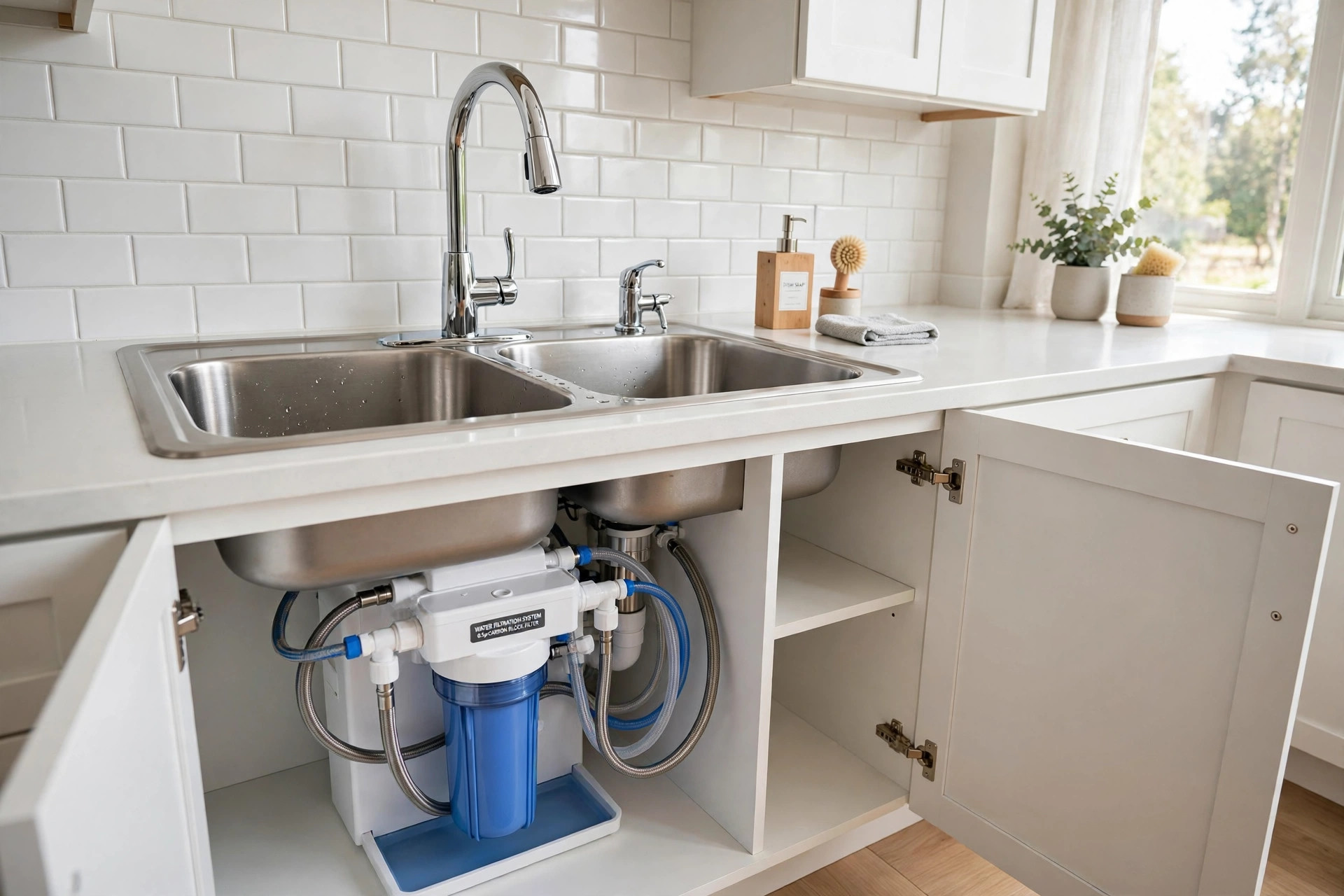
Under-Sink Filters
Under-sink filters sit inside the cabinet under the kitchen sink. A separate small tap on the sink top gives filtered water. They hold larger cartridges, so they last longer and handle more water each day. They are a common pick in best filter for lead removal reviews from USA families with children, because they serve a busy kitchen well. Installation needs basic plumbing work, and some owners hire a plumber.
Countertop Filters
Countertop filters sit next to the sink and connect to the faucet with a hose. They are a middle road between faucet models and under-sink models. They hold more filter media than a faucet unit but need no cabinet work. They do take up counter space, which is a drawback in small kitchens.
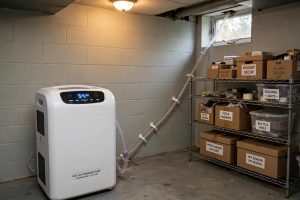
Whole-House Systems
Whole-house systems treat all water entering the home. They can reduce lead at every tap, shower, and bath. They are the most expensive option and usually need a professional to install. Some systems use special tanks of treatment media. Reviews from USA buyers note that whole-house units are best for homes with known lead service lines, where hot water and bathing water also matter.
Reverse Osmosis Systems
Reverse osmosis units fit under the sink. They produce very clean water and remove lead along with many other substances. The tanks store a few gallons of filtered water. Downsides include slower water production, some wasted water, and higher cost. They are a strong choice when the water has several problems at once, not just lead.
What to Look for When You Choose
Certification for Lead
Look for certification to NSF/ANSI Standard 53 for lead reduction, printed on the box or the maker data sheet. Some systems also meet NSF/ANSI 58 for reverse osmosis. Independent labs test the filter against the standard and check the maker’s claims. If a product lists no certification, set it aside. Major home improvement stores publish guides on reading these labels, which can help you compare models side by side.
Filter Life and Capacity
Check how many gallons the filter handles before it must be replaced. A pitcher filter may handle forty gallons. An under-sink cartridge may handle several hundred. Divide the capacity by your daily use to see how long it will last in your home. Reviews in the USA often complain when a cheap unit needs a new cartridge every month, so this number matters for the true cost.
Flow Rate
A filter that flows too slowly will annoy the whole household. Faucet and under-sink models usually state a flow rate in gallons per minute. Read reviews to see if owners find the flow acceptable in real use, because rated numbers can feel different in a kitchen.
Ease of Changing the Cartridge
Every filter wears out. When the media is full, the filter may stop removing lead and let it pass. Look for a model with an easy cartridge change and a built-in change light or timer. Plumbing product makers and faucet makers both stress that missed changes are the most common cause of poor filter performance.
Water Test Results
It is wise to test your own water before and after. Home test kits give a rough reading, and a certified lab gives an exact number. Keep the lab report. It tells you whether the filter is doing its job in your home with your water, which no review from another state can do.
Cost and Price
Lead removal filters cover a wide price range. A certified pitcher costs about twenty to fifty dollars, with replacement filters at five to fifteen dollars each. Faucet-mounted units cost thirty to eighty dollars, with new cartridges a few times a year.
Under-sink carbon or ion exchange systems cost one hundred to four hundred dollars for the unit, plus cartridge costs of fifty to one hundred and fifty dollars per year. Countertop models fall in the same range. Whole-house lead reduction systems cost one thousand dollars and up, not counting professional installation. Reverse osmosis systems cost two hundred to six hundred dollars for under-sink models, with yearly filter sets around one hundred dollars.
When you compare reviews, look at the yearly cost of ownership, not just the box price. A cheap unit with costly cartridges can be the most expensive choice over five years. A large hardware retailer often lists both the unit price and the yearly filter price on the same page, which makes this math easy.
Care and Upkeep
A lead removal filter needs regular care to stay effective. Change the cartridge on schedule, or sooner if the flow drops or the change light turns on. Write the change date on the cartridge with a marker so you do not have to guess later.
Keep the system clean. Wipe the outside of a pitcher each week and wash it with mild soap when you change the filter. For under-sink units, check the fittings for drips once a month. A small leak left alone can damage the cabinet floor.
If you have a reverse osmosis unit, learn how often to change its filters so the membrane stays protected. The pre-filters shield the costly membrane from chlorine and sediment, and late changes shorten the life of the whole system.
Test your filtered water once a year with a lab test, or right away if you notice a change in taste or flow. Keep a simple log of changes and test results in a kitchen drawer or a phone note. That log is useful if you ever need to check a warranty claim.
Safety
Filters make water safer, but they are not magic. First, know your plumbing. If your home has a lead service line, the most lasting fix is to replace the line. Plumbing guides explain how to check what your service line is made of, and many cities run replacement programs with low or no cost to the homeowner.
Second, use only cold water for drinking and cooking, because hot water dissolves more lead from pipes. Run the tap for thirty seconds to two minutes in the morning before you fill a glass, to flush water that sat in the pipes overnight.
Third, keep filters out of reach of small children if they contain small parts, and follow the maker start-up steps. New carbon filters need a flush of several gallons before first use, to wash out fine carbon dust. A popular filtration brand and fixture makers both publish plain start-up guides for their systems.
Fourth, remember that no filter removes lead from water it never touches. A kitchen filter does nothing for the bathroom tap. If a child drinks from many taps in the house, a whole-house approach or line replacement may be the safer plan.
FAQ
Do all water filters remove lead?
No. Many filters improve taste and odor but do nothing for lead. Only filters tested and certified for lead reduction can make the claim. Check the box for NSF/ANSI 53 or, for reverse osmosis, NSF/ANSI 58.
How do I know if my home has lead pipes?
Homes built before 1986 are the most at risk. You can scratch the pipe where it enters the house. Lead is dull gray and soft, and it leaves a mark when scratched with a key. Copper is the color of a penny. A magnet will not stick to lead. A home improvement magazine offers step-by-step guides for this simple check.
How often should I change the filter?
Follow the maker schedule, which is usually stated in gallons or months. A family that drinks a lot of water will reach the limit sooner than the calendar suggests. When in doubt, change it early. Late changes can let lead pass through.
Is bottled water safer than a lead filter?
Not always. Bottled water is regulated, but it is costly and creates plastic waste. A certified home filter gives safe water at a fraction of the price over a year. Lab tests of your filtered tap water can confirm it is working.
Can I install an under-sink filter myself?
Many owners can. The job needs a wrench, a drill for the dispenser hole in some sinks, and care with the water shutoff valves. If your plumbing is old or the space is tight, a plumber can do it in about an hour. What a plumber charges for common jobs can guide your budget if you hire help.
Should I replace my pipes instead of buying a filter?
If you have a lead service line, replacement is the best long-term answer. Filters are an excellent step while you wait. Replacing old pipes is a major project, so a certified filter protects your family in the meantime.
A Final Word
Choosing the best filter for lead removal does not have to be confusing. Start with a water test, pick a certified filter that fits your kitchen and your budget, change the cartridge on time, and test again each year. Reviews from USA homeowners agree on these basics even when they disagree on brands. Clean, lead-free water from your own tap is a goal well within reach, and the plain steps in this guide will get you there.
References
Aquasana. (n.d.). Water filtration systems. https://www.aquasana.com Delta Faucet. (n.d.). Kitchen and bathroom faucets. https://www.deltafaucet.com Family Handyman. (n.d.). DIY home repair and maintenance. https://www.familyhandyman.com Kohler. (n.d.). Bathroom and kitchen fixtures. https://www.kohler.com Lowe’s. (n.d.). Home improvement products. https://www.lowes.com Moen. (n.d.). Faucets and plumbing fixtures. https://www.moen.com The Home Depot. (n.d.). Home improvement products. https://www.homedepot.com This Old House. (n.d.). Home renovation guidance. https://www.thisoldhouse.com U.S. Environmental Protection Agency. (n.d.). Protecting human health and the environment. https://www.epa.gov
Was this guide helpful?

About Lisa Anderson
The My Garden US editorial team writes practical, in-depth home and garden guides for American homeowners — tested advice, no fluff.
You May Also Like

Septic System Installation Cost for 3 Bedroom Homes
September 18, 2026 0 views
Renter Friendly Water Filter Options USA: A Simple Guide
April 21, 2026 0 views
Best Faucet Water Filter Reviews 2026 USA
July 25, 2026 0 views