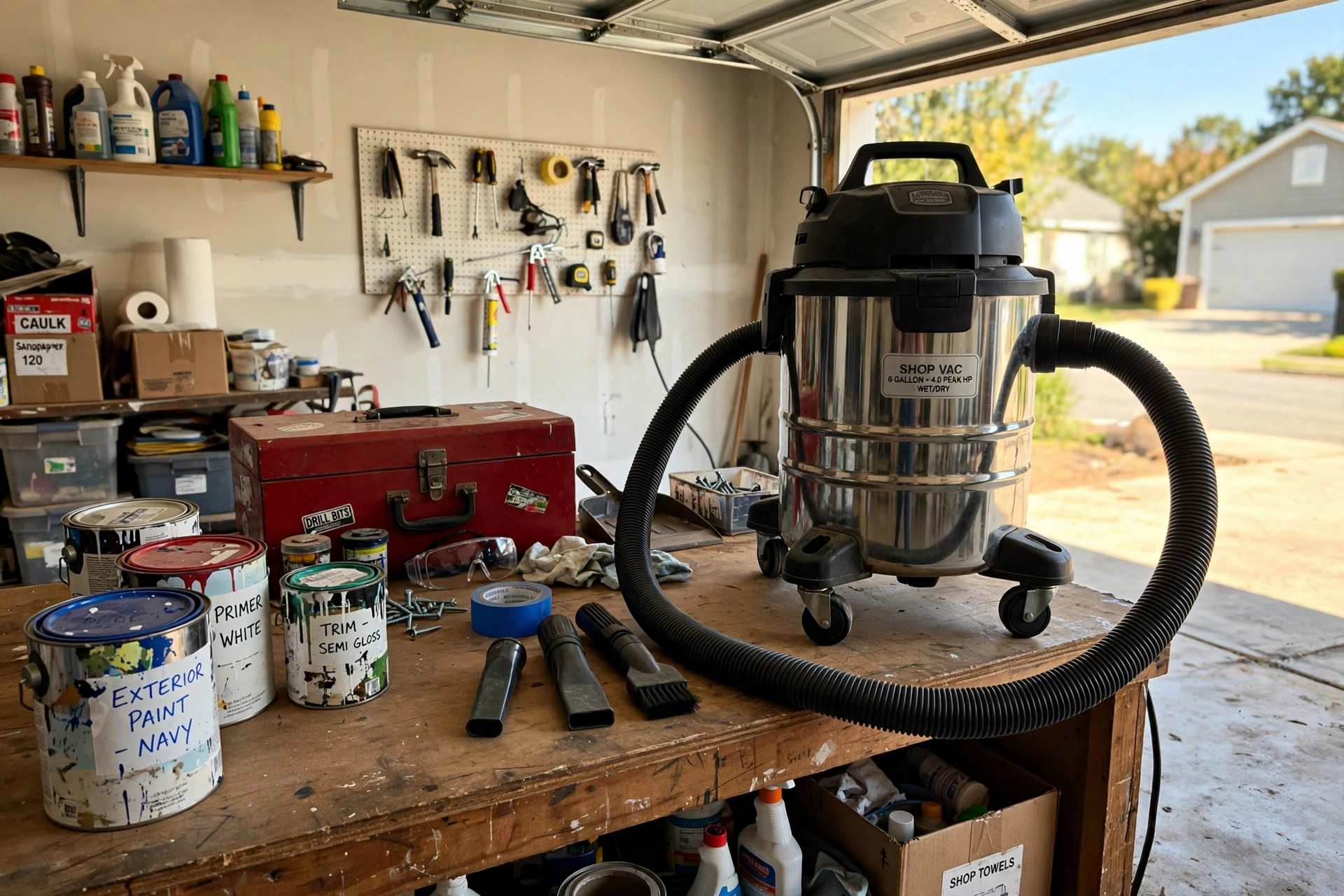

A garage flood. A workshop full of sawdust. A car trunk with spilled coffee. These are the jobs a small home vacuum cannot handle. That is where affordable wet dry shop vacuums with free shipping come in. They are built to pick up water and dry dirt with the same machine. They cost far less than many owners expect. And when the seller ships them free to your door, the real cost stays as low as the sticker price.
Many shoppers put off buying one because they think good models are costly. The truth is more kind. A solid wet dry vacuum can be had for a modest price, and free delivery on home goods removes the last barrier. This guide walks you through what matters, what to ignore, and how to pick a model that lasts.
Why a Wet Dry Shop Vacuum Matters
A wet dry shop vacuum is the hardest working tool in many American homes. It serves the garage, the basement, the workshop, and the driveway. Where a regular house vacuum sucks up crumbs and pet hair, a shop vacuum handles bigger and messier work.
Wet pickup is the main reason people buy one. A leaking water heater, a backed-up sump, or a spill in the utility room can soak a floor in minutes. A wet dry vacuum moves that water fast. Dry work is the other half. Sawdust from a miter saw, drywall dust after a repair, leaves tracked into the garage — the machine takes it all. Owners who do regular home upkeep find that one good shop vacuum does the work of three smaller tools.
Affordable models do all of this without the high price of pro-grade units. The key is knowing which features truly matter and which ones are just sales talk.
What to Look For When You Choose: Affordable Wet Dry Shop Vacuums with Free Shipping
Buying a wet dry shop vacuum is simple if you keep five points in mind. Power, tank size, filter type, hose length, and build quality. Everything else is secondary.
Power and Suction
Shop vacuums are rated in peak horsepower, not true running power. A number like 4.0 or 6.0 peak horsepower looks strong on the box. Independent product testing has long noted that peak figures can mislead, so look also at the motor wattage and the sealed suction rating if the maker lists it. For home use, a model with 3 to 5 peak horsepower handles nearly every task. More power pulls up water faster and moves heavy chips without choking.
Tank Size
Tanks run from about 3 gallons to over 16 gallons on home models. A small 4 or 5 gallon tank is easy to carry and easy to store. A 10 to 16 gallon tank holds much more, which means fewer trips to dump it. But big tanks get heavy fast when they are full of water. For most homes, an 8 to 12 gallon tank is the sweet spot. It holds enough for a flooded laundry room but still fits under a workbench.
Filter Type and Quality
The filter decides what stays out of your air. A basic paper filter catches coarse dust. A fine dust filter or a HEPA-style cartridge catches much smaller particles, which matters when you vacuum drywall dust or fireplace ash. Many owners keep two filters: a foam sleeve for wet work and a cartridge for dry work. Swap the foam sleeve in before you pick up water, because a wet paper cartridge can fail. Guides to home filtration choices explain why fine filters matter for indoor air.
Hose, Cord, and Accessories
A hose of 6 to 10 feet reaches around a car or across a garage. A 20-foot power cord reaches across most rooms without moving the machine. Look for a kit with at least a crevice tool, a floor nozzle, and a utility nozzle. Tool holders molded into the tank top keep attachments from getting lost. A drain plug at the tank bottom saves your back when you empty water.
Build and Wheels
Cheap plastic wheels crack on rough garage floors. Look for sturdy casters and a stable base. A stainless steel tank resists rust and dents better than plain plastic, and many affordable models now offer it. Check the lid latches too. Weak latches let the lid pop loose when the tank is full.
Types and Options
Wet dry shop vacuums come in several forms. Each suits a different kind of home.
Standard canister models are the common choice. A tank sits on wheels, a motor lid locks on top, and a wide hose plugs into the side. They range from small 3-gallon units to large 16-gallon workhorses. These are the models most often sold as affordable wet dry shop vacuums with free shipping, because they are compact enough to box and ship easily.
Wall-mount models hang on a garage wall and hold 4 to 5 gallons. They save floor space and keep the vacuum out of the way. They suit small shops and tight garages.
Portable handheld wet dry models are small units for quick spills. They hold under a gallon. They are fine for car trunks and small jobs but no replacement for a full shop vacuum.
Stainless steel versus plastic tanks is a common choice. Steel tanks look sharp and resist damage. Plastic tanks weigh less and never rust. At the affordable end, both serve well. Pick based on weight and the price you find.
Corded versus cordless is the last split. Cordless models run on tool batteries and offer freedom of movement, but they cost more and run for limited time. Corded models give full power all day and cost less. For a budget buyer, corded is the wiser pick.
Cost and Price
This is where careful shoppers win. A basic 4-gallon wet dry vacuum often sells for a very small sum. A mid-size 8 to 12 gallon model with a good filter set costs a moderate amount. Pro-grade stainless units with large tanks cost more, but even those fall within reach of many home budgets when bought on sale.
Free shipping matters more than many buyers think. A shop vacuum is bulky. Freight charges can add a large sum to the bill. Sellers who ship free effectively cut the price. When you compare models, always compare the delivered price, not the bare sticker price. A slightly higher sticker with free shipping often beats a lower sticker that adds a freight fee at checkout.
Watch for holiday sales, clearance events, and bundle deals. Retailers often discount last season’s models when new stock arrives. Buying in the off season, such as late winter, can bring the best prices on garage gear. For price comparison tips on vacuum cleaners, general home sites carry helpful buying guides.
Before you buy, read a full wet dry shop vacuum review and buying guide to see how popular models stack up on suction and noise. If you live out west, our notes on how to buy wet dry shop vacuums online in Arizona cover delivery and retailer options there. And if fine dust is your main concern, an affordable HEPA vacuum buying guide will help you compare filtration claims.
Care and Upkeep
A shop vacuum lasts many years with simple care. Clean or shake out the filter after dry jobs. Rinse the tank and foam sleeve after wet jobs, and let both dry fully before you store the machine. A damp tank stored closed will grow mold. Wipe the hose and check for clogs now and then. A blocked hose kills suction and strains the motor.
Store the vacuum in a dry spot. The garage is fine if the lid seals well. Keep filters on a shelf, not inside a damp tank. Replace worn filters when suction drops even after cleaning. Small parts like caster wheels and drain plugs can be replaced cheaply through hardware retailer parts pages. Regular family-level handyman upkeep routines, such as checking cords for cuts, keep the machine safe and ready.
Safety
Water and electricity are a poor mix. Shop vacuums are built for wet work, but the user must still follow rules. Always swap in the foam sleeve or the correct wet filter before picking up liquid. Never vacuum flammable liquids like gasoline or paint thinner. The motor can spark and ignite fumes. Never vacuum hot ash from a fireplace unless the ash is fully cold and you use a dedicated ash filter, because embers can smolder for hours.
Unplug the machine before you open the lid or change filters. Keep the cord away from the wet area when you work. Do not let children operate the vacuum alone. If the motor smells hot or the tank seal leaks, stop and fix the fault. Safe practice is the same advice home safety experts give for all power tools: read the manual, respect the limits, and store the tool dry.
For heavier shop skills, project guides from seasoned builders show how a shop vacuum fits into safe dust control when you cut wood or sand drywall.
Frequently Asked Questions
Can I really get a good wet dry shop vacuum at an affordable price? Yes. Affordable wet dry shop vacuums with free shipping are common at large home retailers. The low-cost models handle home floods, sawdust, and garage dirt well. You pay more for bigger tanks, stainless steel, and brand names, but the basic machines clean just as hard.
Is free shipping really free, or is the cost hidden in the price? Honest sellers ship free as a service perk. Compare the delivered price against the store price to be sure. In most cases, a bulky tool like a shop vacuum costs a lot to ship, so free shipping is a real saving.
What size tank should a first-time buyer choose? An 8 to 12 gallon tank suits most homes. It handles a real water job without endless dumping, yet it is still easy to store. If you own a small apartment with no garage, a 4 or 5 gallon model is enough.
Do I need a HEPA filter in my shop vacuum? It helps when you vacuum fine dust, such as drywall or plaster dust. A standard filter lets fine particles blow back into the room. If you do home repair work, the upgrade is worth it.
Can a wet dry vacuum replace my regular house vacuum? Not quite. Shop vacuums are loud and bulky for daily carpet work. They are best as a second vacuum for the garage, basement, and workshop. They shine on messes a house vacuum cannot touch.
How long does a shop vacuum last? With basic care, many years. Motors are simple and tanks are tough. The filters and hoses wear first, and both are cheap to replace. Store it dry and it will serve you for a decade or more.
A Final Word
An affordable wet dry shop vacuum with free shipping is one of the smartest buys a homeowner can make. It turns floods, spills, and sawdust from disasters into ten-minute jobs. Keep your eye on tank size, filter quality, and the delivered price. Pick a model that fits your space and your work. Then keep it clean and dry, and it will be ready the day you need it most.
References
Bob Vila. (n.d.). Home improvement advice. https://www.bobvila.com Consumer Reports. (n.d.). Product reviews and ratings. https://www.consumerreports.org Family Handyman. (n.d.). DIY home repair and maintenance. https://www.familyhandyman.com Good Housekeeping. (n.d.). Product reviews and home advice. https://www.goodhousekeeping.com Lowe’s. (n.d.). Home improvement products. https://www.lowes.com The Home Depot. (n.d.). Home improvement products. https://www.homedepot.com The Spruce. (n.d.). Home and garden advice. https://www.thespruce.com This Old House. (n.d.). Home renovation guidance. https://www.thisoldhouse.com U.S. Environmental Protection Agency. (n.d.). Protecting human health and the environment. https://www.epa.gov
Was this guide helpful?

About Jennifer Lee
The My Garden US editorial team writes practical, in-depth home and garden guides for American homeowners — tested advice, no fluff.
You May Also Like

Professional Grade Gutter Cleaning Tools Buying Guide
February 9, 2026 0 views
Budget Friendly Pet Odor Eliminator Sprays for Sale: A Simple Guide for Pet Owners
February 18, 2026 0 views
Dust Mite Mattress Covers Reviews and Buying Guide
March 22, 2026 0 views