
A Prairie in Your Own Yard
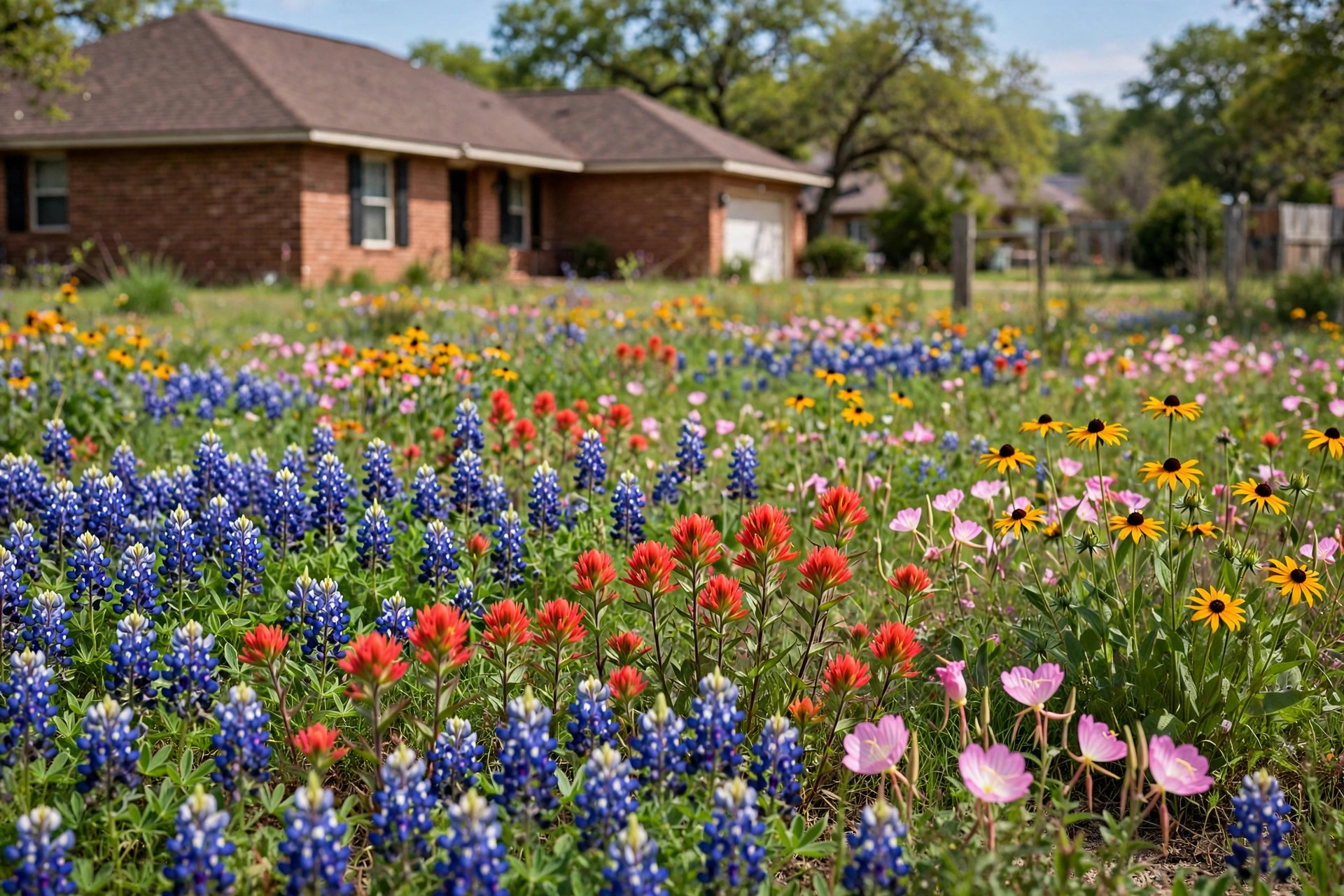
A bag of wildflower seed mixes Texas homes USA can turn a plain lawn into a small prairie. Texas wildflowers are known far and wide. Bluebonnets line the highways in spring. Indian paintbrush and pink evening primrose fill the fields. These same flowers can grow at home. A seed mix made for Texas gives you many kinds in one bag. You scatter the seed, rain does much of the work, and by spring you have color that needs little care.
This guide explains what these mixes are, how to choose one, and how to plant it. It covers cost, care, and safety. It answers the questions Texas home owners ask most. By the end you will know how to pick a mix that fits your soil, your sun, and your county.
Why Texas Homes Choose Wildflower Mixes: Wildflower Seed Mixes Texas Homes Usa
Texas is hard on lawns. Summer heat is long. Rain is not sure. Many towns limit lawn watering. A wildflower mix asks for less than turf grass. Once it is set, it lives on rainfall. The plants in a good mix grew wild in Texas for ages. They are used to hot summers and thin soil.
A mix also feeds bees and butterflies. Monarch butterflies cross Texas each fall and spring. They need nectar along the way. Wildflowers give it. Home owners who plant native blends often see more birds too. Seed heads feed finches in late summer.
There is beauty in it as well. A patch of bluebonnets and Indian blanket is a sight. It gives a home a look that fits the land. Many Texas buyers love this style. It says the home belongs to the place.
Cost is part of the story. Seed is cheap when you weigh it against sod or new turf. One bag can cover a large area. You trade a weekend of work for years of bloom.
What to Look for in a Mix
Not every bag on the shelf suits Texas. Some mixes are made for the whole nation. They may hold seeds that cannot take Texas heat. A mix made for the South or for Texas itself is a better bet. If you want help picking, see our wildflower seed mixes buying guide for the basics.
Native vs. Regional Blends
Native Texas blends hold flowers that grow wild in the state. Bluebonnet, Texas bluebell, black-eyed Susan, and winecup are common. These plants fit the soil and the climate. They reseed on their own. Regional blends for the South Plains or the Gulf Coast may also work. Read the seed list on the bag. It should name each flower. A good bag names at least a dozen kinds. Avoid bags that say “mixed wildflowers” and nothing more. You do not know what you are planting.
Check the share of each kind. Some bags are mostly filler. Grass seed or cheap annuals may fill half the weight. A quality mix lists the percent of each seed. The Old Farmer’s Almanac has planting notes that help you read seed lists with care.
Read the Label
A seed label tells you more than the front of the bag. Look for these facts:
– Pure seed percent. This is how much of the bag is real seed. – Germination rate. This says how much seed will sprout. Good flower seed tests above 70 percent. – Weed seed percent. This should be near zero. Weed seed in the bag means weeds in your yard. – Inert matter. This is dust and chaff. A little is normal. – Date tested. Fresh seed grows better. Buy bags tested within the last year.
Seeds that are coated with clay or lime weigh more per bag. Coating is normal for small seed. It helps the seed spread even. It does not hurt germination. The label will note the coating.
You can find trusted seed brands and growing tips at Burpee and Park Seed, two long-time American seed houses.
Types of Wildflower Seed Mixes
Mixes fall into three broad kinds. Each has its own use. Many Texas home owners plant more than one kind in different spots.
Annual Mixes
Annual wildflowers grow, bloom, and die in one year. Bluebonnets are a famous Texas annual. So are Indian paintbrush and plains coreopsis. Annual mixes give fast color. You plant in fall and see blooms by spring. The price is low. The weak point is clear. You must replant each year unless the flowers reseed well. In a good spot many do reseed. Leave the dead heads on the stems in May. Seeds drop to the soil. Some will sprout the next fall.
Annual mixes suit renters and new home owners. They suit anyone who wants quick color for one season. They are also good for a first test. Plant a small patch. See what grows in your soil. Then plan a larger bed.
Perennial Mixes
Perennial wildflowers live more than two years. Purple coneflower, black-eyed Susan, and Maximilian sunflower are Texas perennials. These mixes cost more per pound. They also give more over time. The first year may be thin. Perennials put energy into roots. By the second year the bed fills in. From then on it needs little work.
Perennial mixes suit home owners who want a lasting bed. They are best where you will not mow often. A back corner, a side strip, or a slope works well. Mix perennials with a few annuals for first-year color. The annuals bloom while the perennials get set.
Grass-and-Flower Blends
These blends add native grass seed to the flower mix. Buffalo grass, sideoats grama, and little bluestem are common Texas choices. If you need a larger meadow, pair your flowers with native grass seed; our native grass seed buying guide explains how to choose it. Grass holds the soil. It fills the gaps between flowers. The result looks like true Texas prairie.
Blends with grass need less care than flowers alone. Grass roots run deep. They find water in dry months. The blend also stands up to wind. One caution: grass can crowd out small flowers in rich soil. In poor Texas soil this is less of a problem. Keep the grass share near 50 percent or less of the mix by weight.
For plant research and growing guides, Gardening Know How and The Spruce both keep large free libraries on wildflowers and native plants.
When and How to Plant in Texas
Timing matters more than most home owners think. In Texas, fall is the season. Plant from late September through November. Seeds sit in cool soil through winter. Winter rain wakes them. Spring warmth brings the bloom. Planting in spring is possible in East Texas, but fall is better across most of the state. Seeds planted in spring may miss the cold spell some kinds need.
Pick a sunny spot. Most wildflowers want six hours of sun or more. Remove the old grass first. You can mow it short, cover it with black plastic for a few weeks, or till lightly. Do not till deep. Deep tilling brings weed seeds to the surface. A light raking is enough.
Scatter the seed by hand. Mix the seed with sand or dry sawdust. This helps you spread it even. Aim for the rate on the bag. A common rate is 4 to 8 pounds per acre for pure flower mixes, or about 10 to 20 pounds per 1,000 square feet for small home plots when mixed with a carrier. Do not bury the seed deep. Press it into the soil with a roller or walk over it. Most wildflower seed needs light to sprout. A thin dusting of soil is fine. Burying it an inch deep will stop many kinds.
Water after planting if the soil is dry. Then let fall rain take over. In a dry fall, water once a week until winter rains start. After that, nature does the job. The National Institute of Food and Agriculture supports research on native plants and water-wise yards across the United States.
Cost and Price
Wildflower seed is one of the cheapest ways to plant a large area. Prices move with the mix and the seller. Here is what Texas home owners can expect:
– Small packets (under 1 ounce): 3 to 6 dollars. Good for a test patch or a small bed. – Quarter pound to one pound bags: 10 to 30 dollars. This covers a few hundred square feet. – Five to ten pound bags: 60 to 150 dollars. This covers a large yard or a small field. – Bulk 25 pound bags: 200 to 400 dollars. This is for acreage.
Native Texas mixes cost more than generic national mixes. The seed is harder to grow and harvest. It is worth the extra money. Generic mixes often hold flowers that fail in Texas heat. You save a few dollars and lose the whole planting.
Buy seed by weight, not by bag size. Compare the price per pound. Check the pure seed percent too. A cheap bag that is half filler costs more per true seed than a dear bag that is pure. Shop around in fall when stock is fresh. When you are ready to buy, see our wildflower seed mixes for sale page for current options. Gurney’s is another old American seed seller with a wide wildflower line.
Care and Upkeep
Wildflowers ask for little, but they are not care-free. The first season needs the most help.
Watering. Water new seed if rain does not come. Once plants are up and growing, cut back. By the second year most Texas mixes need no added water except in hard drought. Too much water hurts more than too little. It feeds weeds and rots roots.
Weeds. Weeds are the main enemy. Walk the bed in the first spring. Pull weeds while they are small. Learn what your flower seedlings look like so you do not pull them by mistake. A photo guide helps. Do not use weed killer on a new bed. It will kill the flowers too.
Mowing. Do not mow in spring while flowers bloom. Let the plants make seed. In June or July, after seed heads turn brown, mow the bed to about six inches. This drops ripe seed to the soil. It also keeps the bed tidy. One mowing a year is enough. Some home owners mow twice: once in mid-summer and once in late fall.
Reseeding. Even good beds thin out in spots. Each fall, scatter a little fresh seed on bare patches. Scratch the soil lightly first. This keeps the bed full year after year.
Fertilizer. Skip it. Most Texas wildflowers like poor soil. Fertilizer feeds weeds and makes flowers grow tall and weak. If your soil is very poor sand, a thin layer of compost at planting is enough.
Proven Winners and Monrovia publish care notes that apply to many of the same plants found in seed mixes.
Safety
Wildflower seed is safe to handle, but a few points deserve care.
Seed coatings. Some seed is coated with clay, lime, or fungicide. The bag will say so. Wash your hands after planting coated seed. Keep it away from food and dishes.
Children and pets. Most wildflower seeds are not a poison risk, but they are not food. Teach children not to eat seeds from the bag. Some flowers, like larkspur, have parts that can upset the stomach if eaten. Dogs may dig in fresh beds. A light fence or row cover keeps paws out until plants are set.
Treated seed. A few sellers sell seed treated with insecticide. The label must state this. Treated seed can harm bees. For a pollinator bed, buy untreated seed. Ask the seller if the label is not clear.
Invasive kinds. A mix made for Texas should hold no invasive plants. Still, check the seed list. If you see a plant known to spread hard in your county, skip that bag. Your county extension office can name local problem plants.
Dust. Seed dust can bother lungs. Do not breathe clouds of dust when pouring dry seed. Work upwind. A simple dust mask is enough on a windy day.
Frequently Asked Questions
When should I plant wildflower seed mixes in Texas? Plant in fall, from late September through November. Fall planting lets seed rest in cool soil over winter. Spring blooms follow. Spring planting works in East Texas but gives weaker results in most of the state.
How much seed do I need for my yard? For a home bed, plan on 1 to 2 ounces of pure flower mix per 100 square feet. A quarter-pound bag covers about 400 to 800 square feet. For an acre, most labels call for 4 to 8 pounds of pure flower seed, or more if grass seed is in the blend. Always follow the rate on your bag.
Will the flowers come back every year? Annuals come back only if they reseed. Leave dead heads on the stems until seed drops. Perennials come back from their roots each year. A mix of both gives color now and staying power later.
Do wildflowers need fertilizer or rich soil? No. Most Texas wildflowers grow best in plain or even poor soil. Fertilizer grows weeds and weak stems. A thin layer of compost at planting is all most beds need.
How do I keep weeds out of a new wildflower bed? Start with clean ground. Remove old grass before you seed. Pull weeds by hand in the first spring while they are small. Do not use weed killer on the bed. After the first year, thick flowers shade out most weeds on their own.
A Final Word
A wildflower bed is a small act of faith. You scatter tiny seeds in fall and trust the rain and the sun. Texas pays that faith back with bluebonnets, paintbrush, and gold. Start with a small patch this fall. Learn your soil. Then grow the meadow you want. Your yard, your bees, and your water bill will all be better for it.
References
Burpee. (n.d.). Seeds, plants, and gardening supplies. https://www.burpee.com Gardening Know How. (n.d.). Gardening guides and plant care. https://www.gardeningknowhow.com Gurney’s Seed & Nursery Co. (n.d.). Seeds, plants, and garden supplies. https://www.gurneys.com Monrovia. (n.d.). Plants for home gardens. https://www.monrovia.com National Institute of Food and Agriculture. (n.d.). Agricultural research and extension. https://www.nifa.usda.gov Park Seed. (n.d.). Seeds, plants, and gardening supplies. https://www.parkseed.com Proven Winners. (n.d.). Plants and gardening inspiration. https://www.provenwinners.com The Old Farmer’s Almanac. (n.d.). Gardening calendars and advice. https://www.almanac.com The Spruce. (n.d.). Home and garden advice. https://www.thespruce.com
Was this guide helpful?

About Emily Rodriguez
The My Garden US editorial team writes practical, in-depth home and garden guides for American homeowners — tested advice, no fluff.
You May Also Like
Tulip Bulbs Fall American Homes Guide: Planting for a Brighter Spring
July 28, 2026 0 views
Garlic Bulbs Planting Deals Near Me: How to Find Seed Garlic at a Good Price
April 22, 2026 0 views
Onion Sets Planting: Where to Buy Them in the USA
June 20, 2026 0 views