
Why the Right Scissors Matter for Roses
Every rose bush in an American yard needs a trim. Gardeners cut old stems, dead flowers, and weak growth. The tool they hold in the hand makes all the difference. Finding the best garden scissors for pruning roses is not a matter of brand loyalty. It is a matter of clean cuts, healthy plants, and hands that do not tire.
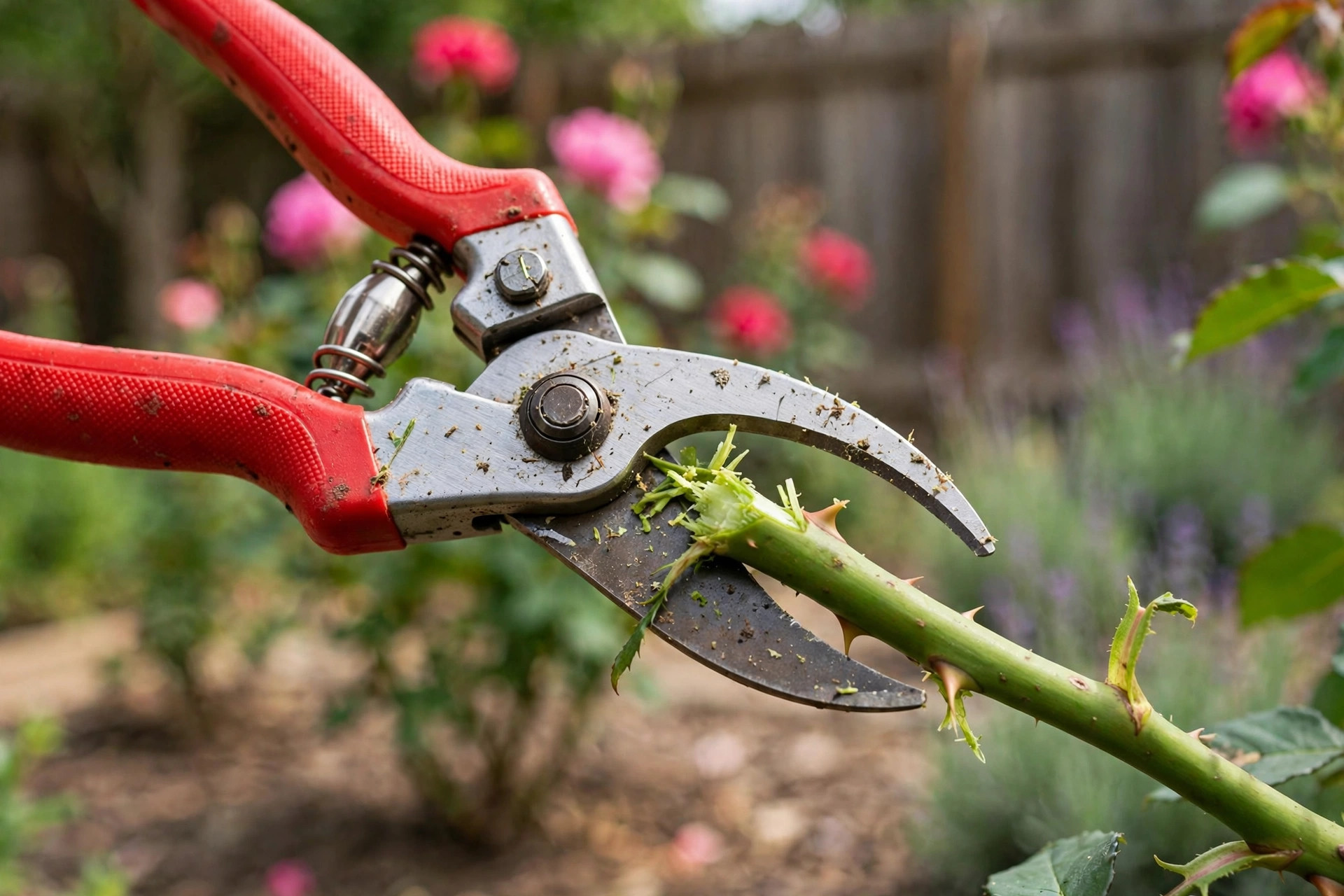
A rose stem is wood, not soft green tissue. A dull pair of scissors crushes it. A crushed stem heals slowly and invites disease. A sharp pair cuts it clean, like a surgeon. The plant closes the wound fast and grows stronger. This is why choosing the best garden scissors for pruning roses pays off season after season.
Roses also bite. Thorns catch fingers and sleeves. The right scissors keep the hands at a safe distance. A good pair lets the gardener reach deep into the bush without pushing the arm into the thorns. Comfort matters too. A long pruning session can last an hour. Handles that fit the hand reduce strain.
This guide walks through the choice step by step. It covers what to look for, the main types, what they cost, how to care for them, and how to use them safely. The advice is plain and tested by long experience.
How to Choose the Best Garden Scissors for Pruning Roses
Blade Type: Bypass or Anvil
The first choice is the blade design. Bypass scissors work like paper scissors. Two curved blades pass each other. They make a clean cut on living wood. For roses, bypass is the standard choice. It cuts stems up to three quarters of an inch without crushing.
Anvil scissors have one sharp blade that closes on a flat plate. They suit dead, dry wood better. On live rose stems, the anvil can bruise the tissue. Most rose growers pick bypass for the main pruning work and keep an anvil pair for dead stems only.
Blade Material
Steel makes the difference between a tool that lasts one season and one that lasts twenty years. High carbon steel takes a keen edge and holds it well. It can rust if left wet, so it needs oil. Stainless steel resists rust but is harder to sharpen to a fine edge. Many quality tools use carbon steel with a non-stick coating to protect against rust and sap.
Handle Comfort and Size
Hands come in different sizes. A good pair of scissors fits the hand that holds it. Handles with soft grips reduce blisters. A locking latch keeps the blades closed in the pocket or tool belt. Some models come in small, medium, and large. Gardeners with small hands should test before buying. A tool that is too large tires the hand fast.
Look at the spring action too. A wire spring between the handles opens the blades after each cut. It should work smooth and quiet. A stiff spring causes hand cramps after a dozen cuts.
Cutting Capacity
Most garden scissors handle stems up to half an inch thick. Heavier pairs cut up to three quarters of an inch. Rose canes vary. Old garden roses grow thick canes near the base. A pair that cuts only thin stems will not serve for the main spring pruning. Check the rated cutting capacity before buying. When in doubt, pick the stronger tool.
Types of Garden Scissors for Rose Pruning
Bypass Pruning Shears
This is the workhorse. Two sharp blades slide past each other and snip live wood cleanly. Bypass shears are the closest match to the idea of the best garden scissors for pruning roses. They suit daily deadheading and seasonal pruning alike. For more on this close relative, see our guide to best pruning shears for rose bushes.
Flower Snips
Flower snips are small, light, and precise. They trim thin stems, cut dead flowers, and shape new growth. They do not handle thick canes. Many rose growers carry snips in a pocket for quick deadheading and keep the heavy shears on the belt for real pruning.
Long-Reach Pruners
Some roses grow tall. Climbers reach ten feet and more. Long-reach pruners have extended handles that cut canes at a distance. They reduce ladder work and keep the body away from thorns. They are slower to use, so they serve as a second tool, not the main one.
Ratchet Pruners
A ratchet mechanism cuts in stages. Each squeeze of the handles moves the blade a little deeper. This design helps hands that lack strength. It cuts thick rose canes with less effort. The trade is speed. Ratchet pruners work slowly and do not suit fast, repeated cuts.
What the Best Garden Scissors for Pruning Roses Cost
Prices vary widely. A basic pair of bypass scissors costs between ten and twenty dollars. These cut well for a season or two. Mid-range pairs cost between twenty-five and fifty dollars. They use better steel, hold an edge longer, and feel kinder in the hand. Most home rose growers land in this range.
Professional models cost fifty to one hundred dollars or more. They use forged steel, replaceable parts, and fine adjustment screws. A pair that costs seventy dollars can last twenty years with care. That makes it cheaper over time than buying a cheap pair every two years.
Spare blades and springs add to the long-term value. Brands that sell replacement parts extend the life of the tool. Fiskars and Corona Tools both offer widely available replacement parts through their homepages. Retailers such as Home Depot and Lowe’s carry the full range of prices in store, so gardeners can hold the tool before buying.
The cost of upkeep is small. A sharpening stone costs a few dollars. A bottle of camellia oil costs less than ten. These supplies keep any pair cutting well for years.
When and How to Prune Roses With Garden Scissors
Spring Pruning
In most of the country, the main pruning happens in early spring, when the forsythia blooms or the leaf buds swell. Cut out dead wood first. It is brown and dry inside. Then remove crossing canes that rub each other. Finally, shape the bush. Cut each cane back to an outward-facing bud, about a quarter inch above it. Make the cut at a slight angle so water runs off.
Deadheading Through Summer
After each bloom fades, snip it off. Cut back to the first leaf with five leaflets. This simple habit keeps the plant producing flowers instead of seed hips. A pair of light snips makes this pleasant work. It takes only a few minutes each week.
Fall Cleanup
In autumn, trim long canes that whip in the wind. Remove fallen leaves from around the bush. Diseased leaves on the ground spread trouble next spring. Put them in the trash, not the compost. Heavy pruning waits for spring.
Care and Upkeep of Your Garden Scissors
Clean After Every Use
Rose sap is sticky. It glues the blades and dulls the cut. After each session, wipe the blades with a cloth dampened with warm soapy water. Dry them at once. Never leave the tool wet. For a full routine, our guide on how to sharpen garden tools properly covers stones, angles, and schedules in plain detail.
Sharpening
Even the best garden scissors for pruning roses grow dull. Sharpen the blades once or twice a season. A fine diamond file or a small sharpening stone does the job. Follow the factory bevel. Draw the file across the edge in one direction only. Test on a scrap stem. The cut should feel smooth, not crunchy.
Family Handyman publishes clear step-by-step guidance on sharpening hand tools at home. This Old House also covers tool care in its garden sections with plain, practical advice.
Oil and Storage
A drop of light oil on the pivot keeps the action smooth. Wipe a thin film of oil on the blades before storing them for winter. Hang the scissors or keep them in a dry tool belt. A leather sheath protects the edge and the hand. Never store them open or loose in a box with other tools, where the edge chips against metal.
Disinfect Between Bushes
Roses pass disease from plant to plant on dirty blades. Black spot, canker, and mildew travel this way. Wipe the blades with rubbing alcohol or a ten percent bleach solution when moving from one bush to the next. This takes ten seconds and saves whole plants. Gardener’s Supply Company sells handy tool cleaning kits designed for this purpose.
Safety Tips for Pruning Roses
Wear Thorn-Proof Gloves
Thorns tear skin. Gauntlet-style gloves cover the forearm as well as the hand. They let the gardener reach into the bush with confidence. For a full look at hand protection, read our review of best garden gloves for thorn protection.
Protect the Eyes
A snapped cane can whip toward the face. Safety glasses or sunglasses prevent eye injury. This is simple and too often skipped.
Lock the Blades
Always engage the safety latch when the scissors are not in the hand. A sharp blade in a pocket cuts through cloth and skin. Keep the tool locked and sheathed between cuts when walking around the yard.
Mind the Body Position
Stand steady. Never cut above shoulder height with one hand while balancing on a ladder. For tall climbers, use long-reach pruners or call for help. Keep the free hand behind the blade path. Cut away from the body, not toward it.
Keep Tools Away From Children
Store garden scissors out of reach. Even a dull pair can injure a child. A locked shed or high shelf is the right place.
FAQ: Best Garden Scissors for Pruning Roses
Can I use regular household scissors on roses?
No. Household scissors bend and dull on woody stems. They crush the cane instead of cutting it. Use proper garden scissors with a bypass blade made for live wood.
What is the difference between garden scissors and pruning shears?
The terms overlap. Pruning shears usually means the one-hand bypass tool used for roses and shrubs. Garden scissors can mean the same thing or lighter snips for flowers and herbs. For rose canes, choose true pruning shears with a strong bypass blade.
How often should I sharpen my rose pruning scissors?
For a home garden with a dozen rose bushes, sharpen twice a season. Professionals who prune daily sharpen weekly. If the cut starts to feel crunchy or the blade leaves ragged edges, it is time.
Are expensive pruning scissors worth the money?
Often, yes. A fifty-dollar pair with forged steel and replaceable parts can serve for decades. Cheap pairs dull fast and cannot be repaired. The cost per year of a good pair is lower than replacing cheap ones. Consumer Reports tests hand tools for durability and value, which helps buyers compare.
Can I prune roses with anvil pruners?
Anvil pruners suit dead wood. For live rose canes, bypass is better. The anvil crushes living tissue and slows healing. Keep an anvil pair for dead stems and use bypass for everything alive.
How do I remove sap from the blades?
Rub the blades with a cloth soaked in warm soapy water, then dry them. For heavy buildup, use rubbing alcohol or a citrus-based cleaner. Oil the blades lightly afterward. The Spruce and Bob Vila both offer practical cleaning guides for garden hand tools. Seed and plant advice from Burpee rounds out the care side of rose growing.
A Final Word
The best garden scissors for pruning roses are sharp, strong, and comfortable. Bypass blades cut clean. Good steel holds an edge. Handles that fit the hand make the work a pleasure instead of a chore. Spend a little more, keep the blades clean and sharp, and the tool will serve for many seasons. The roses will thank the gardener with strong growth and full blooms.
References
Bob Vila. (n.d.). Home improvement advice. https://www.bobvila.com Burpee. (n.d.). Seeds, plants, and gardening supplies. https://www.burpee.com Consumer Reports. (n.d.). Product reviews and ratings. https://www.consumerreports.org Corona Tools. (n.d.). Garden and landscape tools. https://www.corona-tools.com Family Handyman. (n.d.). DIY home repair and maintenance. https://www.familyhandyman.com Fiskars. (n.d.). Garden and cutting tools. https://www.fiskars.com Gardener’s Supply Company. (n.d.). Gardening tools and supplies. https://www.gardeners.com Lowe’s. (n.d.). Home improvement products. https://www.lowes.com The Home Depot. (n.d.). Home improvement products. https://www.homedepot.com The Spruce. (n.d.). Home and garden advice. https://www.thespruce.com This Old House. (n.d.). Home renovation guidance. https://www.thisoldhouse.com
Was this guide helpful?

About Jennifer Lee
The My Garden US editorial team writes practical, in-depth home and garden guides for American homeowners — tested advice, no fluff.
You May Also Like

Raised Bed Corners for Easy Assembly: Build a Sturdy Garden Bed in an Afternoon
August 16, 2026 0 views
Best Garden Sprayer for Indoor Plants: A Complete Buyer’s Guide
September 2, 2026 0 views
The Best Garden Hand Tools for Seniors: Comfort and Control in the Yard
February 23, 2026 0 views