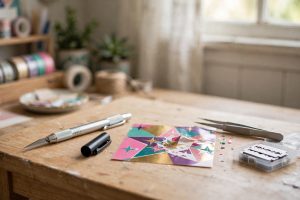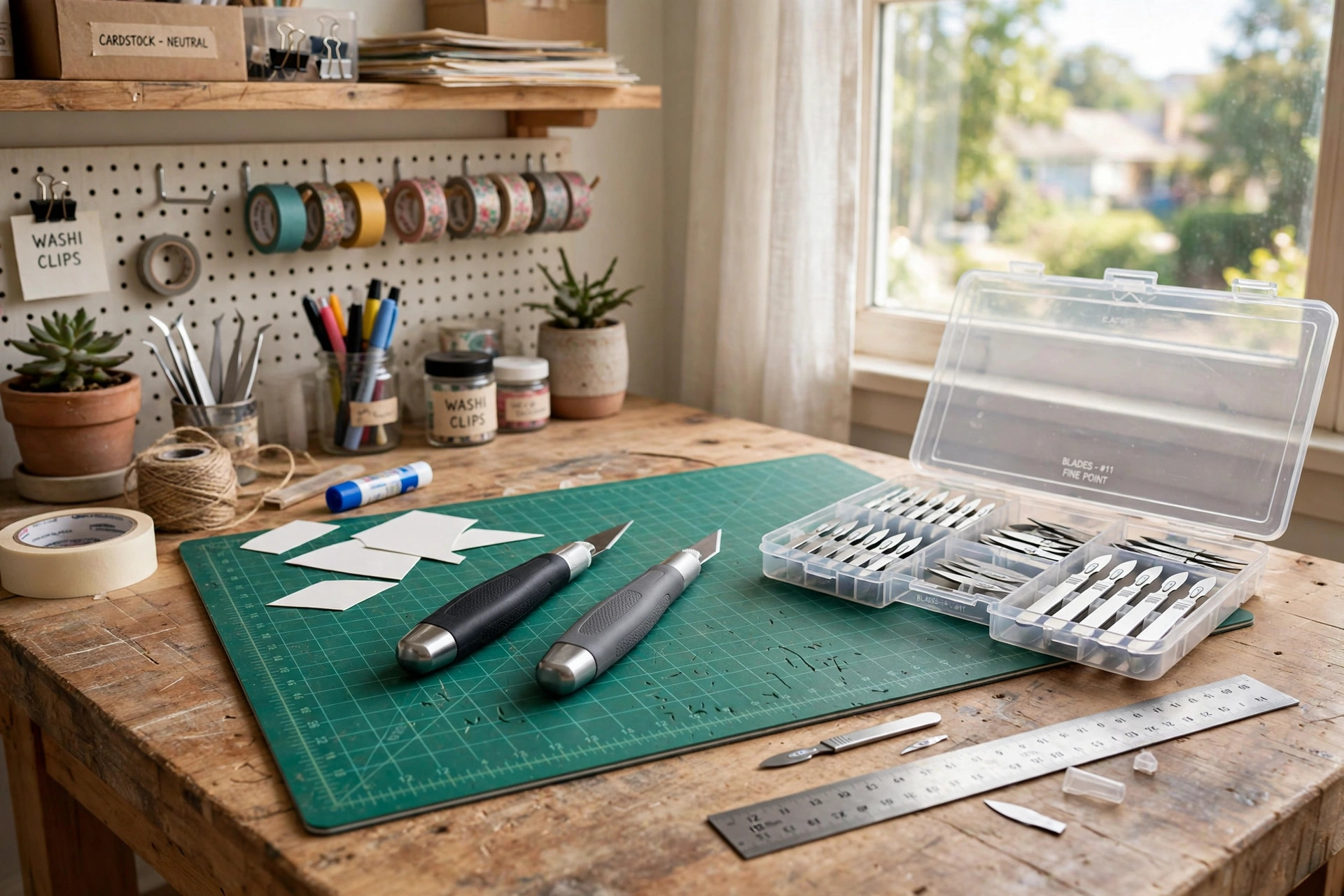
Finding the best craft knife set for precision cutting can change the way you work on paper crafts, model kits, and small home repairs. A dull or wobbly blade tears paper, slips off lines, and ruins a project you have worked on for hours. A sharp, steady blade glides through the material and leaves a clean edge. This guide walks through everything you need to know before you buy: how these sets work, what parts matter, the main types of blades, what you can expect to pay, how to keep your tools in good shape, and how to use them safely. Whether you are a beginner or someone returning to a craft after years away, the notes below will help you pick a set that fits your hands, your projects, and your budget.
Why a Good Craft Knife Set Matters
Precision cutting is about control. When you cut card stock for a greeting card, trim balsa wood for a model airplane, or slice open a package without tearing the paper, the tool must respond to small movements of your fingers. A cheap blade that flexes or a handle that is too thick for your grip takes that control away.
Crafters who work with vinyl for home shirt projects know that a ragged edge on a cut sheet means a ragged edge on the finished design. The same is true for scrapbookers, quilting template makers, and anyone who cuts stencils. A good craft knife set gives you several blade shapes in one box, so you do not have to force one blade to do every job. It also gives you a handle that fits comfortably, which matters more than most buyers expect. Hands tire after twenty minutes of cutting. A handle with a soft grip and a balanced weight lets you work longer and keep your lines straight.
The difference also shows in safety. Many cut fingers happen because a dull blade forces the user to push harder. Sharp blades need only light pressure, and light pressure means less chance of the blade slipping. Buying the best craft knife set for precision cutting is not only about better results. It is also about fewer accidents at the work table.
What to Look for When You Choose a Set: Best Craft Knife Set for Precision Cutting
The Handle
The handle is the part you will hold for hours, so it deserves first place in your list. Most sets offer one or two handles. Common handle styles include the slim pen-style handle, which you hold like a writing pen, and the larger flat handle, which you hold like a file or chisel.
Pen-style handles suit detail work on paper, photos, and thin film. They give fine control and work well for people with small or average hands. Flat handles give more power for cutting through foam board, leather, or thick card. Some handles have a soft rubber grip that reduces strain. Others are plain metal. Try to picture how you will hold the tool for long sessions. If you have arthritis or wrist pain, a cushioned grip is worth the extra cost.
Check that the handle has a metal collet or chuck that locks the blade firmly. Twist-lock and push-button mechanisms both work well when they are well made. A blade that wiggles in the handle is useless for precision cutting and dangerous besides.
The Blades
Blades come in numbered shapes. The most common is the straight pointed blade, often called a number 11. It handles most paper and card cutting. Curved blades work well for peeling and trimming. Chisel blades cut straight edges in wood and linoleum. Scoring blades make fold lines in card stock.
A good set should include several blade types, not just one. Look at the blade count on the box. Sets with 30 or more blades may seem generous, but if they are all the same shape, you are paying for spares rather than options. A mix of five or six blade shapes with a few spares of each is a better buy.
Blade material matters too. Carbon steel blades are sharp and cheap but rust if stored in damp places. Stainless steel blades resist rust but cost more. High-carbon steel with a fine grind offers the best balance for most home crafters.
The Case
Do not overlook storage. Loose blades in a drawer are a common cause of cuts. A set that comes with a fitted case keeps blades sorted and covered. Magnetic strips inside the case hold blades in place and make it easy to find the shape you need. If the set has no case, plan to buy a small blade bank or storage box at once.
Types of Craft Knife Sets
Standard Hobby Sets
These are the classic sets sold at craft stores and described by retailers like Michaels and Joann. They usually include one or two pen handles, an assortment of straight and curved blades, and a plastic case. They cost the least and suit paper, card stock, and light craft work. For most beginners, a standard hobby set is the right place to start.
Heavy-Duty Sets
Heavy-duty sets include sturdier flat handles and thicker blades for wood, leather, and foam board. Makers like X-ACTO and Stanley sell handles built for this kind of work. These sets suit model builders, upholsterers, and anyone who cuts material thicker than a credit card. The handles are longer and the blades are wider, so they give up some fine detail in exchange for power.
Specialty Precision Sets
Specialty sets focus on very fine work: cutting stencils, trimming photographs, making photo frame mats and gallery projects, or preparing thin veneer. They often include scalpel-style handles and blades with extra-fine points. Brands known for fine blades, such as Olfa and Fiskars, offer sets in this class. The price is higher, but the blades hold an edge longer and the handles are made for delicate control.
Sets With Cutting Mats and Rulers
Some kits bundle the knives with a self-healing cutting mat, a metal ruler, and sometimes tweezers. These bundles cost more than knife-only sets, but they save you from buying the extras separately. A cutting mat protects your table and keeps the blade edge sharp longer than cutting on wood or glass. If you do not own a mat yet, a bundled kit is good value.
Cost and Price: What to Expect
Craft knife sets range from a few dollars to fifty dollars or more. Here is what the price bands usually mean.
Under ten dollars, you will find basic sets with one handle and a handful of blades. They work for light paper cutting and for children under adult supervision. The blades dull faster and the handles are plain, but they get simple jobs done.
From ten to twenty-five dollars, you enter the range where most home crafters should shop. Sets in this band include multiple handles, a case, and a useful mix of blade shapes. Quality is reliable enough for regular use. Large home improvement and craft retailers, including Home Depot, stock sets in this range.
From twenty-five to fifty dollars, you find professional-grade sets with cushioned handles, precision-ground blades, and sturdy cases. Woodworkers who shop at places like Woodcraft often buy in this range. These sets last for years of steady use and hold up well when the blades are replaced as they dull.
Above fifty dollars, you are looking at specialized kits for demanding work: surgical-sharp blades, machined metal handles, and large assortments. Few home crafters need this level, but leather workers and professional model makers may find it worth the money.
When you compare prices, look at the cost per blade and the number of blade shapes, not just the headline price. A set with fifty blades of one shape is not a better deal than a set with thirty blades of six shapes if your work needs variety.
Care and Upkeep
A craft knife set lasts a long time if you treat it well. Blades dull with use, and a dull blade is the main cause of poor cuts and slips. Change blades as soon as you notice tearing or extra effort. Many crafters keep a small sharps container or an old tin marked for used blades so that spent blades are never left loose.
Store blades in their case, with the cutting edges covered. Keep the set in a dry place. Carbon steel blades will rust in a damp basement or garage, so add a small silica gel packet to the case if your workroom is humid.
Clean handles with a dry cloth after use. Adhesive from tape or vinyl builds up on the collet and can make blade changes hard. A drop of light oil on the threaded parts of a twist-lock handle keeps it turning smoothly. Do not soak handles in water, especially wooden ones, which can swell and crack.
Cut only on a proper surface. A self-healing mat is best. Cutting on glass dulls blades quickly, and cutting on wood scars the table. Art supply stores such as Blick sell mats in sizes that fit any desk.
Safety Rules You Should Never Skip
Craft knives are sharp tools, and they deserve respect. Every year, crafters cut themselves doing work they have done a hundred times. The rules below are simple and worth following every time.
Always cut away from your body and away from your other hand. Keep fingers behind the line of the cut, never in front of the blade. Use a metal ruler as a guide for straight cuts, and keep your fingertips on top of the ruler, well back from the edge.
Change blades with care. Grip the blade with pliers or a folded cloth, never with bare fingers on the edge. Point the blade away from yourself while you loosen the collet. Dispose of used blades in a rigid container, such as a plastic bottle or a blade bank, not in an open trash can where someone may reach in.
Work in good light. Many slips happen because the user cannot see the cut line clearly. A desk lamp aimed at the work surface helps more than any blade upgrade.
Keep knives out of reach of children and pets. Store the case closed and latched. If children craft with you, give them safety scissors or a child-safe tool instead, and keep craft knives for adult use only.
Take breaks. Tired hands press harder and steer less well. If your wrist aches or your cuts start to wander, stop and rest. The project will wait.
Advice columns on home workshop safety from Family Handyman, This Old House, and Bob Vila repeat the same point: most workshop injuries come from dull tools and rushing, not from the tools themselves.
Frequently Asked Questions
How many blades should a good craft knife set include?
For home use, a set with 20 to 50 blades is plenty, as long as it includes several shapes. What counts more than the number is the mix. Look for straight detail blades, curved trimming blades, and at least one chisel or scoring blade. Spare straight blades are useful because that shape dulls first.
Can I use a craft knife to cut vinyl for home projects?
Yes. A sharp craft knife cuts heat transfer vinyl and adhesive vinyl cleanly, which is why crafters who own a vinyl cutter for a home t-shirt business often keep a knife set for weeding small details and trimming edges. Use light pressure and a fresh blade so the backing sheet is not scored.
What is the difference between a craft knife and a utility knife?
A craft knife is smaller and made for fine detail work on paper, card, and thin materials. A utility knife is larger, with a heavier handle and a thicker blade, and it is made for rougher jobs like cutting boxes and carpet. Both have their place, but a utility knife is too clumsy for the kind of precision cutting this guide covers.
How often should I change the blade?
Change the blade when cuts start to tear instead of slice, or when you must press harder than before. For paper work, a blade may last through many projects. For abrasive materials like fiberglass or coarse card, it may dull in a single session. When in doubt, change it. Blades are cheap; injuries and ruined projects are not.
Are expensive craft knife sets worth it for beginners?
Usually not at first. A mid-range set teaches you which blade shapes you actually use. Once you know your habits, you can spend more on the handle style and blade type that matter most to you. Beginners get more value from a good cutting mat and a sharp basic set than from a costly kit full of blades they may never try.
Can craft knives cut wood?
Thin wood, yes. Balsa, basswood sheets, and thin veneer cut well with a sharp craft knife and several light passes. Thick hardwood needs a saw, not a knife. Forcing a craft knife through thick wood bends the blade and risks a slip, so match the tool to the material.
A Final Word
The best craft knife set for precision cutting is the one that fits your hands, covers the blade shapes your projects need, and comes from a maker with a solid record. Start with a mid-range set, keep your blades sharp and stored safely, cut on a proper mat, and follow the safety rules every time you pick up the tool. With those habits in place, even a modest set will give you clean lines and smooth edges for years. Happy crafting.
References
Blick Art Materials. (n.d.). Art and craft supplies. https://www.dickblick.com Bob Vila. (n.d.). Home improvement advice. https://www.bobvila.com Family Handyman. (n.d.). DIY home repair and maintenance. https://www.familyhandyman.com Fiskars. (n.d.). Garden and cutting tools. https://www.fiskars.com JOANN. (n.d.). Fabric and craft supplies. https://www.joann.com Michaels. (n.d.). Arts and crafts supplies. https://www.michaels.com Olfa. (n.d.). Precision cutting tools. https://www.olfa.com Stanley. (n.d.). Tools and workshop vacuums. https://www.stanleytools.com The Home Depot. (n.d.). Home improvement products. https://www.homedepot.com This Old House. (n.d.). Home renovation guidance. https://www.thisoldhouse.com Woodcraft. (n.d.). Woodworking tools and supplies. https://www.woodcraft.com X-ACTO. (n.d.). Precision knives and blades. https://www.xacto.com
Was this guide helpful?

About Robert Taylor
The My Garden US editorial team writes practical, in-depth home and garden guides for American homeowners — tested advice, no fluff.