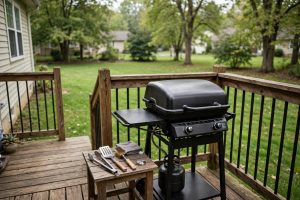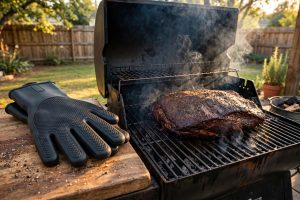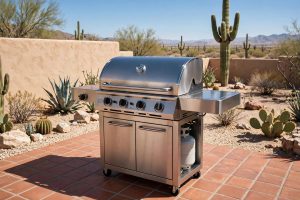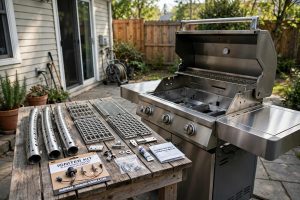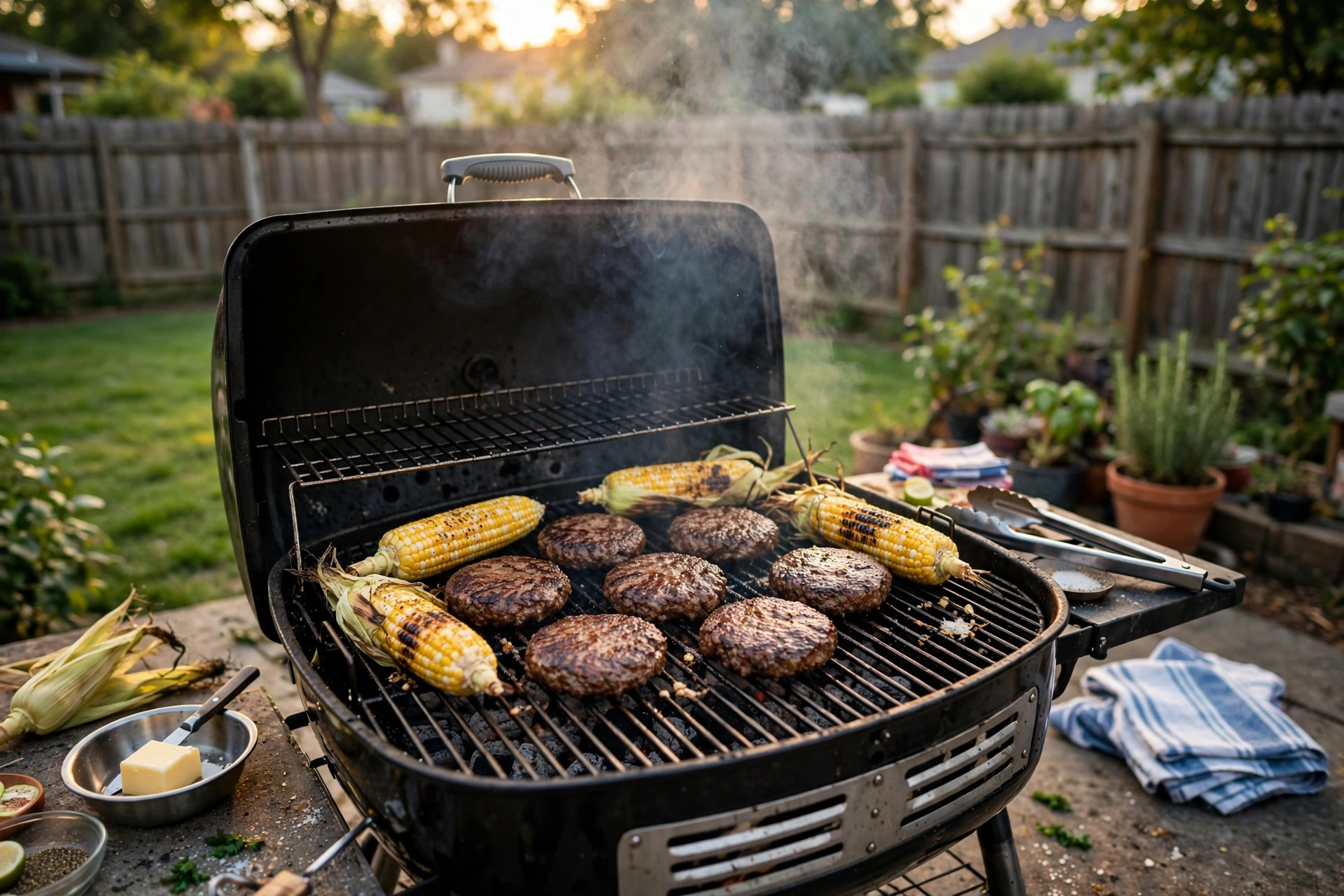
Labor Day arrives on the first Monday of September. It is the last long weekend of summer for most American families. The best bbq for labor day cookout is the one that feeds your guests well and runs without trouble. That means matching the grill to your crowd, your yard, and your budget. A small charcoal kettle can serve a family of four. A big gas grill can serve thirty. A pellet cooker can smoke ribs while you talk with friends. This guide walks through each choice in plain terms.
Why Your Labor Day Grill Choice Matters
Labor Day cookouts are not like weeknight dinners. The crowd is bigger. The food list is longer. Guests arrive hungry and expect burgers, dogs, chicken, and maybe ribs. The grill becomes the center of the party. If it runs out of space or heat, the line of guests grows long and the mood sours.
The grill also sets the tone of the day. A charcoal fire smells like summer. A gas grill starts fast and keeps steady heat. A pellet cooker fills the yard with wood smoke. Each one gives a different cookout. The best bbq for labor day cookout for your home is the one that fits how you like to cook.
There is also the calendar to think about. Labor Day weekend is one of the busiest selling weekends of the year for grills. Many stores cut prices to clear summer stock. That is good news for buyers. It is also a rush. Popular models sell out. Plan ahead by at least two weeks so you have time to buy, assemble, and test the grill before guests arrive.
What to Look for in a Cookout Grill: Best Bbq for Labor Day Cookout
A good cookout grill has five basic traits. Check each one before you buy.
First is cooking space. Count your guests. A party of ten needs about 500 square inches of cooking space. That is enough for twenty burgers at once. A party of twenty needs 700 square inches or more. If you cook in batches, guests wait. If the grill is too big for a small family, it wastes fuel.
Second is heat control. Look for a grill that holds a steady temperature. Gas grills should have at least three burners. More burners mean more heat zones. Charcoal grills should have adjustable vents. Vents control the air, and air controls the heat. Reviews and grill buying guides at Consumer Reports rate heat control as one of the top buying factors.
Third is build quality. A grill that lasts ten years costs less per year than a cheap one that rusts in three. Check the grate material. Cast iron grates hold heat well and sear meat nicely. Stainless steel grates clean fast and resist rust. Check the body too. Thick steel and tight seams keep heat in.
Fourth is easy lighting and cleanup. Charcoal grills need a chimney starter. Gas grills need a working igniter. Pellet grills need power. Think about what is easiest for you on a busy holiday. Also check the grease tray or ash catcher. A full-size removable tray saves time.
Fifth is safety features. Look for stable legs or a wide cart base. Look for cool-touch handles. A grill that tips or burns hands is no bargain at any price. Good handles and a steady base matter more than fancy extras. More on safety later in this guide.
Types of BBQ Grills for a Labor Day Cookout
Each grill type has strengths. The best bbq for labor day cookout depends on what you want to serve.
Charcoal Grills
Charcoal is the classic choice. The 22-inch kettle grill is the most loved grill in America. It costs little. It cooks well. It gives food a smoky taste that gas cannot match. Models from Weber set the standard for this style.
Charcoal suits burgers, steaks, and chicken. It takes twenty minutes to light and heat. That is fine for a relaxed holiday. The best charcoal grill for backyard bbq buyers are those who love the ritual of fire and smoke. Lump charcoal burns hotter and cleaner than briquettes. A chimney starter lights coal without lighter fluid, which keeps food free of chemical taste.
Gas Grills
Gas is the fastest choice. Turn the knobs and the grill heats in ten minutes. Three or four burners let you cook burgers on high heat while chicken roasts on low. Side burners warm beans or sauce. Gas makers like Char-Broil and Broil King sell strong mid-range models.
Gas suits big crowds. It is easy to restart. It is easy to control. The taste is milder than charcoal, but good rubs and smoke boxes close the gap. A smoke box holds wood chips over the burner and adds real smoke flavor.
Pellet and Kamado Cookers
Pellet grills burn wood pellets for heat and smoke. You set a dial to 225 degrees and walk away. The grill feeds pellets by itself. Traeger made this style popular. Pellet cookers are perfect for Labor Day ribs, brisket, and pulled pork. They smoke while you enjoy the party.
Kamado cookers are egg-shaped ceramic grills. They hold heat for hours on little charcoal. Big Green Egg leads this style. A kamado can sear steaks at 700 degrees or smoke a turkey at 250. It costs more than a kettle, but it does almost everything. If you want one grill that both smokes and grills, read our guide on the best grill for smoking and grilling.
Cost and Price
Labor Day sales bring real savings. Here is what to expect.
A good charcoal kettle costs 150 to 250 dollars. It is the cheapest good grill you can buy. A mid-size gas grill with three burners costs 300 to 600 dollars. Big four-burner models with side burners cost 600 to 1,000 dollars. Pellet grills start near 500 dollars and run to 1,500 for large models. Kamado cookers start near 700 dollars and can pass 1,500 with stands and tables.
Stores like Home Depot cut prices by 10 to 30 percent over Labor Day weekend. Floor models go even lower. Online sales match store sales most years. Set a budget before you shop. Add 50 to 100 dollars for extras: a cover, tongs, a thermometer, and fuel. It also helps to read the store’s return policy before you load the grill into your car, since large grills are hard to bring back.
Think about yearly cost too. Propane costs about 20 dollars per tank refill. A tank lasts about 20 hours of cooking. Charcoal costs about 15 to 25 dollars per bag. Pellets cost about 20 dollars per bag. For one big holiday plus weekly summer use, fuel costs stay under 200 dollars a year for most families.
Care and Upkeep
A clean grill cooks better and lasts longer. Labor Day is a good time to start a simple routine.
After each cook, burn the grates on high heat for ten minutes. This turns leftover food to ash. Then brush the grates with a wire brush or a wooden scraper. Empty the grease tray or ash catcher. Grease fires start in dirty trays. If your gas grill suffers from gas grill flare up causes and fixes, dirty grates and trays are the most common cause.
Once a month, wash the inside walls with warm soapy water. Check gas hoses for cracks. Spray soapy water on connections and look for bubbles. Bubbles mean a leak. Replace the hose before the next cook. For charcoal grills, empty the ash catcher after every use. Wet ash rusts steel fast.
Cover the grill when it is not in use. A good cover costs 30 to 60 dollars and adds years of life. Store the grill in a dry spot over winter. In spring, oil the grates lightly before the first cook. If the wheels or casters stick, a drop of oil on each axle keeps the grill easy to move across the patio.
Safety
Cookouts are fun, but grills burn hot and use fire. Follow these rules.
Place the grill at least ten feet from the house, the deck rail, and any hanging branches. Never grill in a garage or under a low roof. Carbon monoxide from charcoal can kill in an enclosed space.
Keep children and pets three feet from the grill. Hot metal stays hot long after the food comes off. Use long tongs and heat-proof gloves. Open the lid slowly to avoid a rush of hot air.
For gas grills, check the tank and hose each season. If you smell gas, turn off the burners and the tank. Do not light the grill. Call for help if the smell stays. For charcoal grills, never use gasoline to light coal. Use a chimney starter or cubes made for grills.
Keep a fire extinguisher or a bucket of sand near the cooking area. Water can spread a grease fire. A lid smothers small flare-ups on a charcoal grill. When the cookout ends, close the vents and the tank valve. Let coals cool in the grill overnight before you toss them.
Frequently Asked Questions
How far ahead of Labor Day should I buy a grill? Buy two to three weeks ahead. This gives time for delivery, assembly, and a test cook. Sales start the week before the holiday, but the best models sell out fast.
What is the best fuel for a Labor Day cookout? Charcoal gives the most smoke flavor. Gas gives the most control. Pellets give the easiest low-and-slow smoking. The best bbq for labor day cookout for beginners is gas, because it starts fast and holds heat well.
How many burgers can a standard grill cook at once? A 22-inch kettle fits about 12 burgers. A three-burner gas grill fits about 18. A large four-burner model fits about 24. Plan batches and keep cooked food warm in a low oven at 200 degrees.
Should I buy a grill cover? Yes. A cover blocks rain and sun. It stops rust and keeps spiders out of gas burners. Buy the cover made for your model if you can. It fits best and vents moisture.
Can I smoke ribs on a regular gas grill? Yes. Use a smoke box or a foil pouch of soaked wood chips over one burner. Cook the ribs on the cool side with the lid closed at 225 to 250 degrees. It takes four to five hours. For step-by-step smoke methods, AmazingRibs has clear science-based guides.
What sides go well with a Labor Day cookout? Corn on the cob, coleslaw, potato salad, baked beans, and watermelon are classics. The Spruce Eats site has tested recipes for all of them.
A Final Word
Labor Day is the last cookout of summer. The grill you choose should make the day easy and tasty. Charcoal brings classic smoke. Gas brings speed and control. Pellets and kamados bring set-and-forget smoking. Pick the one that fits your crowd and your style. Buy it early, test it once, and keep it clean. Then enjoy the burgers, the ribs, and the long weekend.
References
AmazingRibs.com. (n.d.). Barbecue and grilling science. https://www.amazingribs.com Big Green Egg. (n.d.). Kamado grills and outdoor cooking. https://www.biggreenegg.com Broil King. (n.d.). Gas and charcoal grills. https://www.broilkingbbq.com Char-Broil. (n.d.). Gas and charcoal grills. https://www.charbroil.com Consumer Reports. (n.d.). Product reviews and ratings. https://www.consumerreports.org The Home Depot. (n.d.). Home improvement products. https://www.homedepot.com The Spruce Eats. (n.d.). Recipes and cooking guides. https://www.thespruceeats.com Traeger. (n.d.). Wood pellet grills. https://www.traeger.com Weber. (n.d.). Grills and outdoor cooking. https://www.weber.com
Was this guide helpful?

About Michael Thompson
The My Garden US editorial team writes practical, in-depth home and garden guides for American homeowners — tested advice, no fluff.