
Introduction
Few things startle a cook like sudden flames under dinner. One minute the burgers are browning, and the next, orange tongues of fire are licking the food. Understanding gas grill flare up causes and fixes turns that fright into a calm, quick response. A flare up is simply fat or drippings catching fire on the hot parts below the food. It is common, it is normal in small amounts, and it can be managed with a few simple habits. This guide explains why flare ups happen, what you can do in the moment, and how to prevent them from starting in the first place. It is written for the home cook who wants safe meals and steady results. By the end, you will know how to keep flames under control on any gas grill, from a small patio model to a full outdoor kitchen.
Why Flare Ups Happen: Gas Grill Flare Up Causes and Fixes
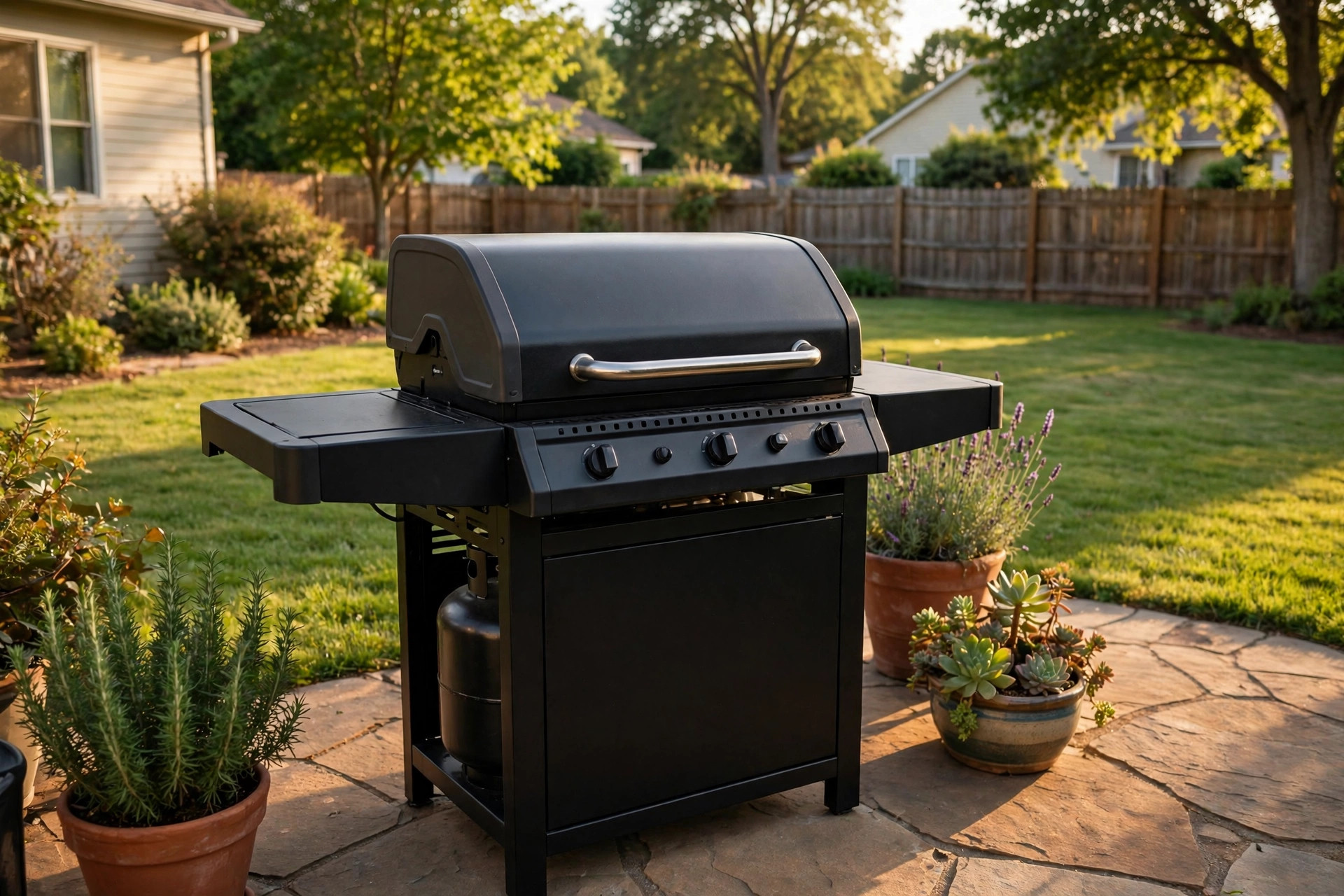
A gas grill makes heat with burners. Food sits above them on metal grates. As food cooks, it releases fat and juices. Those drippings fall down onto the hot burner tubes, heat plates, or lava rocks. When the drippings are hot enough, they ignite. That flash of fire is a flare up.
Flare ups matter for two reasons. First, they burn food. Flames can char the outside of a steak while the inside stays raw. Second, they can grow into a grease fire. A grease fire is larger and harder to control. It can damage the grill and burn the cook. That is why grill makers and outdoor cooking experts teach that small flare ups are normal but large ones need fast action.
A small flame that lasts a few seconds under a burger is ordinary. It often adds a light smoky taste. A fire that spreads across the whole grill or keeps burning for a minute is not ordinary.
Common Causes of Gas Grill Flare Ups
Grease Buildup Inside the Grill
The top cause is old grease. Every time you cook, some fat coats the inside of the grill. It gathers on the burner covers, the heat tents, and the drip tray. Over weeks of cooking, this layer grows. A thick layer of old grease ignites easily and feeds flames. A grill that has not been cleaned in a month is far more likely to flare than a clean one. Many grill care guides point to grease buildup as the number one cause of grill fires.
Fatty Foods and Heavy Marinades
Some foods make more drippings than others. Chicken thighs with skin, ribeye steaks, bacon, and sausage release a lot of fat. Foods with sugary marinades add to the problem. Sugar burns fast and drips fuel the flames below.
Cooking at Very High Heat
High heat makes drippings ignite faster. Many cooks turn all burners to full heat for searing. That is fine for thin steaks that cook in minutes. But fatty foods left on full heat will drip fuel into the fire. Lower heat gives you more control and less fire.
Blocked Burners and Dirty Heat Tents
Gas grills use burner tubes with small holes. Heat tents or flavorizer bars sit over the burners. They spread heat and catch drips. When their holes are clogged with rust or grease, flames come out unevenly. Some spots run too hot. Drippings hit those hot spots and burst into flames. Rust flakes can also fall off and add fuel.
Wind and Grill Placement
Wind pushes flames sideways. On a windy day, the fire under your food can lean and spread. A grill placed at the corner of a fence can trap gusts and feed flames.
Overcrowded Grates
When food covers every inch of the grate, heat and smoke cannot move freely. Fat pools around the food instead of dripping through. Pools of hot fat are ready fuel. Give food some space and the drippings fall through cleanly.
Fixes That Stop Flare Ups Fast
Move the Food First
When flames rise, use long tongs to slide the food to a cooler part of the grill. Many grills have hot and cool zones. Do not try to carry food off the grill with your hands near the fire.
Turn Down the Heat
Turn the flaming burner to low or off. Leave the other burners on so food keeps cooking slowly. This cuts the fuel feeding the flames. Many experienced cooks keep one burner off at all times as a safe zone. That habit alone stops most flare ups before they grow.
Close the Lid Briefly
Closing the lid cuts off some air to the flames. A flare up starved of air dies down in seconds. Close the lid and wait about thirty seconds. Then open it carefully and check. Do not close the lid on a true grease fire that is already large. That is a different problem and needs the gas shut off.
Use a Spray Bottle With Water
A light mist of water can calm small flames. Fill a clean spray bottle and keep it near the grill. Spray short bursts at the base of the flames. Never pour a glass of water onto a grease fire.
Never Blow on the Fire
Blowing feeds oxygen to flames and makes them grow. It also blows ash and sparks onto your clothes. Keep your face away from the grill when flames rise.
Types of Flare Ups
Flare ups come in three common forms. Knowing which one you face helps you choose the right fix.
A food flare up starts when fat drips from the food itself. It is usually short and dies when the drip burns off. Moving the food or lowering heat fixes it. Most home cooks see this type the most.
A grease flare up starts in old grease coating the grill parts. It lasts longer because the fuel supply is larger. It can spread across the whole grill. Shut the burners down and close the lid. Clean the grill before your next cook.
A grease fire is the serious form. Flames stay high and do not die when you move the food. You may hear a roaring sound. Turn off all burners and the gas tank valve. Close the lid and step back. Keep a small fire extinguisher near your outdoor cooking area as a rule.
What to Look For in a Grill That Flares Less
If you are buying a new grill, some designs control flare ups better. Look for grills with full-length heat tents that cover the burners. They catch drips before they reach the flame. Grill reviews and tests often rate how evenly a grill heats and how well it handles fatty foods.
Check the drip system. A deep drip tray that slides out for cleaning is better than a shallow pan. Some grills channel grease into a single cup at the front. Those are easy to empty after every cook.
Look at burner count and spacing. Three or more burners give you zone control. You can sear over two burners and keep the third low or off as a safe zone.
Ask about grate material. Heavy cast iron grates hold heat well, but they need regular seasoning and cleaning. Stainless steel grates clean more easily. Both work fine if you keep them clean. What matters most is not the brand name but how easy the grill is to clean. A grill that is easy to clean stays cleaner, and a clean grill flares less. Retailers such as home improvement stores list cleaning features in product details, which is worth reading before you buy.
Cost and Price of Flare Up Fixes
Most fixes cost little or nothing. Moving food, lowering heat, and closing the lid are free. A spray bottle costs a few dollars. A good pair of long tongs costs ten to twenty dollars.
A sturdy grill brush costs ten to thirty dollars. A degreaser made for grills costs under fifteen dollars. Disposable drip pans cost a few dollars for a pack. These are small costs that prevent big problems.
Replacement parts cost more. New heat tents run twenty to fifty dollars for most models. Burner tubes cost thirty to eighty dollars. A new drip tray is ten to twenty dollars. Replacing worn parts once every few years is still cheap compared to replacing a whole grill.
A fire extinguisher for the patio costs twenty to forty dollars. It is the best money you can spend on grill safety. Buy one rated for grease fires and keep it within reach of the grill but away from the heat.
Some cooks buy grill mats or flame tamers that sit on the grates. These cost fifteen to forty dollars. They can reduce drips but they also reduce heat to the food. They are optional, not required.
Care and Upkeep to Prevent Flare Ups
After Every Cook
Burn off the grates for ten minutes on high heat with the lid closed. This turns food scraps to ash. Then brush the grates while they are still warm. Empty the drip tray or grease cup. This five-minute habit does more than anything else to prevent flare ups.
Monthly Deep Clean
Once a month during grilling season, do a deeper clean. Remove the grates, heat tents, and burner covers. Scrub them with a brush and soapy water or a grill degreaser. Check the burner tubes for clogs. Poke out any blocked holes with a thin wire or pin. Rinse and dry everything before putting it back. For step-by-step cleaning methods, see our guide on how to clean gas grill burners properly.
Season Your Grates
After cleaning, rub a thin layer of cooking oil on cast iron grates while they are warm. This keeps them from rusting and makes food stick less. Less sticking means fewer torn bits of food burning on the grates. Our guide to how to season cast iron grill grates walks through the full method.
Watch the Grease Cup
Many flare ups start in an overflowing grease cup. Check it before each cook. Line it with foil for easy cleanup. Replace the foil after two or three cooks.
Winterize in the Fall
Before storing your grill for the cold months, clean it fully and cover it. A grill put away dirty will be worse in spring. Old grease hardens and is harder to remove. See how to winterize gas grill for storage for the full checklist. Grill companies like Weber, Char-Broil, and Napoleon all publish seasonal care tips that follow the same basic steps.
Safety Rules for Gas Grills
Keep the grill at least ten feet from the house, the garage, and any wooden deck railings. Heat and stray flames should never reach a wall or an overhang.
Check gas connections for leaks before the first cook of the season. Mix dish soap and water and brush it on the hose and connections. Turn on the gas. If you see bubbles, there is a leak. Tighten the fitting or replace the hose before you light the grill.
Never leave a lit grill unattended. Most grill fires happen when the cook walks away for just a minute. If you must step inside, turn the burners to low or off first.
Keep children and pets away from the grill. Set a three-foot safe zone that kids learn not to enter.
Do not use a gas grill indoors or in a closed garage. Burning gas makes carbon monoxide, a poison gas you cannot see or smell. Even with the garage door open, the risk is too high.
Store propane tanks outside and upright, away from heat. Never store a spare tank under or near the grill. Pellet grill makers and kamado makers share many of the same outdoor safety rules, since all outdoor cookers share these basic risks.
If you smell gas but the grill is off, do not light it. Turn off the tank valve and move away. Call the gas company or fire department if the smell stays.
FAQ
Are small flare ups normal on a gas grill?
Yes. Short flames that last a few seconds under fatty food are normal. They burn off quickly and often add a light smoky flavor. They become a problem only when they last a long time, spread across the grill, or char the food badly.
Why does my gas grill catch fire every time I cook?
The most common reason is grease buildup. If your grill flares on every cook, it likely needs a deep clean. Old grease on the heat tents and in the drip tray fuels repeat fires. Clean every part, replace worn heat tents, and the flare ups should drop sharply.
Should I close the lid to stop a flare up?
Closing the lid for a short time works for small flare ups. It cuts air flow and calms flames. Do not rely on the lid for a large grease fire. Shut off all burners and the gas tank valve first.
Can I use water to stop grill flames?
Use only a light mist from a spray bottle on small flames. Never pour water onto burning grease. Water sinks under hot grease and turns to steam fast, which can throw burning grease into the air and spread the fire.
Does foil on the drip tray cause flare ups?
Foil does not cause flare ups if you use it right. Line the tray so grease flows into the cup, not onto the foil edges. Change the foil often. Old foil soaked with grease becomes fuel itself.
How often should I clean my gas grill to prevent flare ups?
Brush the grates and empty the grease cup after every cook. Do a deep clean of the burners, heat tents, and drip system once a month during grilling season. Cooks who clean this often report far fewer flare ups.
A Short Final Word
Flare ups look scary, but they follow simple rules. Fat plus heat plus air makes fire. Take away one of the three and the flames die. Clean your grill often, keep heat under control, and give your food some space. With those habits, gas grill flare up causes and fixes become second nature. Your food will taste better, your grill will last longer, and you will cook with calm instead of worry.
References
AmazingRibs.com. (n.d.). Barbecue and grilling science. https://www.amazingribs.com Big Green Egg. (n.d.). Kamado grills and outdoor cooking. https://www.biggreenegg.com Broil King. (n.d.). Gas and charcoal grills. https://www.broilkingbbq.com Char-Broil. (n.d.). Gas and charcoal grills. https://www.charbroil.com Consumer Reports. (n.d.). Product reviews and ratings. https://www.consumerreports.org Napoleon. (n.d.). Fireplaces, grills, and heating products. https://www.napoleon.com The Home Depot. (n.d.). Home improvement products. https://www.homedepot.com The Spruce Eats. (n.d.). Recipes and cooking guides. https://www.thespruceeats.com Traeger. (n.d.). Wood pellet grills. https://www.traeger.com Weber. (n.d.). Grills and outdoor cooking. https://www.weber.com
Was this guide helpful?

About Robert Taylor
The My Garden US editorial team writes practical, in-depth home and garden guides for American homeowners — tested advice, no fluff.
You May Also Like
Best BBQ Rub for Ribs: A Homemade Guide
February 21, 2026 0 views
Smoker for Sale Near Me Used: A Practical Guide to Buying Secondhand
January 8, 2026 0 views
Best BBQ for Labor Day Cookout: A Plain Guide to Picking the Right Grill
July 28, 2026 0 views