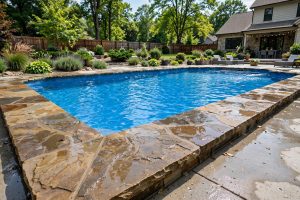

A warm pool is one of the best parts of owning a home. It lets the family swim in spring and fall. It keeps evening swims pleasant. When the heater breaks, the water turns cold fast. That is when most owners start to look for a pool heater repair service near me. The search is simple. The choice is not. Some shops do fine work. Some do not. This guide will help you find the right local repair service, know what to expect, and keep your heater in good shape for years.
Why a Fast Repair Matters
A broken pool heater is more than an annoyance. It can lead to bigger trouble if it is left alone. Water that stays cold can throw off the chemical balance of the pool. Regular pool care advice stresses that warm water and correct chemistry go hand in hand. Cold spells also force the filter and pump to work in ways they were not built for.
Speed matters for another reason. A small heater fault, like a stuck valve or a dirty burner, is cheap to fix early. Wait a month, and the same fault can burn out the control board. A board costs many times more than a service call. So when the heater fails, it pays to call a local repair shop soon.
Local matters too. A pool heater repair service near me can reach your home the same day in most towns. A shop an hour away may take days. Same-day service keeps the water warm and keeps small problems small.
How to Choose a Local Repair Shop: Pool Heater Repair Service near Me
Not every repair company is the same. Use these steps to pick a good one.
Check Their Experience With Heaters
Many pool companies clean pools but know little about heaters. Ask how many heaters they repair in a year. A shop that works on heaters every week will spot problems fast. Ask which brands they service. Good shops handle the main brands, and manufacturer resources show how deep heater technology can run.
Read Reviews the Right Way
Online reviews help, but read them with care. Look for reviews that mention heater work by name, not just pool cleaning. A five-star review that says “fixed my heater the same day” tells you more than ten generic ones. Be wary of shops with many reviews and no mention of heaters at all.
Ask About Licensing and Insurance
Heater repair often involves gas lines or high-voltage wiring. A good shop carries a license for this kind of work where the state requires it. Ask for proof of insurance. If a worker is hurt on your property, or if a gas line is damaged, insurance protects you. The federal safety agency warns owners to take gas and electrical work around pools very seriously.
Get the Service Fee in Writing
Most shops charge a trip or diagnostic fee. Ask what it covers before the tech drives out. Some shops waive the fee if you approve the repair. Others do not. Get the number in writing by text or email. This avoids hard feelings at the end of the visit.
Types of Pool Heaters and What Breaks
Knowing your heater type helps you talk to the repair shop. It also helps you judge whether a quoted repair sounds right.
Gas Heaters
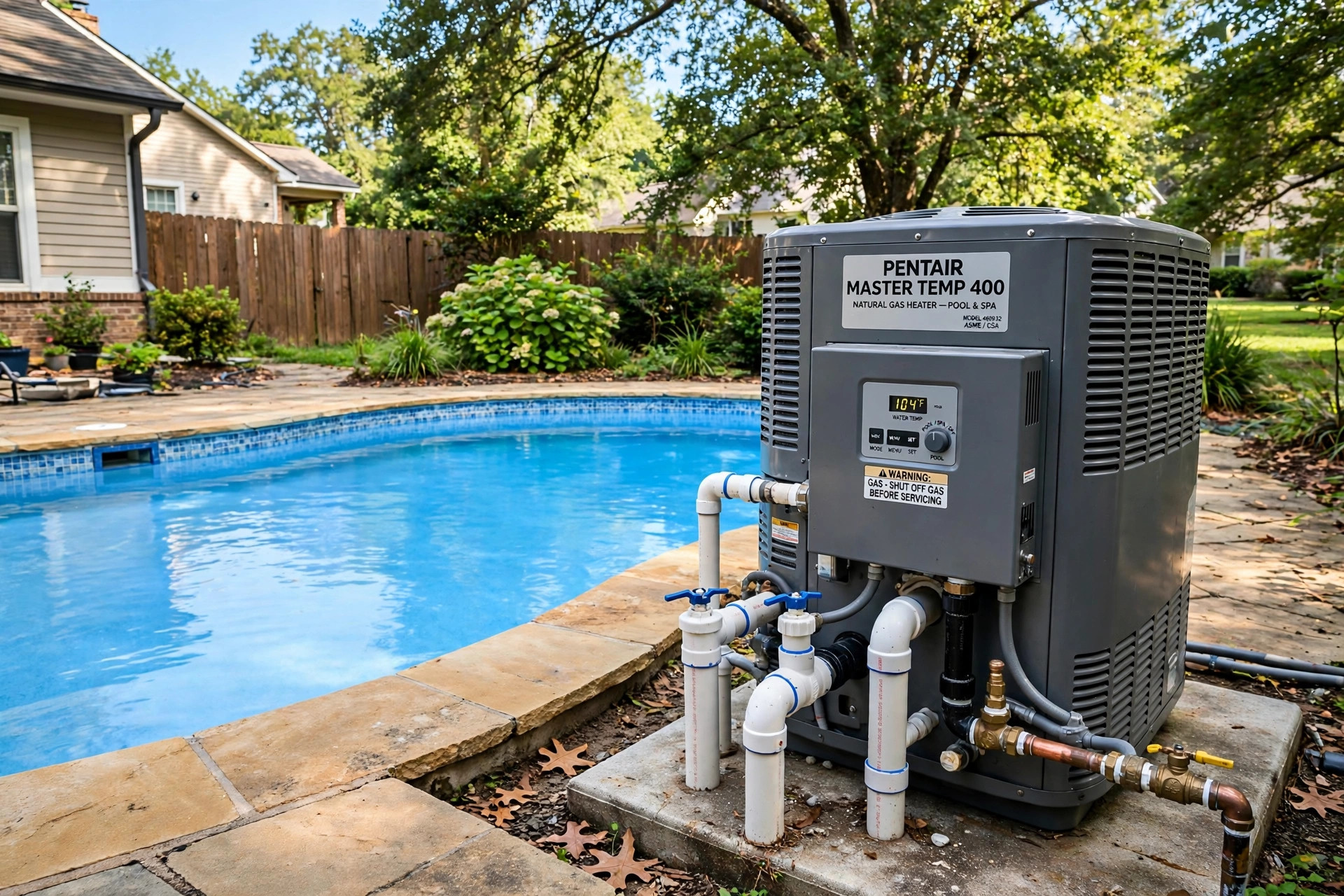
Gas heaters are the most common type in American backyards. They burn natural gas or propane to heat water fast. They break down in a few common ways. Burners get dirty. Igniters wear out. Sensors fail. A spa and heater maker notes that gas units need steady airflow to run well, and blocked vents cause many no-heat calls.
Electric Heat Pumps
Heat pumps pull warmth from the air and pass it to the water. They are slow but cheap to run. Their weak points are the fan, the compressor, and the refrigerant charge. A heat pump that blows cold air but heats nothing often has a refrigerant leak.
Solar Heaters
Solar panels on the roof warm the water with the sun. They have few moving parts. Most failures are leaks in the panels or bad valves. Solar repairs are often simple, but roof work needs a shop with the right ladders and safety gear.
Electric Resistance Heaters
Small spas often use electric resistance heaters. They heat fast and cost a lot to run. Their heating element burns out over time. The fix is usually a new element, which is a short job for a trained tech.
What a Repair Visit Looks Like
A normal visit follows a pattern. The tech arrives and listens to your report. When did the heater stop? What sounds did it make? Then the tech opens the unit and runs tests. Good techs test before they replace parts. They check the igniter, the sensors, the gas pressure, and the water flow.
After testing, the tech explains the fault in plain words and gives a price. You decide. If you say yes, the repair usually takes under two hours. Common jobs include cleaning burners, swapping a sensor, or replacing an igniter. The tech then runs the heater and shows you it works before leaving.
Watch out for shops that push a new heater on the first visit without testing. A heater under ten years old is often worth fixing. Ask for the repair price and the replacement price side by side so you can decide with clear numbers.
Cost and Price of Pool Heater Repair
Prices change by region, but some patterns hold across the country.
A diagnostic visit usually runs between 75 and 150 dollars. Many shops apply this fee toward the repair if you approve it. Simple fixes, like a new sensor or igniter, often add 100 to 250 dollars in parts and labor. A control board can run 400 to 800 dollars. A full heat exchanger replacement may cost over 1,000 dollars.
Compare that with a new heater, which often costs 2,000 to 4,000 dollars installed. A common rule says: if the repair costs more than half the price of a new unit, and the heater is over ten years old, replacement may be the better deal. A trusted shop will walk you through this math without pressure.
To keep costs down, describe the problem well on the phone. Tell the shop the brand, the model, and the age of the heater. Mention any error codes on the display. This lets the tech bring the right parts and may cut the visit short. Buying parts at a home improvement store yourself can backfire, since the wrong part wastes the trip.
Care and Upkeep Between Visits
A heater lasts longer with simple care. You do not need special skill for most of it.
Keep the area around the heater clear. Leaves, grass, and pool toys block airflow. Gas heaters need air to burn clean. Give the unit at least two feet of space on all sides.
Rinse the outside of the unit now and then. Do not spray water into the vents. Just wash away dust and spider webs from the cabinet.
Watch the water chemistry. Acidic water eats the inside of a heater fast. Test the water weekly and keep the pH in range. Learning how to clean a pool filter cartridge helps too, since a dirty filter cuts water flow and makes the heater overheat.
Run the heater at least once a month, even in summer. A short run keeps seals soft and parts moving. Heaters that sit idle for a year often fail when they are needed most.
Book a yearly check. A spring tune-up catches worn parts before swim season. The tech cleans the burners, tests the safety switches, and checks the gas pressure. This one visit prevents most mid-summer breakdowns. Owners who also stay on top of tasks like cleaning the pool coping tiles tend to spot heater trouble earlier, because they are at the pool often.
Safety Around Pool Heaters
Pool heaters mix water, gas, and electricity. That mix demands respect.
Never open a gas heater cabinet yourself to poke at the burner. Gas leaks are silent and deadly. If you smell gas near the heater, leave the area and call the gas company first, then your repair shop.
Keep children and pets away from the heater. The cabinet gets hot during use. The exhaust vent blows hot air. A simple fence or plant border keeps small hands at a safe distance.
Know where your shutoffs are. Every owner should know how to cut the gas and the power to the heater. Ask the tech to show you during the next visit. Mark the valves with bright tape so you can find them fast in an emergency.
After any repair, ask the tech to test the safety switches. These switches shut the heater down when water flow stops or when heat builds too high. A heater with dead safety switches is a hazard. Good shops test them on every visit as a matter of habit.
Frequently Asked Questions
How fast can a pool heater repair service near me arrive?
Most local shops offer same-day or next-day service during swim season. In winter, waits can be longer because many owners call at once after the first cold snap. When you call, ask for the earliest slot and ask to be put on a cancellation list.
Should I repair or replace my old pool heater?
It depends on age and cost. Under eight years old, repair is usually the right call. Over twelve years, replacement often wins. Between those ages, compare the repair quote with the price of a new unit. A good shop gives you both numbers and lets you decide.
Can I fix the heater myself?
You can handle basic care, like clearing leaves and rinsing the cabinet. Leave gas, wiring, and internal parts to a trained tech. A wrong move with a gas valve can cause a leak. A wrong wire can cause a shock. The service fee is small next to those risks.
Why does my heater turn on and then shut off?
Short cycling has a few common causes. Low water flow is the top one, often from a dirty filter. A bad pressure switch is another. Overheating from poor airflow is a third. A tech can test each cause in minutes. If you are choosing the best above ground pool for families, note that smaller pools cycle heaters more often, so flow matters even more.
How long should a pool heater last?
Gas heaters often last 8 to 12 years. Heat pumps can run 10 to 15 years with good care. Solar panels may last 15 to 20 years. Water chemistry is the biggest factor. Balanced water adds years. Acidic water takes them away.
What should I ask before the tech leaves?
Ask three things. What was wrong? What did you replace or fix? What should I watch for next? Write the answers down with the date. This record helps the next tech and helps you track the heater’s history.
A Short Final Word
A cold pool does not have to ruin the season. A good pool heater repair service near me is usually one phone call away. Pick a shop with real heater experience, clear prices, and proper insurance. Keep up with simple care through the year. Then the water stays warm, the heater lasts longer, and swim season feels as long as it should.
For deeper reading on pool equipment and upkeep, pool supply guides, Leslie’s pool resources, Hot Spring’s spa knowledge, home project advice, and equipment maker pages are all worth a look when you want to learn more.
References
Bullfrog Spas. (n.d.). Hot tubs and spas. https://www.bullfrogspas.com Hayward. (n.d.). Pool equipment and automation. https://www.hayward-pool.com Hot Spring Spas. (n.d.). Hot tubs and spas. https://www.hotspring.com Leslie’s Pool Supplies. (n.d.). Pool supplies and equipment. https://www.lesliespool.com Pentair. (n.d.). Pool and spa equipment. https://www.pentair.com Pool Warehouse. (n.d.). Pool equipment and supplies. https://www.poolwarehouse.com Swim University. (n.d.). Pool and hot tub care guides. https://www.swimuniversity.com The Home Depot. (n.d.). Home improvement products. https://www.homedepot.com The Spruce. (n.d.). Home and garden advice. https://www.thespruce.com U.S. Consumer Product Safety Commission. (n.d.). Product safety information. https://www.cpsc.gov
Was this guide helpful?

About David Wilson
The My Garden US editorial team writes practical, in-depth home and garden guides for American homeowners — tested advice, no fluff.
You May Also Like
Pool Deck Resurfacing Cost Near Me: Prices, Options, and How to Hire
July 3, 2026 0 views
How to Clean Pool Pump Basket
May 22, 2026 0 views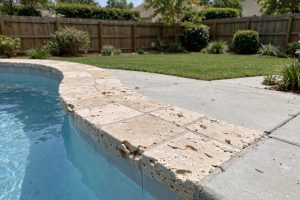
Pool Coping Replacement Cost Estimate: A Plain Guide for Pool Owners
August 8, 2026 0 views