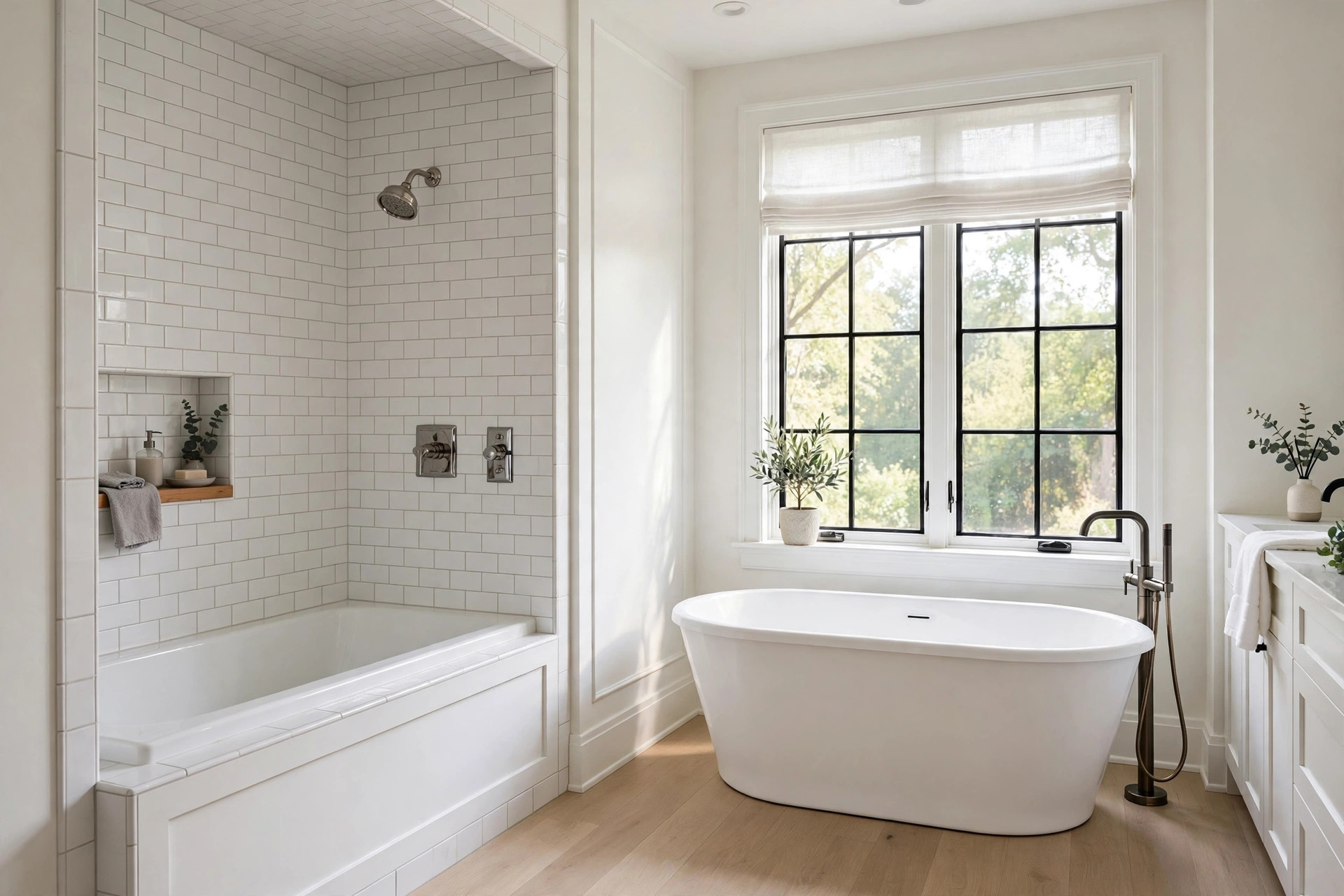

The alcove vs freestanding tub comparison USA buyers keep making is one of the most common decisions in any bathroom remodel. The choice shapes how the room looks, how it works, and how much it costs. An alcove tub sits inside a three-wall pocket and usually doubles as a shower. A freestanding tub stands alone, away from the walls, and serves as the focal point of the room. Both styles hold water, both clean bodies, and both last for decades when installed right. Yet they differ in price, space needs, cleaning effort, and comfort. This guide compares the two side by side so you can choose with confidence.
Why This Comparison Matters
A bathtub is a long-term fixture. Most homeowners keep a tub for twenty years or more. Ripping one out and replacing it costs time and money. The decision also affects resale value. Many American buyers expect at least one full tub in a house. A real estate report from Www.thisoldhouse.com notes that bathroom updates return a large share of their cost at resale. Picking the wrong tub can leave a small bathroom feeling cramped or a large one feeling empty. It can also add plumbing work you did not plan for. That is why a careful alcove vs freestanding tub comparison USA readers can trust starts with the basics.
The tub you choose changes the daily routine. A parent who bathes small children may need a tub that works with a showerhead. A person who loves long soaks may want a deeper shell. A person with a small bathroom needs every inch. Knowing the trade-offs helps each buyer match the tub to the home and the life lived inside it.
What an Alcove Tub Is: Alcove vs Freestanding Tub Comparison Usa
An alcove tub fits into a recess formed by three walls. The front face is finished with a panel called an apron. One end often holds the drain and the overflow. Most alcove tubs come in a standard size of sixty inches long and thirty to thirty-two inches wide. The walls around the tub are usually covered with tile, fiberglass panels, or a one-piece surround. A showerhead can mount on the wall above one end, so the tub works as both a bath and a shower.
Alcove tubs are the most common type in American homes. Builders install them in millions of houses because they are simple, sturdy, and cheap. Big retailers such as Www.homedepot.com and Www.lowes.com stock dozens of models. Materials include enameled steel, cast iron, acrylic, and fiberglass. Cast iron holds heat the best but weighs a great deal. Acrylic is light and warm to the touch. Enameled steel sits in the middle on price and weight.
The Strengths of an Alcove Tub
The biggest strength is price. Alcove tubs cost less to buy and less to install. The plumbing stays inside the walls, hidden and protected. The three walls give natural support, so the tub feels solid underfoot. The shower option makes the bathroom serve two uses in one footprint. For families with children, this is hard to beat. The surround walls also keep water inside the tub area, which protects floors and nearby cabinets.
The Limits of an Alcove Tub
Alcove tubs are not deep. Most hold fourteen to sixteen inches of water, so a tall person cannot fully sink in. The design looks plain next to a freestanding tub. Once installed, the tub cannot move without tearing open walls. The joints where the tub meets the surround need caulk, and that caulk needs care to stop mold.
What a Freestanding Tub Is
A freestanding tub stands alone. It touches no walls, or it may sit near one wall with a gap. The shell is finished on all sides because every side shows. Common shapes include the classic clawfoot, the slipper tub with a raised back, and the modern oval soaker. Freestanding tubs range from fifty-five to seventy-two inches long. Many are deeper than alcove tubs, with water depths of eighteen inches or more.
The faucet can mount on the floor beside the tub or on the wall behind it. The drain runs through the floor. Because the tub shows on all sides, the finish and the shape matter a great deal. Makers such as Www.kohler.com sell freestanding models in acrylic, cast iron, and stone-like solid surfaces. A freestanding tub turns the bath into the center of the room.
The Strengths of a Freestanding Tub
Comfort leads the list. The extra depth lets most adults soak to the shoulders. The shape feels like a small boat, calm and open. The look is striking. A freestanding tub can lift the style of a plain bathroom with no other change. Placement is free. It can sit under a window, in the center of a large bath, or at an angle. Cleaning the floor around it is simple because all sides are open.
The Limits of a Freestanding Tub
Price is the main limit. The tub costs more, and the install costs more. The floor must hold the weight of the tub plus forty or more gallons of water. The drain and supply lines must move to the new spot, which means opening the floor. There is no shower option unless a tall shower ring or a nearby walk-in shower is added. Water can splash onto the floor because no walls contain it. For small bathrooms, the tub eats precious floor space.
How to Choose Between the Two
Start with the size of the room. Measure the bathroom and sketch the layout. An alcove tub needs a sixty-inch pocket between two walls or a tub deck. A freestanding tub needs open floor on at least three sides for easy access. Most plumbers say a small bathroom under fifty square feet works best with an alcove tub. A large bathroom over eighty square feet can carry a freestanding tub with room to spare.
Next, think about how the tub will be used. A family with young children usually needs the shower-tub combo that an alcove unit gives. A couple with a separate shower stall may prefer the deep soak of a freestanding tub. If the home has only one bathroom, the shower option matters more. The Www.epa.gov notes that showers and baths both use a large share of indoor water, so a family should also weigh water use.
Consider the plumbing. An alcove tub uses the same rough-in as the old one in most replacements. A freestanding tub moves the drain and the faucet to a new point. That work can add a day or two to the job. In older homes, the floor may need added support for a heavy cast iron shell. A contractor can check the floor joists before the tub arrives.
Budget, Style, and Resale
Set a real budget before shopping. Include the tub, the faucet, the install labor, the tile or surround, and any floor work. Alcove projects often finish for a few thousand dollars. Freestanding projects can run much higher. Then think about style. A farmhouse or a modern spa look suits a freestanding tub. A classic suburban bath looks fine with an alcove tub and good tile. For resale, either tub in clean working order beats a worn one. Buyers notice grime and cracks more than style.
Types and Options in Each Style
Alcove tubs come in several forms. The standard tub-shower unit is the most common. A whirlpool alcove tub adds jets for a spa feel. A Walk in tub cost installed near me has a door for easy entry and serves seniors or people with limited mobility. Some alcove tubs come with a molded tile flange that locks into the wall for a watertight seal.
Freestanding tubs offer their own range. The double-ended tub has sloped backs on both ends for two bathers. The slipper tub raises one end for a reclined soak. The Japanese-style soaking tub runs deep and narrow. Materials matter too. Acrylic is light and holds heat well. Cast iron holds heat longest but is very heavy. Solid surface models feel like carved stone and resist stains.
Related plumbing choices affect the bath. A Submersible well pump reviews for deep wells must keep up with a large tub that fills fast. An Reverse osmosis system under sink reviews usa can improve rinse water for sensitive skin. Good fixtures from makers such as Moen and Www.deltafaucet.com complete the job.
Cost and Price
Alcove tubs start low. A basic enameled steel model can cost a few hundred dollars. A good acrylic or cast iron model runs from five hundred to fifteen hundred dollars. Install labor adds several hundred more. A simple replacement, tub for tub, often lands between one and three thousand dollars all in. Tile or surround work can add more.
Freestanding tubs cost more at every step. Acrylic models start near one thousand dollars. Cast iron and solid surface models run from two to five thousand dollars or more. Floor-mounted faucets add several hundred dollars. Moving the drain and supply lines can add a thousand dollars or more in labor. Floor reinforcement adds still more. A full freestanding install often lands between four and ten thousand dollars. Advice from Www.familyhandyman.com reminds readers to get at least three bids before hiring a plumber.
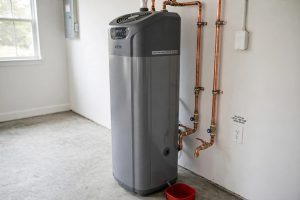
Water and energy add to the running cost. A freestanding tub holds more water, so each fill uses more hot water. A larger water heater may be needed. Water treatment also matters in some homes. Systems sold by Www.aquasana.com can soften hard water that leaves spots on a dark tub finish.
Care and Upkeep
Alcove tubs are easy to clean on the inside. The walls and the tub meet at caulked joints, and those joints need fresh caulk every few years. The surround should be scrubbed often to stop soap scum. Enameled steel can chip if a heavy object falls. Acrylic can scratch, but light scratches can be buffed out.
Freestanding tubs are easy to clean on the outside because all sides are open. The floor around the tub needs mopping since splashes land there. The faucet and drain on the floor side collect dust and need wiping. Cast iron enamel cleans with mild soap. Harsh cleaners can dull any finish over time. Deep tubs need a long-handled brush to reach the bottom without strain.
Both types last long with basic care. Check the drain and the overflow for slow leaks once a year. Keep the room vented during and after baths so moisture does not feed mold. A bath fan that runs for thirty minutes after a bath helps a great deal.
Safety
Every tub needs a safe floor. A bath mat or a textured tub bottom stops slips. Grab bars help children, seniors, and anyone with weak balance. In an alcove tub, the wall studs give solid anchors for grab bars. On a freestanding tub, there is no wall to hold, so a floor-mounted rail or a nearby vanity must serve instead.
Water temperature matters. Set the water heater to one hundred twenty degrees to cut scald risk. Test the water with a hand before a child steps in. A handheld showerhead on an alcove tub makes rinsing children easy. Deep freestanding tubs need care with small children because the water is deeper. Never leave a child alone in any tub. For seniors, a Walk in tub cost installed near me with a door and a seat may be the safest choice of all.
Frequently Asked Questions
Which tub is cheaper, alcove or freestanding? The alcove tub is cheaper by a wide margin. The tub itself costs less, the install is simpler, and the plumbing stays in the walls. A freestanding tub adds the cost of a floor faucet, new drain lines, and often floor work.
Can a freestanding tub work in a small bathroom? It can, but it is hard. The tub needs clear space on all sides for cleaning and for safe entry. In a small bath, an alcove tub uses the space better and leaves room for the toilet and sink.
Does an alcove tub hurt resale value? No. A clean alcove tub with a working shower suits most buyers. In a large master bath, buyers may hope for a freestanding tub or a big shower, but a good alcove tub never hurts a sale.
How deep is a freestanding soaking tub? Most hold eighteen to twenty inches of water at the drain. That is enough for most adults to soak to the shoulders. Alcove tubs usually hold fourteen to sixteen inches.
Can I replace my alcove tub with a freestanding tub? Yes, but the job is bigger than a simple swap. The drain moves to the middle of the room, the walls come down, and the floor gets finished all around. Budget extra time and money.
Do freestanding tubs need special faucets? Yes. They use floor-mounted or wall-mounted fillers made for freestanding tubs. The faucet must reach over the tub rim and stand stable. Standard tub spouts will not work.
A Short Final Word
The alcove vs freestanding tub comparison USA homeowners face comes down to space, use, and budget. The alcove tub wins on price, space, and the shower combo. The freestanding tub wins on comfort, depth, and style. Measure the room, list how the tub will be used, and set a firm budget. Then buy the best tub that fits the plan. A guide from Bob Vila says it well: good plumbing work starts with good planning. Either choice, installed with care, will serve the home for decades.
Related guides on this site include best whole house water filter system usa, whole house water filtration cost installed, and reverse osmosis system under sink reviews usa.
References
Delta Faucet. (n.d.). Kitchen and bathroom faucets. https://www.deltafaucet.com Family Handyman. (n.d.). DIY home repair and maintenance. https://www.familyhandyman.com Kohler. (n.d.). Bathroom and kitchen fixtures. https://www.kohler.com Lowe’s. (n.d.). Home improvement products. https://www.lowes.com Moen. (n.d.). Faucets and plumbing fixtures. https://www.moen.com Reverse osmosis system under sink reviews usa. (n.d.). Home and garden information. https://reverse-osmosis-system-under-sink-reviews-usa/ Submersible well pump reviews for deep wells. (n.d.). Home and garden information. https://submersible-well-pump-reviews-for-deep-wells/ The Home Depot. (n.d.). Home improvement products. https://www.homedepot.com This Old House. (n.d.). Home renovation guidance. https://www.thisoldhouse.com U.S. Environmental Protection Agency. (n.d.). Protecting human health and the environment. https://www.epa.gov Walk in tub cost installed near me. (n.d.). Home and garden information. https://walk-in-tub-cost-installed-near-me/ Www. (n.d.). Home and garden information. https://www
Was this guide helpful?

About Michael Thompson
The My Garden US editorial team writes practical, in-depth home and garden guides for American homeowners — tested advice, no fluff.
You May Also Like
Dry P-Trap Smell Fix for Homeowners in the USA
January 26, 2026 0 views
Wall Mounted Toilet Installation Cost USA: A Plain Guide for 2026
March 12, 2026 0 views
Drain Cleaning Cost Per Line Near Me: What Homeowners Pay in 2026
March 1, 2026 0 views