
What This Article Covers
A heat pump water heater is one of the most talked about ways to heat water in the United States today. When you study the heat pump water heater pros and cons in the USA, you find a clear and honest picture. These units can cut water heating bills by more than half. They also cost more at the start. They need space and warm air to work well. This guide walks through the facts in plain words. You will learn how these units work, where they fit best, what they cost, and how to keep one in good shape. By the end, you will know whether this type of heater suits your home.
Why It Matters: Heat Pump Water Heater Pros and Cons Usa
Hot water is the second largest energy user in most American homes. Only space heating uses more. A standard electric tank heater turns power into heat with a simple coil. It is cheap to buy but costly to run. A gas heater burns fuel and sends part of the heat up the flue. Both types have served homes for decades. But energy prices keep rising. Many families now look for ways to spend less on bills without giving up long, hot showers.
A heat pump water heater takes a different path. It does not create heat from scratch. It pulls heat from the air around it and moves that heat into the water tank. This method uses far less power than a standard coil. The result is a lower monthly bill and less strain on the power grid. For a family that uses a lot of hot water, the savings can add up fast over the years.
There is another reason these units get attention. Homes are moving away from gas where they can. A heat pump water heater runs on power alone. It gives a family one clean way to heat water without a gas line. Cities and states in many parts of the country now offer rebates for this kind of switch.
How It Works
The Basic Idea
Think of a heat pump water heater as a refrigerator working in reverse. A refrigerator pulls heat from food and dumps it into the room. A heat pump water heater pulls heat from the room air and dumps it into the water. A fan draws room air across a coil. The heat in that air moves into the tank. The air that leaves the unit is cooler and drier. That dry, cool air is a bonus in a humid basement or garage.
Hybrid Models
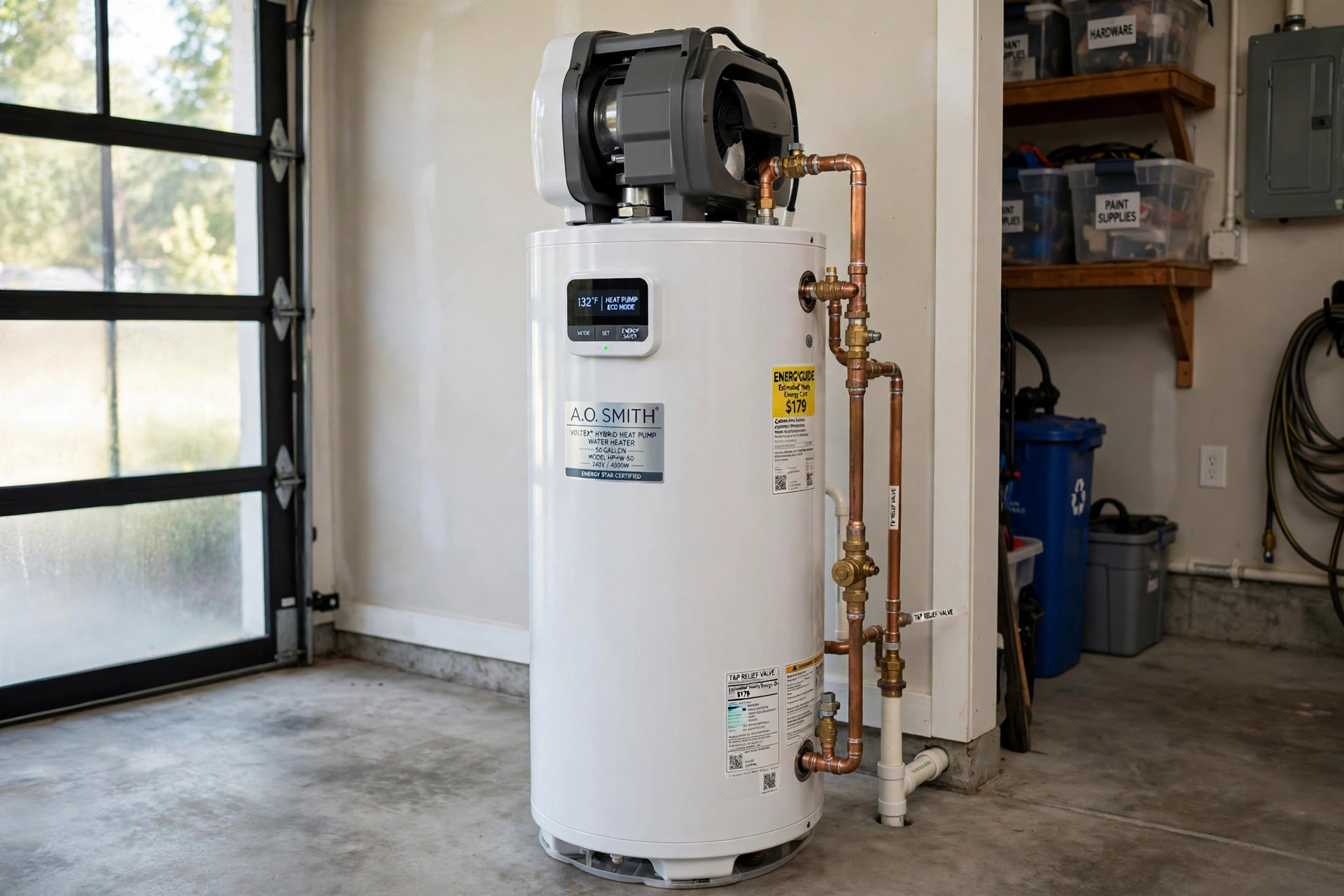
Most units sold today are called hybrid models. They have a heat pump mounted on top of a normal tank. They also keep electric coils as a backup. The unit runs in heat pump mode most of the time. When hot water demand is high, the coils step in to help. A control panel lets you pick a mode. The most efficient mode uses only the heat pump. A faster mode uses both the pump and the coils. Guides on This Old House explain these modes in simple terms for new owners.
What to Look For When You Choose One
Size and Capacity
Tanks come in 40, 50, 65, and 80 gallon sizes. A family of two can often manage with 40 or 50 gallons. A family of four or five does better with 65 or 80 gallons. Heat pump models recover more slowly than gas models. A larger tank avoids cold showers during busy mornings. Measure your doorways too. These units are tall and wide, and they must fit through the door to reach their spot.
Energy Factor and Ratings
Look at the Uniform Energy Factor, or UEF, on the label. Standard electric tanks have a UEF near 0.95. Heat pump models often reach 3.0 or higher. A higher number means less power for the same amount of hot water. Check the yellow EnergyGuide label on the box. It shows the yearly cost based on average use. That label makes it easy to compare models side by side. The U.S. Environmental Protection Agency also keeps lists of efficient models that meet strict energy rules.
Space and Placement
These units are taller than standard tanks. Many models need about seven feet of ceiling height. They also need a good volume of air around them, often 700 to 1,000 cubic feet or more. A garage, a basement, or a large laundry room works well. A small closet will not do. The unit needs room air to breathe. Some brands sell duct kits. The ducts pull warm air from one spot and push cool air to another spot. This helps in tight layouts.
Climate
Heat pumps work best where the air stays warm. In warm parts of the country, they save the most money. In cold garages in the north, they save less, because the backup coils run more often. If your garage stays above 40 degrees for most of the year, a heat pump model will still pay off. If your space runs very cold, check the savings math with care before you buy.
Noise
The fan makes a low hum when it runs. It is louder than a silent electric tank. Most owners place the unit where the sound does not bother them. A garage is ideal. A hallway near bedrooms is not. Project walkthroughs on Family Handyman show how owners plan placement to keep noise away from living areas.
Renters and Landlords
Renters cannot always swap a water heater. The unit belongs to the landlord, and a heat pump model costs real money. If you rent, talk with your landlord about the savings math. A landlord may agree when the math is clear. If a heater swap is not on the table, there are still smaller wins. See our guide on renter friendly water filter options usa for water upgrades you can take with you when you move.
Types and Options
Integrated Units
The most common type has the heat pump built into the top of the tank. You buy one box, you set it in place, and a plumber connects the pipes. This is the simplest path for a normal home swap. Major retailers like The Home Depot and Lowe’s stock these models in common sizes.
Split Systems
A split system puts the heat pump outside, like a mini split air unit, and keeps the tank inside. The two parts join through lines. Split systems work well when indoor space is tight or very cold. They cost more and need a skilled installer. They are rare in the United States but more common in some other countries.
Heat Pump Add-Ons
A few add-on units sit on top of a standard tank and turn it into a hybrid. These are less common now. Full integrated units have taken over the market. They cost less and run better than most add-ons.
Pairing With Other Plumbing Upgrades
A water heater swap is a good time to look at the rest of your plumbing. Hard water shortens the life of any heater. A softener or filter can help. Read our water softener regeneration frequency guide usa to learn how often softeners need care. Water filter makers like Aquasana publish clear guides on matching filters to local water. Small fixes matter too. A leaking toilet wastes hot water money all day long, so keep flappers fresh. Our best toilet flapper replacement reviews usa roundup can help you pick a good one.
Cost and Price
Upfront Cost
A heat pump water heater costs more than a standard tank. A standard electric tank may cost 500 to 800 dollars. A heat pump model often costs 1,500 to 2,500 dollars for the unit alone. Installation adds more. A simple swap may cost 500 to 1,000 dollars in labor. A complex job with new wiring, a condensate drain, or duct work can cost much more.
Yearly Savings
The savings are real. A family of four can save 300 to 500 dollars a year on power compared with a standard electric tank. Over ten years, that is 3,000 to 5,000 dollars back in your pocket. The payback period is often three to five years. After that, the unit earns money for you.
Rebates and Tax Credits
Federal tax credits and local utility rebates can cut the upfront cost by a lot. Some rebates reach hundreds of dollars. Tax credits have changed over the years, so check the current rules before you buy. Your utility company website is the best first stop. Many utilities list current rebate forms online.
Repair Costs
Repairs cost more than repairs on a simple tank. The heat pump has a fan, a compressor, and control boards. A service call may cost more than one for a standard unit. Parts are easy to find for major brands. Keep your model number on file so a tech can order parts fast.
Care and Upkeep
Annual Flushing
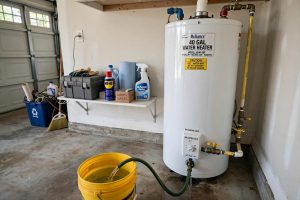
Flush the tank once a year. Sediment builds up at the bottom of every tank. Sediment makes any heater work harder. A yearly flush keeps the heat pump efficient and extends tank life. The job takes about an hour with a hose and a bucket.
Air Filter Cleaning
The heat pump has an air filter or screen. Dust clogs it over time. A clogged filter slows airflow and cuts efficiency. Most screens rinse clean in a sink. Check the filter every few months. Clean it when you see dust.
Anode Rod
Like any tank heater, a heat pump model has an anode rod. The rod protects the steel tank from rust. Check the rod every two to three years. Replace it when it is worn down. A fresh rod can add years to the tank.
Condensate Drain
The heat pump pulls moisture from the air. That water must drain away. Most units come with a condensate hose or pump. Check the drain line each year. Make sure it is clear and flowing. A clogged drain can spill water on the floor.
Hard Water
Hard water leaves scale on heating parts. Scale cuts efficiency and shortens tank life. If your water is hard, test it and act on the results. A softener or a filter helps any heater last longer. Fixture makers like Moen, Kohler, and Delta Faucet all note that water quality affects the life of plumbing products.
Safety
A heat pump water heater is safe when it is installed right. It has no flame and no gas line. That removes the risk of gas leaks and carbon monoxide from the burner. Still, safety rules apply.
Set the thermostat to 120 degrees. That setting is hot enough for daily use and cuts the risk of burns. It also slows the growth of harmful bacteria in the tank. Some homes with special needs set it higher. If you do, add a mixing valve to keep tap water safe.
The unit needs a working temperature and pressure relief valve. This valve opens if the tank gets too hot or the pressure climbs too high. Test it once a year. A plumber can replace it if it sticks.
Keep the area around the unit clear. Do not store paint, fuel, or cleaning chemicals near it. Give the fan clear airflow on all sides. The cool air it blows out is normal. In winter, that cool air can drop the temperature of a small room. Plan for that in cold climates.
Have a licensed plumber do the install. The unit needs the right wiring, the right breaker, and a proper drain. A poor install can void the warranty. It can also create water damage if the drain fails.
FAQ
How long does a heat pump water heater last?
Most units last 10 to 15 years. That matches a standard tank. Good care, soft water, and a fresh anode rod push a unit toward the high end of that range. Hard water and skipped maintenance push it toward the low end.
Does it work in cold weather?
It works, but it saves less. The heat pump pulls heat from the air. Cold air holds less heat. The backup coils run more in cold spaces. Many owners in the north place the unit in a heated basement. That keeps savings strong all year.
Will it cool my house in winter?
It cools the room it sits in by a few degrees. In a garage, that does not matter much. In a small indoor room in winter, it can matter. Duct kits solve this. They move the cool air to a spot where it does no harm.
How loud is it?
It sounds like a quiet fan or a small window air unit. You will hear it in the same room. You will not hear it through a closed door in most cases. Place it away from bedrooms to be safe.
Can I install it myself?
A handy owner can do some of the work. The unit is heavy, the wiring must meet code, and the plumbing must be right. Most owners hire a licensed plumber. The warranty often requires pro installation anyway.
Is it worth it for a small household?
It can be. A small household uses less hot water, so the dollar savings are smaller. But the savings rate is the same. With rebates, the payback is still fair for many couples. Run the math on your own bills before you decide.
A Final Word
The heat pump water heater pros and cons in the USA come down to a simple trade. You pay more on day one. You pay much less every month after. You need space, warm air, and a good spot for the unit. You get lower bills, a drier room, and no gas flame. For many American homes, that trade is a clear win. Measure your space, check your rebates, and pick the right size. A little homework now pays off for the next ten years.
References
Aquasana. (n.d.). Water filtration systems. https://www.aquasana.com Delta Faucet. (n.d.). Kitchen and bathroom faucets. https://www.deltafaucet.com Family Handyman. (n.d.). DIY home repair and maintenance. https://www.familyhandyman.com Kohler. (n.d.). Bathroom and kitchen fixtures. https://www.kohler.com Lowe’s. (n.d.). Home improvement products. https://www.lowes.com Moen. (n.d.). Faucets and plumbing fixtures. https://www.moen.com The Home Depot. (n.d.). Home improvement products. https://www.homedepot.com This Old House. (n.d.). Home renovation guidance. https://www.thisoldhouse.com U.S. Environmental Protection Agency. (n.d.). Protecting human health and the environment. https://www.epa.gov
Was this guide helpful?

About Emily Rodriguez
The My Garden US editorial team writes practical, in-depth home and garden guides for American homeowners — tested advice, no fluff.
You May Also Like
Water Heater Expansion Tank Installation Cost: A Plain Guide
June 5, 2026 0 views
Best Water Leak Sensors for Basement USA
September 12, 2026 0 views
Best Macerating Toilet for Basement USA: A Practical Guide for Homeowners
July 31, 2026 0 views