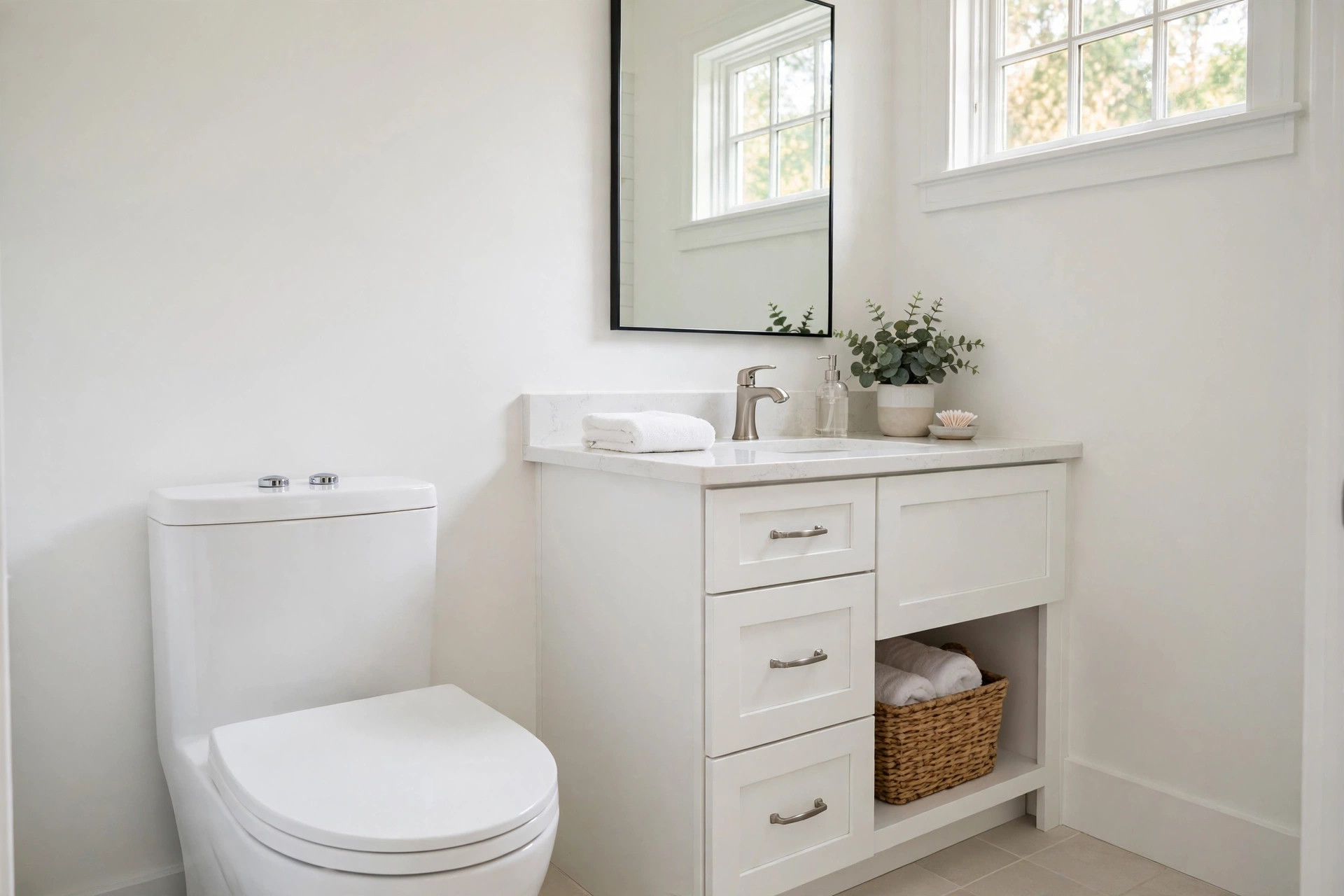

This guide to dual flush toilet pros and cons reviews USA gives you a plain look at the facts. The dual flush toilet came to America from Australia and Europe. It has two flush buttons. One button gives a light flush for liquid waste. The other gives a full flush for solid waste. The idea is simple. It uses less water most of the time. Over the years, these toilets have moved from a novelty to a common sight in hardware stores across the country.
Reviews from American homeowners are mixed but steady. Many people praise the water savings. Some complain about the flush strength or the learning curve. This article lays out the real pros and cons so you can decide if a dual flush toilet fits your home.
Why It Matters
Water bills keep climbing in many parts of the United States. Old toilets use three and a half gallons per flush. Some ancient models use even more. Modern federal law limits new toilets to 1.6 gallons per flush. A dual flush toilet uses about 1.6 gallons for the full flush. The light flush uses only 0.8 to 1.1 gallons.
In a home with four people, each person flushes about five times a day. Most of those flushes are for liquid waste. The light button gets pressed far more often than the full one. Over a year, that difference adds up to thousands of gallons. In dry states such as California, Texas, and Arizona, water conservation matters even more. Some local water districts offer rebates for low-flow fixtures. A dual flush model can qualify for those programs.
The septic system angle matters too. Homes on a septic tank send less water into the drain field when flushes are lighter. A drain field that stays drier lasts longer. Tank pump-outs may come less often. These are quiet savings that rarely show up in ads.
There is also a comfort angle. Guests in your home may not know which button to press. Kids may press both at once. These small human factors matter. Real reviews from across the USA often mention this learning curve more than any technical flaw.
How to Choose: What to Look For: Dual Flush Toilet Pros and Cons Reviews Usa
Flush strength and bowl design
Not all dual flush toilets flush the same way. Reviews point to flush power as the top concern. Look for a model with a glazed trapway and a wide flush valve. A three-inch flush valve moves more water with more force than a two-inch one. This reduces the need for a second flush, which would wipe out your savings.
Bowl shape and comfort height
Round bowls save space in small bathrooms. Elongated bowls offer more comfort and are easier to keep clean. Comfort height models sit about two inches higher than standard ones. Taller adults and older users often prefer them. The extra height costs little but changes daily comfort a lot.
One-piece or two-piece
A two-piece toilet has a separate tank and bowl. It costs less and is easier to carry into the home. A one-piece toilet has the tank and bowl fused together. It is easier to wipe down because there are fewer seams. One-piece models cost more and weigh more.
WaterSense rating
The federal WaterSense label marks toilets that use twenty percent less water than the standard. Look for this label on the box. It is a simple way to be sure the model meets a real standard and not just a marketing claim.
Rough-in size
Measure from the wall to the center of the floor bolts. Most American homes use a twelve-inch rough-in. Older homes may have ten or fourteen inches. Buy the wrong size and the toilet will not fit.
Types and Options
Top-button models. The buttons sit on the tank lid. This is the most common style. It is clean and easy to reach. One downside: you cannot set anything on the tank lid.
Side-lever models. These look like a normal toilet from the outside. A lever on the side pushes up for a light flush and down for a full flush. They suit homes where family members dislike the button style.
Wall-hung models. The tank hides inside the wall. Only the bowl shows. They look modern and make floor cleaning easy. They cost more to install. They need a strong wall frame.
One-piece and two-piece. As noted above, one-piece models cost more and clean easier. Two-piece models are lighter on the wallet and easier to install on your own.
Smart add-ons. Some models include a bidet seat or a soft-close lid. These add comfort but also add cost. They do not change the flush itself.
Pressure-assisted dual flush. A small group of models uses air pressure to boost the flush. They are louder but clear the bowl with great force. They suit homes with long drain runs or old pipes. Reviews praise their power but warn about the noise.
Cost and Price
A basic dual flush toilet at a big home store runs from one hundred to two hundred fifty dollars. Mid-range models with better glazing and comfort height cost two hundred fifty to four hundred fifty dollars. Premium one-piece models and wall-hung units can reach seven hundred dollars or more. Online prices run close to store prices.
Installation costs matter too. If you can swap the toilet yourself, you spend nothing on labor. Hiring a plumber costs about one hundred fifty to three hundred fifty dollars in most American cities. The job takes about an hour for a standard swap. If the old toilet flange sits below the floor level, the plumber may need to add a spacer. That small fix can add fifty to one hundred dollars.
Water savings show up on the bill slowly. A typical family may save two to three thousand gallons a year. In cities with high water rates, that can mean forty to eighty dollars a year. Over ten years, the toilet can pay for itself twice over. Rebates from local water agencies can cut the payback time in half. Check your local utility website before you buy. Many utilities list approved models on their rebate pages.
Care and Upkeep
Dual flush toilets need the same basic care as any toilet. Clean the bowl once a week with a mild cleaner. Harsh chemicals can wear down the rubber seals inside the tank. Check the flapper or seal twice a year. If the toilet runs on its own, the seal is likely worn. A new seal costs a few dollars and takes ten minutes to replace.
The buttons sometimes stick. A small amount of mineral oil on the moving parts can fix a sticky button. In homes with hard water, the flush valve can build up scale. A yearly check keeps the mechanism smooth.
One caution: the parts are not always standard. A dual flush unit from one brand may not accept a flapper from another. Keep the model number written down. Store it inside the tank lid with tape. That way you have it when you need a part.
Do not drop cleaning tablets into the tank. They can eat through the rubber seals faster. Clean the bowl itself and leave the tank alone.
If the buttons stop working all at once, check the rod or cable that links them to the valve. It may have slipped off. Re-seating it takes a minute with the lid off. Keep spare batteries on hand if your model uses an electronic button. They last a year or two in most cases.
Safety
Toilets are safe fixtures, but a few points deserve care. The tank lid is heavy. It can crack if it falls on a tile floor. Children can get fingers caught under a soft-close lid less often, but a standard lid can pinch. A soft-close seat is a cheap and easy upgrade.
During installation, turn off the water supply valve first. Empty the tank and bowl before you lift the old toilet. Porcelain is heavy and sharp when broken. Wear gloves. If the old toilet breaks apart, wrap the pieces in old towels before you carry them out.
Wall-hung models need a proper carrier frame inside the wall. A badly supported frame can fail under weight. Hire a plumber with experience in these units. Do not treat it as a beginner job.
Frequently Asked Questions
Do dual flush toilets really save water? Yes, when used as intended. The light flush uses about half the water of a full flush. Most flushes in a home are for liquid waste. Real savings depend on your family pressing the right button each time. Studies and homeowner reviews in the USA put savings at fifteen to twenty-five percent over a standard 1.6-gallon toilet.
Are dual flush toilets harder to repair? They can be. The button mechanism has more small parts than a simple handle. Most repairs are still basic: replace a seal, clean a valve, fix a sticky button. The catch is that parts are brand-specific. Buy a common brand with easy-to-find parts. That advice comes up again and again in American reviews.
Will a dual flush toilet clog more often? A good model should not. Clogs happen when the flush is weak or the drain line has trouble. Pick a model with a wide flush valve and a fully glazed trapway. Old houses with narrow or rough cast-iron drains can have more trouble. In those homes, a pressure-assisted model may work better.
Can I convert my old toilet to dual flush? Yes. Conversion kits exist that replace the handle with a two-button top. They cost about twenty to forty dollars. Reviews are mixed. Some users report good results. Others report weak flushes and frequent double flushing. A full toilet replacement gives more reliable results.
Do I need a plumber to install one? Most able homeowners can do it. The steps are the same as any toilet swap. You need a new wax ring, a wrench, and about an hour. If your flange is damaged or the floor is uneven, call a plumber. Wall-hung models always need a professional.
Are dual flush toilets noisy? Some are louder than old gravity models. The noise comes from the faster water release. It lasts only a second or two. Reviews rarely call it a deal breaker. If your bathroom sits next to a bedroom, test a display model at the store first if you can. Gravity models are quieter than pressure-assisted ones.
A Final Word
The dual flush toilet is a solid, proven fixture. It saves water without asking much of you. The pros are real: lower water bills, less waste, and rebate chances in many states. The cons are real too: a learning curve for guests, brand-specific parts, and some models that flush weaker than they should.
Read reviews for the exact model you plan to buy, not just the brand. Look for steady praise of flush strength over months of use. That is the detail that separates a good buy from a regret. A brand with a wide dealer network also makes future parts easier to find. With the right model, a dual flush toilet serves an American home well for twenty years or more.
For other plumbing topics in your home, you may also want to read about water softener salt delivery service, polybutylene pipe replacement cost, and renter friendly water filter options.
For more background, see Delta Faucet, Kohler, and Aquasana. For more background, see This Old House, Family Handyman, and Moen. Buying guides are also published by U.S. Environmental Protection Agency and The Home Depot.
References
Aquasana. (n.d.). Water filtration systems. https://www.aquasana.com Delta Faucet. (n.d.). Kitchen and bathroom faucets. https://www.deltafaucet.com Family Handyman. (n.d.). DIY home repair and maintenance. https://www.familyhandyman.com Kohler. (n.d.). Bathroom and kitchen fixtures. https://www.kohler.com Moen. (n.d.). Faucets and plumbing fixtures. https://www.moen.com The Home Depot. (n.d.). Home improvement products. https://www.homedepot.com This Old House. (n.d.). Home renovation guidance. https://www.thisoldhouse.com U.S. Environmental Protection Agency. (n.d.). Protecting human health and the environment. https://www.epa.gov
Was this guide helpful?

About David Wilson
The My Garden US editorial team writes practical, in-depth home and garden guides for American homeowners — tested advice, no fluff.
You May Also Like
Hard Water Stains on Fixtures Solutions USA
June 30, 2026 0 views
UV Water Purifier for Well Water Reviews: What Rural Homeowners Should Know
September 6, 2026 0 views
Handheld Bidet Sprayer Installation Guide for USA Homes
February 7, 2026 0 views