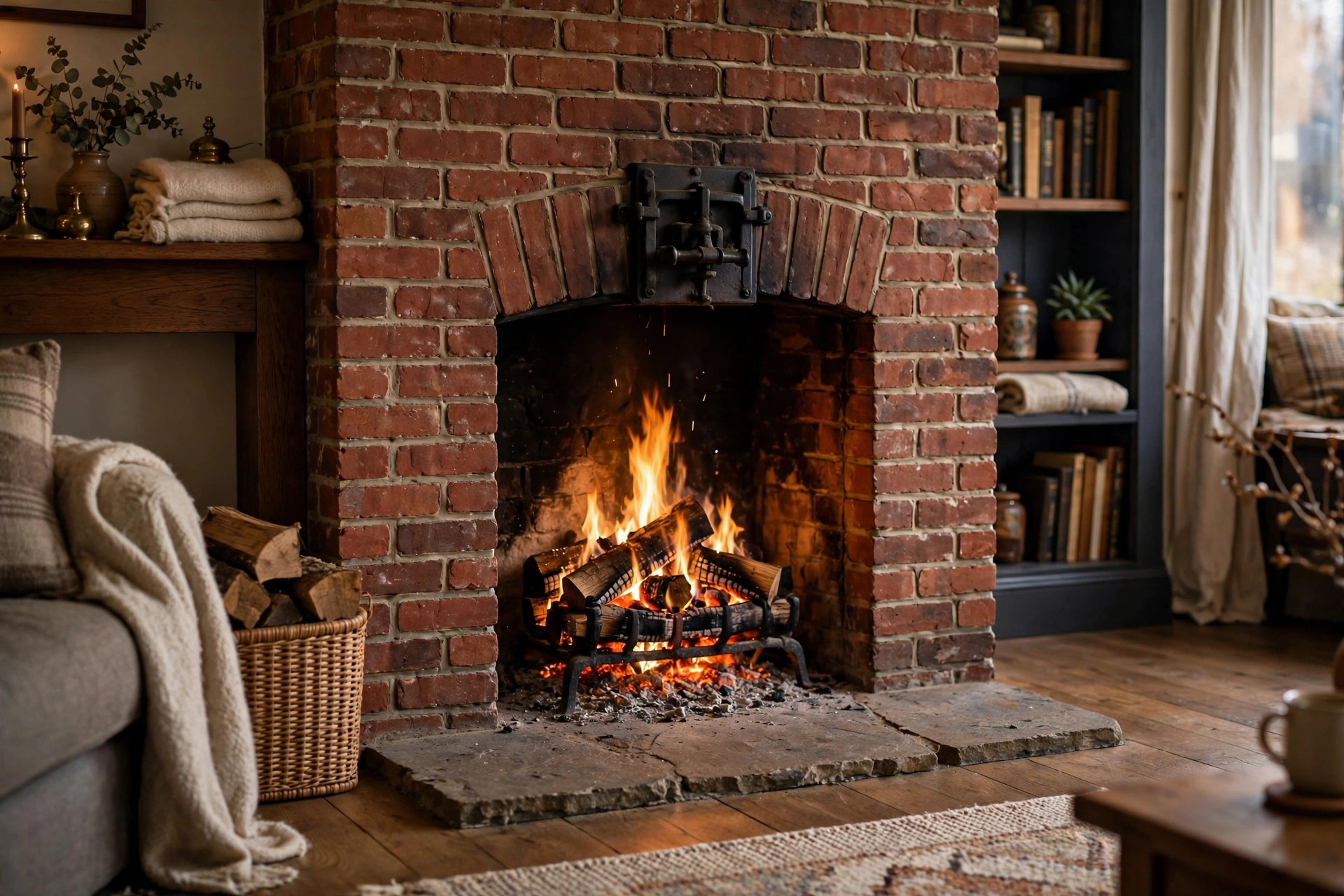

When winter comes, many American homes turn to the fireplace for warmth and comfort. Yet a great deal of that warmth can slip right up the chimney and out of the house. That is where affordable fireplace dampers for sale can help. A damper is a small metal plate or seal inside the chimney that opens when you light a fire and closes when the fire is out. It sounds simple, and it is. But this simple device can save real money on heating bills and make the home safer. This guide explains what dampers do, the main types you can buy, how to choose one for your fireplace, what they cost, and how to keep one working well for years.
Why a Damper Matters
Every open chimney is a hole in the roof. When the fireplace is not in use, warm air from the house rises through that hole and leaves the home. Experts have long noted that an open flue can waste as much heat as a small open window in winter. A damper closes that hole. With the damper shut, heated air stays inside the rooms instead of drifting up and out.
A damper also keeps cold air, rain, and small animals out of the chimney when no fire burns. In the hot months it helps keep cooled air from air conditioning inside the house. For these reasons, many homeowners who shop for affordable fireplace dampers for sale are really buying year-round comfort.
Safety is the other reason dampers matter. The damper must open fully before a fire is lit so smoke and carbon monoxide can leave the house through the flue. A damper that sticks or is missing can send smoke back into the living room. That is a health hazard. A working damper is one of the basic parts of a safe fireplace, along with a clean flue and a proper chimney cap.
How to Choose the Right Damper: Affordable Fireplace Dampers for Sale
Before you buy, you need to know your fireplace. The first step is to measure the flue. A flue is the inner passage of the chimney, and it is usually square, round, or rectangular. Measure the inside width and depth of the flue at the top of the chimney, or measure the firebox opening if you plan to buy a throat damper. Write down the numbers. Damper sizes are sold by these exact measurements, and a size that is even a half inch off may not seal well.
The second step is to decide where the damper will sit. A throat damper sits just above the firebox, inside the fireplace. It is the classic kind, worked by a handle or chain you can reach from the hearth. A top-sealing damper sits at the very top of the chimney, where the flue meets the sky. It opens and closes with a cable that runs down the flue to the firebox. Each spot has strengths, and the right choice depends on your chimney and your budget.
The third step is to check the condition of your chimney. If the flue tiles are cracked or the mortar is crumbling, a new damper alone will not fix the problem. In that case it is wise to have a chimney sweep inspect the system before you spend money. The EPA wood heating guidance offers plain advice on safe wood burning and chimney care that every fireplace owner should read.
Main Types of Dampers
Throat Dampers
The throat damper is the oldest and most common type. It is a cast-iron or steel plate that sits in the throat of the fireplace, the narrow part just above the firebox. A handle or a rotary control opens and closes it. Throat dampers are simple and strong. They handle heat well and cost little. Their weakness is the seal. Even when closed, a throat damper often leaves small gaps around its edges, so some air still escapes. For many older fireplaces, though, the throat damper is what fits, and a new one is far better than a rusted one that will not close at all.
Top-Sealing Dampers
A top-sealing damper fits over the top of the flue like a lid. When the fire is out, the lid drops shut and seals the flue tightly with a rubber or silicone gasket. This tight seal is the great advantage of the top-sealing kind. It can cut air loss far more than a throat damper can. Many models also act as a chimney cap, keeping out rain, snow, and animals when closed. The trade-off is price. Top-sealing dampers cost more than throat dampers, and the cable system needs care during installation. Still, for homeowners who want the best seal for the money, they are worth a close look.
Flue Dampers and Stove Dampers
A flue damper is a round plate that sits inside a round metal flue pipe, often on a wood stove or a fireplace insert. It turns on a spindle to open or close the pipe. A stove pipe damper works the same way on a free-standing wood stove. These are not for open masonry fireplaces. If you heat with a wood stove, a pipe damper gives you control over the draft, which helps the stove burn more steadily. Reviews of stove and hearth gear on sites such as Napoleon and Heatilator can help you compare the way these parts are built.
What Affordable Fireplace Dampers Cost
Affordable fireplace dampers for sale span a wide price range, and the word affordable is fair. A basic replacement throat damper for a standard masonry fireplace often costs between thirty and eighty dollars. A top-sealing damper for a typical square or rectangular flue often runs between one hundred and two hundred fifty dollars. Stainless steel models and larger sizes cost more, sometimes up to four hundred dollars.
Installation adds to the total. A throat damper can often be fitted by a handy homeowner in an afternoon, so the cost may be just the part itself. A top-sealing damper calls for a trip onto the roof, and many owners hire a chimney sweep or handyman for the job. That labor can add one hundred to three hundred dollars. When you compare prices at large home stores such as Home Depot and Lowe’s, remember to add the cost of any mounting hardware, high-heat sealant, and the cable kit if one is needed.
It also pays to think about payback. A damper that seals well can trim heating costs through every cold month. Over a few winters, the savings on fuel can be greater than the price of the damper. A cheap damper that does not seal, on the other hand, saves nothing. Affordable does not have to mean flimsy. Look for solid steel or cast iron, a smooth working mechanism, and a warranty of at least a year.
Care and Upkeep
A damper needs little care, but it does need some. Once a year, before the heating season, open the damper fully and look at it with a flashlight. Check for rust, warping, and soot buildup. Move the handle or pull the cable and watch the plate. It should swing freely and settle firmly in both the open and the closed positions. If it sticks, a wire brush and a small amount of high-heat lubricant on the pivot points will usually free it.
Have the chimney cleaned by a professional sweep once a year if you burn wood often. The sweep can check the damper at the same time. Creosote, the tar-like substance that builds up in chimneys, can glue a damper shut or keep it from closing. A clean flue keeps the damper moving and lowers the risk of a chimney fire. The repair guides at This Old House and Family Handyman show the basic steps of fireplace upkeep in clear detail.
If your damper is badly rusted or warped, do not force it. Replacement is safer than repair for a part that controls smoke. Keep the old damper’s measurements, since they make ordering the new one easy.
Safety Notes
Never light a fire with the damper closed. This is the first rule of fireplace safety. Smoke and carbon monoxide must have a clear path up the flue. Open the damper fully and check that it is open before you strike a match. Many families tie a small tag to the damper handle as a reminder during the burning season.
Install a carbon monoxide detector in the room with the fireplace and test it each month. If smoke ever spills into the room, put out the fire, open windows, and call a chimney professional before using the fireplace again. A smoke stain above the fireplace opening can be a sign that the damper is not opening all the way.
Keep children and pets away from the damper controls. A curious child can close a damper while a fire burns, which is dangerous. Some families fit a simple lock or guard on the handle. Good fireplace screens and tool sets add another layer of protection around the hearth, and a tested fireplace tool set keeps logs and embers under control while the fire burns.
Frequently Asked Questions
How do I know if my damper is broken?
Stand in the firebox with a flashlight and look up. Try the handle. If the plate does not move, moves only partway, or is rusted through, it needs work. Another sign is a cold draft pouring down the chimney in winter even when the damper handle is in the closed position. A chimney sweep can confirm the diagnosis in minutes.
Can I install a damper myself?
Many homeowners install a throat damper themselves, since the work happens inside the firebox at arm’s reach. A top-sealing damper is harder because it requires safe roof access and careful fitting at the flue top. If you are not steady on a roof, hire a professional. The Consumer Reports buying guides remind shoppers to weigh installation cost as part of the true price.
Will a new damper lower my heating bills?
It can, especially if your old damper is missing or will not close. A tight-sealing top damper makes the biggest difference because it stops the steady leak of warm air up the flue all winter. The savings are smaller in mild climates, where the heating season is short, but the comfort gain is real everywhere.
Do gas fireplaces need dampers?
Vented gas fireplaces still need an open flue to carry away combustion gases, so the damper question is different for them. Many building codes require the damper to be locked open or removed on a vented gas log set. Vent-free gas units have no flue at all. If you are unsure, check your local code or ask a certified installer. The U.S. Department of Energy publishes plain facts about fireplace efficiency that apply to both wood and gas units.
How long does a damper last?
A cast-iron throat damper can last twenty years or more with light use and yearly cleaning. Top-sealing dampers often last ten to fifteen years before the gasket or cable needs replacement. Heavy use, wet chimneys, and salt air near the coast shorten the life of any damper. If you are also shopping for fireplace glass doors, remember that doors and dampers work as a team to control airflow and heat.
Should I buy a top-sealing or a throat damper?
Choose a top-sealing damper if your chimney top is easy to reach and you want the tightest seal and the lowest heat loss. Choose a throat damper if you want the lowest upfront cost and a part you can install yourself in an afternoon. Either one beats a missing or broken damper by a wide margin.
A Final Word
A fireplace damper is a small part with a large job. It guards your heat, your air quality, and your safety. The good news is that affordable fireplace dampers for sale are easy to find, and most cost less than a single month of winter heating fuel. Measure your flue, pick the type that fits your chimney and your budget, and keep it clean and working. Your home will be warmer, your fuel will go further, and every fire you light will burn the way it should.
References
Consumer Reports. (n.d.). Product reviews and ratings. https://www.consumerreports.org Family Handyman. (n.d.). DIY home repair and maintenance. https://www.familyhandyman.com Heatilator. (n.d.). Fireplaces and fireplace products. https://www.heatilator.com Lowe’s. (n.d.). Home improvement products. https://www.lowes.com Napoleon. (n.d.). Fireplaces, grills, and heating products. https://www.napoleon.com The Home Depot. (n.d.). Home improvement products. https://www.homedepot.com The Spruce. (n.d.). Home and garden advice. https://www.thespruce.com This Old House. (n.d.). Home renovation guidance. https://www.thisoldhouse.com U.S. Department of Energy. (n.d.). Energy efficiency and renewable energy. https://www.energy.gov U.S. Environmental Protection Agency. (n.d.). Protecting human health and the environment. https://www.epa.gov
Was this guide helpful?

About Robert Taylor
The My Garden US editorial team writes practical, in-depth home and garden guides for American homeowners — tested advice, no fluff.
You May Also Like
Where to Buy Wood Burning Stoves in Colorado
September 13, 2026 0 views
Best Propane Fire Pits Buying Guide for American Homes
March 1, 2026 0 views
Premium Chimney Inspection Services Near Me: A Homeowner’s Guide
August 7, 2026 0 views