
Winter in Colorado asks a great deal of a fire. At high altitude the air is thin, the wood is cold, and a damp morning can make even dry logs stubborn. A good fire starter and proper kindling turn a long struggle with matches into a small, warm success. For many Colorado homeowners the simplest path is to buy fire starters and kindling online in colorado and have them shipped to the door before the first snow.
This guide covers the types worth your money, how to choose them, what they cost, how to store them, and the safety rules that matter in this state.
Why Fire Starters and Kindling Matter in Colorado
A fireplace or wood stove is only as good as its first five minutes. If the fire does not catch quickly, smoke backs into the room, the glass on the stove door clouds with soot, and the chimney draws poorly. Kindling is the bridge between a spark and a full log. Fire starters are the spark made reliable.
Colorado adds its own demands. Much of the state sits above 5,000 feet. Air at that height holds less oxygen, and fires can be slower to take hold. Cold snaps in the mountains push well below zero. Many families live far from stores, and a trip to town in winter is not always easy. When you buy fire starters and kindling online in colorado, you can stock up in September instead of driving for supplies in January.
There is another reason. Colorado faces wildfire danger every year. Many counties set burn bans and red flag warnings during dry months. When fires are allowed, they should be lit cleanly and managed well. A quick, clean start means less smoke and less chance of stray sparks. The Environmental Protection Agency runs its Burn Wise program to teach safer home wood burning (Environmental Protection Agency).
Types of Fire Starters You Can Buy Online: Buy Fire Starters and Kindling Online in Colorado
Fire starters come in more forms than most shoppers expect. Each has strengths. None is perfect for every home.
Wax and Sawdust Cubes
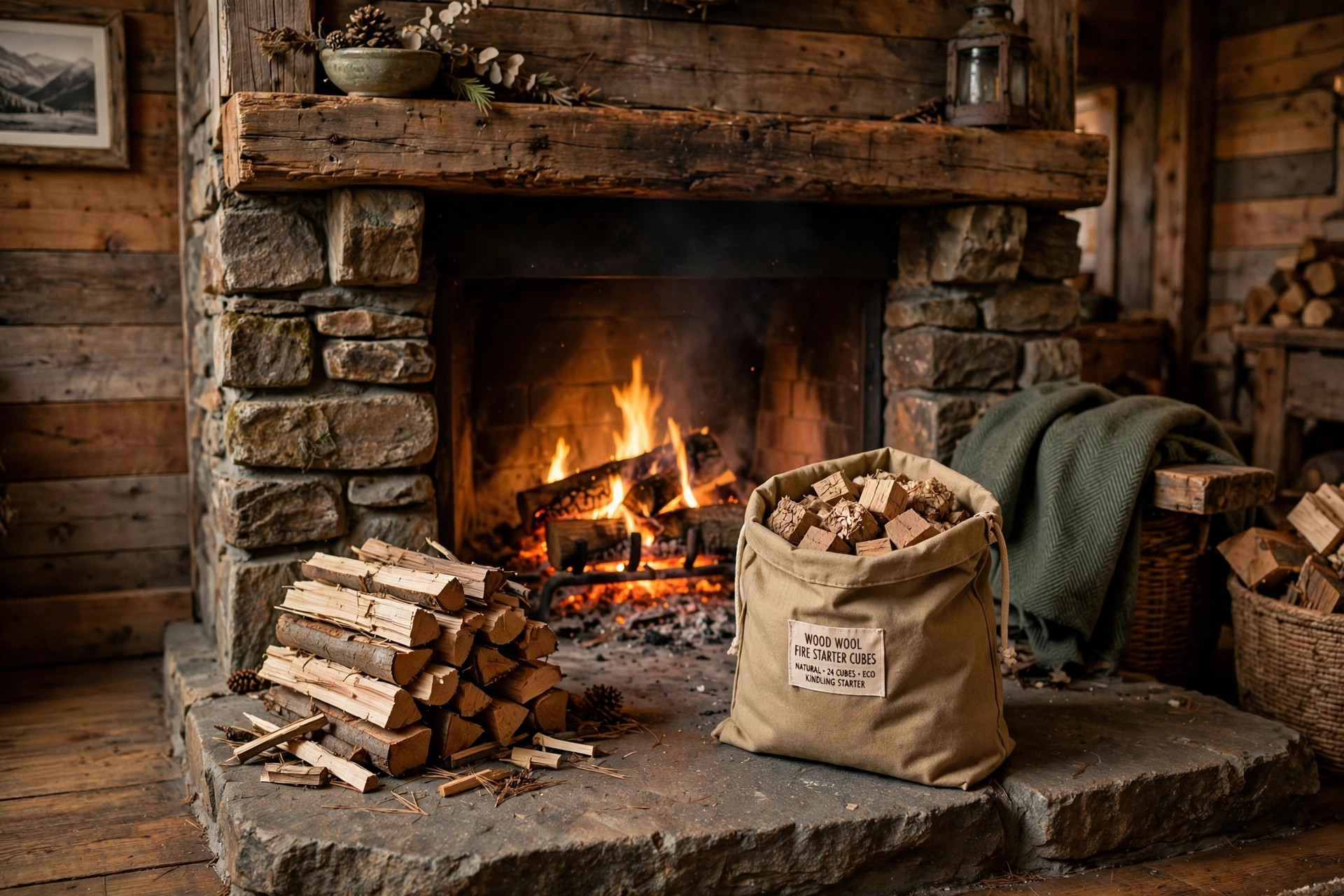
These are small squares or pods made of compressed sawdust and food grade wax. They are the most common type sold online. You tuck one or two under the kindling and light them. They burn for ten to fifteen minutes with a steady flame. They cost little and store for years. Many are sold in boxes of 24, 48, or 144. They are odorless and leave little ash.
Wood Wool and Natural Fiber Starters
Wood wool is fine shavings of pine pressed into balls or nests. Some are dipped in wax. They catch a match at once and burn hot for a few minutes. Shoppers who want no chemicals often pick these. They are light, so shipping is cheap.
Gel and Paste Starters
Gels come in bottles or tubes and are squeezed onto the logs. They burn long and hot. They suit larger fireplaces where the fuel needs more help. Keep them well away from the fire between uses, and never add gel to an open flame. Read the label every time.
Electric Fire Starters
An electric starter is a metal wand that plugs into an outlet. It glows hot in minutes and lights the kindling without any flame of its own. There is nothing to reorder and nothing to store. They work well for people who dislike handling wax or chemicals. The trade is time. They take longer than a match on a wax cube.
Fatwood and Resin Sticks
Fatwood is pine heartwood full of natural resin. It smells sharp and sweet, catches fast, and burns very hot. Many campers swear by it. For home use it is excellent kindling, and a small bundle lasts a long time. It is fully natural, which appeals to many Colorado buyers.
When you buy fire starters and kindling online in colorado, look at product pages that list burn time per piece. A starter that burns eight minutes is fine for dry kindling. One that burns twenty minutes will light damp or larger wood.
Kindling: What to Look For
Kindling is small dry wood split into thin sticks. Its job is to catch from the starter and grow the flame until the logs take. Good kindling is dry, split thin, and free of bark and paint.
You can buy kindling in bags or boxes online. Look for pieces about the width of a thumb and no longer than a foot. Hardwood kindling, such as oak or maple, burns longer. Softwood kindling, such as pine or fir, catches faster. Many Colorado homes do well with a mix. Pine is common in the state, and it lights with little effort.
Check the moisture claim on the listing. Kiln dried kindling is the safest buy. It arrives dry no matter the season. Air dried kindling from a local seller can be fine in summer but may need a few weeks indoors in winter. If the bag feels heavy for its size, the wood may still hold water. Dry kindling feels light and sounds hollow when two sticks are tapped together.
Some sellers ship kindling in boxes sized for a full season. A box of 30 to 40 pounds can carry a cabin through many weekends. For a full time home with a wood stove, plan on much more. A firewood storage rack on the porch keeps the daily supply close and dry, and guides on choosing affordable firewood storage racks with free shipping can help you size one for your space.
How to Choose the Right Products for Your Home
Start with your fireplace or stove. A small wood stove needs small starters and fine kindling. A large open fireplace can take bigger pieces. An outdoor fire pit needs starters that burn long enough to dry damp logs, since pit wood often sits outside.
Next, think about who lights the fire. If many hands share the chore, simple wax cubes are the easiest to teach. If you want the most natural product, pick wood wool or fatwood. If smell matters, note that some wax starters have a faint odor while burning. Most people notice nothing at all.
Read reviews with care. Look for buyers in mountain states. A starter that works at sea level may be slow at 9,000 feet in Leadville. Reviews from Colorado, Wyoming, and Utah tell you more than a hundred reviews from warm states.
Check certifications and claims. Fire starters sold in the United States should carry clear labels about contents and safe use. Avoid any product that does not list its ingredients.
Buying Online in Colorado: Shipping, Altitude, and Local Rules
Online shopping has made it easy to buy fire starters and kindling online in colorado, but a few state facts shape the purchase.
Shipping is the first. Wax starters and fatwood ship like ordinary goods. Gel starters and some chemical products may face shipping limits to certain zip codes or may only go by ground. Read the shipping notes before you pay. In mountain towns, ground shipping can take longer than the estimate, so order early in the season.
Altitude is the second. At high elevation, fires need more air and more patience. Buy a starter with a longer burn time than you think you need. Keep kindling split fine. A thick stick that lights easily in Denver may smolder in Aspen.
Local rules are the third. Colorado counties set fire restrictions during dry periods, and some towns ban outdoor burning for part of the year. Indoor fireplaces and stoves usually remain legal, but wood burning rules can change during bad air days along the Front Range. Check your county website before the season starts. The state energy office publishes guidance on efficient home heating that is worth a look for stove owners (U.S. Department of Energy).
If your stove is old, worn, or new to you, read a buying guide for where to buy wood burning stoves in colorado before the cold sets in. A modern stove burns less wood for the same heat, and it starts easier with the starters described here.
Cost and Price
Fire starters are one of the cheapest parts of home heating. A box of 48 wax cubes often sells online for between ten and twenty dollars. That is less than fifty cents per fire. Wood wool nests cost a little more per piece. Fatwood bundles run higher still, but a single stick can start several fires.
Kindling costs more because wood is heavy to ship. A 20 pound box of kiln dried kindling often sells for twenty to forty dollars online. Larger boxes of 40 pounds or more bring the per pound price down. Some sellers offer free shipping above a set order size, which can cut the real cost by a third.
Do the math for a season. If you light fires on 100 winter nights and use two starters a night, you need 200 starters. A bulk box of 144 plus a second small box covers the season for about thirty dollars.
Watch for autumn sales. Online retailers often cut prices on hearth products in September and October. Stocking up then beats paying full price in December when demand peaks.
Storing Fire Starters and Kindling
Fire starters last for years if kept dry. Wax cubes and wood wool do well in a sealed plastic bin in a garage or mudroom. Keep gels upright with caps tight, away from heat. Fatwood keeps its resin for a very long time and asks for nothing but a dry corner.
Kindling needs air, not plastic. Store it in a ventilated rack or crate where air can move. A covered porch is ideal. Indoors, a small log holder near the hearth keeps a few days of kindling ready. Never pile kindling against a hot stove wall. Keep everything out of reach of small children and pets. Wax cubes can look like candy to a toddler. Gels are poison if swallowed. A high shelf or a latched cabinet is the right home for chemical products.
Colorado’s dry air is a friend to stored fuel. Kindling left indoors for a week or two will dry further and light even faster.
Fire Safety Every Colorado Home Should Follow
A fire starter makes lighting easy. That ease calls for respect. Follow these rules every time.
A screen or glass doors should always be used on the fireplace. Sparks can jump farther than you think. If you are shopping for a new look as well as safety, ideas for buy tile fireplace surrounds online in colorado can pair a fresh surround with a proper screen.
Never use gasoline, kerosene, or lighter fluid meant for charcoal in a fireplace. Fire starters are made for this job. Flammable liquids are not. The Consumer Product Safety Commission and fire services repeat this warning every year because people still ignore it.
Open the flue before you light the starter. A closed flue sends smoke and carbon monoxide into the room. Make it a habit to check the flue handle every single time, even if you are sure it is open.
Have the chimney cleaned and checked once a year. Creosote builds up from wood smoke, and a chimney fire burns hot enough to crack masonry. A certified chimney sweep can spot cracks and worn liners (This Old House).
Keep a working smoke alarm and a carbon monoxide alarm on each floor. Test them monthly. Keep a fire extinguisher near the hearth, and make sure every adult in the house knows how to use it (Family Handyman).
Teach children that fire starters are tools, not toys. Store matches and lighters high and out of sight.
Frequently Asked Questions
How many fire starters do I need per fire? One is usually enough. Place it under a small stack of kindling and light it. In very cold weather or with large logs, use two. More than two is rarely needed and wastes money.
Can I use fire starters in a wood stove? Yes. Wax cubes, wood wool, and fatwood all work in wood stoves. Gels work too, but read the stove manual first. Some stove makers warn against certain chemical starters. When in doubt, call the maker. Stove maker sites such as Napoleon publish manuals and guidance for their models (Napoleon).
Are fire starters safe for the chimney? Good starters are. They burn clean and leave little residue. What harms chimneys is wet wood, smoldering fires, and skipped cleanings. Heatilator, a longtime fireplace maker, notes that hot, efficient fires produce less creosote than slow smoky ones (Heatilator).
What is the difference between kindling and firewood? Kindling is small, thin wood that catches fire easily. Firewood is the larger split logs that keep the fire going for hours. You need both. Starters light the kindling. Kindling lights the firewood. Skipping the kindling step is the most common reason home fires fail.
Should I buy kindling online or split my own? If you heat with wood all winter, splitting your own saves money. If you burn fires on weekends or in a single fireplace, buying kiln dried kindling online is simpler and often cheaper than the time splitting takes.
Do fire starters expire? Wax and wood wool starters keep for years in a dry place. Gels can thicken or separate after a few years; check the date on the bottle. Fatwood keeps its resin for a very long time. If a starter looks or smells wrong, replace it. At these prices there is no reason to risk a bad one.
A Short Final Word
To buy fire starters and kindling online in colorado is a small decision that pays off all winter. A dry box of kindling and a bag of wax cubes cost less than a dinner out, and they turn fire lighting from a chore into a pleasure. Choose a long burning starter, buy kiln dried kindling, store both dry, and respect the basic safety rules (The Home Depot; Lowe’s).
Buying guides are also published by The Spruce and U.S. Environmental Protection Agency.
References
Family Handyman. (n.d.). DIY home repair and maintenance. https://www.familyhandyman.com Heatilator. (n.d.). Fireplaces and fireplace products. https://www.heatilator.com Lowe’s. (n.d.). Home improvement products. https://www.lowes.com Napoleon. (n.d.). Fireplaces, grills, and heating products. https://www.napoleon.com The Home Depot. (n.d.). Home improvement products. https://www.homedepot.com The Spruce. (n.d.). Home and garden advice. https://www.thespruce.com This Old House. (n.d.). Home renovation guidance. https://www.thisoldhouse.com U.S. Environmental Protection Agency. (n.d.). Protecting human health and the environment. https://www.epa.gov
Was this guide helpful?

About Robert Taylor
The My Garden US editorial team writes practical, in-depth home and garden guides for American homeowners — tested advice, no fluff.
You May Also Like
High Efficiency Andirons for Fireplaces Buying Guide
March 30, 2026 0 views
High Efficiency Gas Log Sets for Sale: What to Know Before You Buy
July 5, 2026 0 views
Budget Friendly Fireplace Hearth Rugs Buying Guide
March 24, 2026 0 views