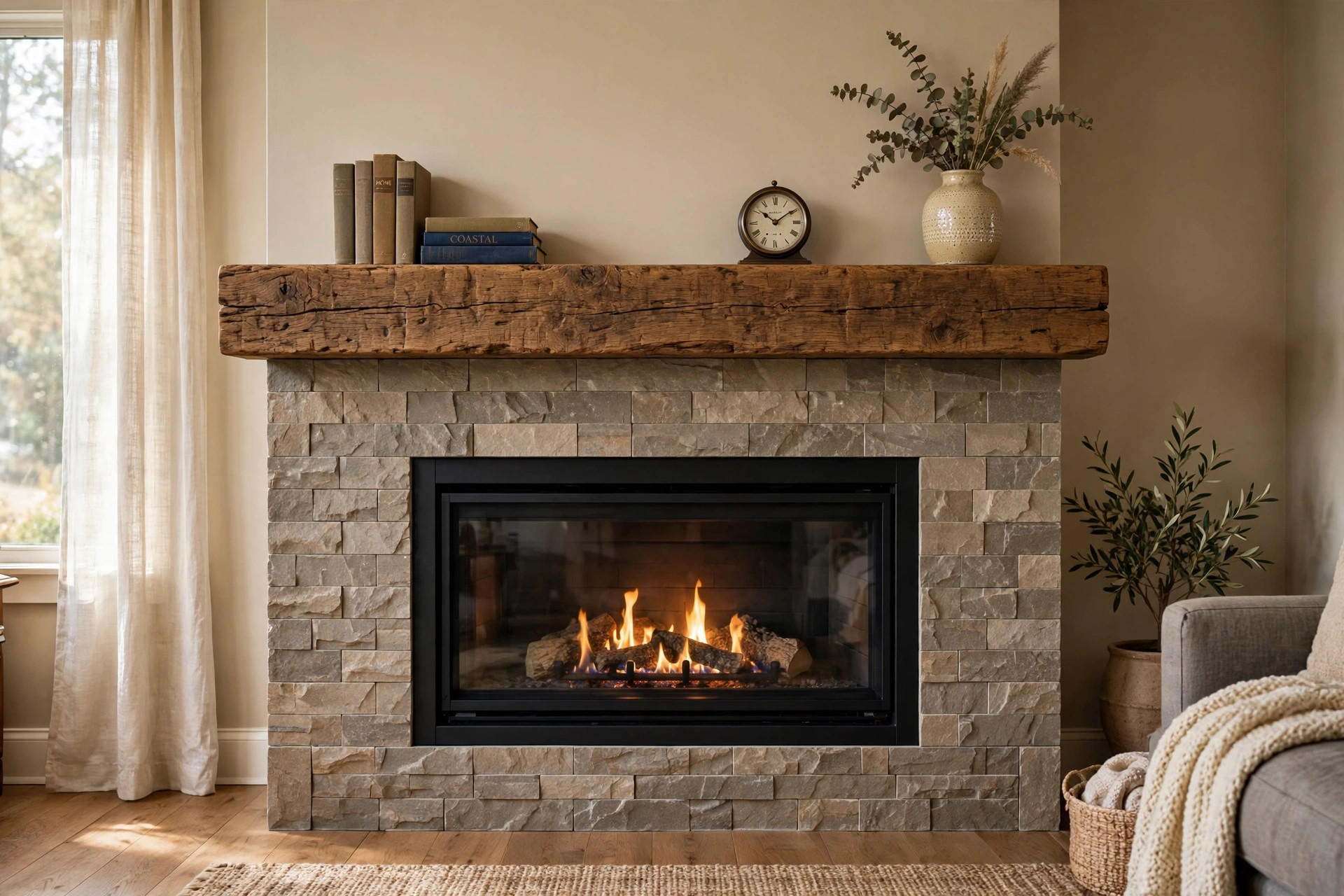
If you are asking where to buy fireplace mantel shelves in California, you have many good choices. Big home centers, local lumber yards, salvage shops, and online sellers all carry mantel shelves. Each one has its own strengths. A large store gives you low prices and fast pickup. A local shop gives you solid wood and real advice. An online seller gives you the widest range of styles.
This guide covers the main places to buy a mantel shelf in the Golden State. It explains what to look for, how much you should expect to pay, how to keep the shelf in good shape, and how to stay safe around heat and flame.
Why a Mantel Shelf Matters
A mantel shelf is more than a piece of wood above a fireplace. It frames the fire. It draws the eye to the center of the room. It also gives you a place for family photos, clocks, and small pieces of art. A strong, well fitted shelf makes the whole fireplace look finished and complete.
The mantel also serves a practical role. It can act as a shield for the wall above the firebox. Building codes in California set rules for clearances between the top of the firebox and any wood trim. These rules keep your home safe. A good retailer will know them and will help you pick a shelf that meets them.
In older California homes, original mantels are part of the character of the house. When one is missing or damaged, a new mantel shelf can restore the look. In newer homes, a floating mantel shelf gives a clean, modern line that suits tile or stone surrounds.
Where to Buy Fireplace Mantel Shelves in California
Start with the big home centers. Home Depot and Lowe’s have stores in nearly every California city, from San Diego to Sacramento to Redding. Their websites show mantel shelves in pine, oak, cherry, and rustic reclaimed styles, and you can check local stock before you drive over. Home Depot often carries corbels, brackets, and mounting kits in the same aisle, which saves a second trip. Lowe’s offers a similar range and runs frequent sales around major holidays. For shoppers who want speed and low prices, these stores are a natural first stop.
Next, look at local lumber yards and woodworkers. California has a strong tradition of fine woodworking, and small mills and shops across the state sell solid mantel beams cut to order. These shops let you pick the species, the length, and the finish. Many will cut a hand-hewn texture or a live edge for a rustic look. You pay more than at a big box store, but you get wood that is thick, heavy, and built to last for decades.
Salvage and architectural antique stores are worth a visit too. Shops in the Bay Area, Los Angeles, and Sacramento often carry reclaimed mantels taken from old homes. A salvaged shelf can bring history into your room, and the price is often lower than new solid wood. Check the piece for cracks, insect damage, and warping before you buy.
Online sellers give you the largest selection of all. Large marketplaces and specialty mantel companies ship to any address in California, usually within a week or two. You can filter by wood type, length, finish, and price. Look for sellers who give exact dimensions, real photos, and clear return policies.
Do not forget local fireplace and hearth shops. These stores sell stoves and fireplace inserts, and many also stock mantel shelves that match their products. The staff can advise you on heat clearances for your exact fireplace model. This matters if you are pairing the shelf with a gas or wood insert, since heat output varies. Guidance from a site like This Old House can help you plan the project, and a hearth shop can confirm the details for your home.
What to Look for When You Choose
Size comes first. Measure the width of your fireplace surround. Most mantel shelves look best when they run a few inches wider than the surround on each side. Length matters, but so do depth and thickness. A shelf that is too thin looks weak. For most living rooms, a depth of eight to ten inches and a thickness of three to five inches gives a solid, balanced look.
Wood species comes next. Oak is strong and takes stain well. Pine is soft and takes paint well, and it costs less. Walnut gives a dark, rich look that suits formal rooms. Reclaimed wood brings texture and character, though each piece is different. Ask whether the wood is kiln dried. Kiln dried wood is less likely to crack or twist after you hang it.
Finish and style should match your home. A smooth, stained shelf suits a traditional room. A rough, hand-hewn beam suits a cabin or farmhouse. A clean, painted shelf suits a modern room. Some shelves come prefinished with stain and sealer. Others come raw so you can stain or paint them yourself. Prefinished shelves save time. Raw wood lets you match the shelf to trim or floors you already have. Think about the whole room before you pick.
Check the mounting hardware. A floating mantel shelf hides its brackets inside the wood, which gives a clean look but needs strong wall anchors. A corbel mounted shelf shows decorative brackets under each end, which adds charm and also adds support. Make sure the hardware matches your wall type. If you plan to set a heavy mirror or a row of books on the shelf, strong mounting is not optional.
Types and Options
The floating mantel shelf is the most popular choice today. It is a thick wood beam that bolts to the wall with hidden steel rods. The look is clean and modern. It works well over tile and stone surrounds. Floating shelves need careful mounting, since the rods must hit studs or masonry anchors.
The corbel mounted shelf is the classic choice. Decorative wooden or metal corbels sit under the shelf near each end. They carry part of the weight and they add style. Corbels come in many designs, from simple angled blocks to carved scrolls.
The full mantel surround is a larger option. It includes a shelf, legs, and sometimes a header panel that frame the whole firebox. Full surrounds give a built-in look and work best in rooms where the fireplace is the main feature. They cost more and take more work to install.
Reclaimed wood beams are a favorite in California farmhouses and mountain cabins. These beams come from old barns, warehouses, and fences. They show nail holes, saw marks, and weathered grain. Each one is unique. Check for hidden metal before you buy. Old nails and bolts can break a saw blade and can also rust and stain.
Painted and primed shelves are a smart pick for modern homes. They come ready for your own paint color. You can match the shelf to white trim, gray walls, or any color you like. They cost less than stained hardwood. Sand lightly before you paint for the best finish. For ideas on colors and finishes that suit a hearth, guides on The Spruce cover popular mantel styles in depth.
Cost and Price in California
Prices vary with wood, size, and source. A simple pine floating shelf from a big home center may cost between 60 and 150 dollars. A mid range oak or cherry shelf from a specialty seller often runs 150 to 400 dollars. A custom solid beam from a California woodworker can run 400 to 1,000 dollars or more, depending on length and species. Reclaimed beams fall in the middle, often 200 to 600 dollars.
Shipping adds to the cost for online orders. A heavy wood beam can cost 50 to 150 dollars to ship within California. Some sellers offer free shipping on orders above a set amount, which is why shoppers look for luxury smart electric fireplaces with free shipping and similar deals when planning a hearth project. Always check the delivered price before you compare two sellers.
Installation costs add more if you hire help. A handyman may charge 100 to 250 dollars to mount a floating shelf. If you have a drill, a level, and a stud finder, you can hang a simple shelf yourself in an afternoon.
To stretch your budget, shop holiday sales at the big stores. Memorial Day, Labor Day, and Black Friday bring real discounts. Check clearance sections at lumber yards. Ask about short or slightly imperfect boards, which mills often sell at a discount.
Care and Upkeep
Wood mantel shelves need little care, but a few habits keep them looking good for years. Dust the shelf each week with a soft cloth. Heat from the fireplace dries the air, and dry air pulls moisture from wood. A light coat of furniture oil or wax once a year feeds the wood and brings back its luster.
Keep the area around the firebox clean. Ash and soot can settle on the shelf if the flue is dirty. Burn only dry, seasoned wood in a wood fireplace. Wet wood makes more smoke and more soot. The EPA offers guidance on clean burning that helps keep both your air and your mantel cleaner.
Watch for signs of heat damage. If the finish on the underside of the shelf looks dull, blistered, or cracked, the shelf may sit too close to the firebox. Moving the shelf up a few inches or adding a heat shield can solve the problem. When in doubt, ask a local hearth professional to check it.
Safety Around the Fireplace
Safety is the most important part of this project. Wood is a fuel, and a mantel shelf must sit at a safe distance from flames. National and local codes set minimum clearances between the top of the firebox opening and any wood trim. Your fireplace manual gives the exact numbers for your model. Follow them without exception.
Heat rises, so items on the mantel matter too. Do not place candles, dried flowers, or paper decorations near the edge above a working fire. Keep a working smoke alarm and a carbon monoxide alarm in the room. For homes with young children, a fireplace safety gates price comparison across USA sellers can help you find a barrier that fits your hearth.
If you burn wood, have your chimney checked each year. Creosote buildup in the flue is a leading cause of chimney fires. Use a screen or glass doors to keep sparks inside the firebox. For gas fireplaces, have the unit serviced as the maker advises. Napoleon and Heatilator both publish care guides for their gas units. Good habits make the fireplace a pleasure, not a hazard.
Frequently Asked Questions
How high should a fireplace mantel shelf be? Most mantel shelves sit 48 to 60 inches above the hearth, but the right height depends on your fireplace. The maker of your firebox or insert sets the minimum clearance for wood trim. Measure from the top of the firebox opening to the bottom of the shelf. Never place wood closer than the manual allows.
Can I put a wood mantel shelf over a gas fireplace? Yes, in most cases. Gas fireplaces make less stray heat than wood fires, but the clearance rules still apply. Check the manual for your exact model. Some ventless units have strict rules about wood above the opening, so buyers looking at ventless gas fireplaces online in California should read the clearance section before they order a shelf.
What is the best wood for a mantel shelf? Oak, walnut, and cherry are top choices for strength and beauty. Pine is fine if you plan to paint. Reclaimed beams give unmatched character. The best wood is kiln dried, free of active insects, and thick enough for the span.
How do I mount a floating mantel shelf? Most floating shelves use steel rods that slide into holes bored in the back of the wood. You drill matching holes in the wall, set the rods in studs or strong anchors, and slide the shelf on. A level, a stud finder, and a sharp drill bit are the key tools. Family Handyman has step by step guides for this kind of project.
Where can I find a custom mantel shelf in California? Custom woodworkers and small mills across the state make mantels to order. Search for mantel makers in your county, or ask at a local lumber yard for a referral. Bring your measurements and a photo of your fireplace. Expect a lead time of two to six weeks, and get the price in writing before work starts.
Do I need a permit to add a mantel shelf? In most California cities, hanging a simple shelf needs no permit. A full surround or any change to the firebox, gas line, or venting may need one. Call your city building department if you are unsure. If you hire a contractor, make sure the contract states who pulls the permit.
A Short Final Word
A fireplace mantel shelf is a small project with a large payoff. It frames your fire, holds the things you love, and gives the room a finished look. California shoppers have every option, from low cost pine at the big home centers to hand hewn beams from local mills. Measure with care and respect the clearance rules.
References
Family Handyman. (n.d.). DIY home repair and maintenance. https://www.familyhandyman.com Heatilator. (n.d.). Fireplaces and fireplace products. https://www.heatilator.com Lowe’s. (n.d.). Home improvement products. https://www.lowes.com Napoleon. (n.d.). Fireplaces, grills, and heating products. https://www.napoleon.com The Home Depot. (n.d.). Home improvement products. https://www.homedepot.com The Spruce. (n.d.). Home and garden advice. https://www.thespruce.com This Old House. (n.d.). Home renovation guidance. https://www.thisoldhouse.com U.S. Environmental Protection Agency. (n.d.). Protecting human health and the environment. https://www.epa.gov
Was this guide helpful?

About Lisa Anderson
The My Garden US editorial team writes practical, in-depth home and garden guides for American homeowners — tested advice, no fluff.