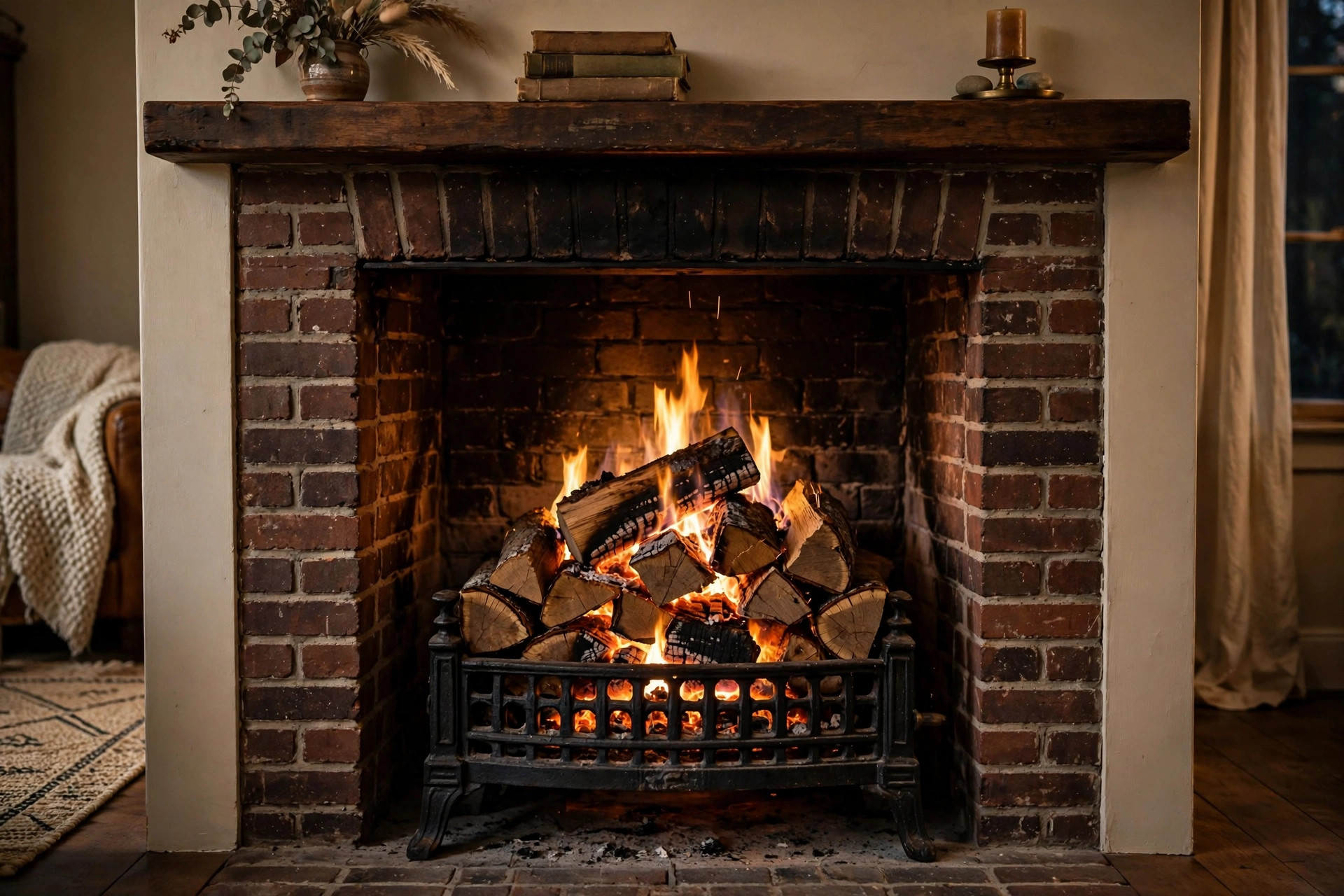

If you own a wood fireplace, the grate is the quiet workhorse of the firebox. It lifts the logs off the hearth floor, lets air feed the flames from below, and keeps the embers in a tidy pile. When old grates sag or crack, fires burn poorly and the hearth becomes a chore. Colorado homeowners who ask where to buy fireplace grates in colorado soon learn that the state offers plenty of good options. Specialty hearth stores in Denver, Colorado Springs, and the mountain towns carry quality grates, and the big home centers cover the rest of the state. Online sellers fill any gap. The key is to know what size you need, what material you want, and which shops stand behind their stock.
Why a Good Fireplace Grate Matters
A fireplace grate does more than hold logs. It shapes how the fire breathes. With the wood raised on bars, cool air moves under the logs and hot air rises through them. That steady draft makes logs catch faster, burn hotter, and leave less smoke in the room. A worn grate with broken bars lets logs sink into the ash. The fire smolders, the glass doors soot up, and the chimney gathers creosote faster.
In Colorado, winter asks a great deal of a fireplace. Mountain towns can stay below freezing for weeks. A sound grate helps each load of wood give its full heat. It also keeps the firebox floor from taking direct flame, which protects the masonry. For all these reasons, a grate is not a decoration. It is part of the heating system, and it deserves the same care you would give any heating part.
People often buy grates only when the old one fails. A better habit is to check the grate each fall before the first fire of the season. Look for bent bars, cracked welds, and heavy scaling. If the bars have sagged more than half an inch, the grate is spent. Replacing it before winter is simple and cheap compared to the cost of wasted wood and a dirty chimney.
What to Look for When You Buy: Where to Buy Fireplace Grates in Colorado
Measure the firebox before you shop. The grate should be at least three inches narrower than the firebox on each side, and the depth of the grate should leave room for air at the front and back. Most grates are described by the width of the front bar, such as 24 inches or 27 inches. Write down the firebox width, depth, and height, and bring the tape measure with you.
Weight tells you about quality. A solid cast iron or thick steel grate feels heavy in the hand. Light, thin tube grates are common in the low-cost racks, and they bend sooner. Look for welds that run full and smooth, with no cracks or gaps. The bars should be thick enough that they do not spring when you press them. Feet should sit flat and steady, so the grate does not rock on the hearth.
Style matters less than strength, but it still counts. Some grates have a front riser that keeps logs from rolling out. Some have ornate scrollwork, and some are plain. Pick a shape that suits the firebox. For most Colorado homes, a simple heavy grate with a front lip is the best value. It holds a full load of wood, lasts for years, and costs less than the fancy models.
Types of Fireplace Grates
Cast iron grates are the classic choice. They are heavy, steady, and able to take high heat without warping. Good cast iron grates last a decade or more with regular use. They are a fine match for large wood fireplaces that burn long fires.
Steel bar grates are made from thick square or round bar stock. They heat up faster than cast iron and are often easier to lift. Quality varies, so check the thickness of the bars and the welds. A heavy steel grate from a good maker will serve as well as cast iron.
Grates with built-in blowers use small electric fans to push warm air into the room. These are a step up in price. They can raise the useful heat of a fireplace by a clear margin. If your fireplace heats a main living space, a blower grate is worth a look. You will need an outlet nearby, and you will hear a soft hum when the fan runs.
Self-feeding and basket grates are shaped like deep baskets. They hold logs upright or in a stack that feeds itself as the wood burns down. These suit people who want a long, slow fire with less tending. They take a bit of practice to load well, but many owners like them once they learn the method.
Where to Buy Fireplace Grates in Colorado
Local hearth and fireplace shops are the best starting point for many buyers. These shops sell grates as part of a full line of hearth goods, and the staff know how to size a grate to a firebox. Denver and the Front Range have several long-standing fireplace retailers, and Colorado Springs, Fort Collins, and Grand Junction each have hearth dealers too. In mountain towns like Aspen, Vail, and Steamboat Springs, specialty shops often stock heavier grates built for hard winter use. The prices run a little higher than at the big stores, but the advice and the fit are worth it.
Home improvement centers are a solid second stop. The Home Depot and Lowe’s both stock fireplace grates in their Colorado stores and on their websites. The selection centers on steel bar grates and a few cast iron models at fair prices. For a standard firebox, you can walk in with your measurements and walk out with a grate the same day. These stores also carry andirons, log holders, and screens, so you can round out the hearth in one trip.
Online retailers give you the widest choice. Specialist sites like Napoleon and Heatilator carry grates and hearth accessories built to a high standard, and their product pages list exact dimensions. Shopping online lets you compare prices across many makers, and you can read buyer reviews before you order. If you go this route, check the return policy and the shipping cost, since grates are heavy and freight charges add up.
Fireplace installation companies are another good source. Many Colorado chimney and hearth companies sell parts directly to homeowners, even when they are not doing an installation. Because these firms see which grates hold up over years of mountain winters, their recommendations carry weight. Call ahead and ask if they stock grates in your size.
For buyers who like to see and touch before they buy, antique shops and salvage yards around Colorado sometimes carry old cast iron grates. These can be fine pieces with heavy metal and long life left in them. Check them closely for cracks, since cast iron can crack if it was dropped or heated unevenly. A sound used grate at a fair price is a good find, but do not pay near-new prices for one.
Cost and Price Guide
Fireplace grate prices in Colorado follow the national range, with a small premium at specialty shops. Basic steel tube grates start around forty to sixty dollars. These work for light use, such as an occasional evening fire in a mild season. A better mid-range steel bar grate runs from eighty to one hundred fifty dollars and suits regular winter burning.
Heavy cast iron grates start near one hundred twenty dollars and can reach two hundred fifty dollars for large, ornate models. These are the right pick for fireplaces that burn most days of the winter. Grates with electric blowers start near two hundred dollars and can pass four hundred dollars, depending on the brand and the size of the fan.
When you compare prices, it helps to look at a fireplace grates price comparison usa guide to see how Colorado prices line up with the rest of the country. Shipping costs matter too. A grate that costs less online may cost more at your door once freight is added. For heavy cast iron models, buying local often ends up the better deal.
Do not buy on price alone. A thin grate that sags in two seasons costs more in the end than a heavy grate that lasts ten. If you heat with wood every winter, buy the best grate you can afford. The wood savings and the cleaner chimney will pay you back.
Care and Upkeep
A grate lasts longer when it is treated well. Let the fire burn down fully before you poke at it, and do not strike the bars with the poker. Heavy blows crack welds and bend bars. When you clean out the ash, lift the grate and brush under it, since trapped ash holds moisture that rusts the metal.
Rust is the main enemy of steel grates. A light coat of high-temperature stove paint each spring keeps the surface sealed. Brush off loose rust first, then apply the paint in thin coats. Cast iron grates can take the same treatment, or you can simply keep them dry and clean. Store spare grates in a dry place if you swap them seasonally.
Check the grate each autumn. Sight along the bars to spot sagging. Grasp each bar and feel for looseness. If a weld has cracked, a welder can sometimes repair it, but for inexpensive grates, replacement is the safer choice. A failed grate in mid-winter is a problem you do not want.
Keep the rest of the hearth in good order too. A fireplace grates price comparison usa search can remind you that accessories wear out together, and it is smart to check your tools, screens, and log holders at the same time you check the grate. Many Colorado owners find that top rated fireplace grates for texas homes reviews give useful notes on durability, even though the climate differs, since heavy use tests a grate the same way anywhere.
Safety Notes for Colorado Homes
Grates belong only in fireplaces built for wood. Do not use a wood grate in a gas fireplace, and do not modify a gas unit to burn wood unless a licensed professional converts it. The EPA sets standards for wood-burning appliances, and Colorado towns may have local burn rules on high-pollution days. Check your local rules before you burn, especially along the Front Range where winter inversions can bring no-burn notices.
Place a sturdy screen in front of the firebox every time you burn. A good grate holds the logs, but sparks can still jump, and the screen is your backup. Keep the hearth clear of rugs, newspapers, and kindling within three feet of the opening.
Have the chimney swept at least once a year if you burn regularly. A strong draft from a proper grate does not replace chimney care. Creosote buildup is the leading cause of chimney fires, and a clean flue protects the whole house. Guidance on safe wood heating from This Old House and Family Handyman offers plain advice on seasonal upkeep.
Carbon monoxide is a quiet danger with any fuel-burning heat. Keep a working carbon monoxide detector on each level of the home, and never close the damper while embers are still warm. The U.S. Department of Energy publishes clear notes on safe fireplace use that every homeowner should read.
Frequently Asked Questions
What size fireplace grate do I need? Measure the firebox width at the back, not the front, since the back is narrower. Choose a grate that is three to six inches narrower than the back width. The grate depth should leave at least two inches of clear space front and back.
How long should a fireplace grate last? A heavy cast iron or thick steel grate lasts five to ten years with regular winter use. Thin tube grates may last two to three seasons. How often you burn and how hot the fires run are the main factors.
Can I repair a broken grate? Cracked welds on steel grates can sometimes be re-welded by a welder. Cast iron is harder to repair and often cracks again near the repair. For most low-cost grates, a new grate is the better and safer choice.
Are blower grates worth the extra cost? If your fireplace heats a main room, yes. A blower grate moves warm air out of the firebox and into the room, which can double the useful heat from the same wood. You need an outlet near the hearth, and the fan makes a soft sound.
Where in Colorado can I see grates before I buy? Hearth specialty shops in Denver, Colorado Springs, Fort Collins, and Grand Junction show grates on the floor, and so do the larger Home Depot and Lowe’s stores. For mountain towns, call the local hearth dealer first, since stock varies by season.
Do I need a special grate for a large wood fireplace? Large fireboxes need large, heavy grates. Look for cast iron or thick steel models rated for heavy use, with a front riser to keep logs in place. If you also want to dress up the hearth, affordable fireplace mantel shelves for sale can be a nice addition once the grate is sorted.
A Final Word
A fireplace grate is a small purchase that shapes every fire you burn. Buy it with the same care you would give any heating part. Measure the firebox, choose heavy metal, and buy from a seller who knows hearth goods. Colorado gives you good choices, from Front Range specialty shops to mountain-town dealers and the big home centers. The Spruce offers helpful buying notes on hearth gear, and Bob Vila covers fireplace care in plain terms. Pick the right grate once, keep it clean, and your Colorado winters will be warmer and safer for years.
References
Bob Vila. (n.d.). Home improvement advice. https://www.bobvila.com Family Handyman. (n.d.). DIY home repair and maintenance. https://www.familyhandyman.com Heatilator. (n.d.). Fireplaces and fireplace products. https://www.heatilator.com Lowe’s. (n.d.). Home improvement products. https://www.lowes.com Napoleon. (n.d.). Fireplaces, grills, and heating products. https://www.napoleon.com The Home Depot. (n.d.). Home improvement products. https://www.homedepot.com The Spruce. (n.d.). Home and garden advice. https://www.thespruce.com This Old House. (n.d.). Home renovation guidance. https://www.thisoldhouse.com U.S. Department of Energy. (n.d.). Energy efficiency and renewable energy. https://www.energy.gov U.S. Environmental Protection Agency. (n.d.). Protecting human health and the environment. https://www.epa.gov
Was this guide helpful?

About Jennifer Lee
The My Garden US editorial team writes practical, in-depth home and garden guides for American homeowners — tested advice, no fluff.
You May Also Like
The Best Electric Patio Heaters Buying Guide
September 11, 2026 0 views
Top Rated Chimney Inspection Services Reviews: A Homeowner’s Guide
May 13, 2026 0 views
Best Direct Vent Gas Fireplaces for American Homes: A Complete Buyer’s Guide
September 29, 2026 0 views